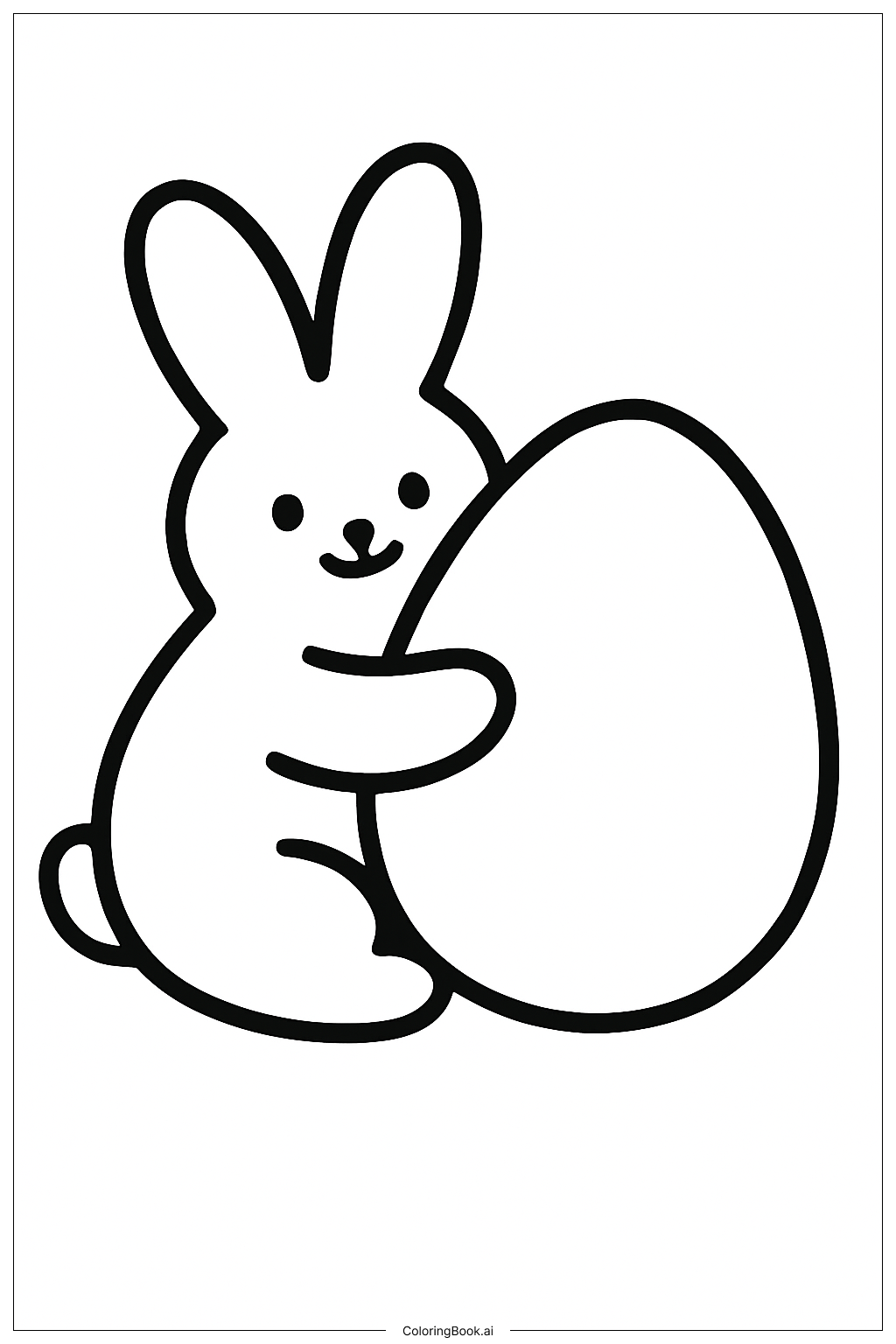
Coloring tips: How to color Peep Hugging Egg coloring page well?
Start with Peep's body by filling it in with a bright, sunny yellow. Use a slightly darker yellow or light orange to add soft shading around the edges of his feathers to give him a fluffy, rounded look. Color his beak and feet orange or amber to keep him looking warm and lively. For the Easter egg, let your imagination run free! Use bold, contrasting colors for the decorative stripes and dots — think pink, purple, sky blue, and lime green. You can alternate colors in each section of the pattern to make the egg pop with energy. The background can be kept simple with light blue, soft green, or pastel pink to suggest a cheerful spring day. Light, gentle strokes work best to keep the coloring looking smooth and neat. This is a great image for practicing color combinations and creating a festive Easter mood.
Coloring challenges: Which parts are difficult to color and need attention for Peep Hugging Egg coloring page?
• Staying Inside Small Details: The Easter egg features several small decorative elements like dots, stripes, and wavy lines. Coloring each section neatly without going over the outlines can be tricky, especially for younger children. Using a fine-tipped coloring pencil or thin marker will help keep colors inside the lines.
• Shading Peep's Fluffy Body: Peep's round, soft shape looks best when there is a sense of depth and fluffiness. Achieving that soft, three-dimensional look requires gentle blending from a bright yellow at the center to a slightly deeper shade at the edges. Beginners may find smooth blending challenging without the right tools.
• Balancing Colors on the Egg Pattern: The egg has multiple decorative sections, and choosing colors that work well together without clashing takes some planning. Picking colors that are too similar can make the pattern hard to see, while too many bold colors together can look overwhelming. Learning to balance warm and cool tones is a useful skill this image helps practice.
• Keeping Peep's Face Expressive: The small facial features — eyes and beak — are delicate and easy to overcolor. Using a light hand and choosing the right shade is important to preserve Peep's sweet, cheerful expression without muddying the lines.
• Transitioning Between the Chick and the Egg: Where Peep's wings meet the egg, the two shapes overlap closely. Carefully choosing different colors for each element in that area helps the two figures stay visually separate and clear.
Benefits of coloring books: Advantages of drawing Peep Hugging Egg coloring page
Coloring this image of Peep Hugging Egg offers a wonderful mix of fun and learning for kids of all ages. The cheerful Easter theme sparks creativity and encourages children to experiment with color choices as they decorate the festive egg. Working through the detailed egg patterns helps build fine motor skills and hand control, which are important for writing and other everyday tasks. Staying inside the outlines and planning which colors to use next trains focus and patience in a relaxed, enjoyable way. The image also carries a warm emotional message — a hug between friends — which can open up gentle conversations about kindness, care, and the joy of giving. For younger children, this page is a great introduction to color theory, helping them discover what colors look good side by side. For older kids, it offers a chance to practice shading and blending techniques. Best of all, finishing the page gives a real sense of pride and accomplishment. Coloring together as a family or with friends during the Easter season makes this a meaningful and memorable activity.