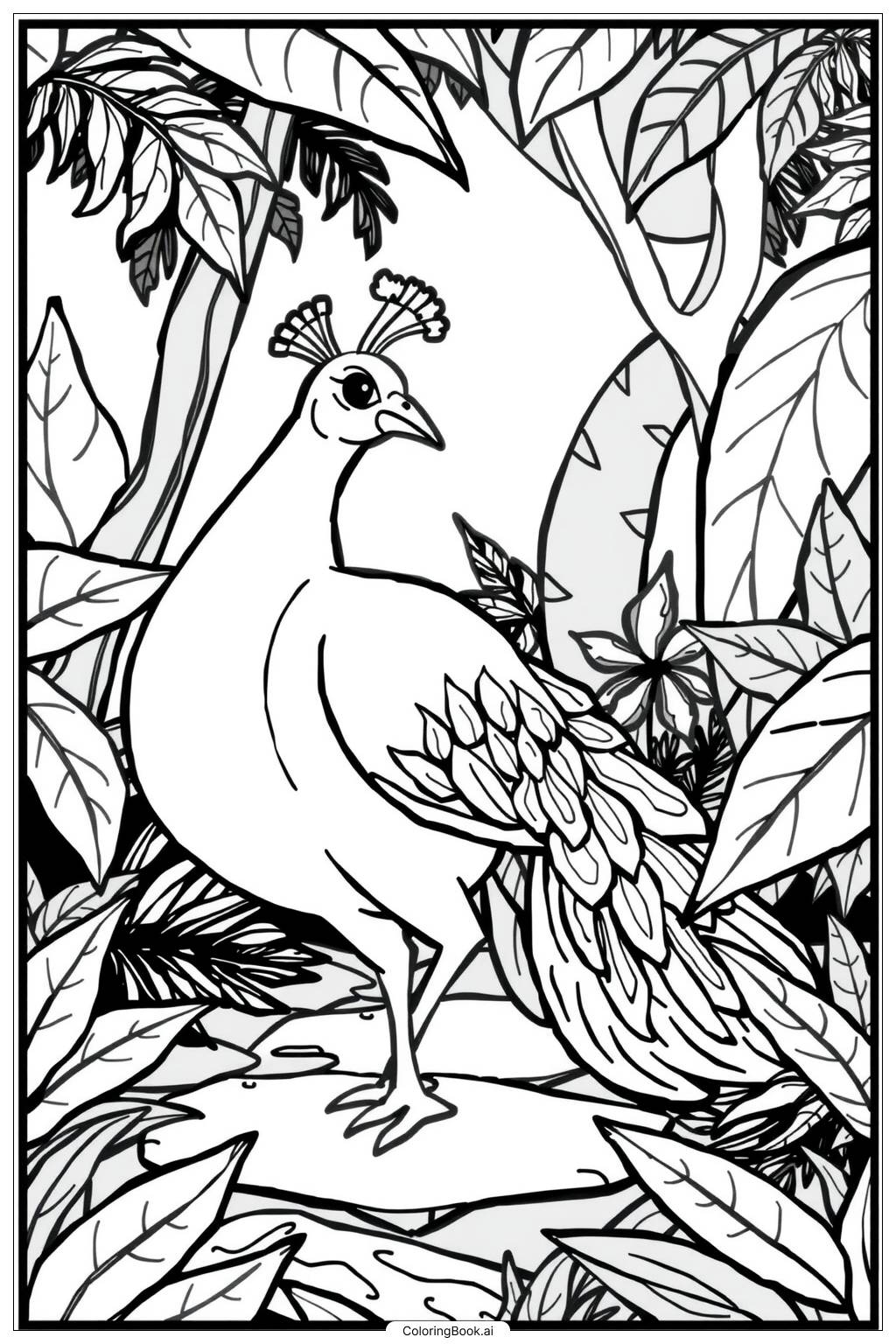
Coloring tips: How to color peacock walking through jungle coloring page well?
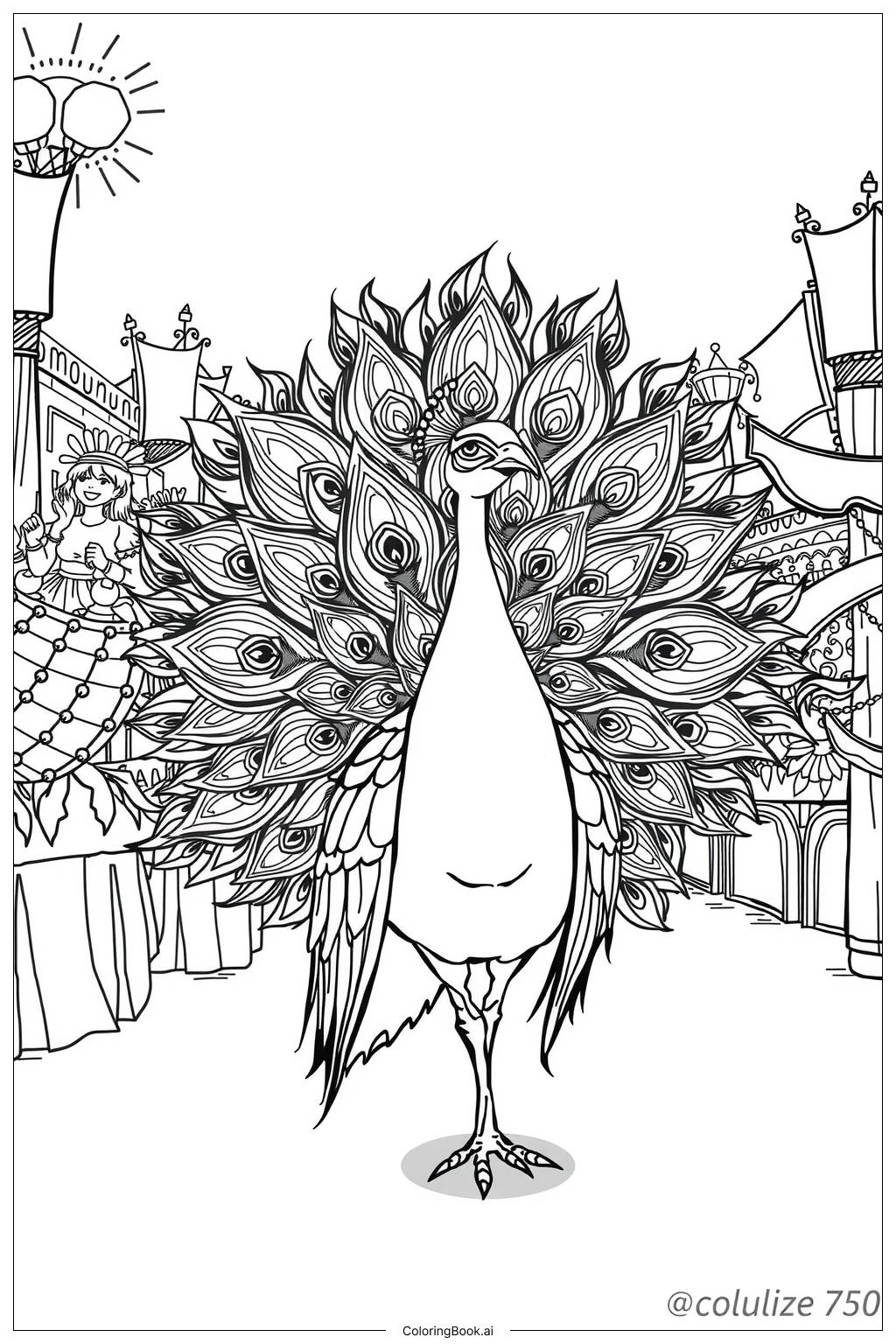
For this image, use bright blues and vibrant greens to color the peacock’s feathers, emphasizing its striking eyespots with shades of turquoise, navy, and gold. The jungle leaves can be colored in multiple shades of green to show depth and variety — from dark forest green to light lime. Use browns, tans, and grays for the tree trunks and rocks. Adding a little yellow or light green highlights on leaves where sunlight hits will give a lively effect. Kids can let their creativity shine by using different shades and blending colors to bring the jungle to life while making the peacock stand out with rich, jewel-like hues.
Coloring challenges: Which parts are difficult to color and need attention for peacock walking through jungle coloring page?
• Feather Details: The peacock’s feathers have many small, repeating eyespot patterns that require careful coloring to capture their beauty and complexity.
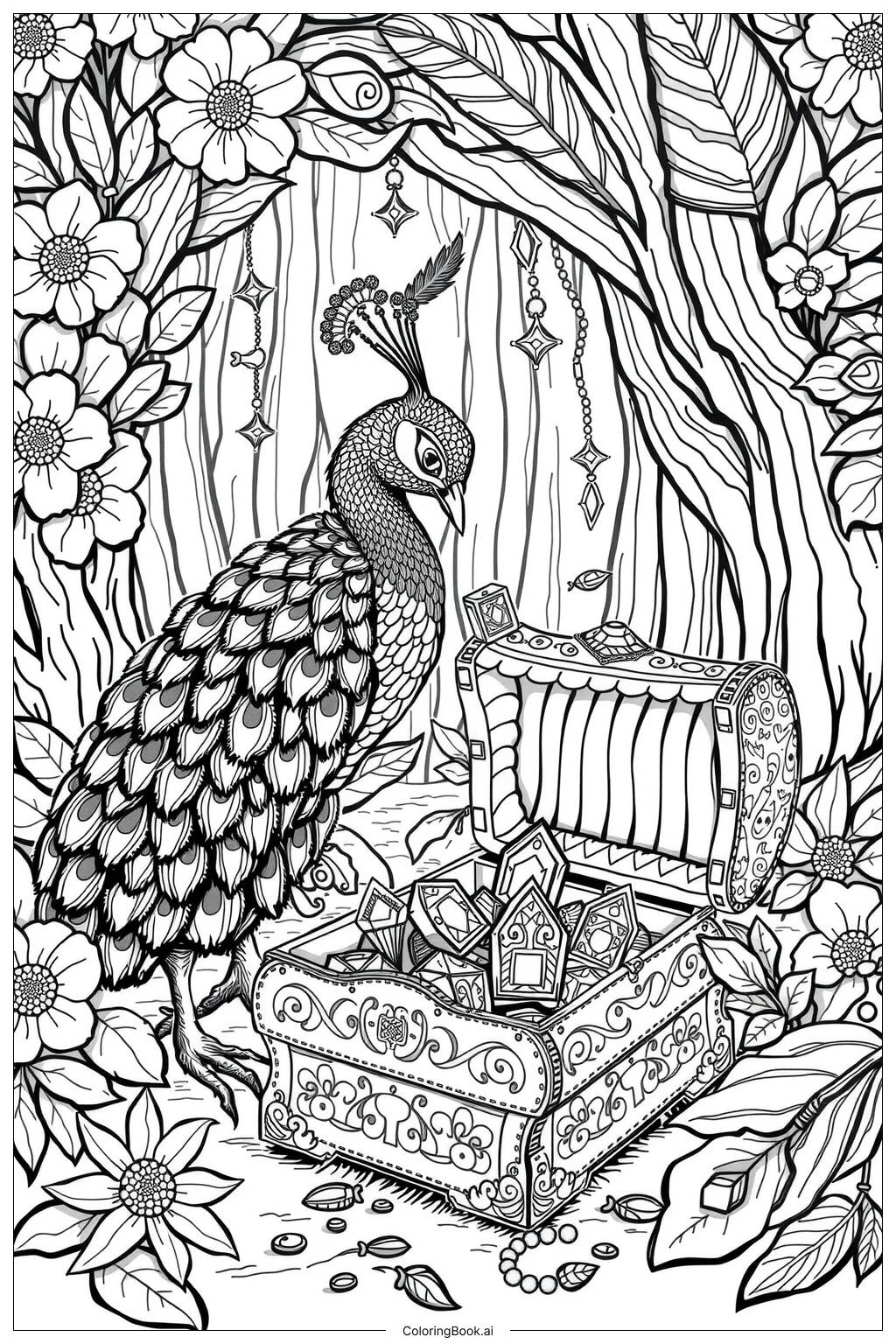
• Overlapping Elements: The jungle leaves and vines overlap in many places, so staying within lines and distinguishing the different layers can be challenging.
• Light and Shadow: Depicting the dappled sunlight filtering through the canopy requires mixing different shades of green and brown to suggest shadows and highlights.
• Tail Feathers Flowing: The long, flowing tail feathers curve and overlap, demanding attention to follow the lines and maintain consistent coloring.
• Fine Lines: Many thin lines in the foliage and vines need a steady hand to color cleanly without going outside the shapes, especially for younger children.
Benefits of coloring books: Advantages of drawing peacock walking through jungle coloring page
Coloring this image helps develop fine motor skills by practicing careful strokes within detailed feather and leaf shapes. It encourages focus as children pay attention to layering colors for light and shadow effects. The scene also inspires creativity with opportunities to experiment with greens, blues, and earth tones. Coloring the peacock’s tail fosters patience and perseverance due to its repetitive patterns. Overall, this image promotes an appreciation for nature’s beauty and can be relaxing and fun for children aged 4 to 16, improving both artistic skills and imagination.