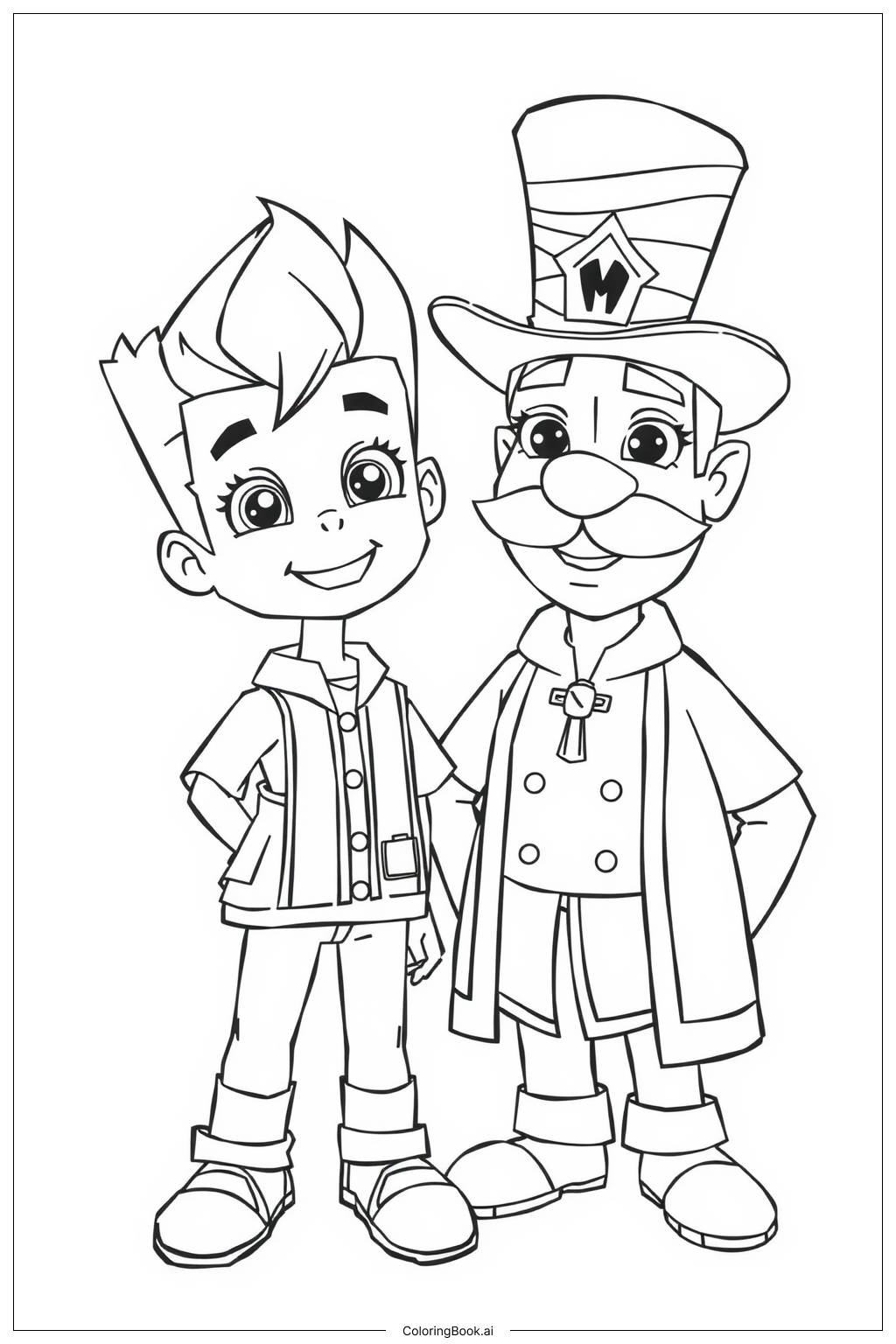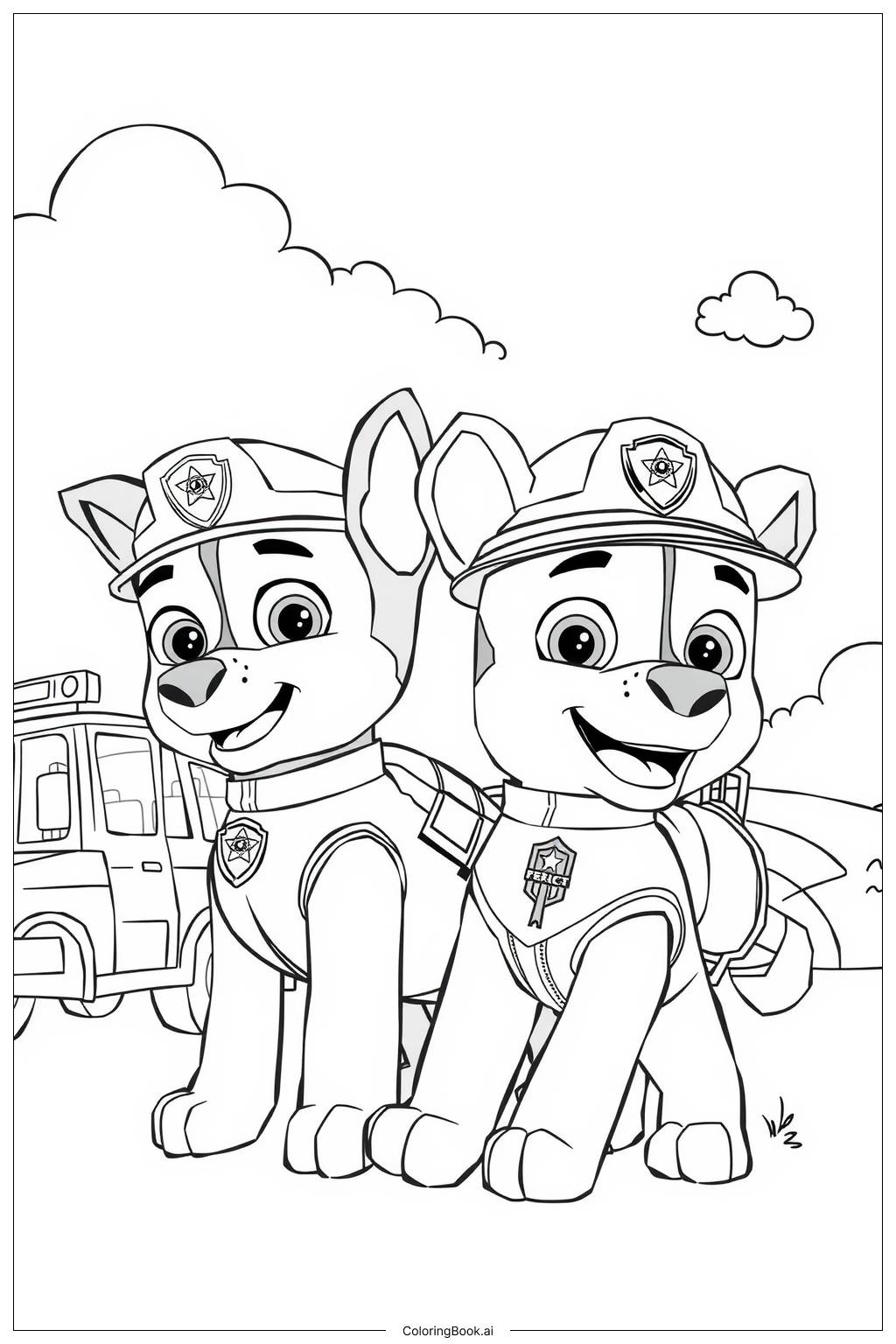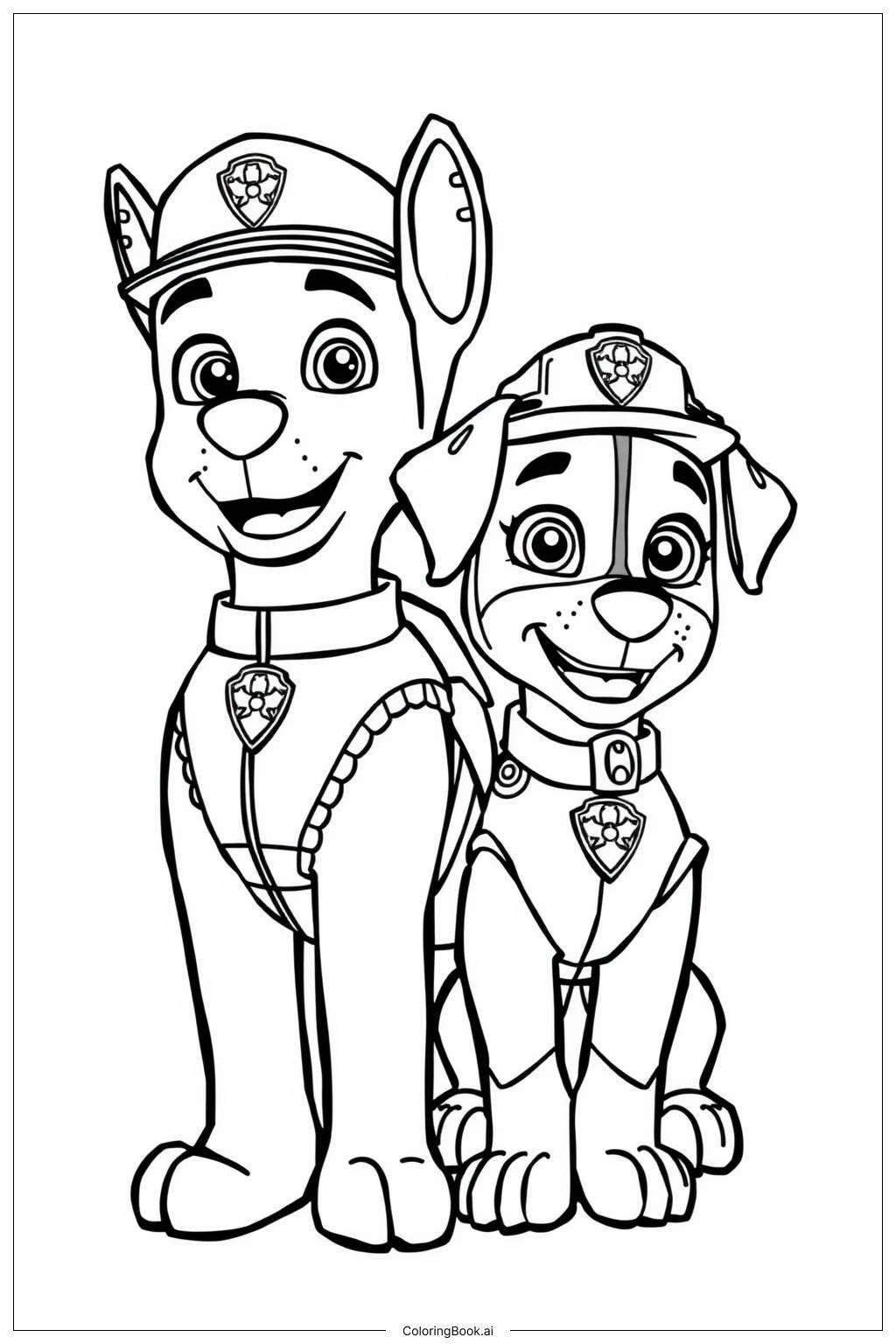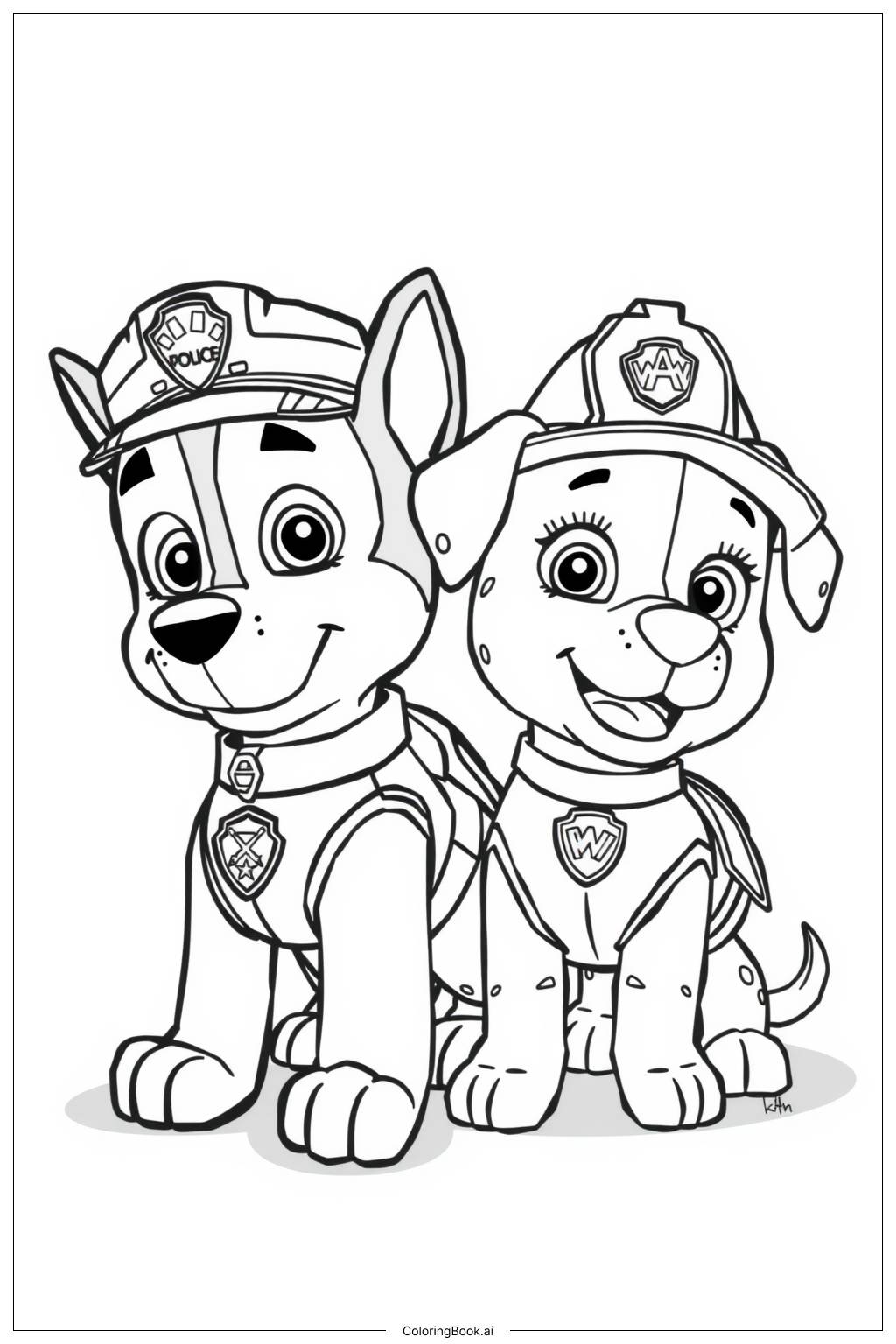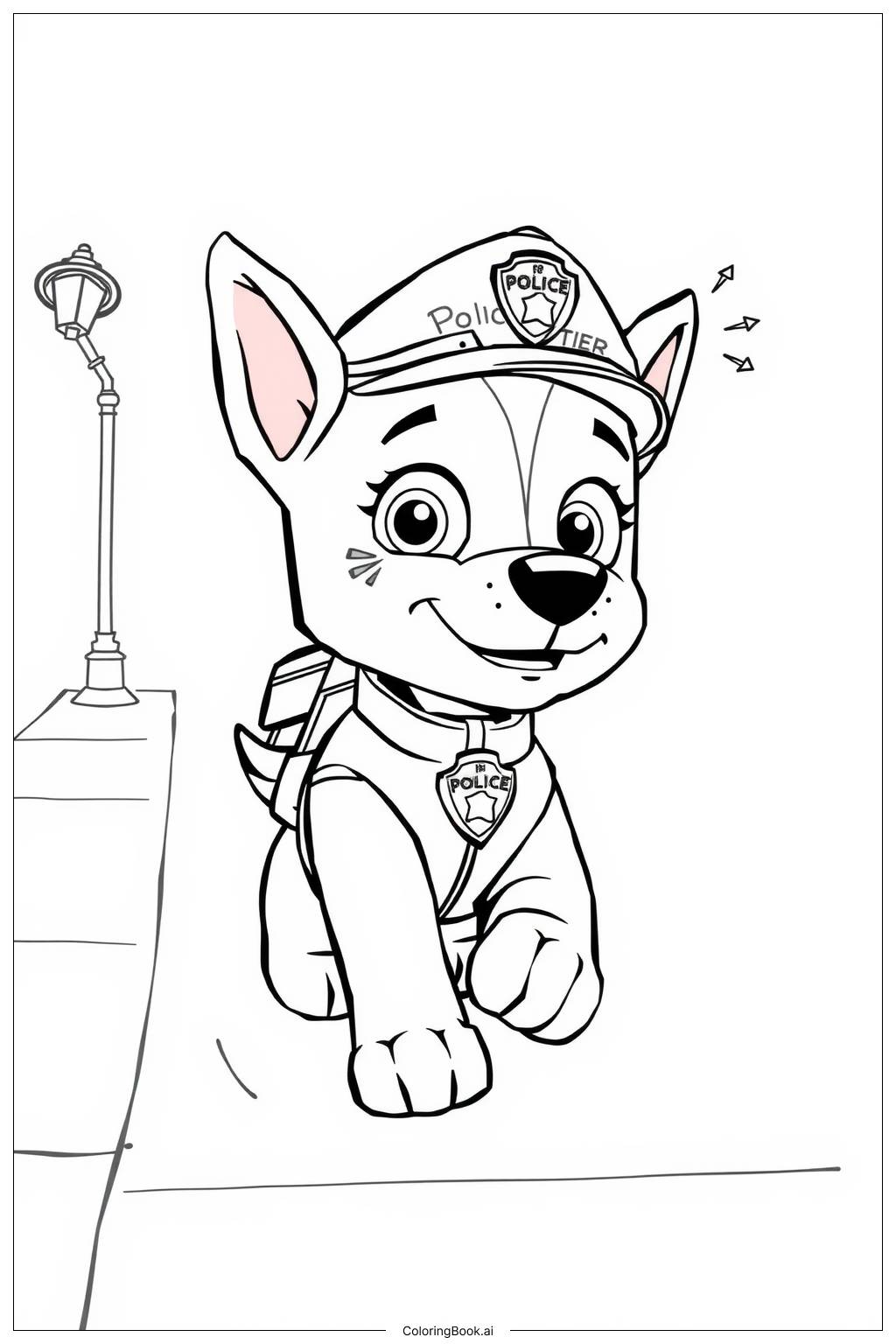
Coloring tips: How to color Chase Paw Patrol on a Mission coloring page well?
Start with Chase's fur. Use a warm tan or light brown for his main coat, with a slightly darker shade for his ears and paws. His police uniform should be a bright, bold blue — the kind of blue that really stands out. Use a lighter blue or white for any accent stripes or details on his vest. His badge and gear pieces look great in gold or yellow. Fill in his eyes with dark brown or black, and add a small white highlight dot to make them look lively. His nose is best colored black. For the background, try a sunny sky blue or a city street scene to match Chase's police patrol theme. Keep colors bold and clean so Chase looks ready for action. Kids can also try shading around Chase's vest and badge to make the image feel more three-dimensional. Have fun mixing shades and making Chase your own!
Coloring challenges: Which parts are difficult to color and need attention for Chase Paw Patrol on a Mission coloring page?
• Uniform and Vest Details: Chase's police uniform has many small design elements, including vest panels, buckles, and collar edges. Staying inside these tiny lines takes a steady hand and patience. Using a fine-tipped marker or a sharpened colored pencil will help you color each section neatly without going outside the borders.
• Badge and Gear Accuracy: The paw badge and mission equipment on Chase's vest are small and packed with fine lines. These areas are tricky because the shapes are close together. Try using a thin marker or a very fine pencil tip to carefully fill in each piece without smudging the surrounding areas.
• Facial Expression Details: Chase's face has small but important features — his eyes, nose, and the lines that show his determined expression. Getting these right can be challenging, especially around the eyes, where dark outlines are close to the whites and highlights. Work slowly in these areas and use light pressure to avoid over-filling small spaces.
• Fur Texture and Shading: Chase's fur is not just one flat color. Adding light shading around his ears, paws, and chest can make him look much more realistic. Blending two shades of tan or brown is a fun challenge that requires gentle layering with colored pencils or light watercolor strokes.
• Small Accessory Elements: Items like Chase's collar, paw tag, and any mission tools shown in the image have very fine outlines. These accessories are easy to accidentally color over. Take your time with these and consider outlining them lightly with a pencil before committing to color.
Benefits of coloring books: Advantages of drawing Chase Paw Patrol on a Mission coloring page
Coloring Chase from PAW Patrol on a mission is a wonderful activity for kids of all ages. It helps build fine motor skills as children practice holding and controlling coloring tools within detailed lines and small spaces. Working through Chase's uniform, badge, and gear encourages focus and attention to detail, which supports concentration skills that are useful in school and everyday life.
Choosing colors for Chase's fur, uniform, and accessories sparks creativity and allows kids to express themselves. They can follow the classic color scheme or invent a whole new look for their favorite pup. Either way, creative decision-making is being practiced throughout the process.
Completing a full coloring page also builds a sense of accomplishment. When kids finish and see their colorful version of Chase, it gives them a real confidence boost. This positive feeling encourages them to keep trying new challenges.
For younger children, coloring PAW Patrol characters like Chase connects art to a beloved story world, making the activity feel exciting and meaningful. For older kids, the detailed sections offer a satisfying challenge that rewards patience and careful work.
Overall, this coloring page combines fun, skill-building, and creativity in one simple activity that kids can enjoy at home, in school, or on the go.