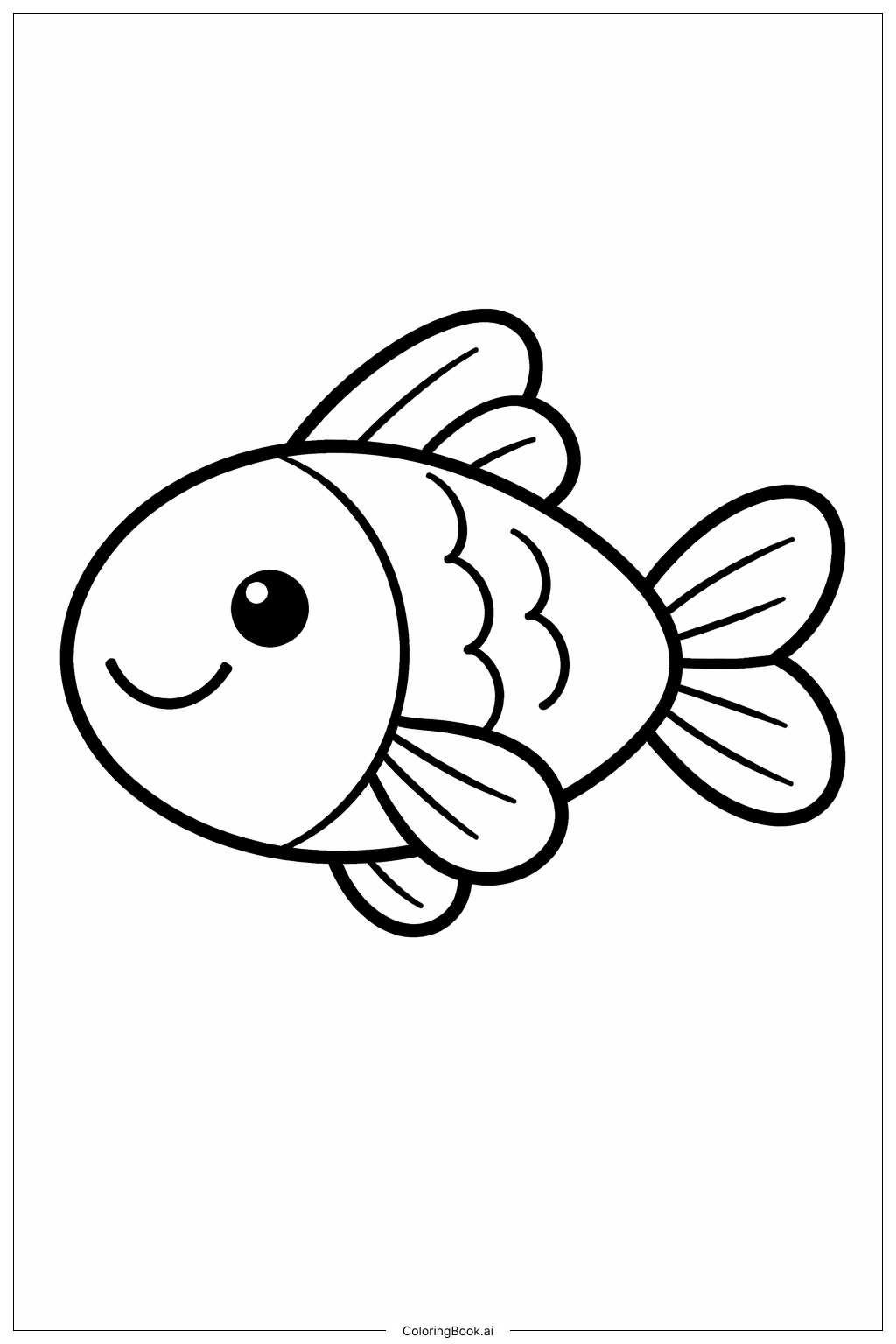
Coloring tips: How to color Fish Pattern coloring page well?
Use bright colors like orange, yellow, or blue for the body to make the fish look lively. Try different shades of the same color for the fins and tail to add depth. You can color the scales in alternating colors to create a fun pattern. Don't forget to color the eye with a small white spot left uncolored to show the light reflection. Feel free to add a background with shades of blue or green to represent water. Experiment with blending colors smoothly or use contrasting tones to make different fish parts stand out.
Coloring challenges: Which parts are difficult to color and need attention for Fish Pattern coloring page?
1. The small fins have thin spaces making it tricky to color neatly without going outside the lines.
2. The fish scales have curved shapes that require careful coloring to keep the pattern nice and consistent.
3. Balancing colors between the body, fins, and tail can be challenging to avoid the fish looking too plain or too busy.
4. Keeping the eye’s highlight spot white requires precise control and attention.
5. Adding a background can be difficult because it needs to complement the fish colors without overwhelming the main subject.
Benefits of coloring books: Advantages of drawing Fish Pattern coloring page
Coloring this fish design helps children develop fine motor skills as they stay within the lines and handle different shapes. It encourages creativity by allowing choices in colors and patterns to make each fish unique. Coloring also improves concentration and patience, especially when working on small details like the fins and scales. Moreover, it introduces kids to aquatic life, sparking curiosity and learning about animals and nature. Overall, it is a fun, relaxing activity that supports artistic expression and cognitive growth.