Coloring tips: How to color Parrot Profile coloring page well?
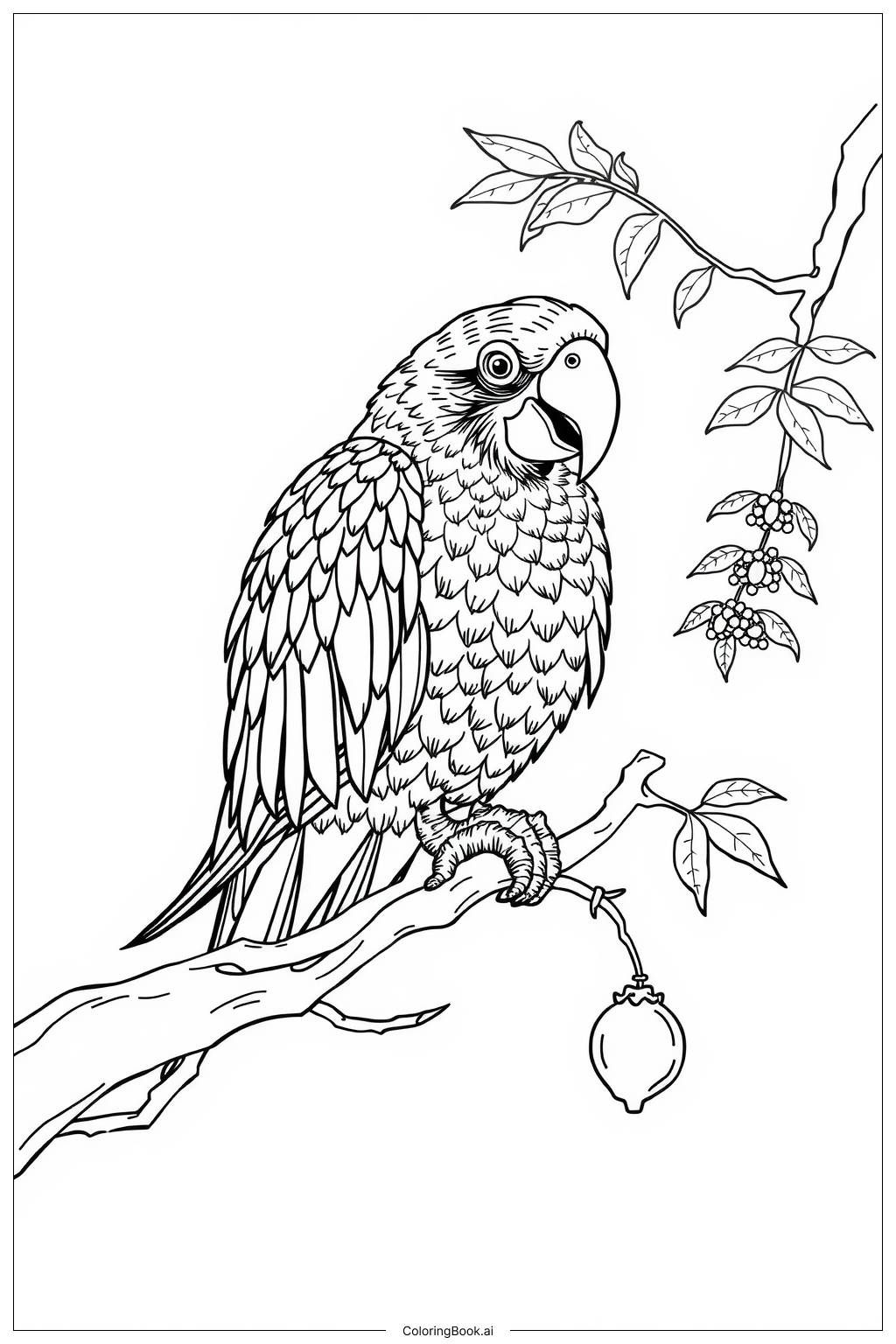
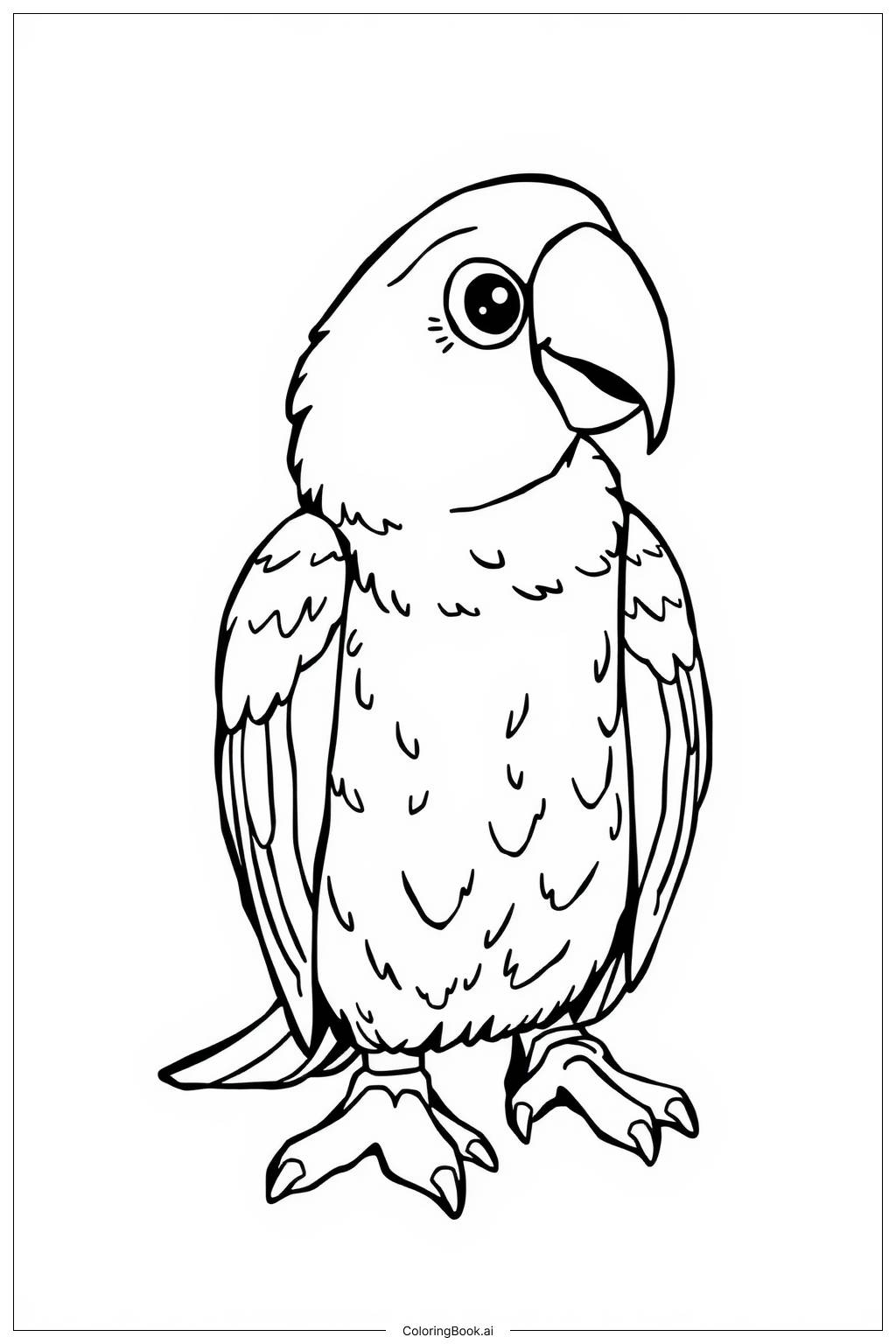
For this image, use bright and bold colors to bring the parrot to life. Parrots are known for their vibrant feathers, so you can choose reds, greens, blues, and yellows to color the feathers in different sections. Try blending colors gently in the wing feathers for a gradient effect. Use green tones for the tropical leaves and brown shades for the branch. The beak can be colored black or dark gray, while the eye should have a shiny highlight to make it look lively. Experiment with different shades to add depth and make the parrot look three-dimensional. Remember to use smooth strokes for the feathers to capture their soft texture.
Coloring challenges: Which parts are difficult to color and need attention for Parrot Profile coloring page?
• Feather Details: The parrot’s feathers have many small lines and layers which require patience to color neatly without overlapping sections. Staying within these lines can be challenging for younger children.
• Blending Colors: Achieving a smooth gradient or blending between different feather colors takes time and practice with coloring tools like crayons or colored pencils.
• Fine Lines on Beak and Eye: The small curved beak and round eye need careful coloring to avoid coloring outside the lines and maintain clear shapes.
• Branch Texture: The branch has subtle bark details that can be hard to color realistically while showing the texture.
• Background Leaves: Differentiating the overlapping leaves by using varying shades of green can be tricky, especially keeping the leaves distinct from each other.
Benefits of coloring books: Advantages of drawing Parrot Profile coloring page
Coloring this parrot profile helps children develop fine motor skills by working on small details such as feathers and the eye. It encourages focus and patience as they carefully stay within the lines and blend colors. The image also inspires creativity in choosing bright and natural colors, building an understanding of nature and birds. This activity supports hand-eye coordination and color recognition. For older children, it offers a relaxing and rewarding experience that improves concentration. Overall, coloring this parrot can be both educational and fun, fostering artistic expression and a love of wildlife.