Coloring tips: How to color Ramen Making Set coloring page well?
Start by choosing a warm, cozy color palette to bring this ramen scene to life. Use golden yellow or amber for the rich broth in the bowl. Color the noodles a soft cream or pale yellow shade. For the toppings, use bright green for scallions, deep red or pink for sliced chashu pork, dark brown for mushrooms, and white with a yellow center for a soft-boiled egg. The ramen bowl can be colored in classic white with a blue or red pattern around the rim for a traditional Japanese look. The cooking pot could be a shiny silver or a bold red to make it stand out. Use light gray or pale blue for the rising steam to give a sense of warmth. The ladle and other tools can be colored in gray or wooden brown tones. Take your time with the small details — a little patience goes a long way in making this delicious scene pop with color!
Coloring challenges: Which parts are difficult to color and need attention for Ramen Making Set coloring page?
• Noodle Strands: The ramen noodles are drawn with many thin, wavy lines that curl and overlap each other. Staying inside each strand without smudging into neighboring lines takes a steady hand and a sharp, fine-tipped tool. Young children may find this area the most challenging part of the whole image.
• Small Toppings and Garnishes: Items like green onion slices, sesame seeds, and tiny mushroom pieces are very small and tightly packed. Coloring these without accidentally going outside the lines requires careful, slow movements and a colored pencil with a fine point.
• Bowl and Pot Patterns: The bowl and pot may feature decorative patterns or designs along their surfaces. These geometric or floral details need neat, consistent coloring to look polished and finished. Skipping over small pattern sections can make the final result look uneven.
• Broth and Steam Effects: The soup broth inside the bowl and the rising steam above it can be tricky to color convincingly. Steam is often shown as soft, swirling lines, and choosing the right light color — like pale white, gray, or light blue — to suggest warmth without overpowering the image takes some thought and planning.
• Color Coordination Across the Set: The full ramen making set includes multiple items — pot, bowl, ladle, ingredients — and keeping a consistent, harmonious color palette across all of them is a real artistic challenge. Without planning ahead, the finished page can end up looking mismatched or too busy.
Benefits of coloring books: Advantages of drawing Ramen Making Set coloring page
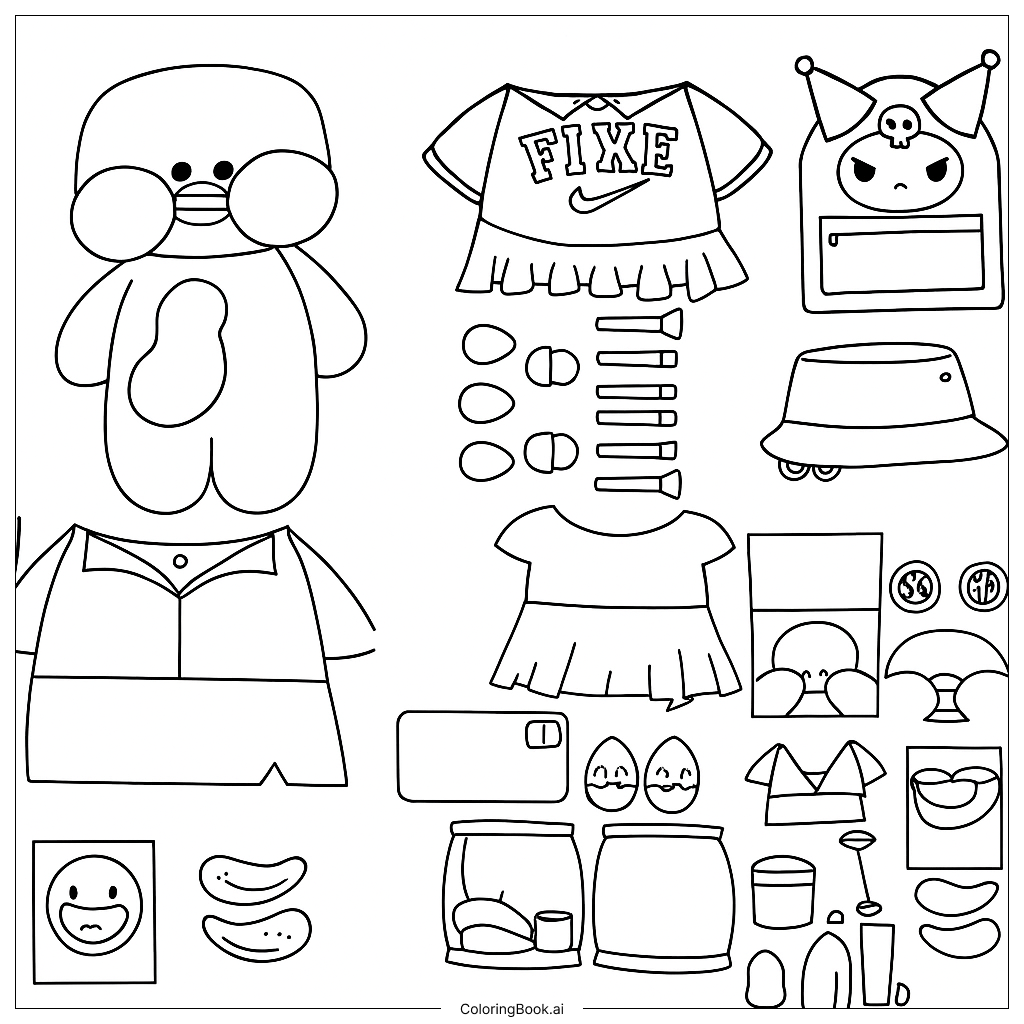
Coloring this Paper Duck Ramen Making Set page offers many wonderful benefits for kids and families. It helps children learn about cooking and food culture in a fun, hands-on way. As kids color each ramen ingredient and tool, they build fine motor skills and hand-eye coordination. Choosing colors for noodles, broth, and toppings encourages creative thinking and imagination. The detailed scene also helps children practice patience and focus, as they work through each part of the image carefully. Coloring together as a family can spark conversations about trying new foods and cooking at home. For older kids, the challenge of shading and blending colors builds artistic confidence. This page is also a great way to introduce children to the joy of Japanese food culture. Overall, it is a relaxing and enriching activity that combines art, learning, and fun in one colorful experience.