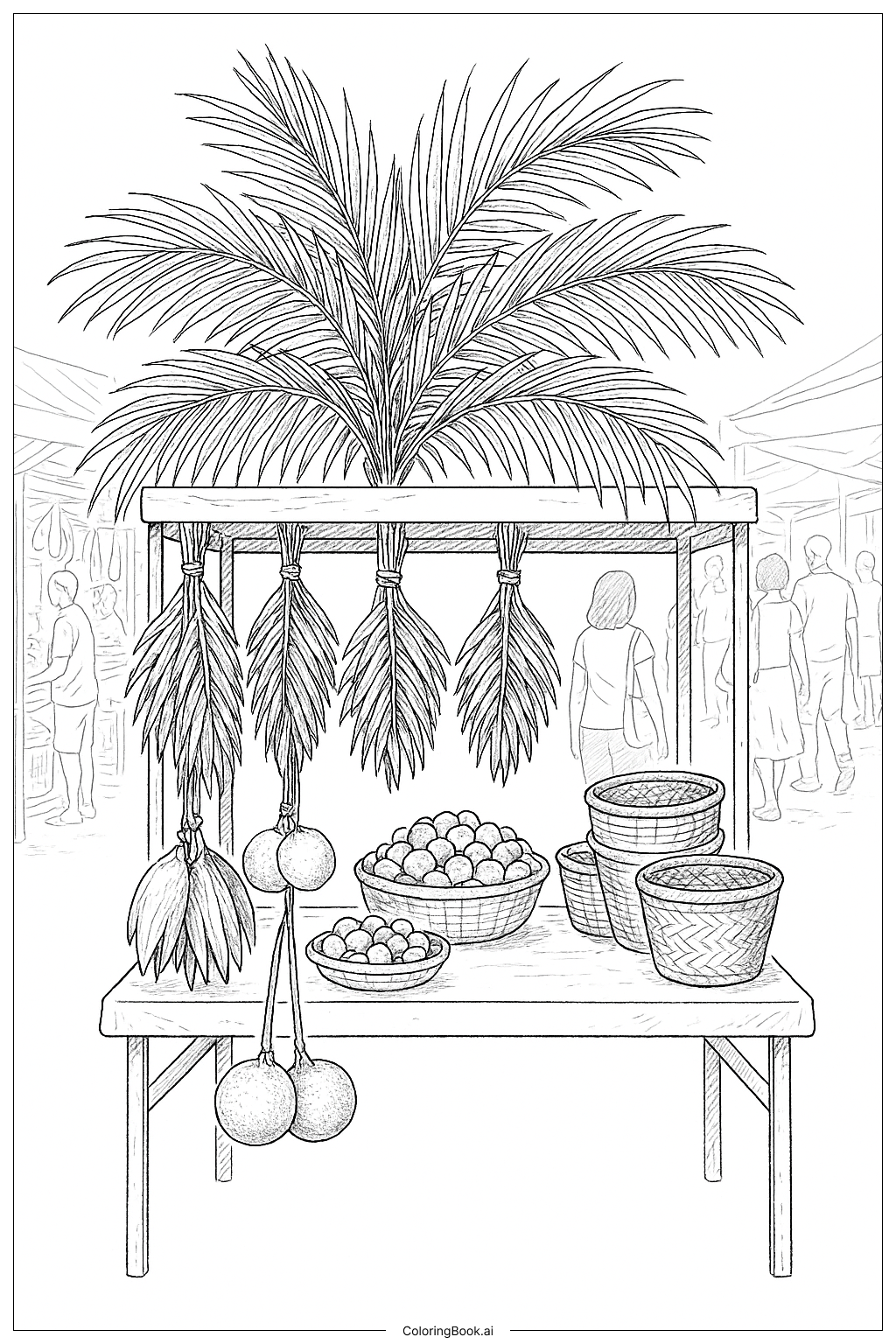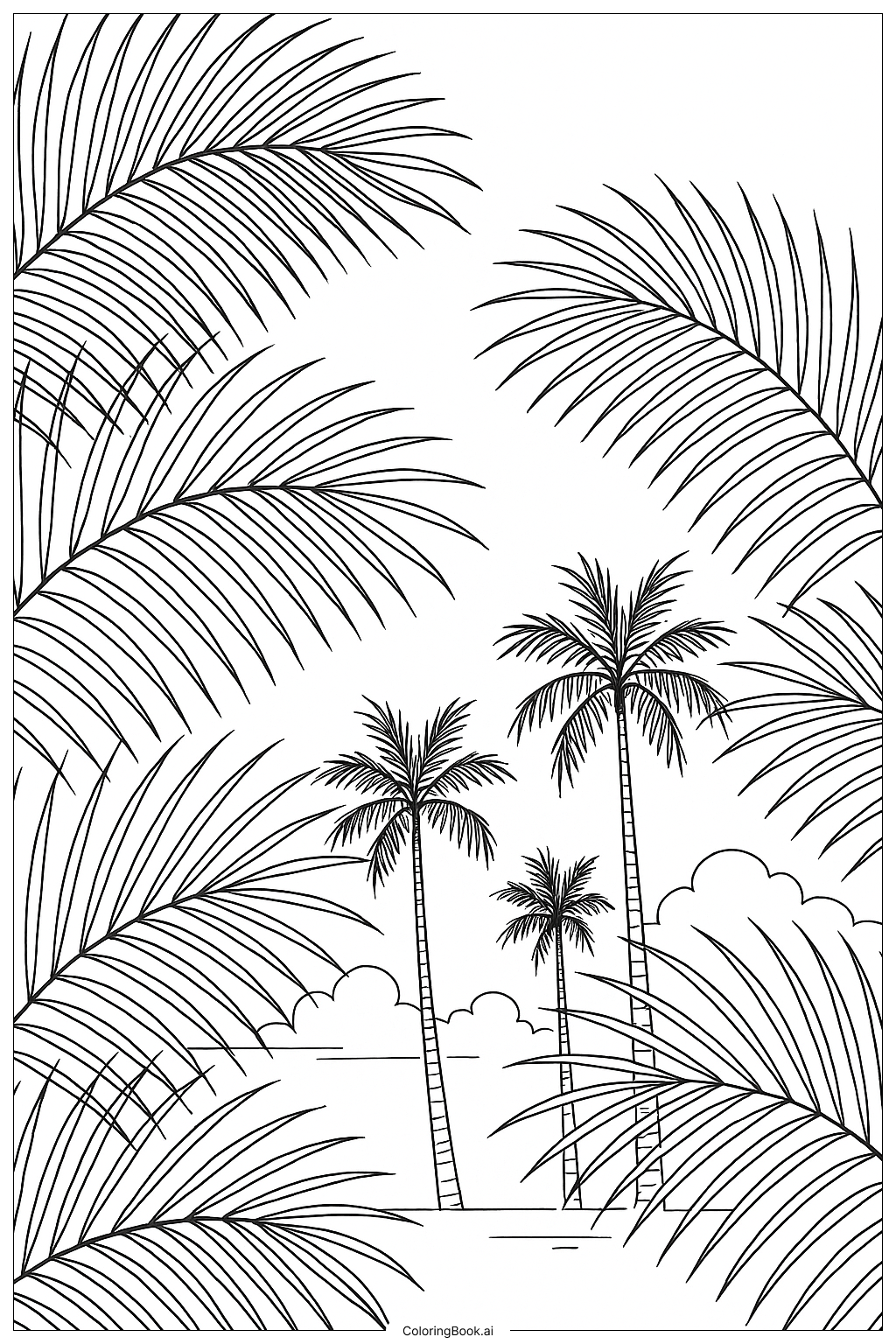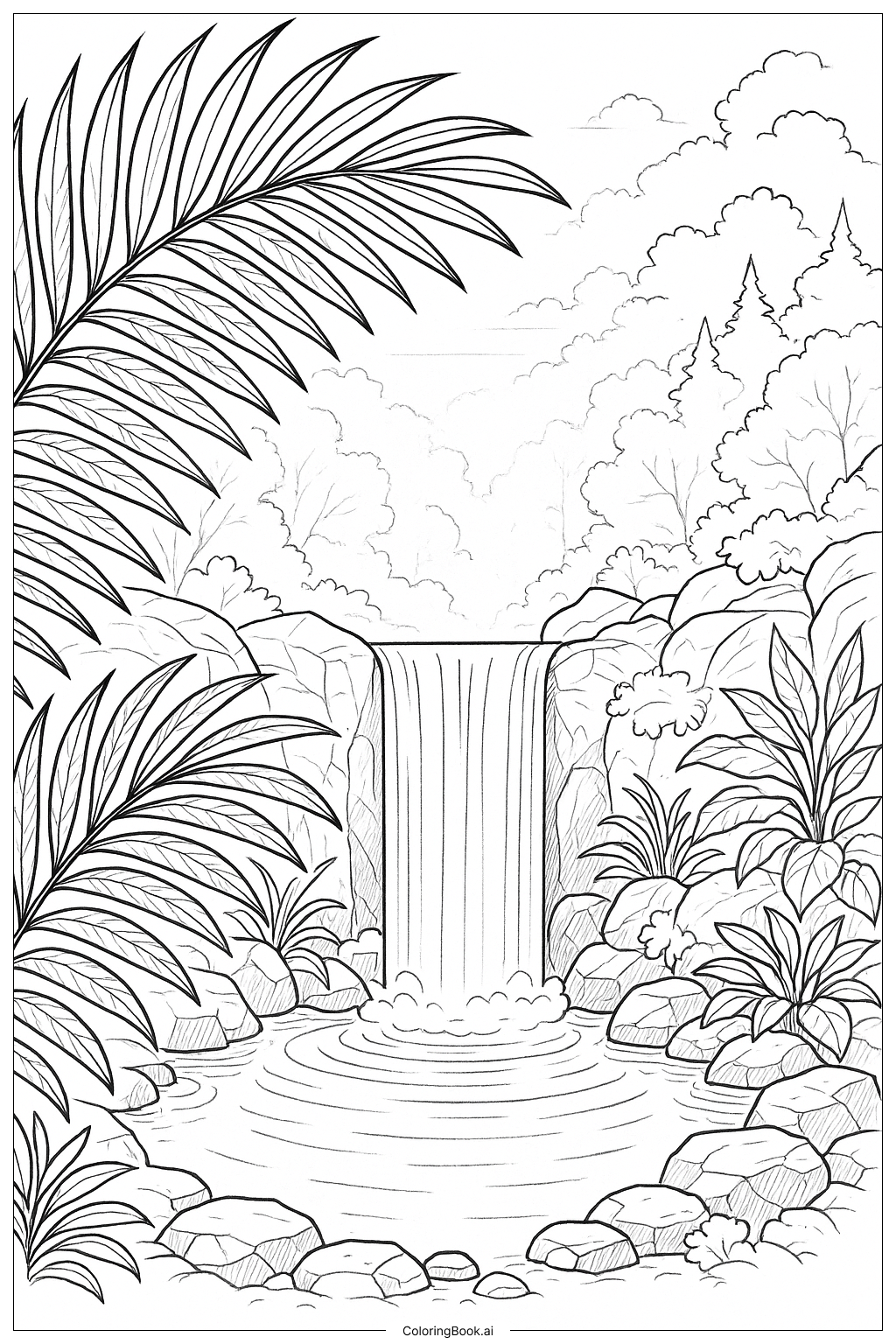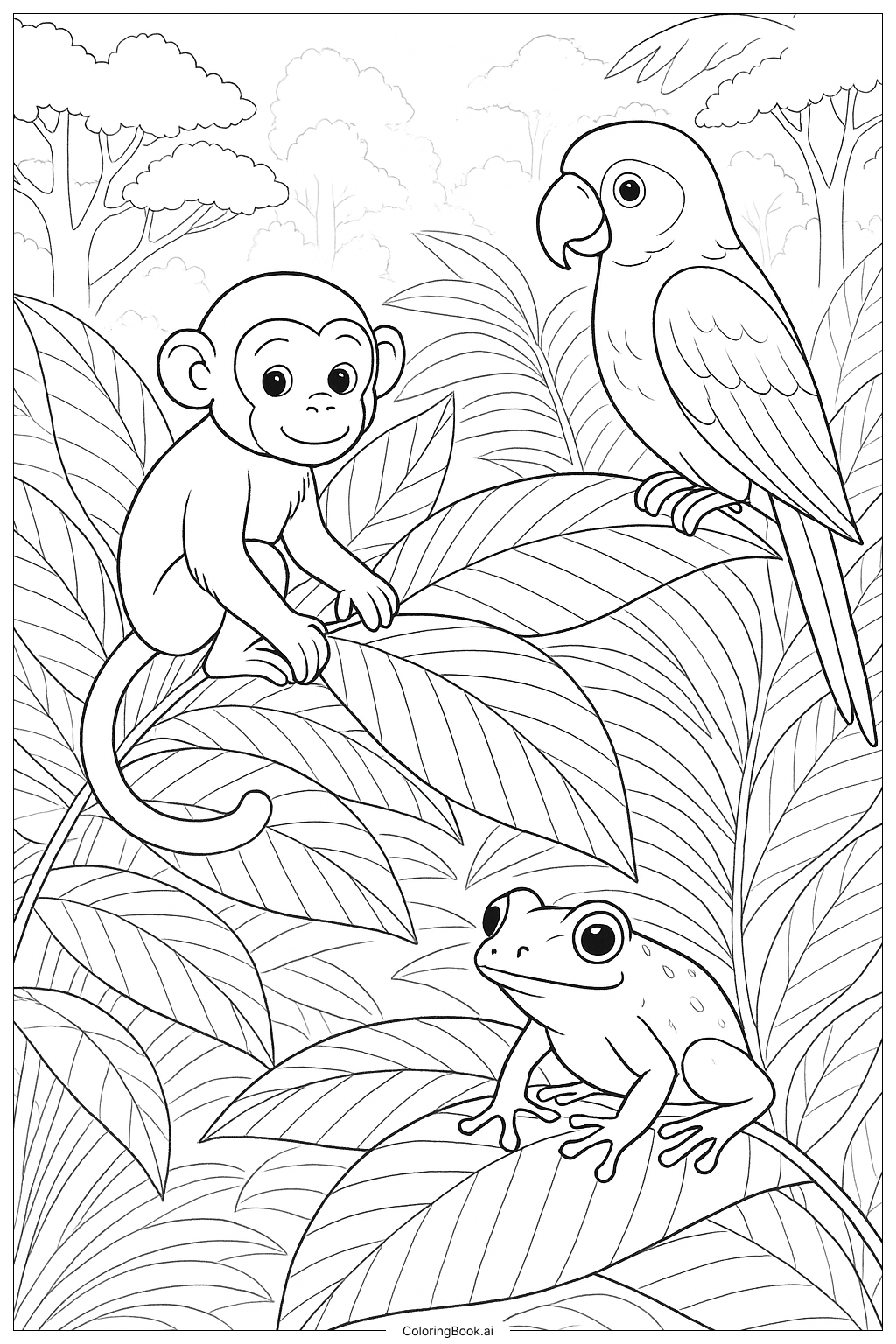
Coloring tips: How to color Simple Palm Leaf coloring page well?
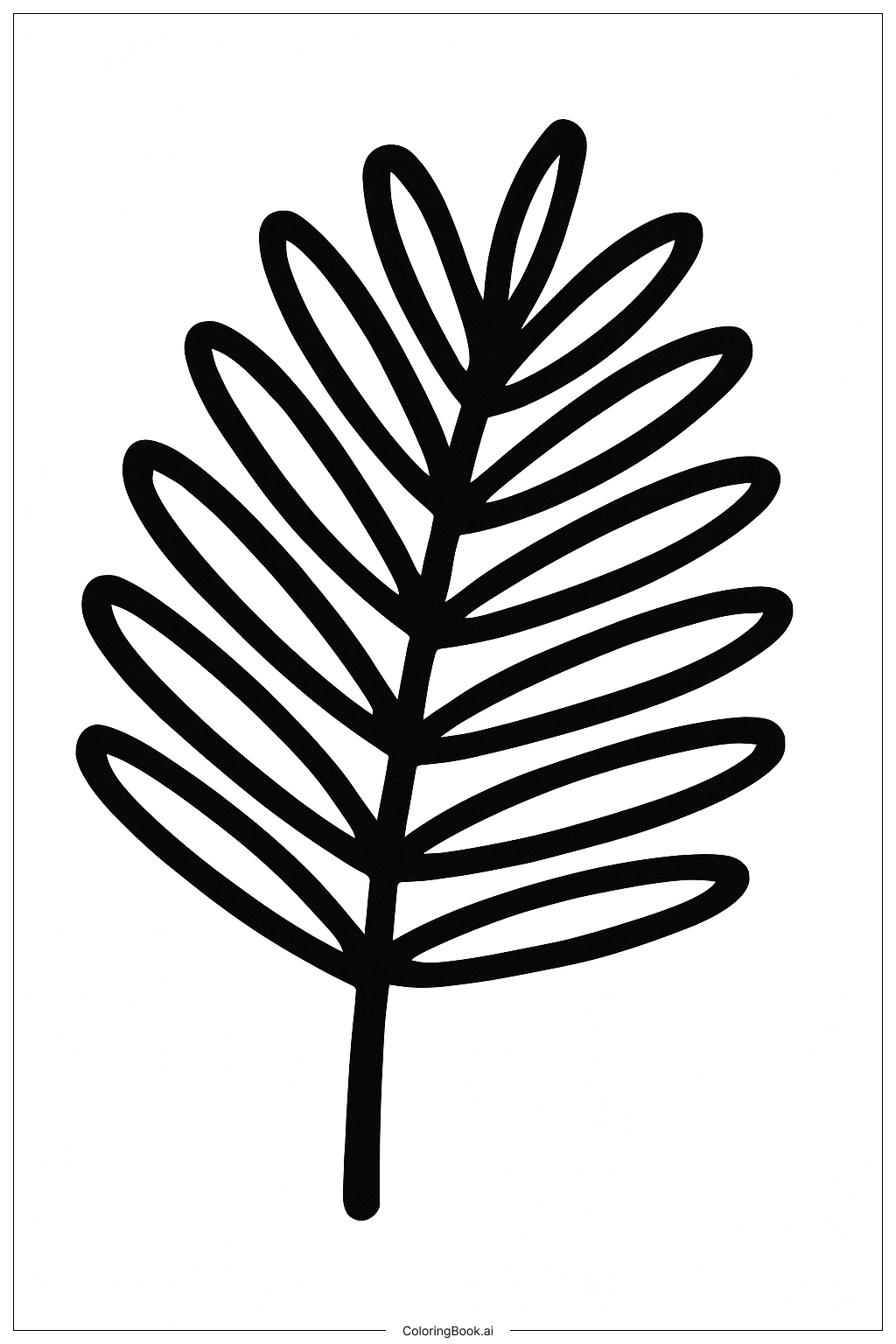
Start with the central stem. Use a medium brown or dark tan to give it a natural, woody look. Then move outward to the leaflets. Shading from light yellow-green at the tips to a deeper green near the stem creates a realistic, lively effect. You can also try a bright lime green all over for a fun, bold look. If you want something more creative, mix in some teal or blue-green tones. Young colorists can keep it simple with a single shade of green. Older kids can try blending two or three greens to add depth. Leave the very tips slightly lighter to show how sunlight hits the end of each leaflet. Do not worry about staying perfectly inside every line. The simple shapes make this leaf forgiving and fun to color at your own pace.
Coloring challenges: Which parts are difficult to color and need attention for Simple Palm Leaf coloring page?
• Staying Inside the Narrow Leaflets: Each leaflet along the central stem is long and thin. Coloring neatly inside these slim shapes can be tricky, especially near the pointed tips. Young colorists or beginners may find it helpful to use a sharpened colored pencil or a fine-tipped marker to stay within the lines more easily.
• Keeping Colors Consistent Across Both Sides: The leaflets appear on both the left and right sides of the stem. Maintaining the same color tone or shade on both sides takes patience and attention. If one side looks darker or lighter than the other, the leaf may look unbalanced.
• Blending Along the Central Stem: The stem runs from the base all the way to the top of the leaf. Applying a smooth, even color without streaks or gaps along this long shape can be a challenge, particularly when switching between two colors or trying to blend a gradient effect.
• Avoiding Color Bleed Between Leaflets: Because the leaflets are packed closely together, it is easy for one color to accidentally overlap into a neighboring leaflet. Using a lighter touch and working slowly from the outer edge inward helps prevent unwanted smudges or color mixing between sections.
• Choosing a Realistic Color Palette: Picking the right shades of green that look natural together can feel overwhelming with so many color options available. Starting with just two or three shades, such as light green, mid green, and a hint of yellow, keeps the final result looking fresh and harmonious without becoming too complicated.
Benefits of coloring books: Advantages of drawing Simple Palm Leaf coloring page
Coloring this Simple Palm Leaf page offers a wide range of benefits for kids and adults alike. The clean, open shapes help young children practice holding a crayon or colored pencil correctly, building hand strength and fine motor control. Following the outlines carefully trains the eyes and hands to work together, sharpening hand-eye coordination over time.
Because the design is calm and nature-inspired, working on this page encourages a relaxed, focused mindset. Sitting quietly and filling in each leaflet one by one is a great way for kids to practice patience and concentration. It also sparks curiosity about the natural world and tropical plants.
For older children and adults, the challenge of blending greens and shading the stem introduces basic color theory in a playful, stress-free way. Experimenting with light and shadow builds artistic confidence. Completing the page gives colorists of all ages a real sense of achievement and pride in their finished work. It is a simple, joyful activity that supports creativity, focus, and calm every time you pick up a pencil.