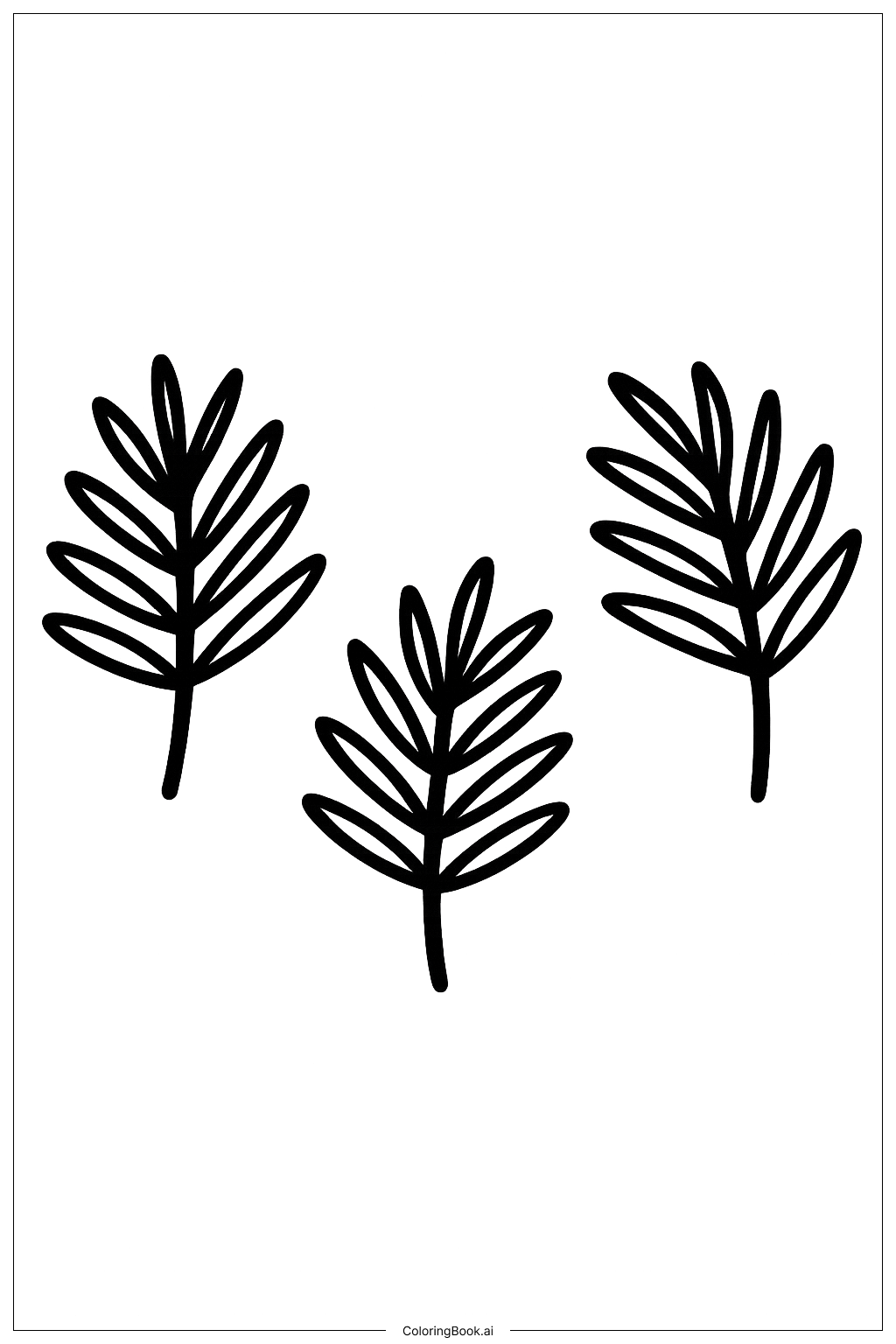
Coloring tips: How to color Palm Leaf Small Set coloring page well?
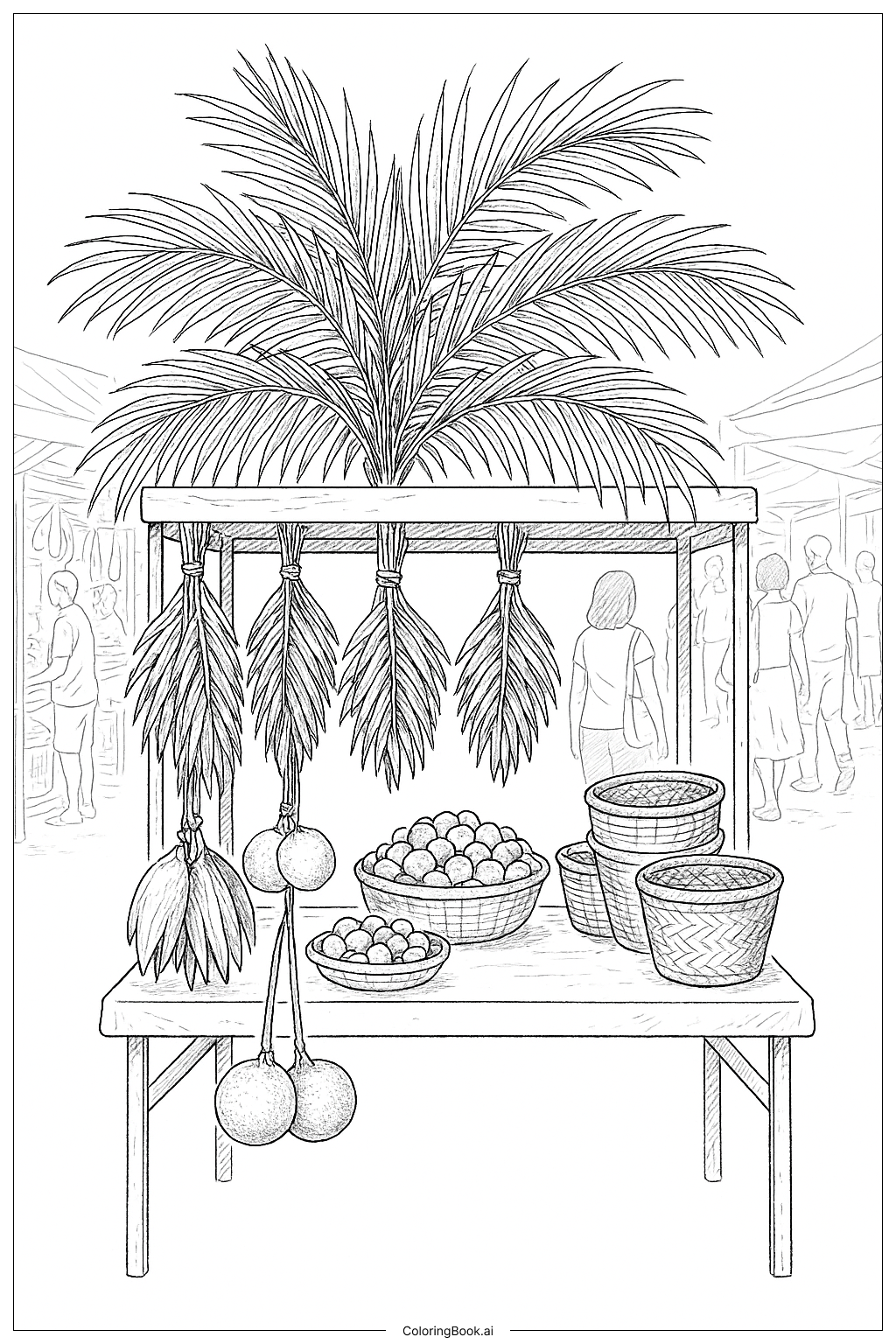
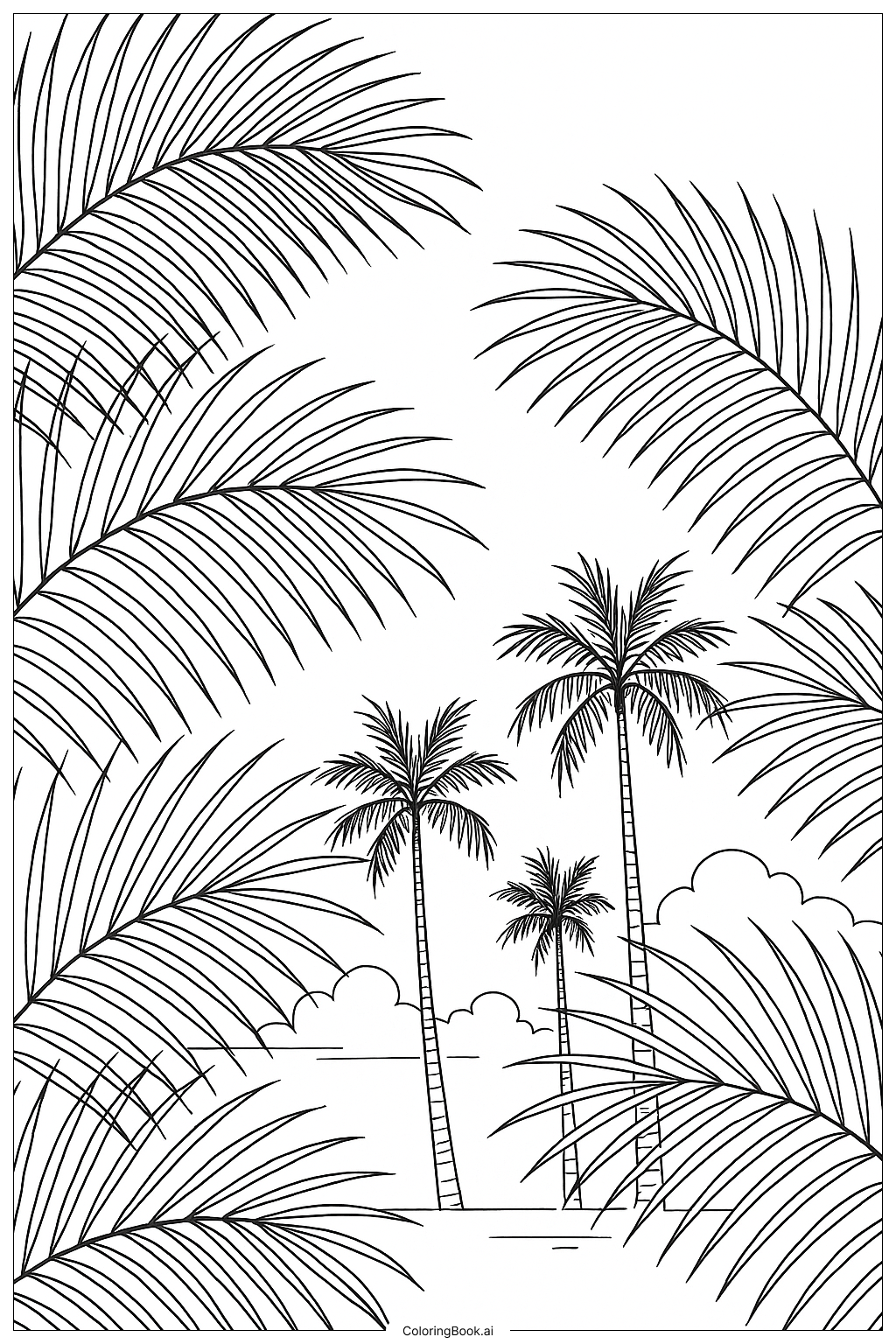
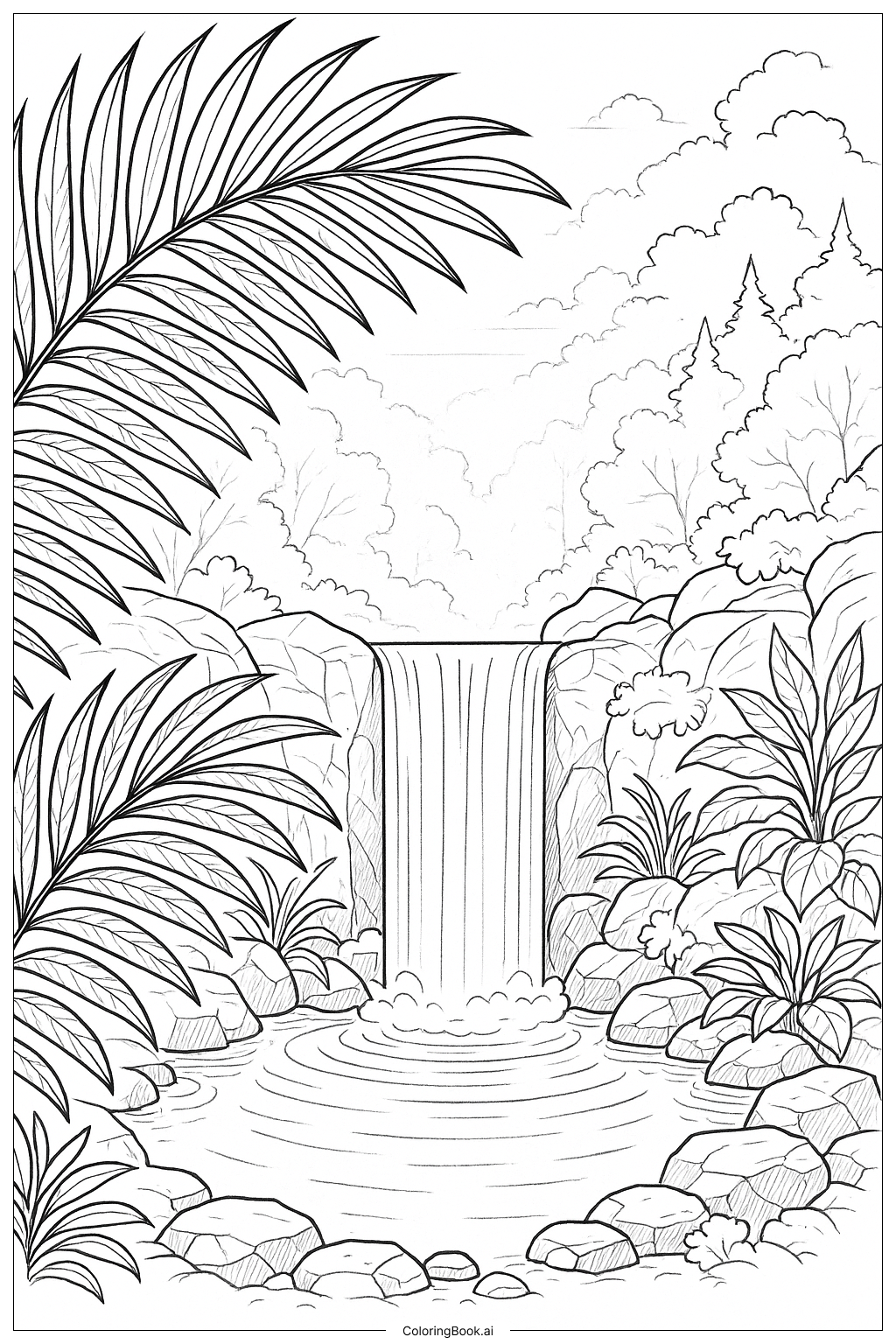
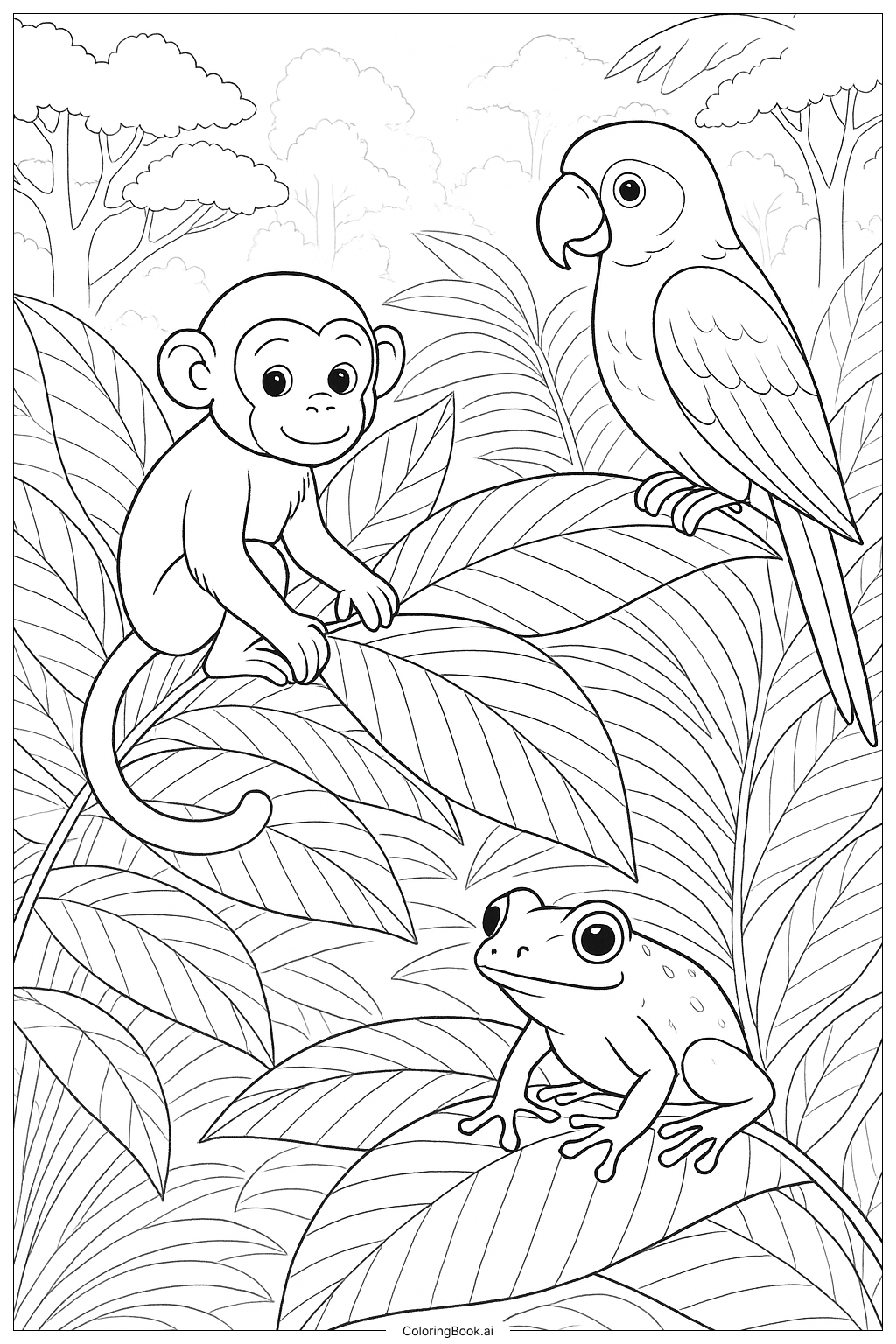
Try using different shades of green to bring these palm leaves to life. You might color some leaves with bright, fresh green for a young look, and others with deeper, darker green to show older leaves. You can also add hints of yellow or brown along the edges to create a natural, sun-kissed effect. Feel free to experiment with blending colors lightly for smooth transitions. If you want, you could imagine colorful sunsets or tropical backgrounds and add soft orange, pink, or blue tones around the leaves. Using colored pencils or crayons works well for this detailed but simple set.
Coloring challenges: Which parts are difficult to color and need attention for Palm Leaf Small Set coloring page?
• Leaf Segments: Each palm leaf has many narrow segments that are close together. Staying inside the lines between these thin parts can be tricky, especially for younger children. • Uniform Color Choice: Because the leaves look quite similar, it can be challenging to choose colors that make each leaf unique without repeating the exact same shade. • Small Details: The slim shapes require careful coloring to avoid overlapping or going outside the lines, which needs good control and patience. • Creating Depth: To make the leaves appear more lifelike, you may want to add shadows and highlights. Knowing where to place darker and lighter colors can be difficult. • Simple Composition: The straightforward arrangement means you must be creative with color variety and blending to keep the image interesting and dynamic.
Benefits of coloring books: Advantages of drawing Palm Leaf Small Set coloring page
Coloring this palm leaf set helps improve fine motor skills because it requires careful coloring within narrow leaf segments. The repetitive shapes also encourage attention to detail and patience. Working on blending different shades of green can boost understanding of color gradation and how light affects objects. Additionally, this image invites creative thinking by allowing you to imagine tropical or natural settings, helping develop artistic expression. For children aged 4–16, coloring these palm leaves can also introduce basic botanical awareness and appreciation of plant forms in nature.