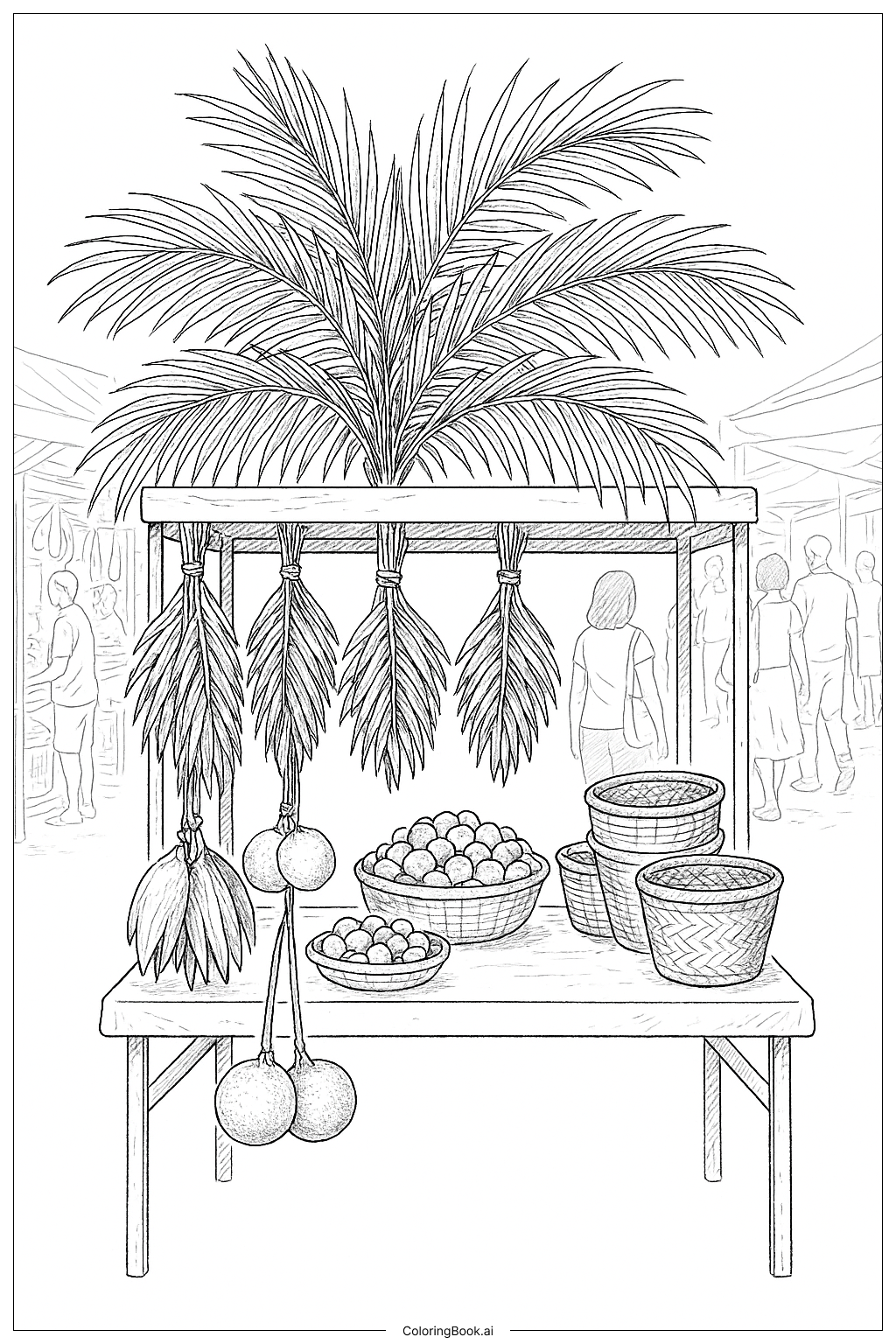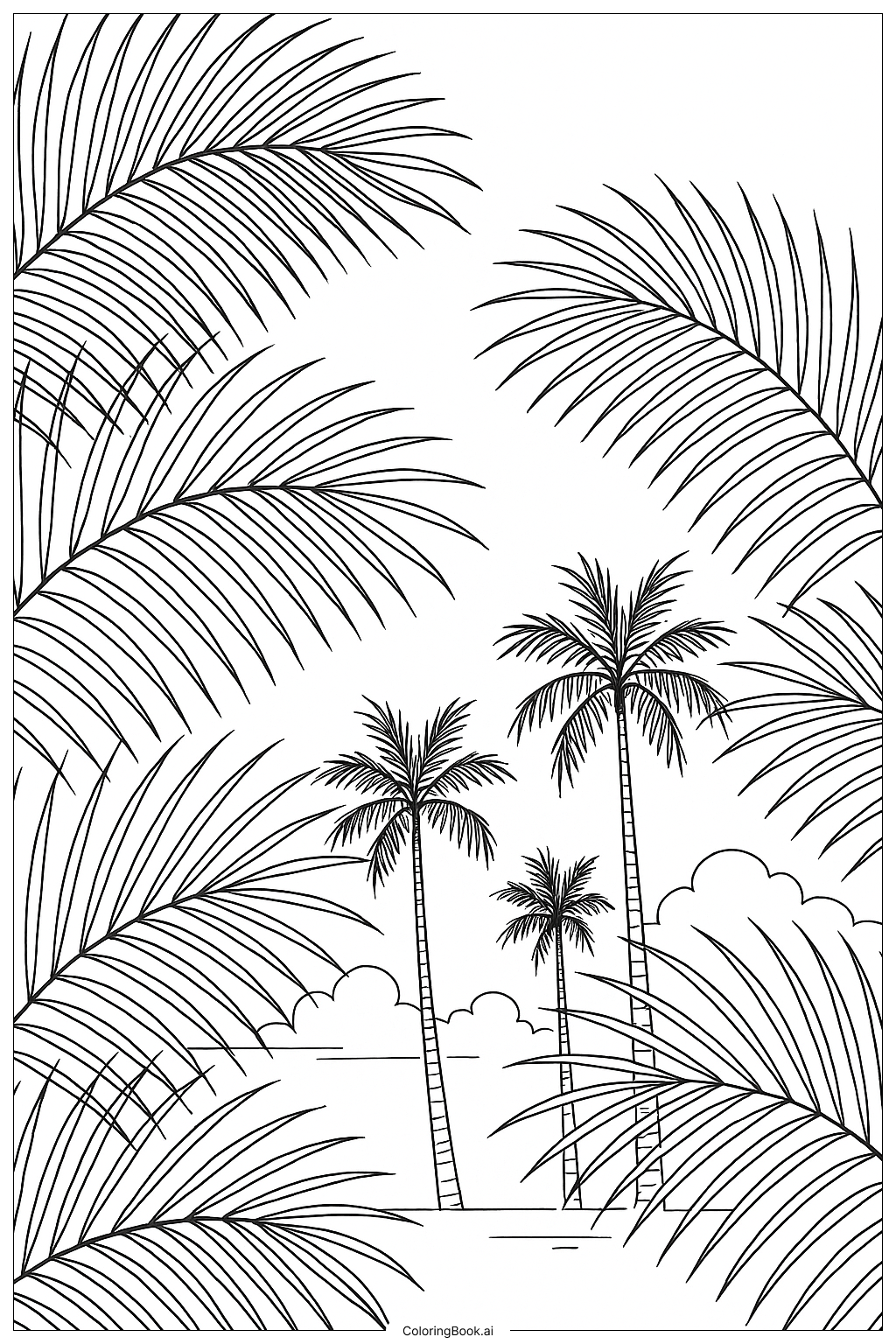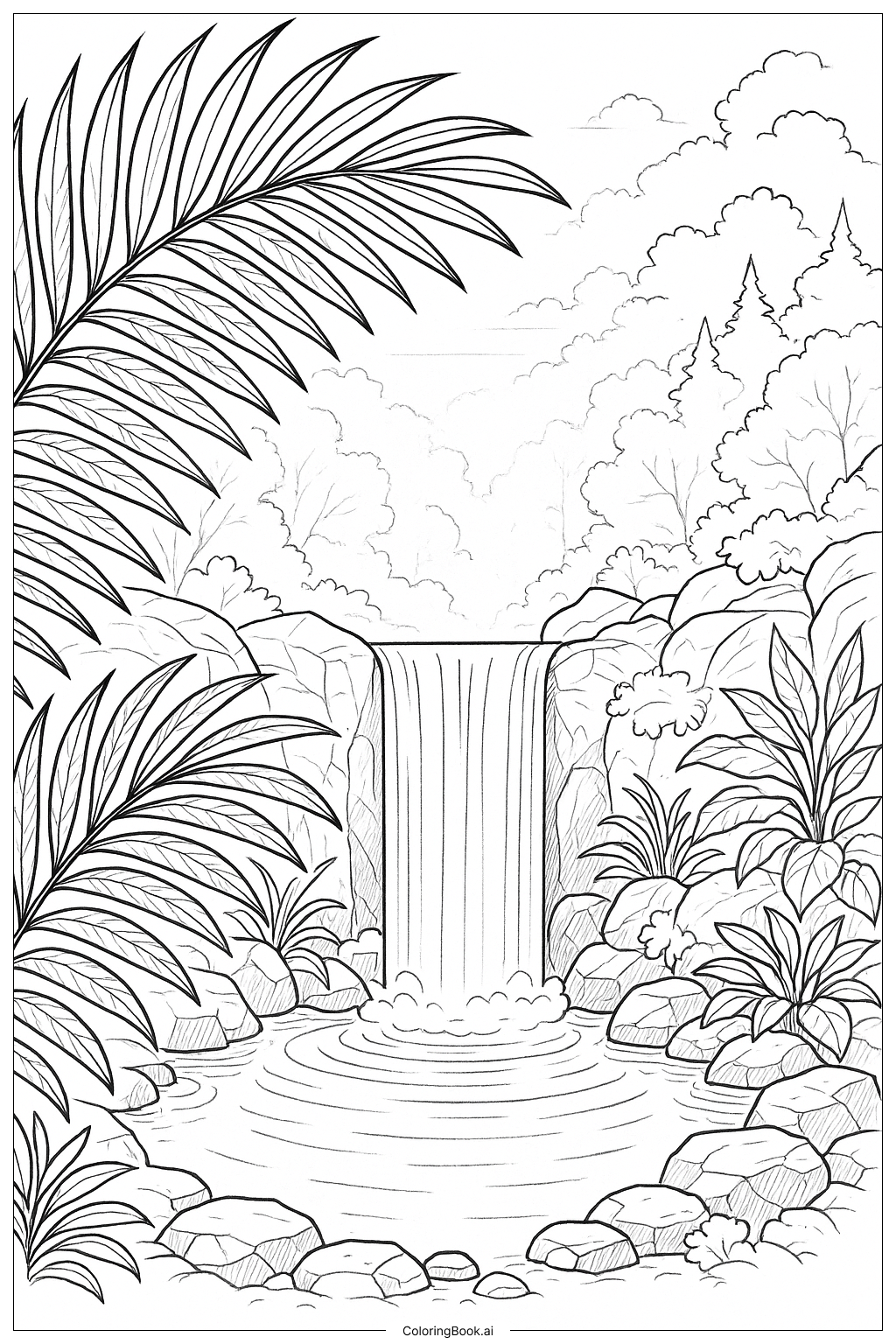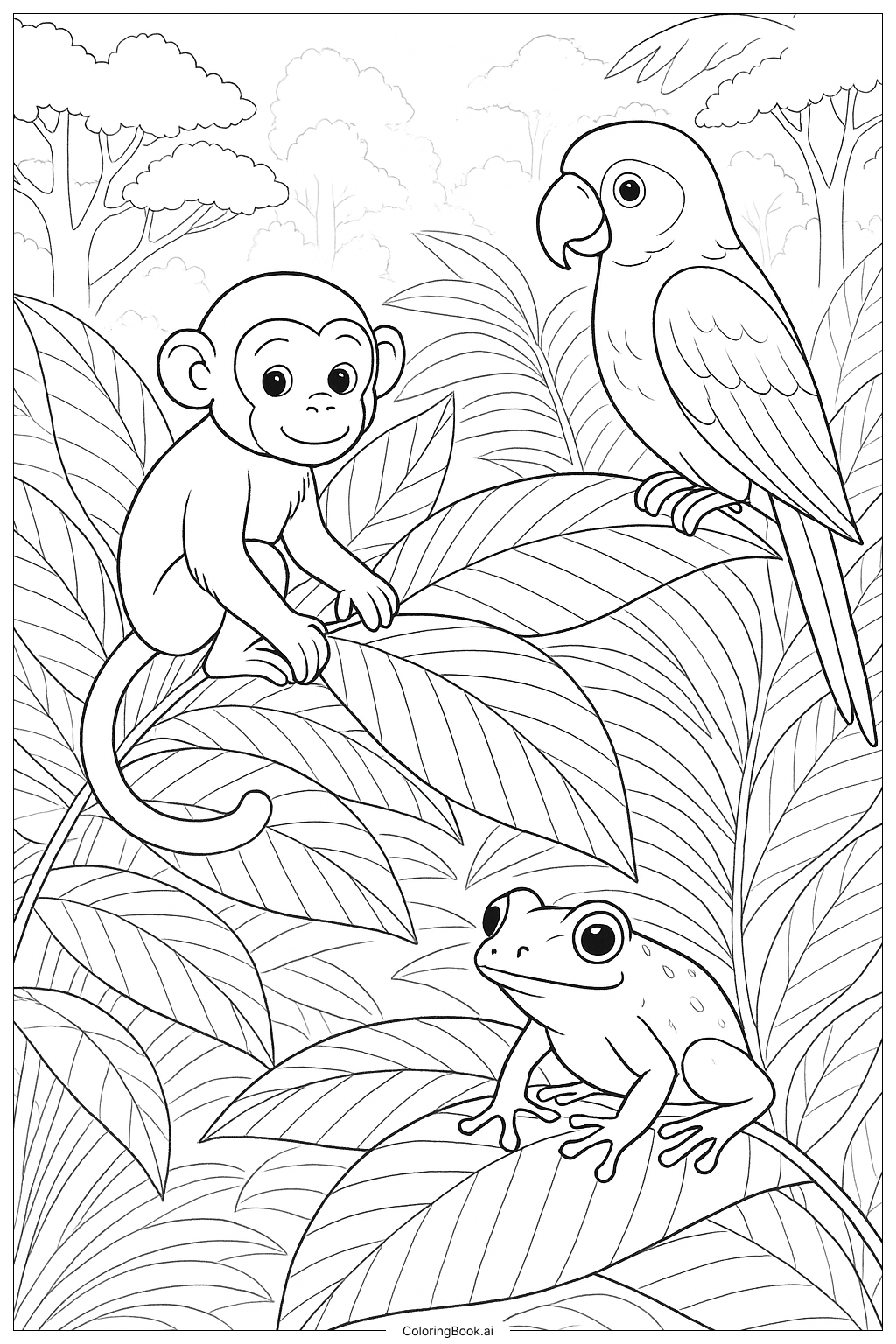
Coloring tips: How to color Palm Leaf Single Big coloring page well?
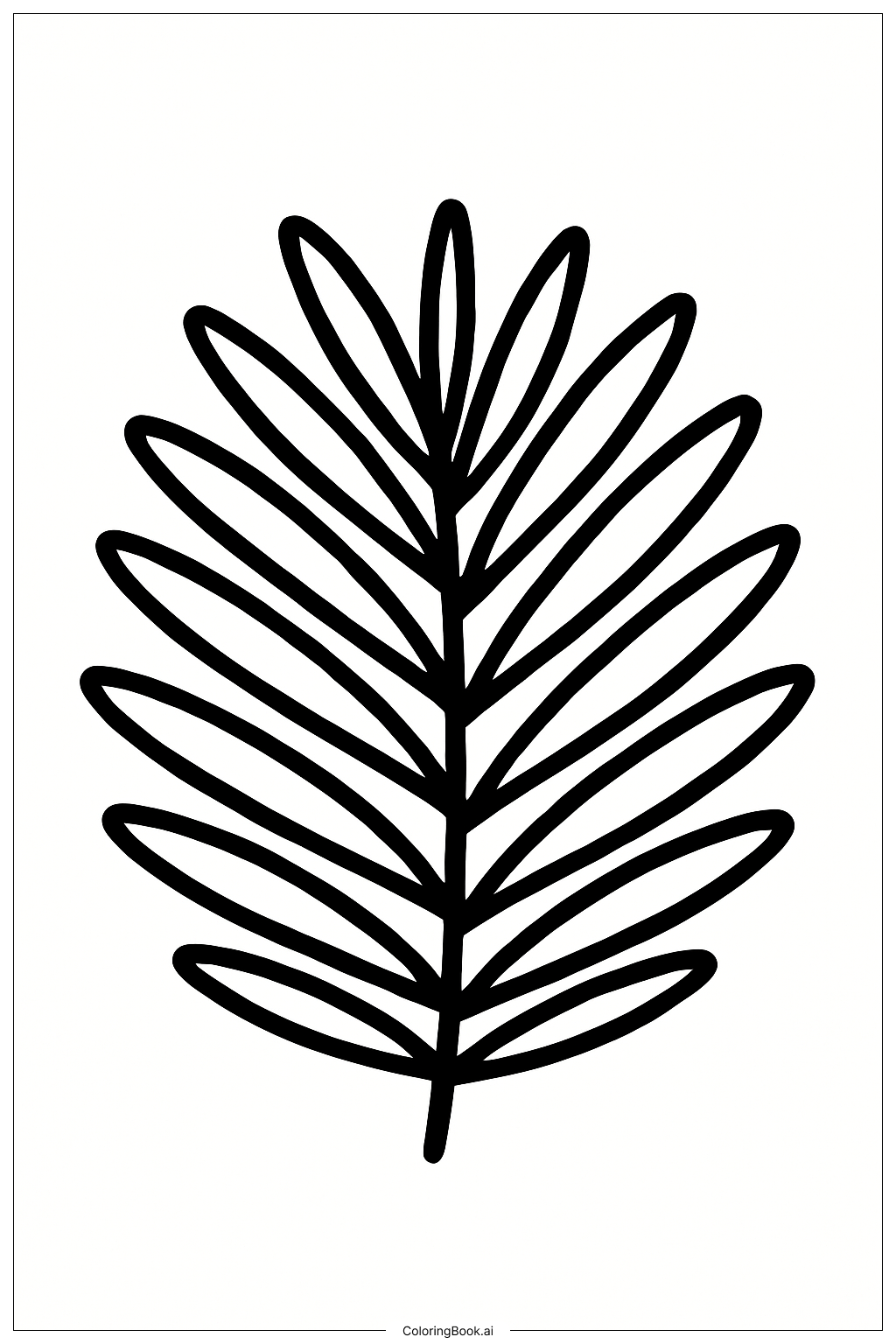
Start by choosing a base green for the leaflets. Bright green works great for a fresh tropical look. You can also try yellow-green for a sunlit feel. Use a darker green along the edges of each leaflet to add depth and shadow. The midrib and stem can be colored in a warm olive green or tan brown to show they are stronger and woodier than the soft leaflets. Try adding light strokes of yellow along the center of some leaflets to mimic sunlight hitting the leaf. For a fun and creative twist, kids can try coloring the leaf in cool blues and purples for a fantasy style. Blend colors gently where they meet to make the leaf look smooth and natural. Take your time with each leaflet — there are many of them, and giving each one a little care makes the whole page look amazing.
Coloring challenges: Which parts are difficult to color and need attention for Palm Leaf Single Big coloring page?
• Leaflet Count and Repetition: The palm leaf has a large number of long, narrow leaflets spreading out from the central midrib. Coloring each one neatly without going over the lines takes patience and a steady hand. Young colorists may feel the repetition is tiring, so taking short breaks between sections can help keep the work enjoyable and precise.
• Staying Within Narrow Lines: Each leaflet is long and slender, leaving very little space inside the lines. Using a fine-tipped coloring tool is important here. Thick crayons or markers may be too wide and cause color to spill outside the lines easily. Colored pencils with sharp tips are the best choice for this kind of detail work.
• Creating Depth and Dimension: A flat single color can make the leaf look dull. The challenge is blending two or more shades of green to make the leaf look three-dimensional and realistic. Adding darker tones near the edges and lighter tones near the center of each leaflet helps create the illusion of light and shadow, but this technique requires some color blending skill.
• Midrib and Stem Distinction: The central midrib and stem are structurally different from the soft leaflets. Colorists need to choose a noticeably different color or tone for these parts so they stand out clearly. Without this contrast, the leaf can look flat and hard to read visually.
• Consistent Color Throughout: With so many leaflets to color, keeping the color consistent from top to bottom of the leaf can be tricky. Colors may shift in pressure or tone as the hand tires. Practicing even pressure while coloring helps maintain a uniform and polished final result.
Benefits of coloring books: Advantages of drawing Palm Leaf Single Big coloring page
Coloring this large palm leaf page offers many wonderful benefits for kids and beginners alike. The long, flowing lines of the leaflets are great for practicing controlled hand movements, which helps build fine motor skills over time. Staying carefully within the narrow leaflet shapes trains hand-eye coordination and teaches patience — both skills that are useful far beyond the coloring page.
Because the leaf has so many repeated leaflet shapes, colorists get lots of practice making consistent choices and developing their own color sense. This builds artistic confidence. Choosing colors, blending shades of green, and deciding how to show light and shadow also encourages creative thinking and problem-solving.
The tropical theme of the palm leaf connects colorists to nature. It can spark curiosity about plants, tropical environments, and the natural world. For younger children, it is a gentle and fun way to learn about how leaves are structured.
Completing a detailed page like this also gives a strong sense of achievement. Finishing something that takes focus and effort feels rewarding. It teaches kids to stick with a task and see it through to the end. Overall, this coloring page is a calming, enriching, and educational activity that makes learning through art truly enjoyable.