Coloring tips: How to color Palm Leaf Pair coloring page well?
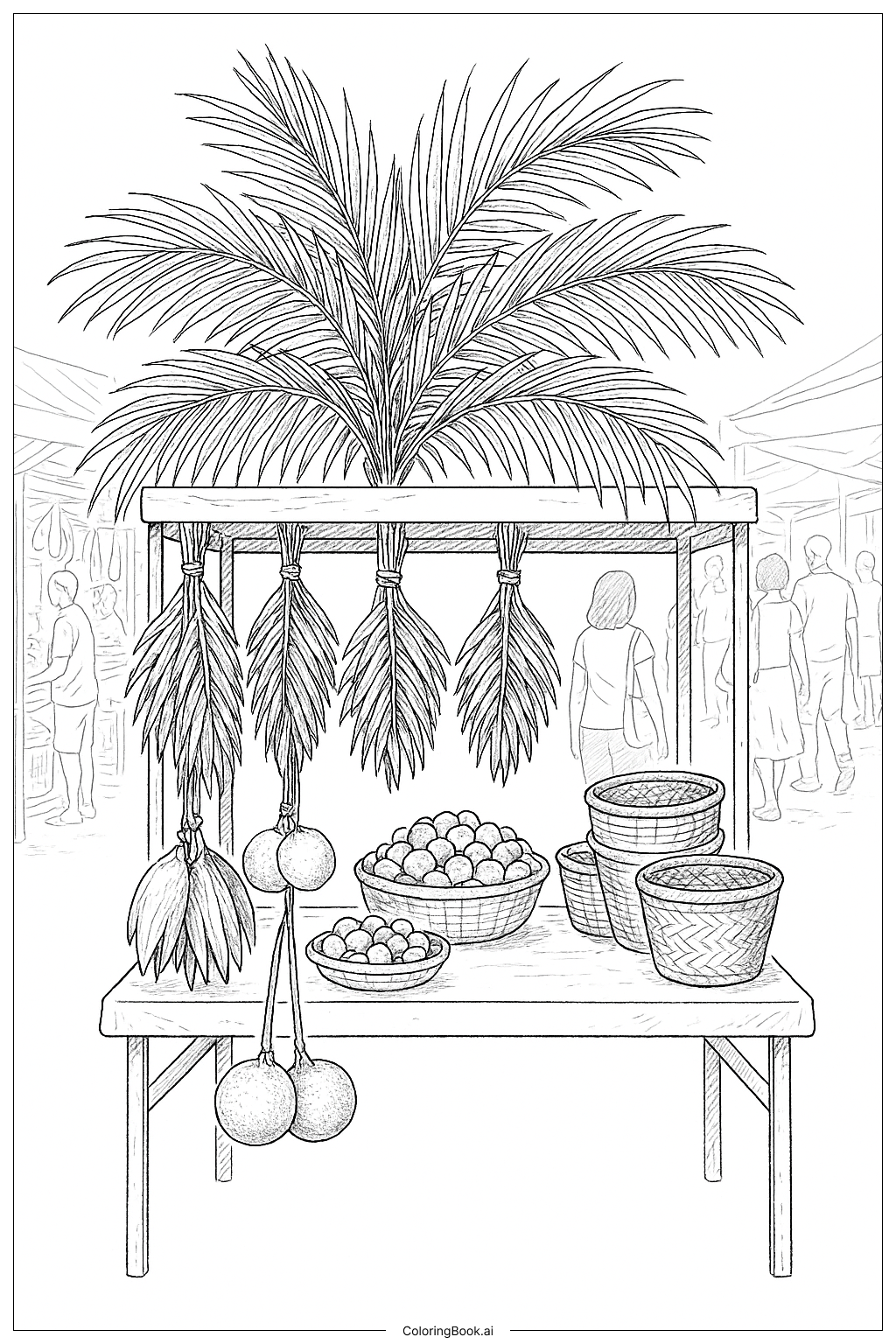
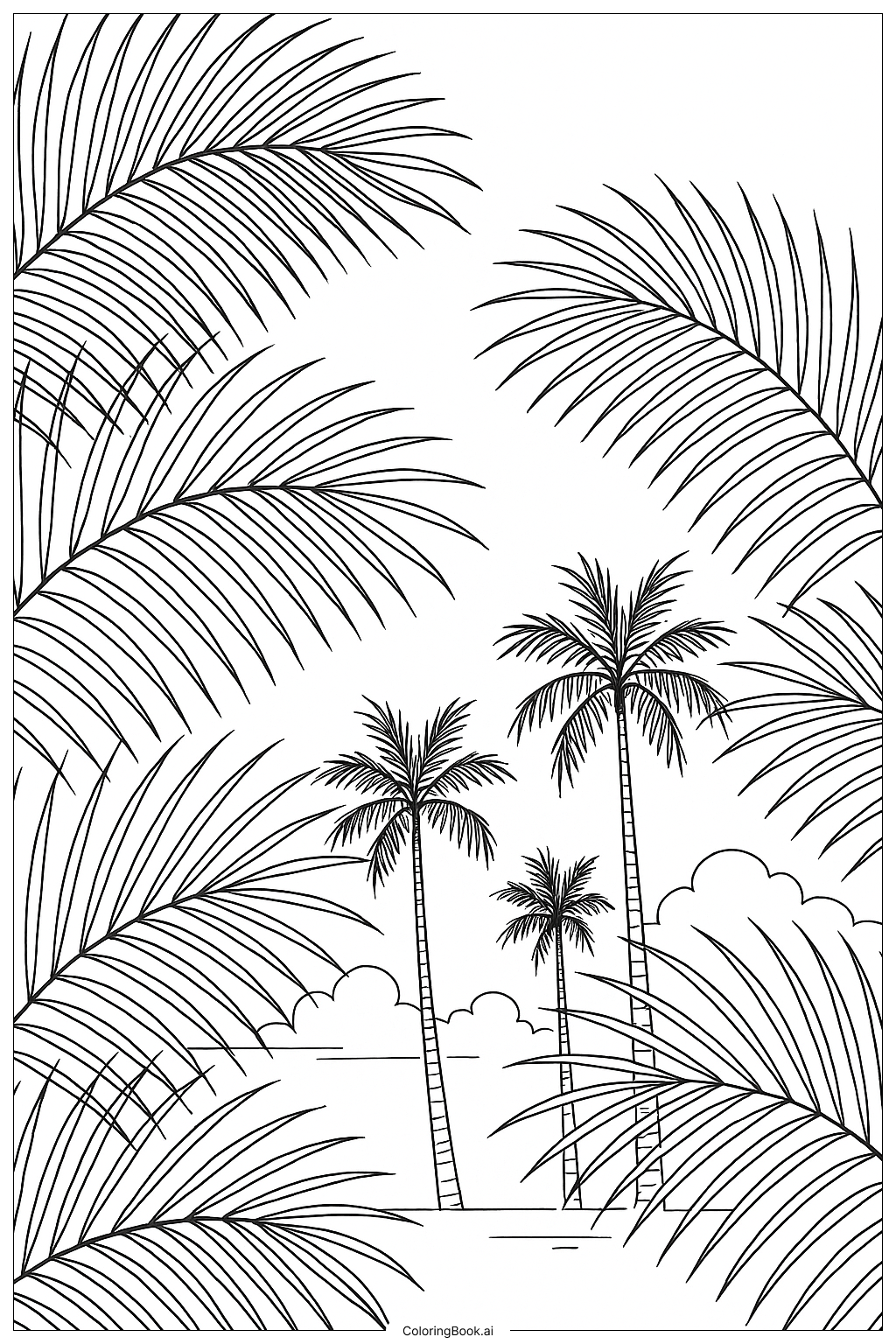
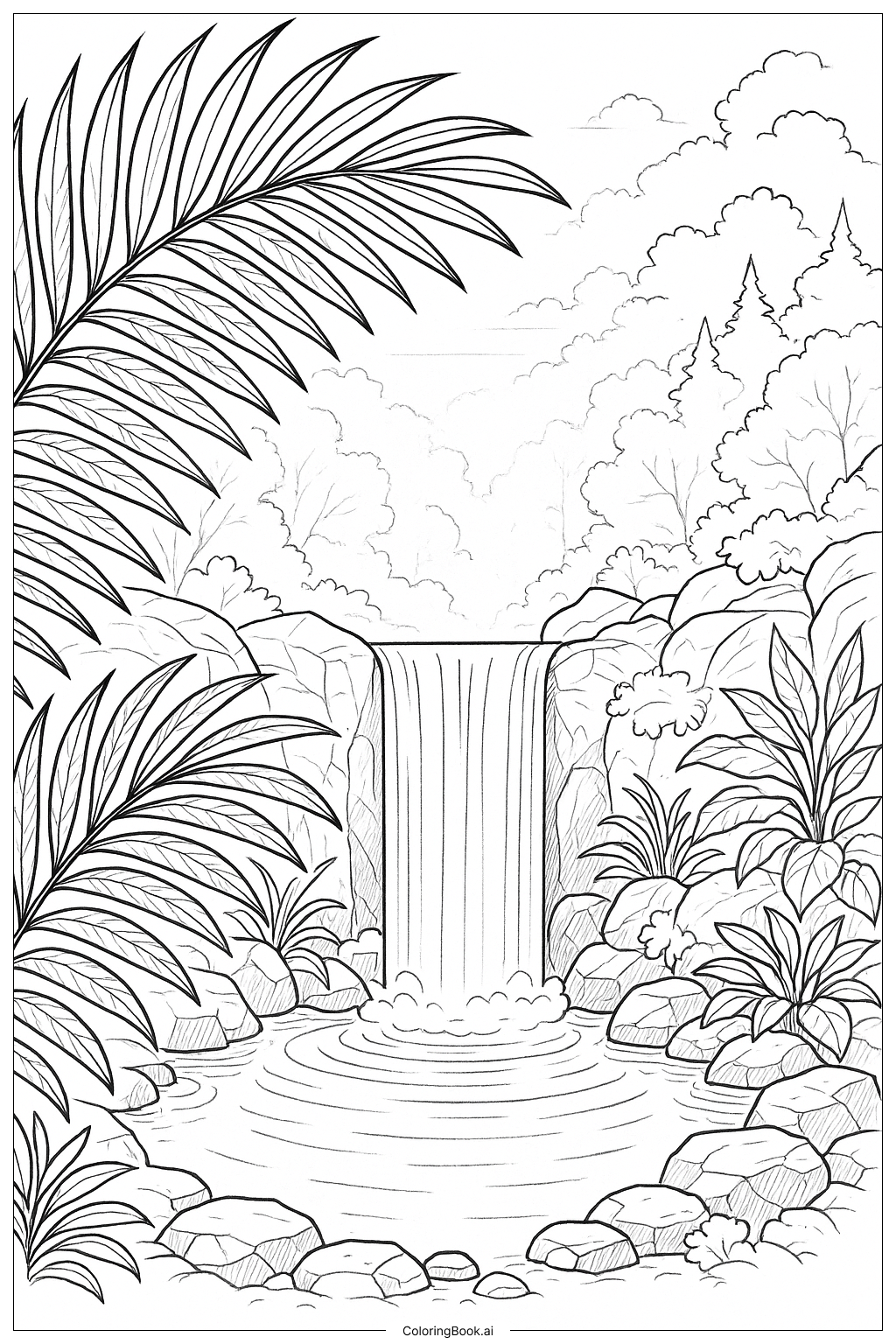
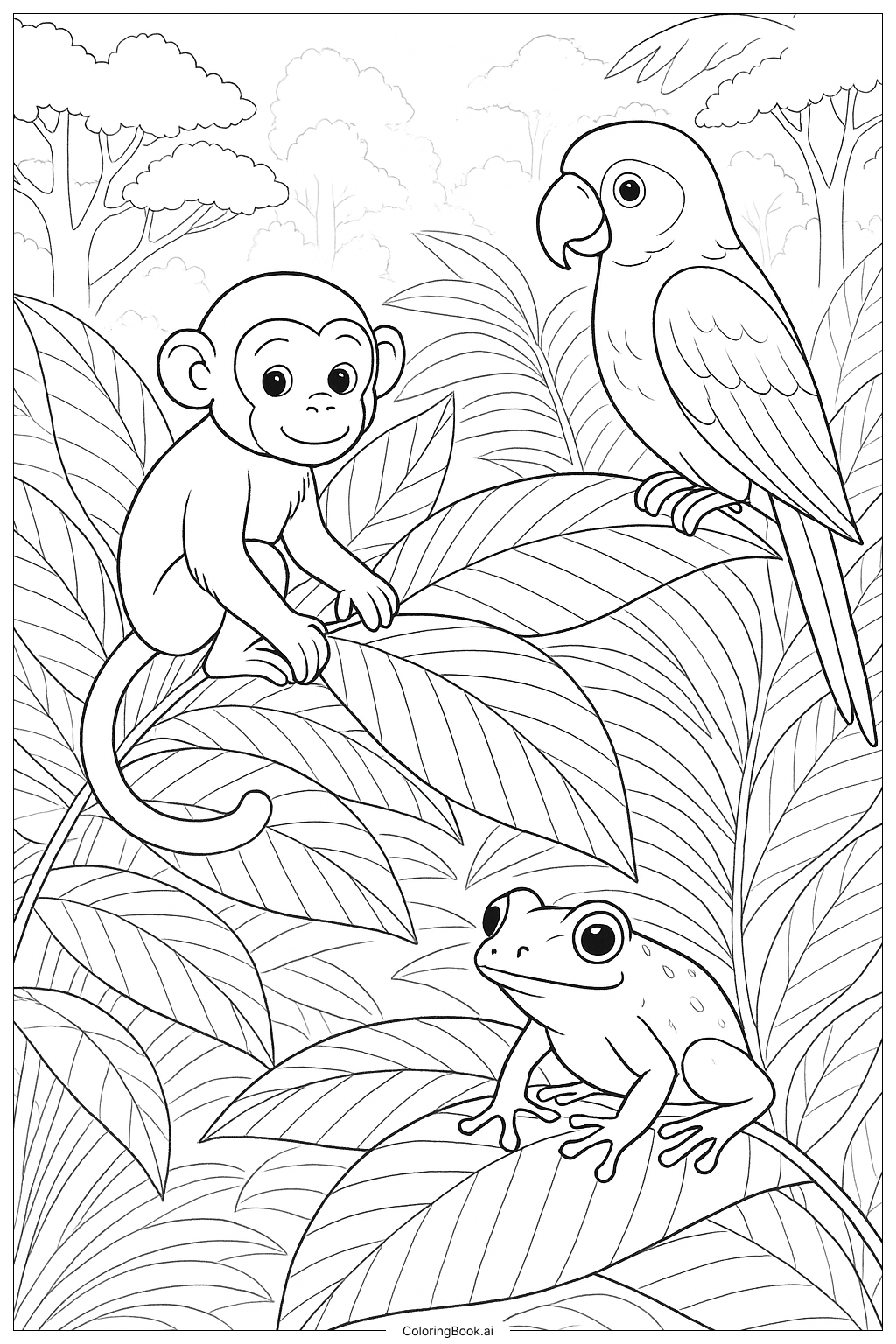
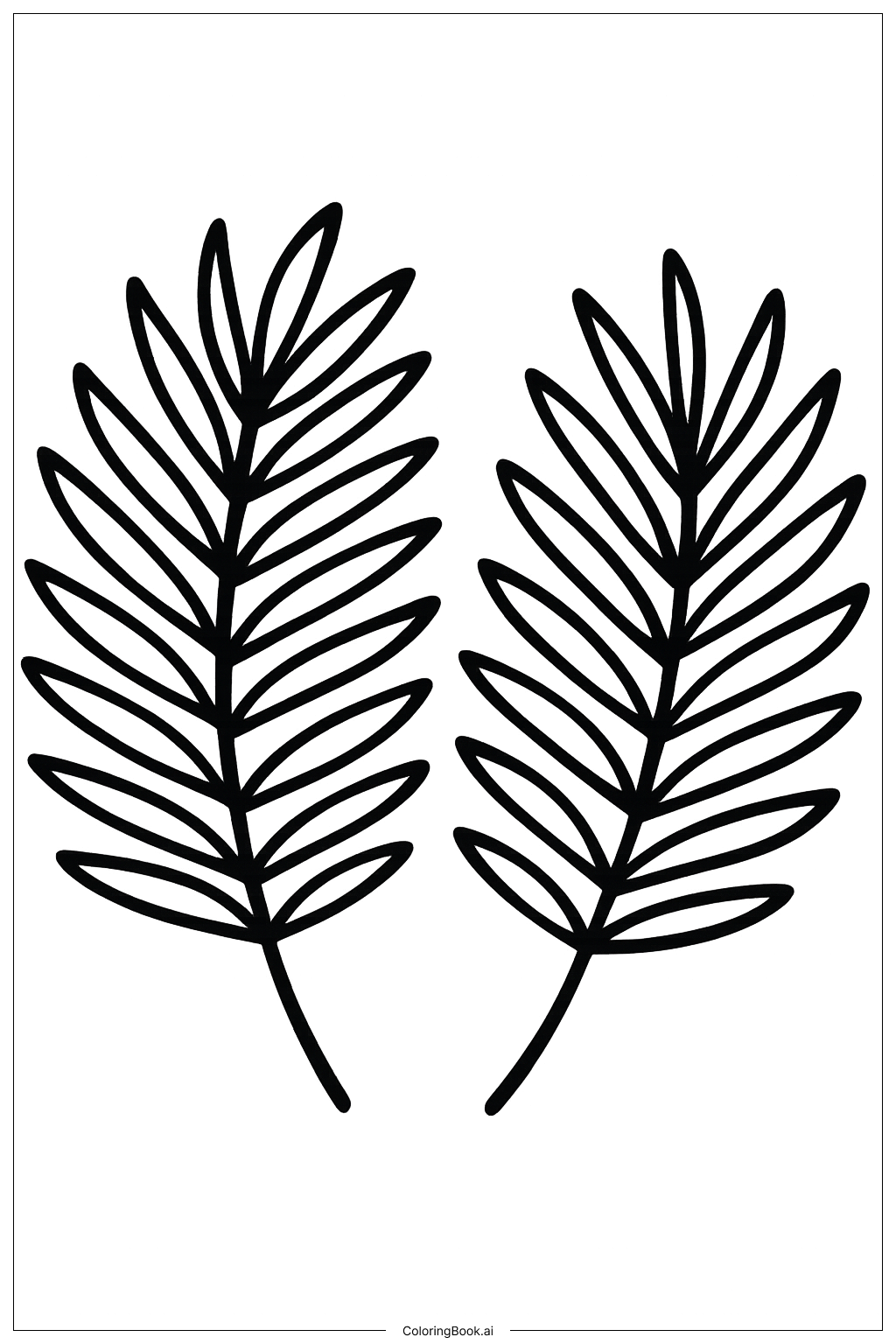
Try using different shades of green to make the leaves look realistic. You can use light green for new leaves and darker green for older ones. Adding yellow or brown shades lightly can show the leaf edges or spots. For a fun twist, use bright colors like blue, purple, or red to make your palm leaves stand out. Use crayons or colored pencils for smooth coloring along the leaflets. Stay inside the lines to keep the design neat. You can also blend colors gently to add depth and make the leaves look more three-dimensional.
Coloring challenges: Which parts are difficult to color and need attention for Palm Leaf Pair coloring page?
1. Staying Inside the Lines: The leaflets are long and narrow, which makes it tricky to color neatly inside the lines.
2. Small Spaces: Some areas between leaflets are small and need careful coloring to avoid mistakes.
3. Color Blending: Creating a natural look means blending different green shades, which can be hard for beginners.
4. Symmetry: Since there are two similar palm leaves side by side, making both look balanced can be challenging.
5. Keeping Even Color: It takes patience to color evenly across all leaflets without leaving gaps or patches.
Benefits of coloring books: Advantages of drawing Palm Leaf Pair coloring page
Coloring this palm leaf pair helps improve hand-eye coordination and fine motor skills. It encourages children to focus and take their time to color neatly. By choosing different colors and blending them, kids learn about color theory and creativity. The design also introduces children to the beauty of nature and tropical plants. Coloring calm, repetitive shapes like leaves can be relaxing and a good way to practice mindfulness.