Coloring tips: How to color Palm Leaf Lanterns coloring page well?
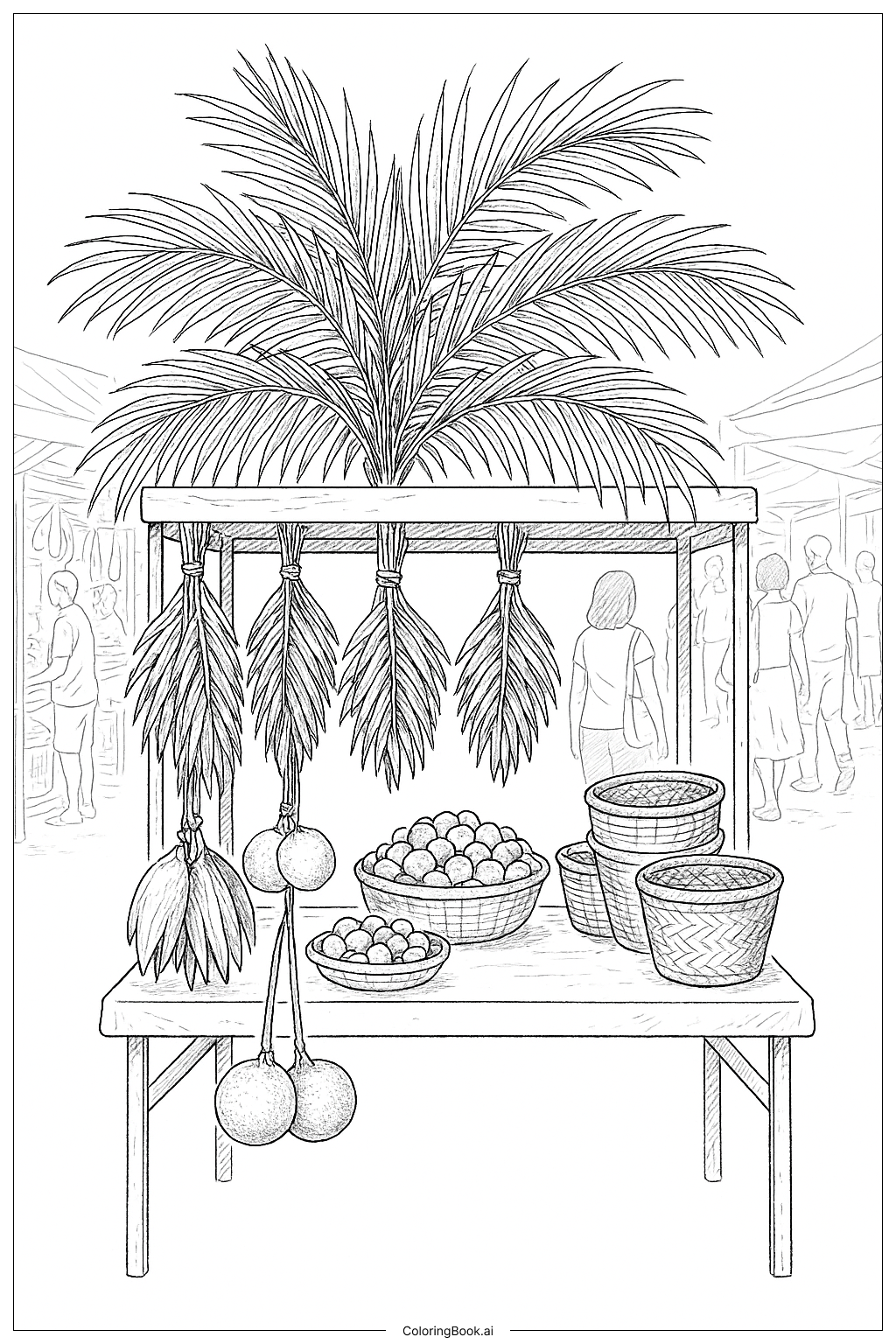
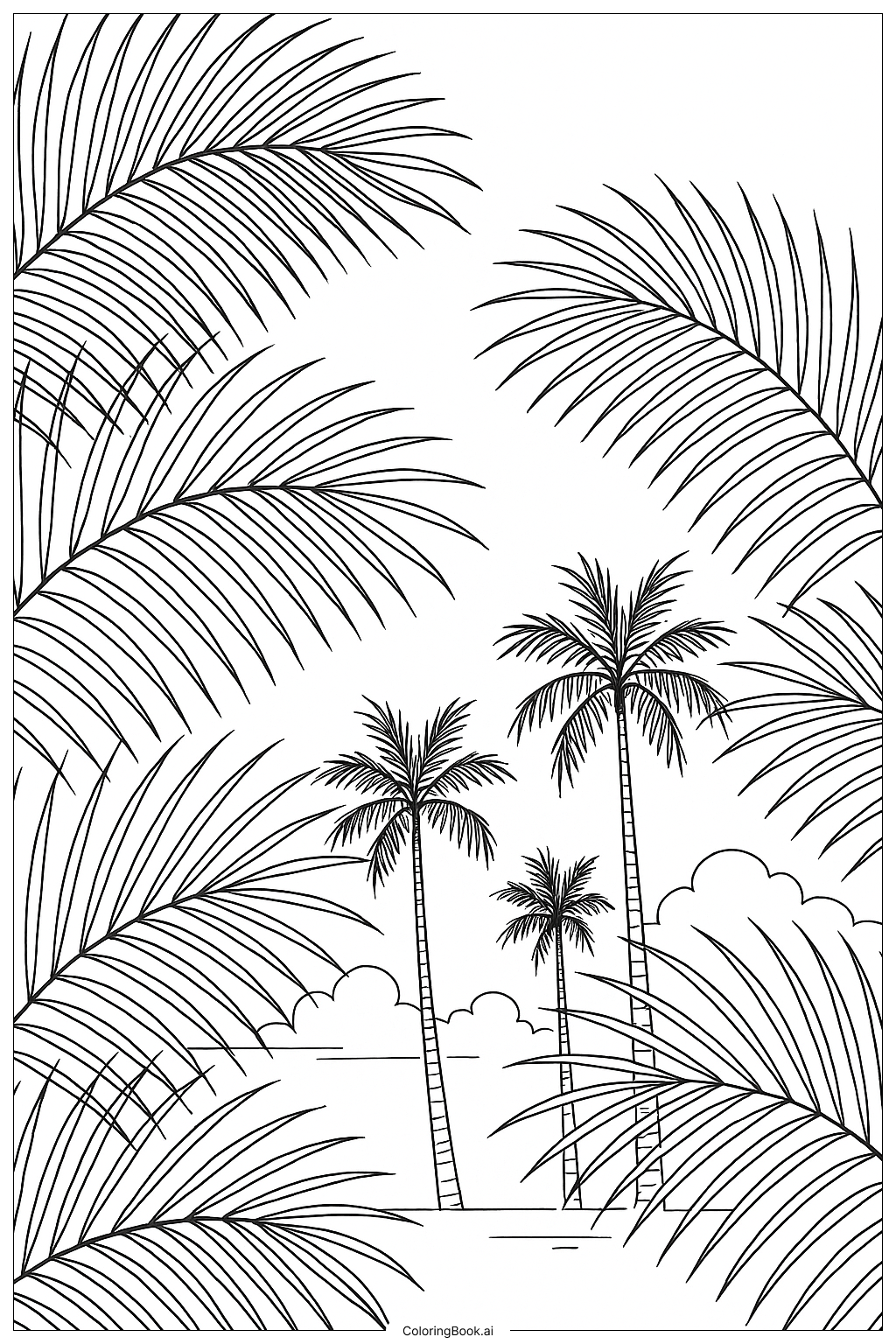
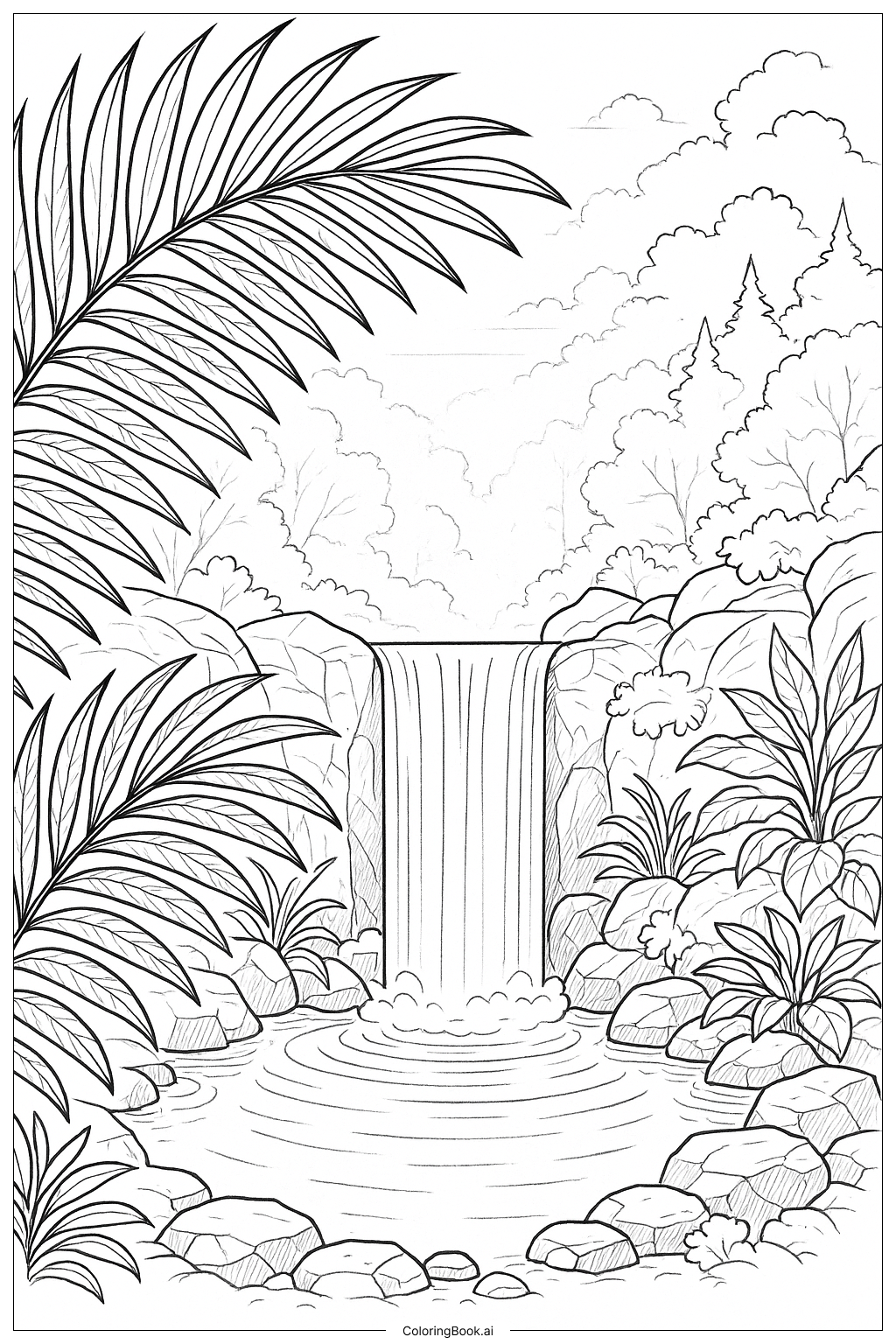
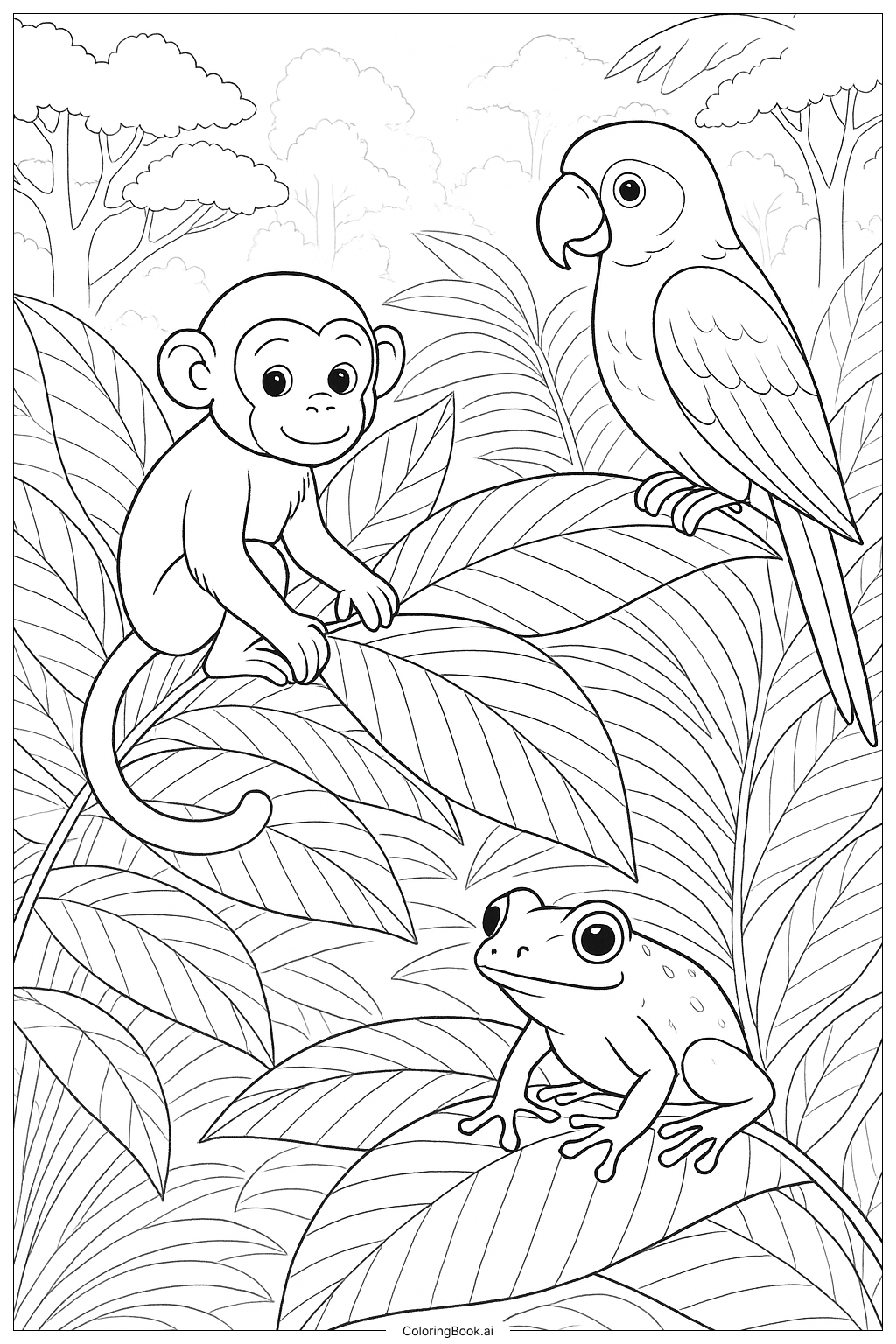
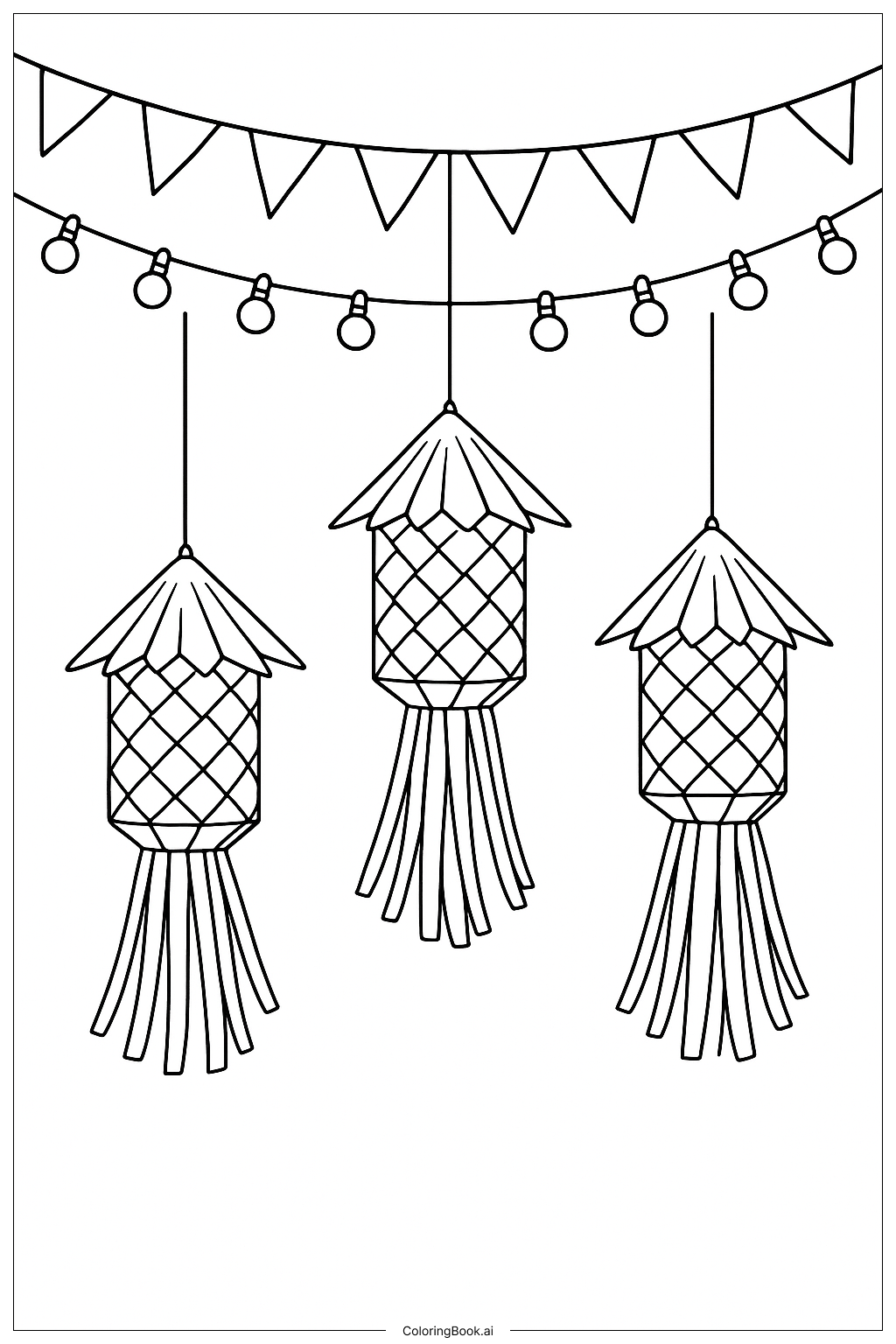
Use natural and soft tones to bring the Palm Leaf Lanterns to life. Try colors like different shades of green for the palm leaves, adding light yellows or warm oranges to show the lanterns’ glowing light inside. You can also use browns or tans to highlight the woven texture of the leaves. For the glowing parts, bright yellows and light oranges will help create a warm, inviting feeling. Feel free to add soft background colors, like gentle blues or purples, to show the night sky or a peaceful atmosphere where these lanterns shine. Mix and blend colors gently to keep the lanterns looking natural and glowing.
Coloring challenges: Which parts are difficult to color and need attention for Palm Leaf Lanterns coloring page?
• Intricate Weaving Patterns: The detailed weaving of the Palm Leaf requires careful coloring to keep the lines clear and separate, which can be challenging for young artists.
• Light and Shadow Effects: Coloring the glowing light inside the lanterns means balancing bright and soft colors, which may be tricky to blend smoothly.
• Texture Representation: Conveying the natural fibrous texture of Palm Leaves requires subtle color changes and shading to avoid making the image look flat.
• Curving Shapes: The curved forms of the lanterns call for attention to how colors change around curves, demanding controlled strokes to follow the shapes.
• Small Details: Fine lines and small spaces between woven strands need patience and precision to color without crossing lines or making the image messy.
Benefits of coloring books: Advantages of drawing Palm Leaf Lanterns coloring page
Coloring this Palm Leaf Lanterns image helps develop fine motor skills by requiring careful control of coloring within small, intricate areas. It encourages mindfulness and focus as kids think about natural textures and light effects. The image also inspires creativity by inviting children to experiment with warm and natural colors to bring an artistic, glowing lantern scene to life. Furthermore, coloring promotes visual-spatial skills through navigating curved shapes and patterns. Overall, it’s a calming and rewarding activity that combines nature appreciation with artistic challenge.