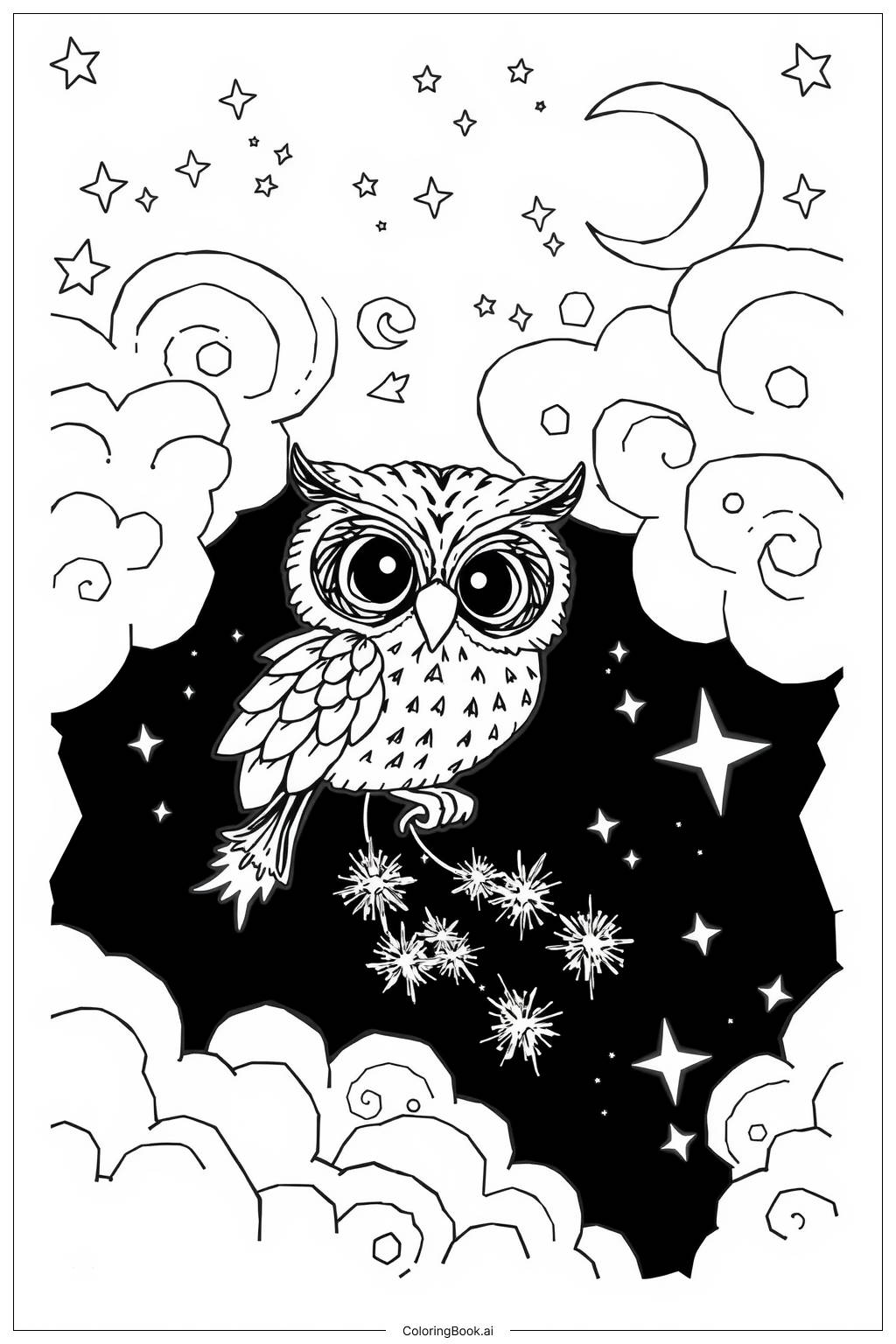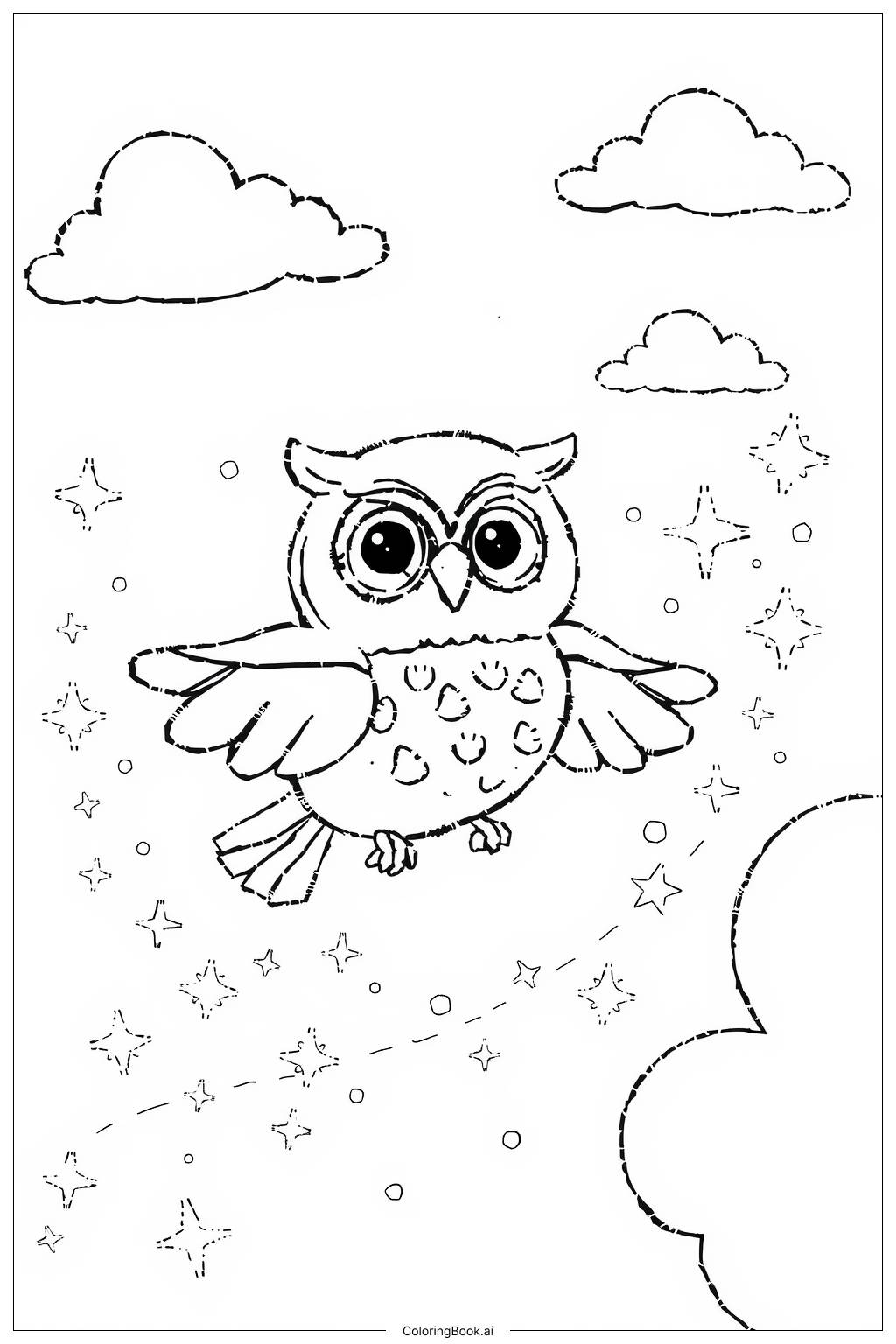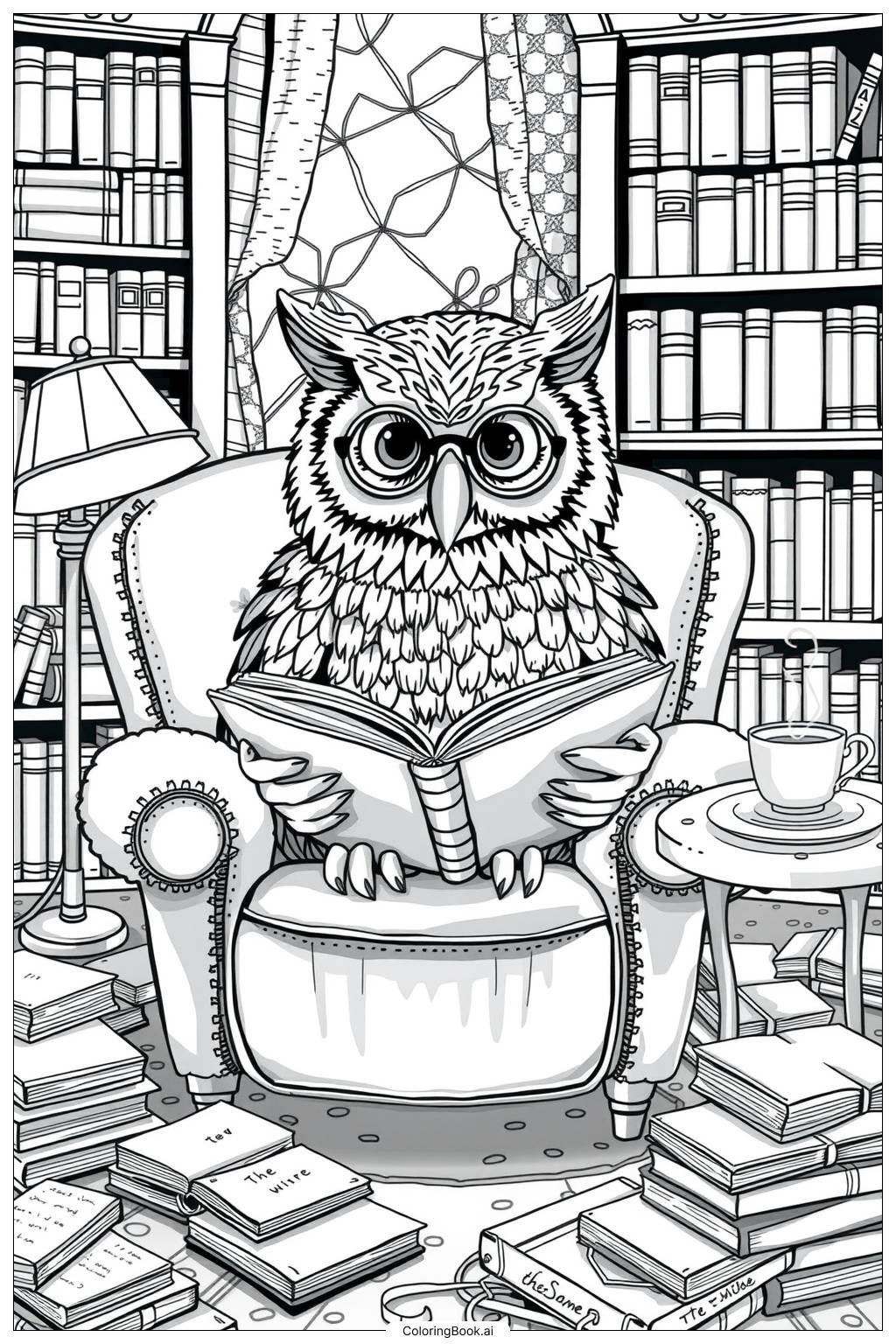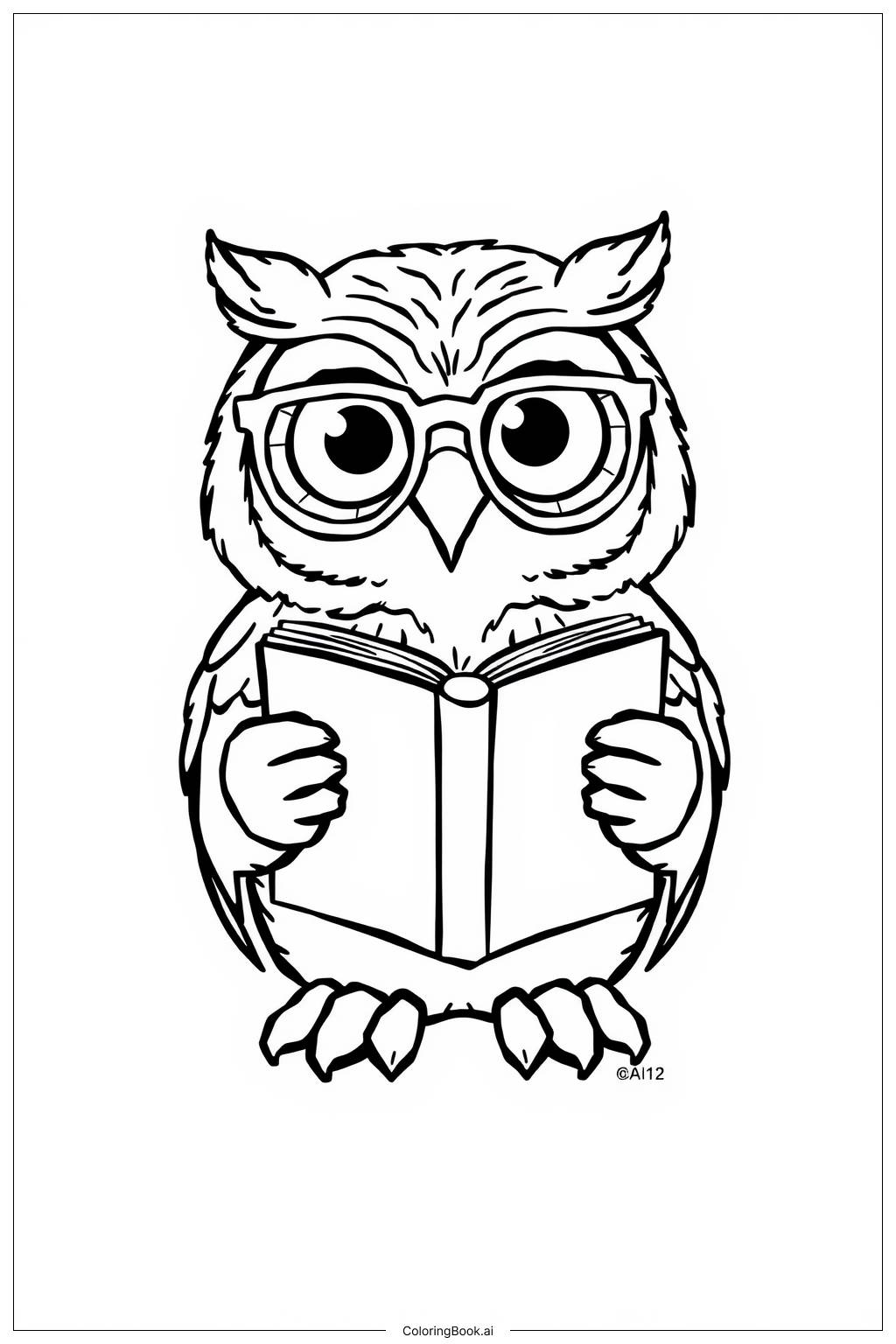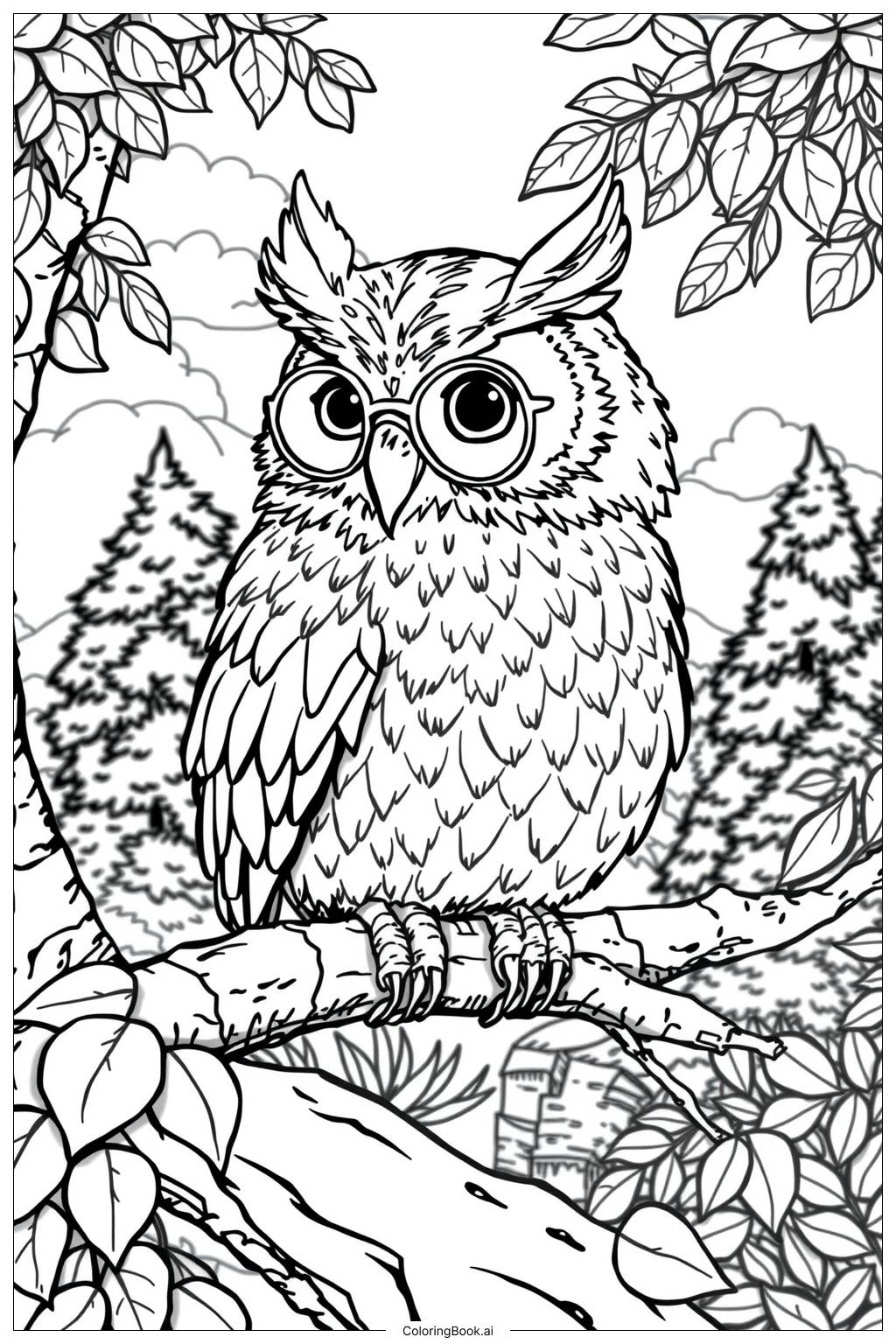
Coloring tips: How to color Winnie the Pooh Owl coloring page well?
For this Winnie the Pooh Owl, try using warm and natural colors like soft browns, beiges, and warm yellows for the feathers to keep a cozy and inviting look. The small scarf could look cheerful in bright reds or oranges to add a pop of color. You can color the tree branch in various shades of brown and green for the leaves. To make the owl’s eyes stand out, use dark brown or black for the pupils and a gentle yellow or gold for the irises. Feel free to experiment with light shading to show feather texture or add colorful details on the scarf or acorns to make the image lively and fun.
Coloring challenges: Which parts are difficult to color and need attention for Winnie the Pooh Owl coloring page?
• Feather Pattern Complexity: The owl’s feathers have intricate patterns and fine lines that require careful coloring to stay within the shapes and highlight the textures. This can be challenging for younger children who are still developing fine motor skills. • Small Details: The owl’s eyes, scarf, and acorns have small elements that need precision to color neatly. It might be difficult to add depth without smudging or going outside the lines. • Layering Colors: Creating a realistic look with shading or blending colors requires patience and practice. Beginners may find it hard to apply different tones smoothly across the feathers and tree bark. • Background Elements: The tree branches and leaves have overlapping parts where color choices must be made thoughtfully, to avoid the image appearing flat or cluttered. Understanding how to use color contrasts can be complex but rewarding. • Maintaining Clean Edges: This coloring page has many tight spaces and curves. Coloring these while keeping clean edges is a challenge that helps improve hand control and attention to detail.
Benefits of coloring books: Advantages of drawing Winnie the Pooh Owl coloring page
Coloring this Winnie the Pooh Owl image offers many benefits for children and adults alike. It helps improve fine motor skills as you practice staying inside lines and managing small details. The detailed feathers encourage focus and patience, which are excellent for building concentration. Adding colors to the natural woodland scene promotes creativity and color theory awareness, as you decide how to mix and match colors harmoniously. Coloring also provides a calming, mindful activity that can reduce stress. For young artists, this image develops hand-eye coordination and confidence as they bring a beloved character to life. Overall, it’s a fun and educational way to engage with art while celebrating nature and storytelling.