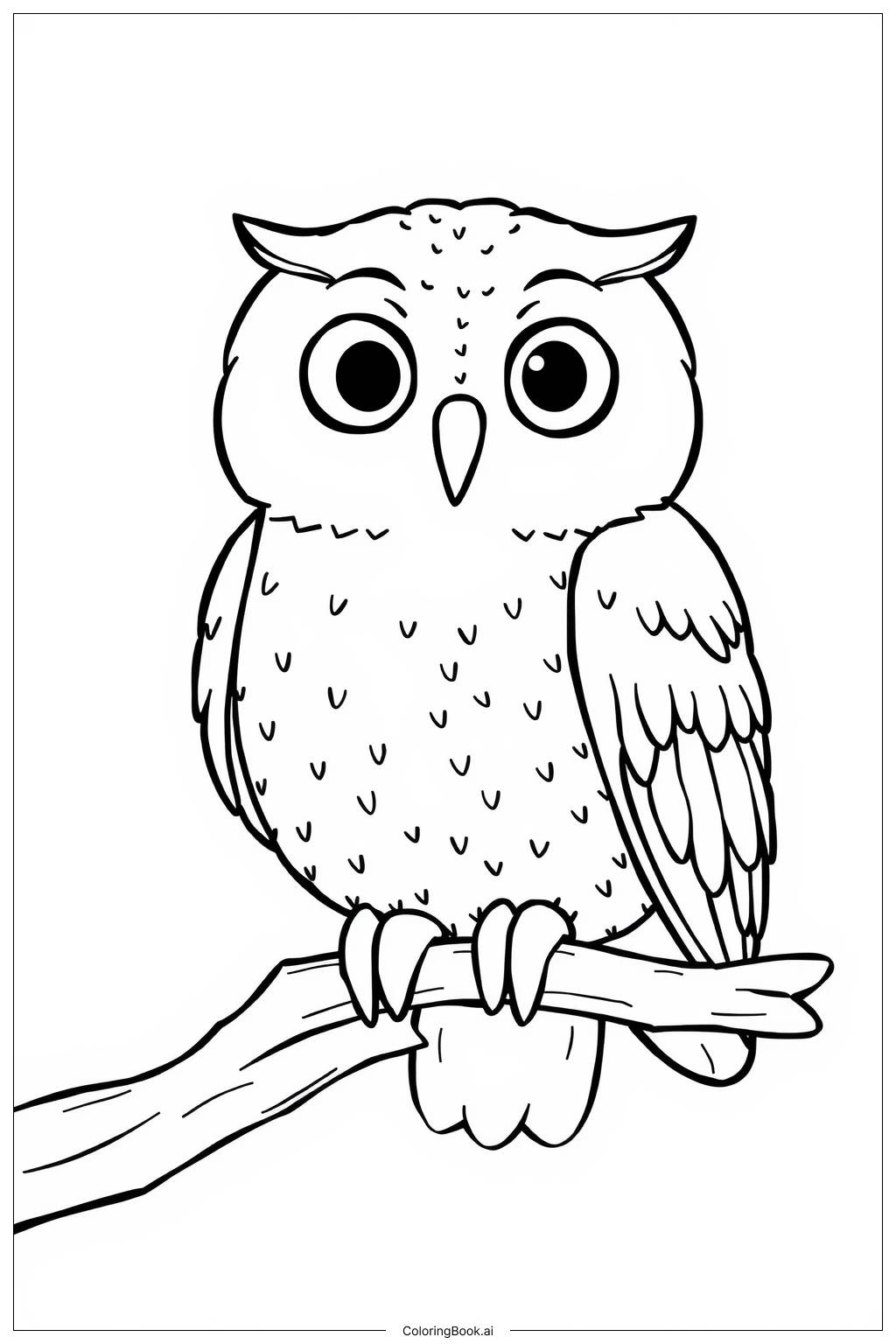
Coloring tips: How to color Snowy Owl Perch coloring page well?
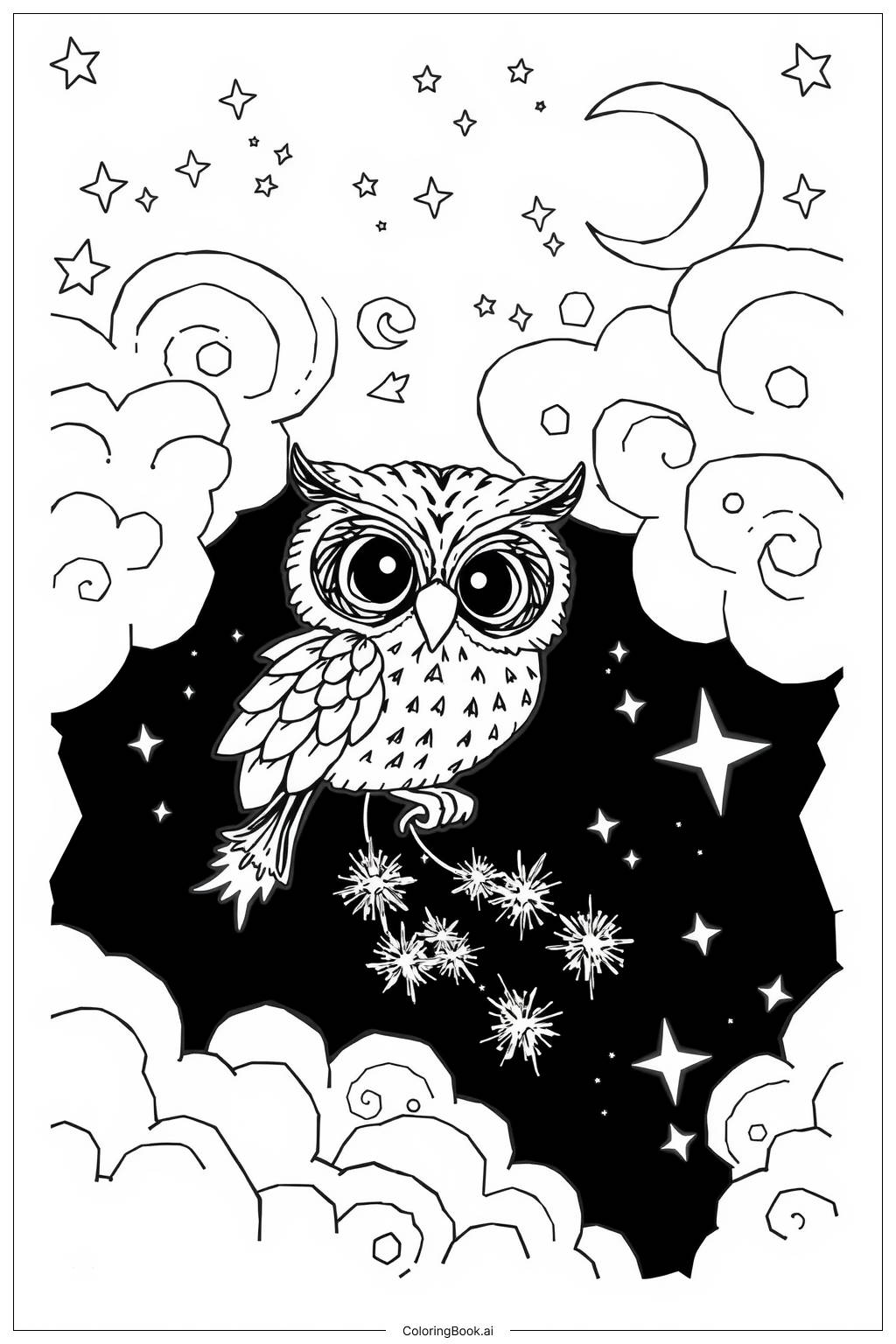
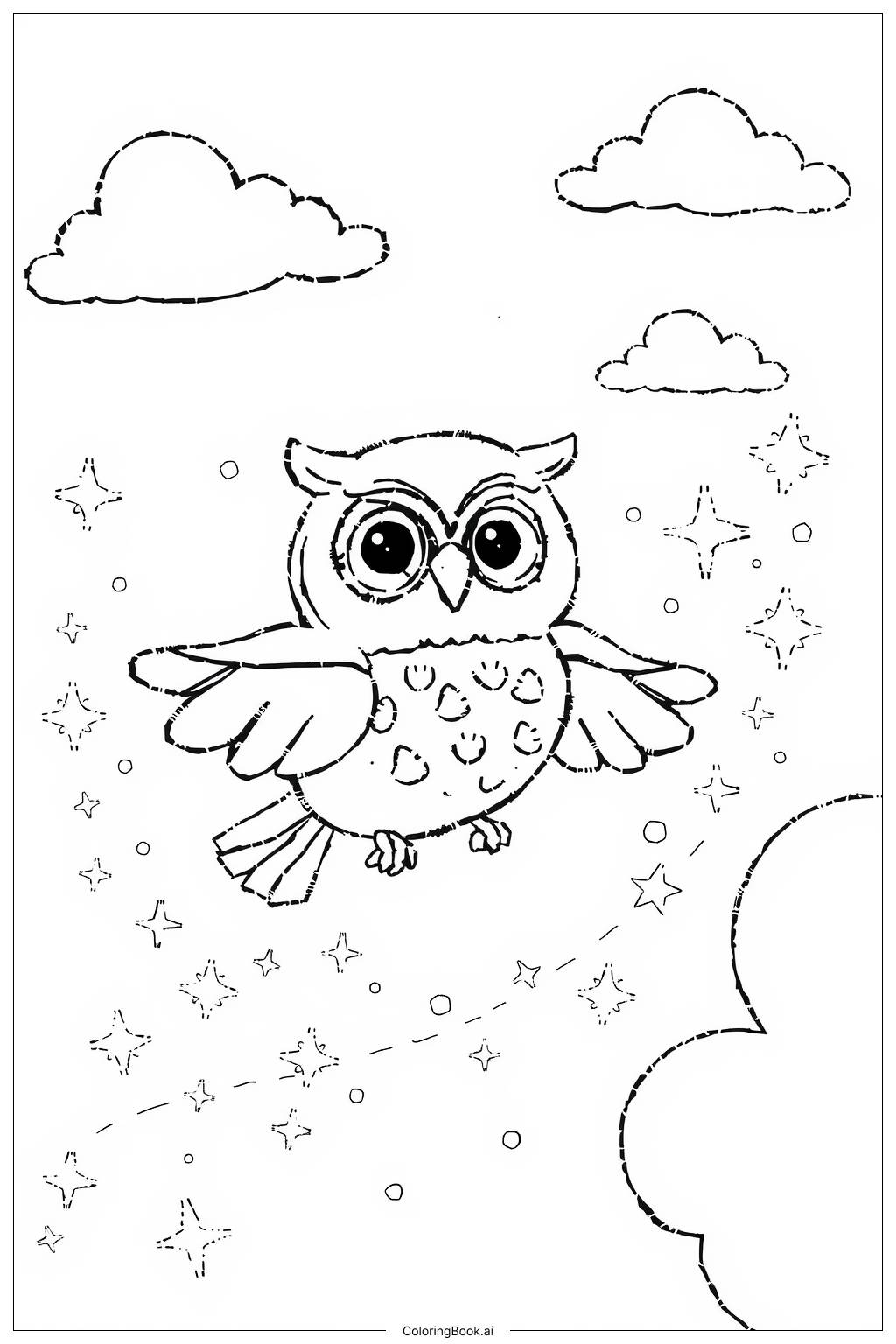
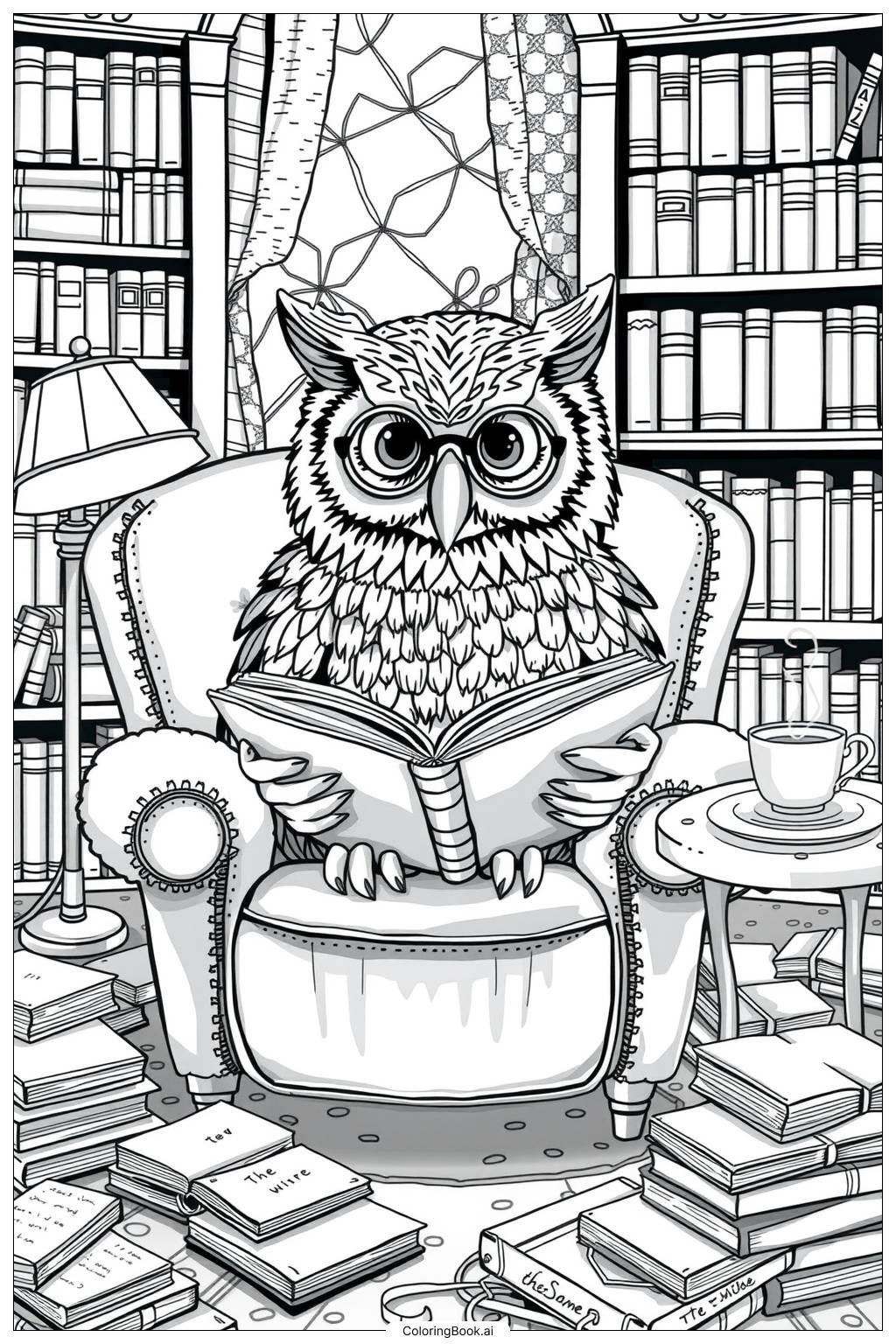
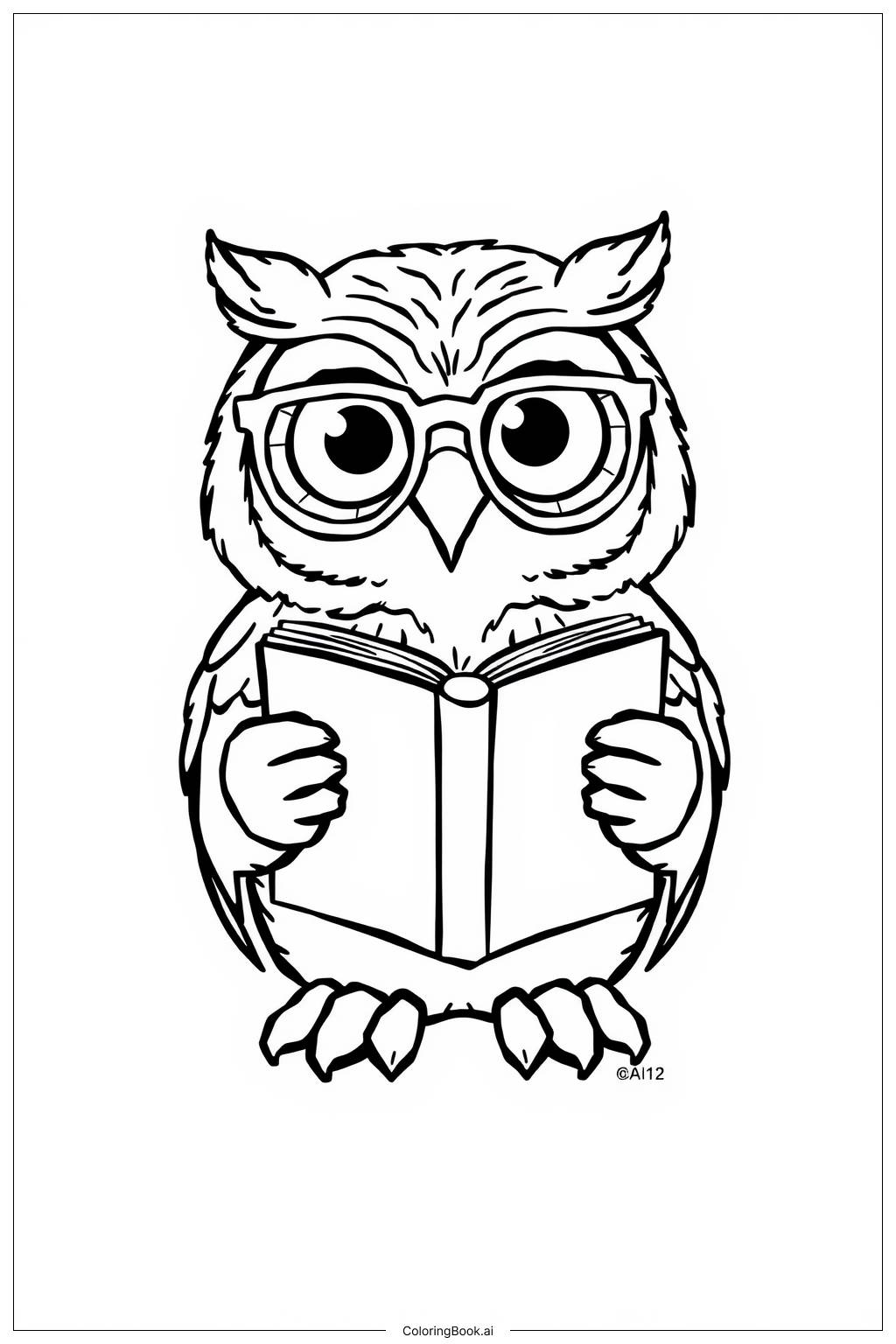
For this Snowy Owl Perch picture, start with soft white or very light gray tones for the owl’s feathers to keep its natural snowy look. Use darker shades of gray or black for the spots and details to make them stand out. The owl’s eyes can be colored a bright yellow or golden hue to bring attention and life to the face. For the tree branch, choose warm browns with hints of green or mossy colors on the bark. The leaves around the owl can be colored in different greens to add freshness to the picture. Don’t be afraid to add some light blue or lavender hues in the background to imply cool air or a wintery atmosphere. This picture offers a great chance to mix gentle colors with bold contrasts.
Coloring challenges: Which parts are difficult to color and need attention for Snowy Owl Perch coloring page?
• Feather Texture: Capturing the soft yet detailed texture of the snowy owl’s feathers can be challenging. It requires careful shading to show the fluffy and layered effect.
• Small Details: The owl’s eyes, talons, and fine markings demand precise coloring to avoid blurring or losing important features.
• Branch Depth: Coloring the tree branch realistically involves creating the rough bark texture and shadows while keeping the branch sturdy-looking.
• Natural Surroundings: The variety of leaves and plant elements around the owl need different shades of green and careful blending to avoid flatness.
• Maintaining Balance: Balancing light and dark areas to show the owl’s natural snowy coloring against the darker branch and background takes thoughtful use of contrast and color intensity.
Benefits of coloring books: Advantages of drawing Snowy Owl Perch coloring page
Coloring this Snowy Owl Perch image helps develop focus and attention to detail because of the intricate feather patterns and natural textures. It encourages observation skills as children notice how colors combine in nature, such as the white feathers contrasting with dark spots or the browns of the tree. Completing this image can also build patience, as some parts require slow and careful shading. Additionally, coloring an animal in its natural setting can inspire curiosity about wildlife and the environment. Overall, working on this picture promotes creativity while improving fine motor skills and color coordination.