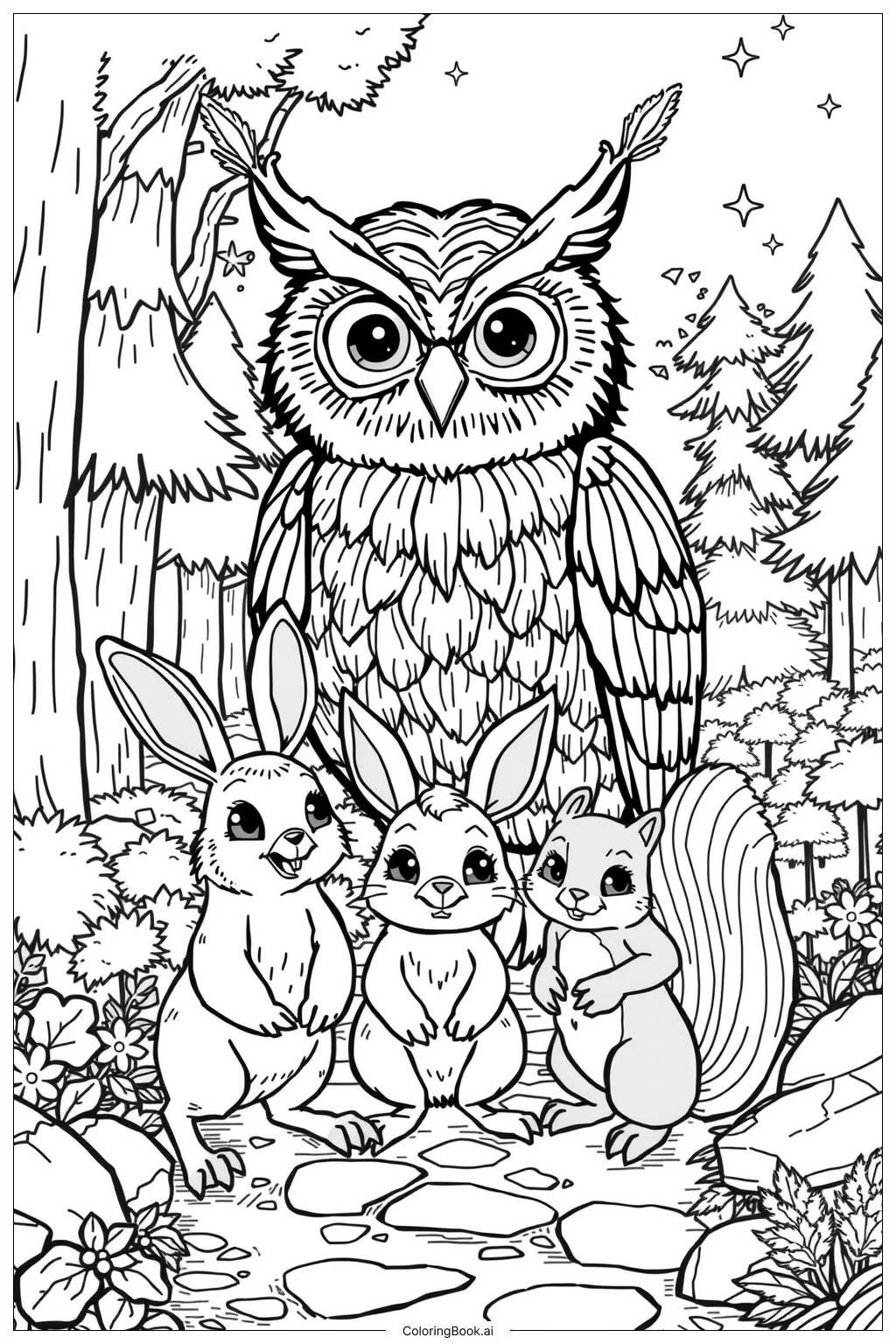
Coloring tips: How to color Owl and Friends Adventure-2 coloring page well?
For this image, try using warm browns and soft tans for the owl’s feathers, mixing lighter tones on its belly for texture. The tree can be colored with various shades of earthy browns and greens for the leaves to make the natural setting realistic. Use gentle grays or pastel tones for the squirrel and rabbit to keep them visually distinct but gentle. The deer could be given a rich caramel or chestnut tone. For the sky, soft blue tones with hints of white or light gray clouds help create a peaceful background. Feel free to add bright colors to the mushrooms or flowers to add pops of color. Remember to experiment with shading to show depth on the feathers and tree bark, and consider using different greens to show light and shadow on the leaves.
Coloring challenges: Which parts are difficult to color and need attention for Owl and Friends Adventure-2 coloring page?
• Feather Details: The owl’s feathers have fine texture lines requiring careful coloring to highlight the layered look without losing the delicate details. Staying within small feather sections can be challenging.
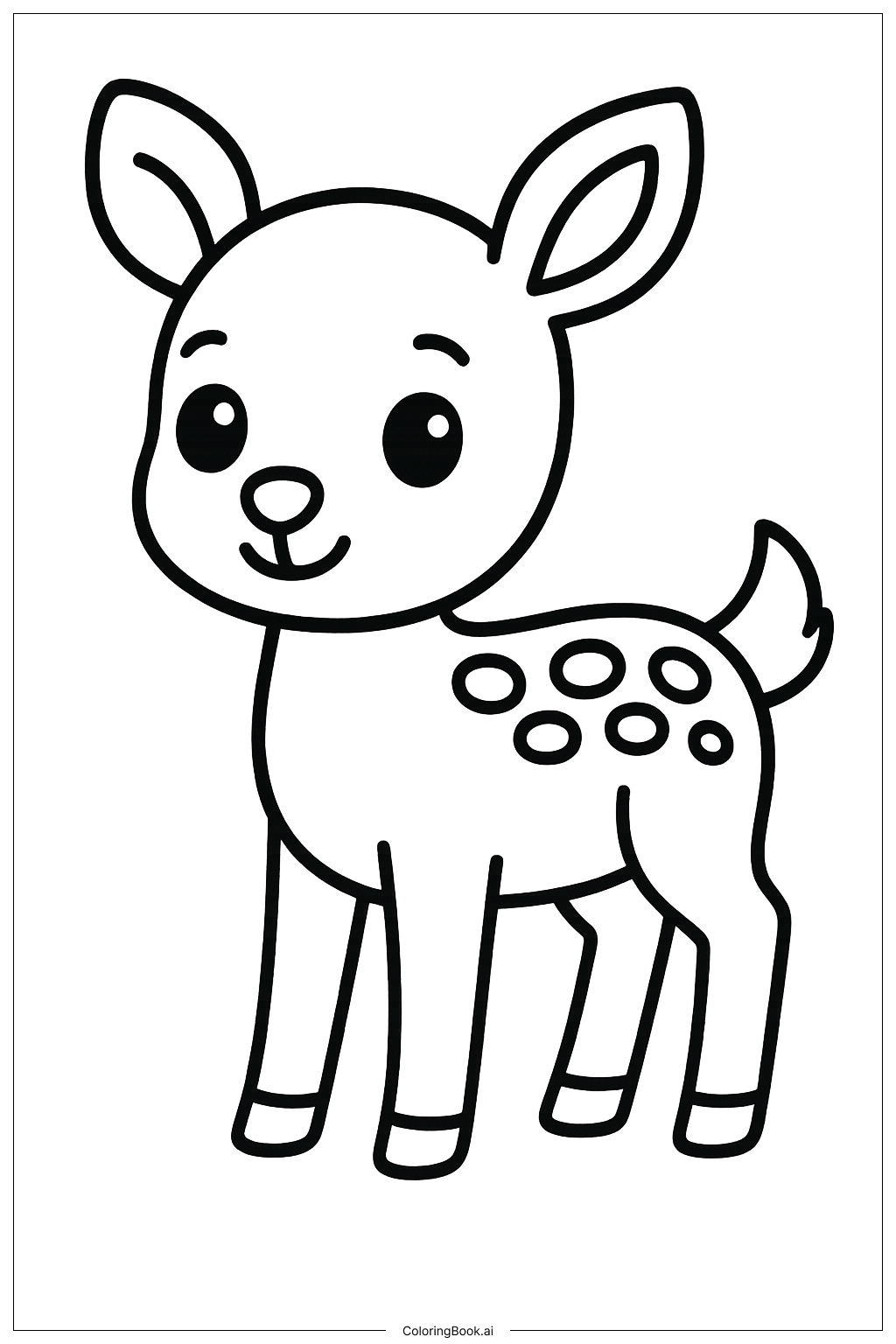
• Small Characters: The rabbit, squirrel, and deer have small features like eyes, paws, and ears that need precise strokes to color while maintaining clarity.
• Leaf and Tree Bark Variation: The tree bark and leaves show various textures, demanding different coloring techniques to distinguish rough bark from smooth leaves.
• Overlapping Shapes: The animals and branches overlap, so coloring between tight spaces without mixing colors needs patience and control.
• Light and Shadow Effects: To create a 3D feel, subtle shading is needed on round surfaces like the owl’s belly and tree branches, involving delicate blending skills.
Benefits of coloring books: Advantages of drawing Owl and Friends Adventure-2 coloring page
Coloring this image helps develop fine motor skills by working on small detailed areas like feathers and animal faces. It encourages creativity as children decide which colors to use for animals and the natural setting, sparking their imagination about outdoor adventures. Practicing shading and color blending improves hand-eye coordination and artistic techniques. This picture also promotes focus and patience due to its multiple elements and textures. Lastly, it inspires a connection with nature and fosters an understanding of friendship and teamwork as shown by the owl and its friends exploring together.