Coloring tips: How to color Smiling Baby Otter coloring page well?
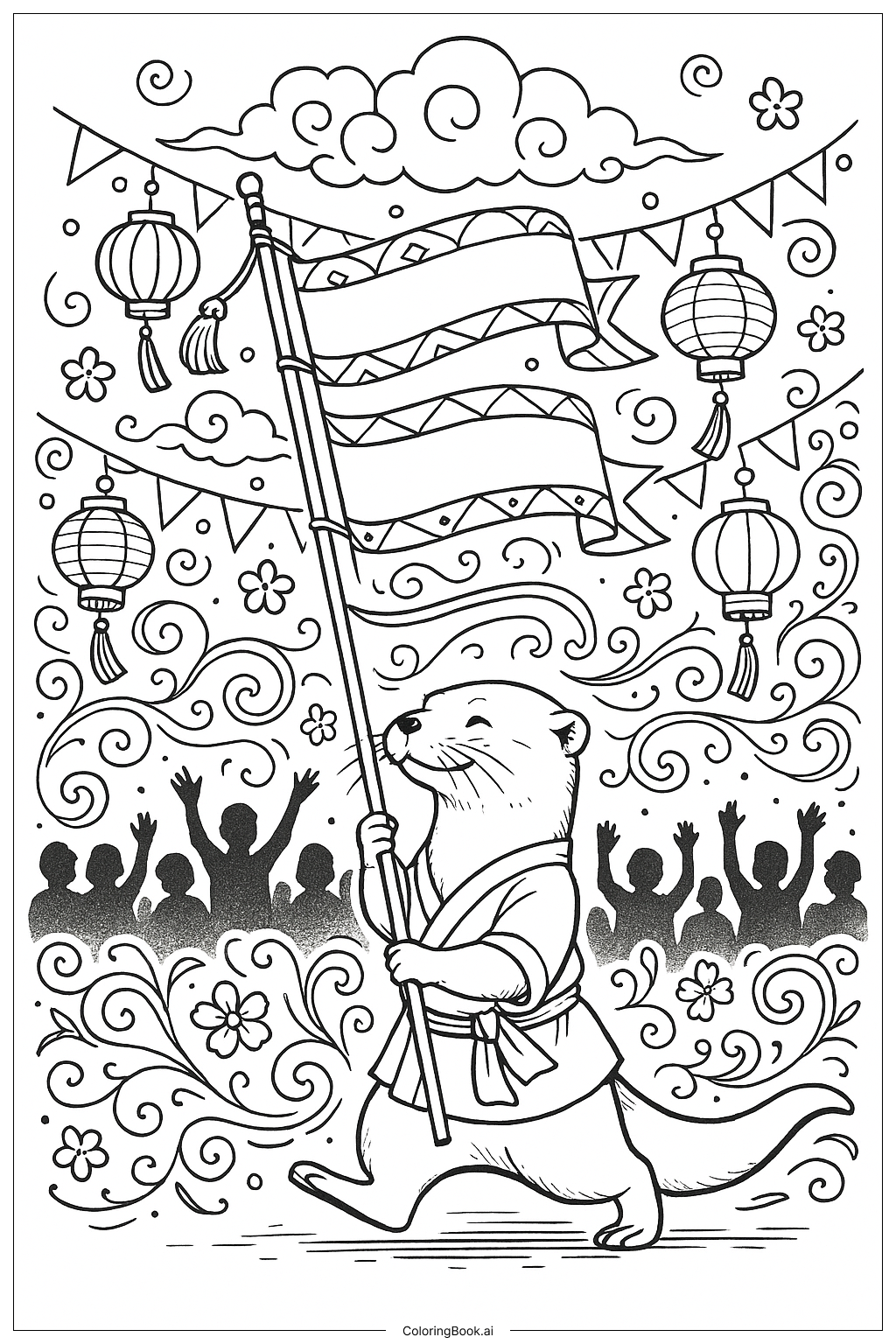
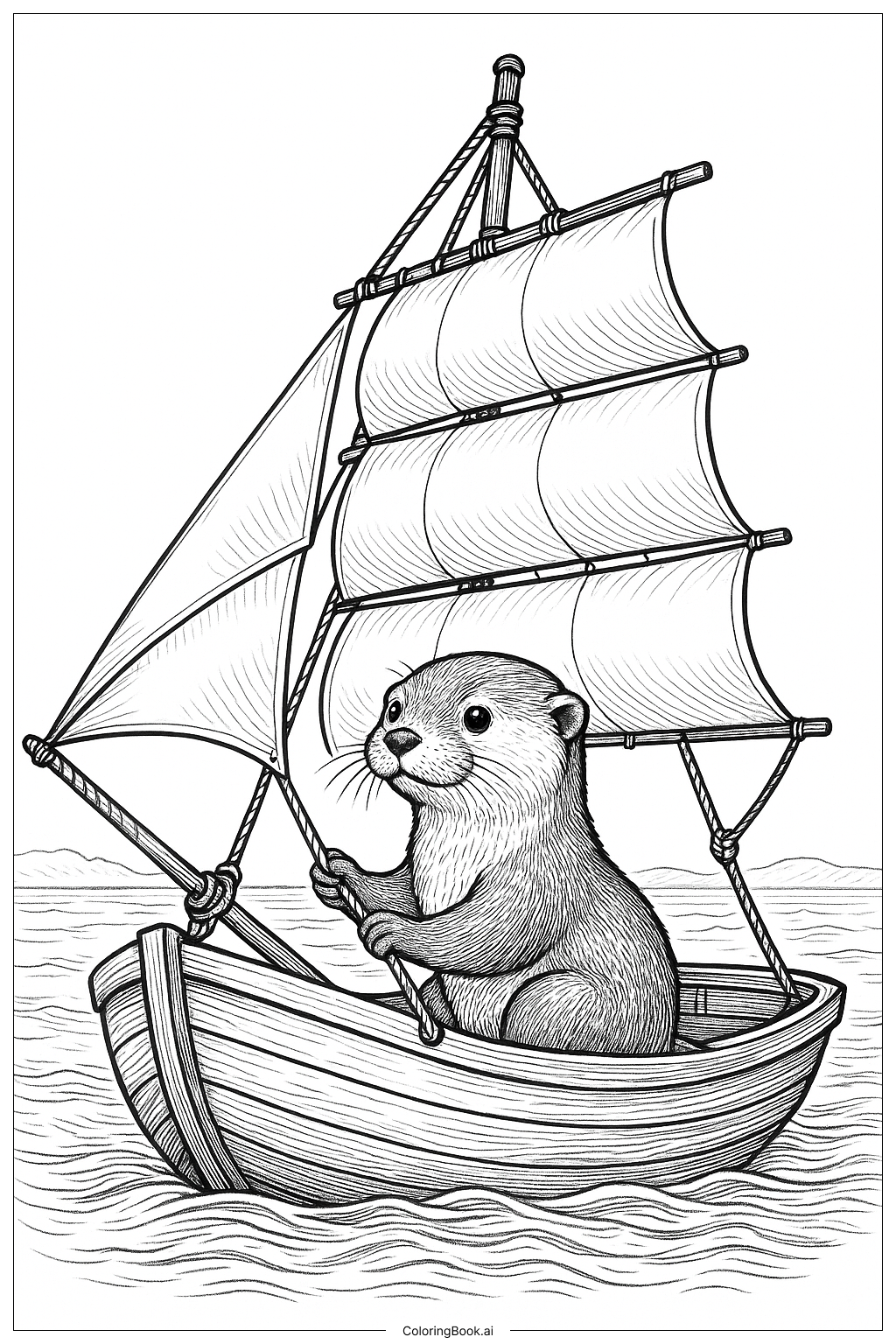
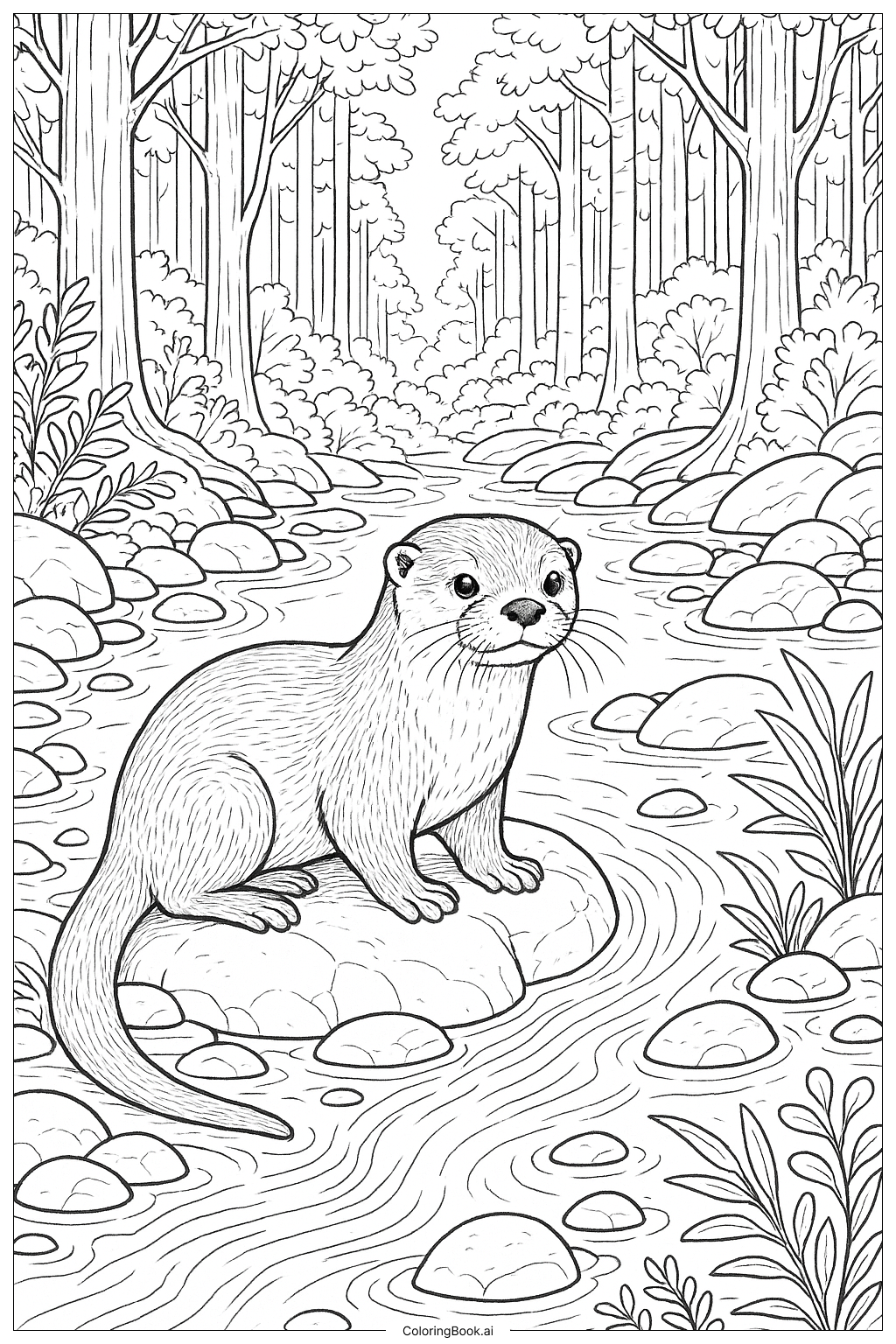
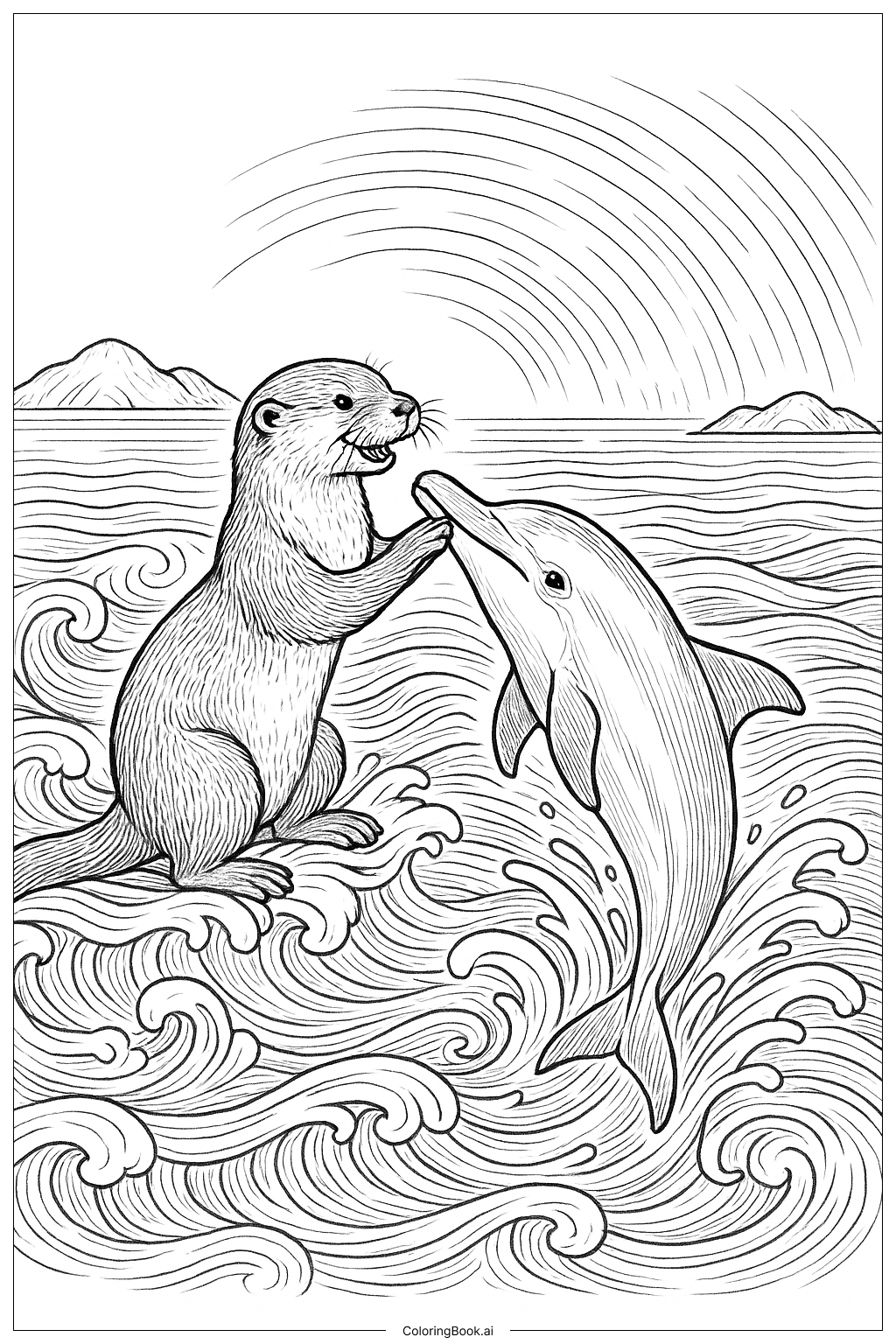
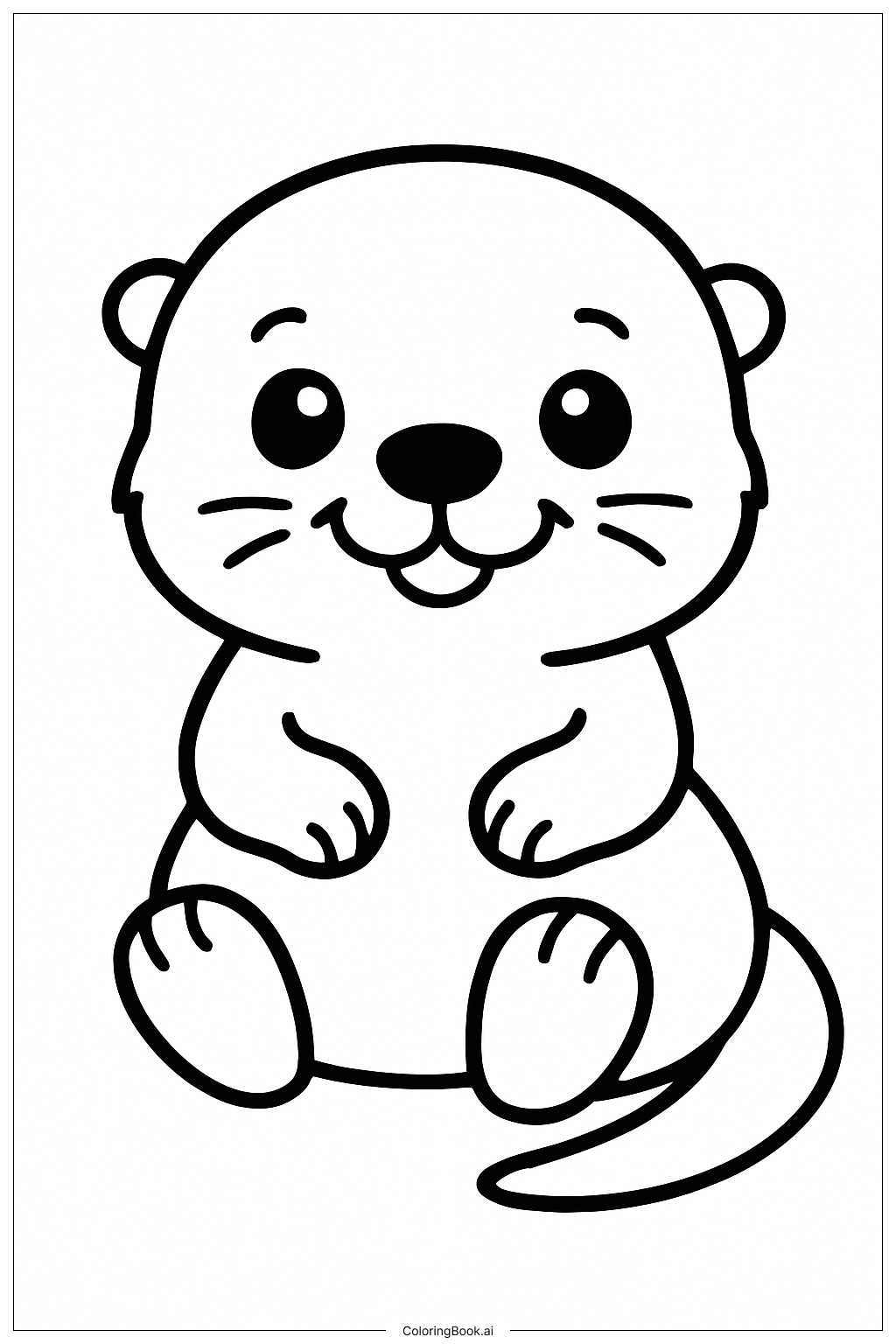
For coloring this baby otter, use soft browns or light tans for the body to make it look warm and fluffy. The nose and eyes can be colored black for contrast. You can add some lighter shades around the cheeks and tummy to show softness. Feel free to use pastel colors for the background or add some playful elements like water or plants around the otter to make the picture more lively. Remember to color inside the lines carefully to keep the cute look intact.
Coloring challenges: Which parts are difficult to color and need attention for Smiling Baby Otter coloring page?
1. Staying within the small details near the eyes and nose could be tricky for younger children because these areas are small and need careful coloring.
2. The small paws have lines that show the fingers, so coloring inside these narrow shapes without overlapping can be challenging.
3. The tail is slim and curved, requiring steady hand movements to color neatly.
4. Balancing light and dark shades to show the otter’s soft and fluffy fur might be difficult for beginners.
5. Avoiding color mixing outside the thick lines needs good control for neat results.
Benefits of coloring books: Advantages of drawing Smiling Baby Otter coloring page
Coloring this baby otter helps children improve their fine motor skills and hand-eye coordination. It encourages focus and patience as they work to stay inside the lines. The simple design also boosts creativity, allowing kids to choose colors and imagine what the otter's habitat might look like. This activity is relaxing and fun, promoting emotional well-being by giving a sense of accomplishment when finished.