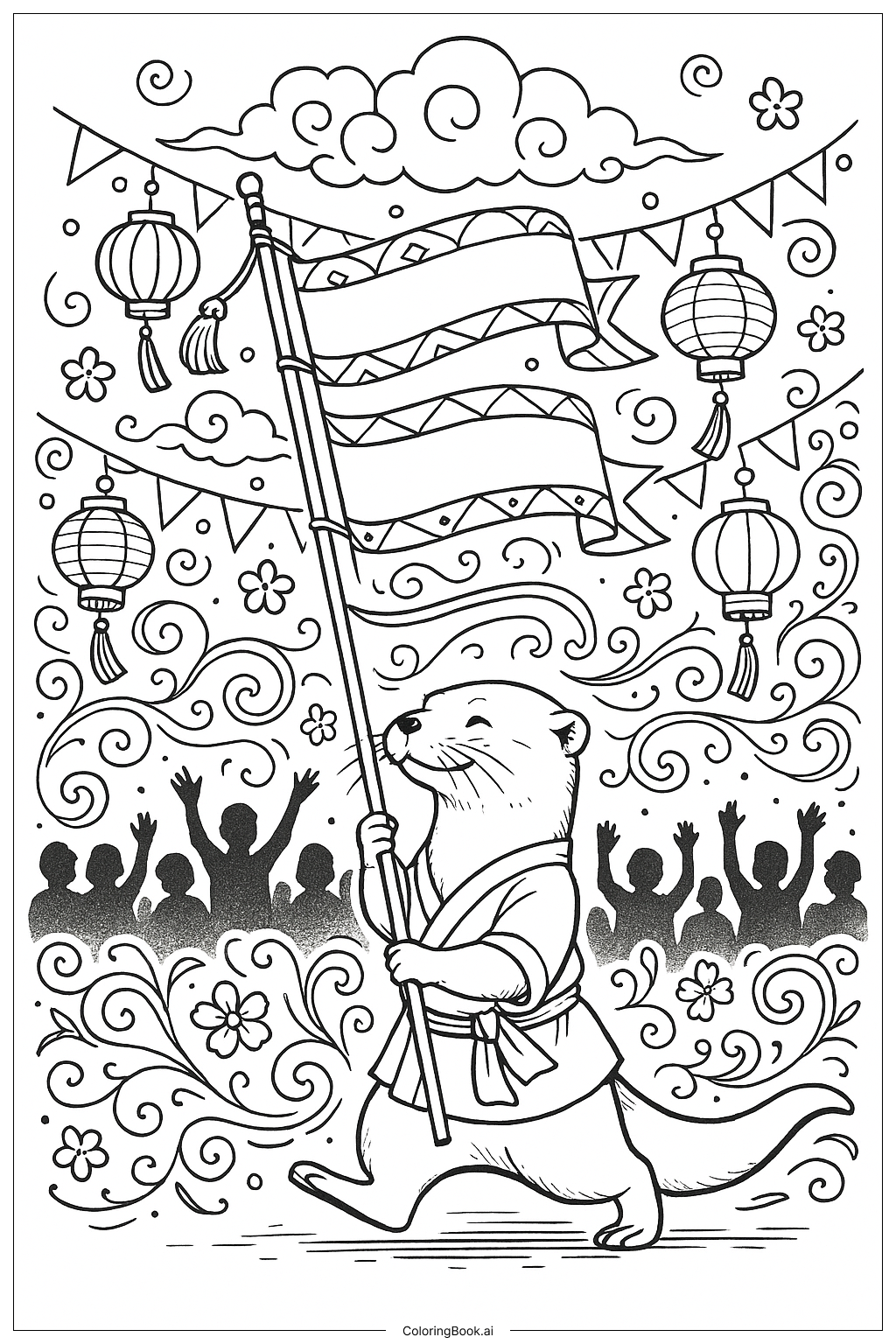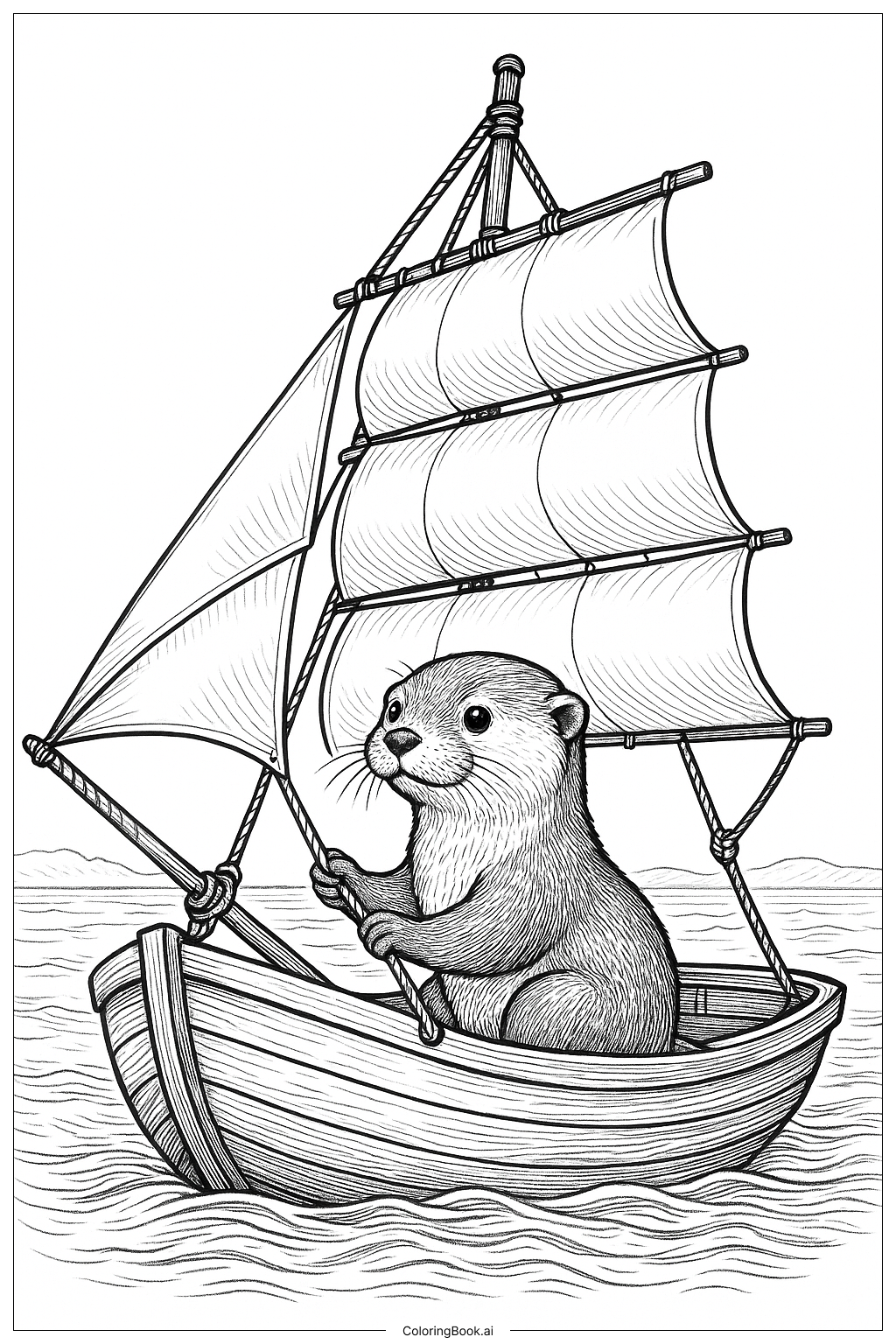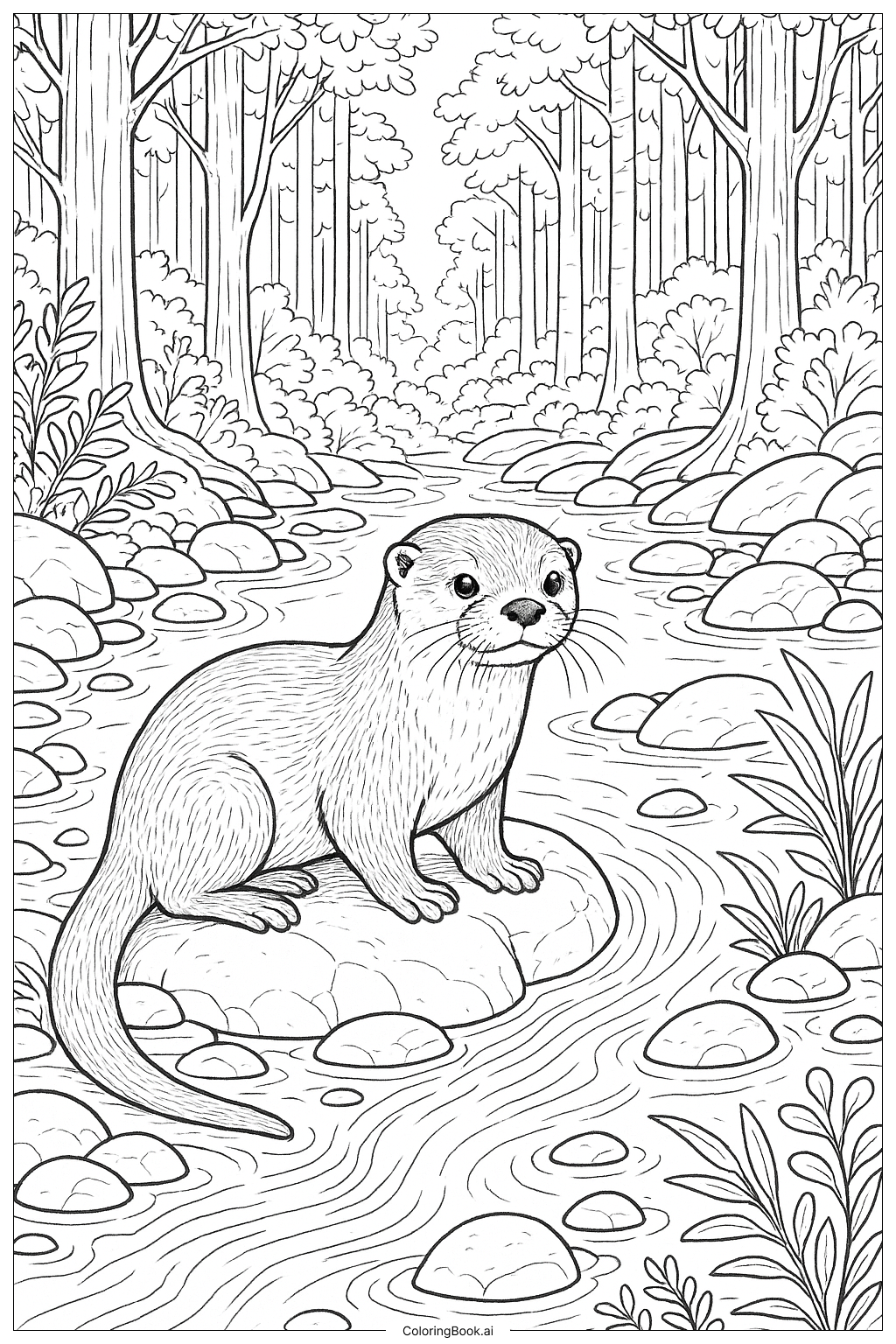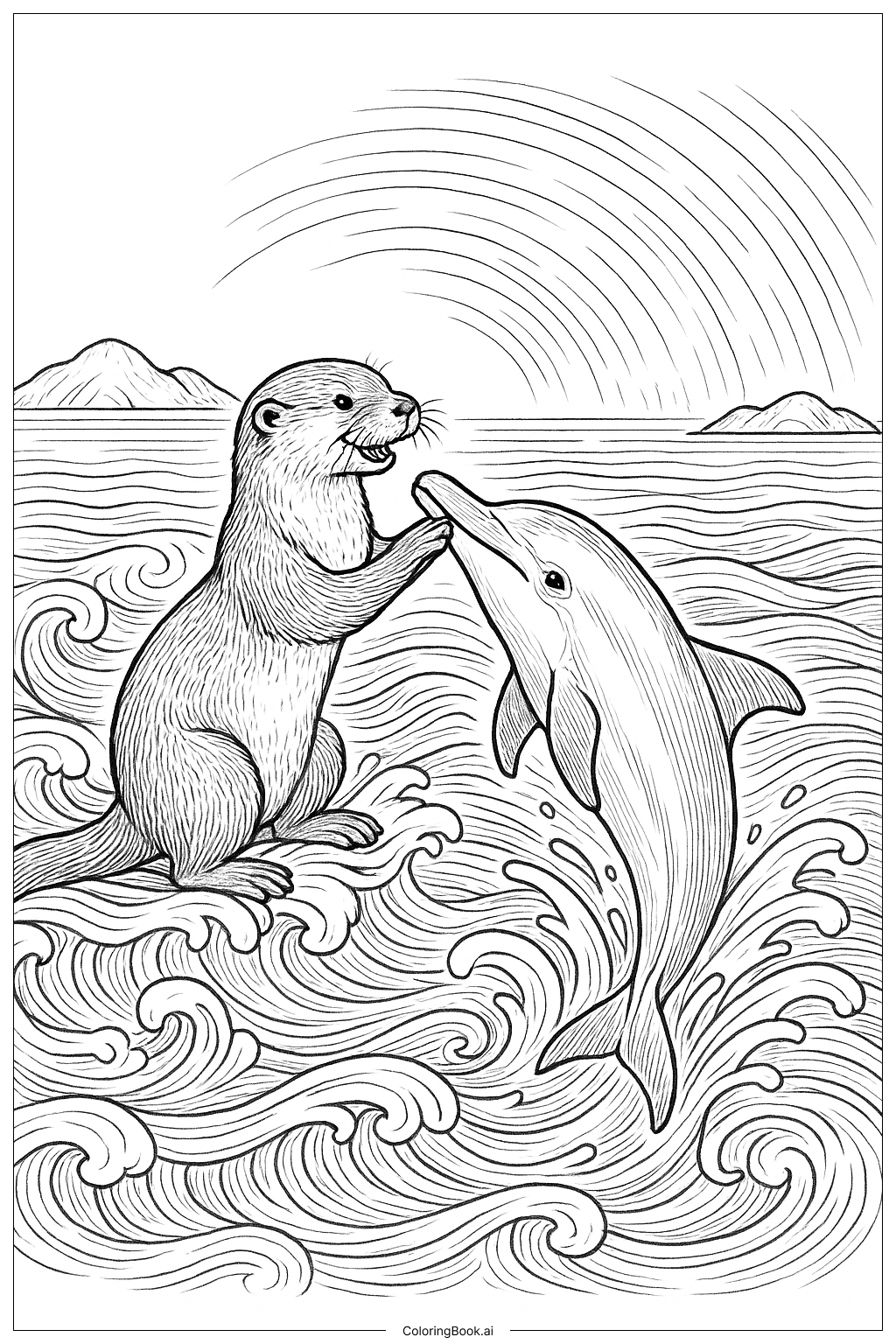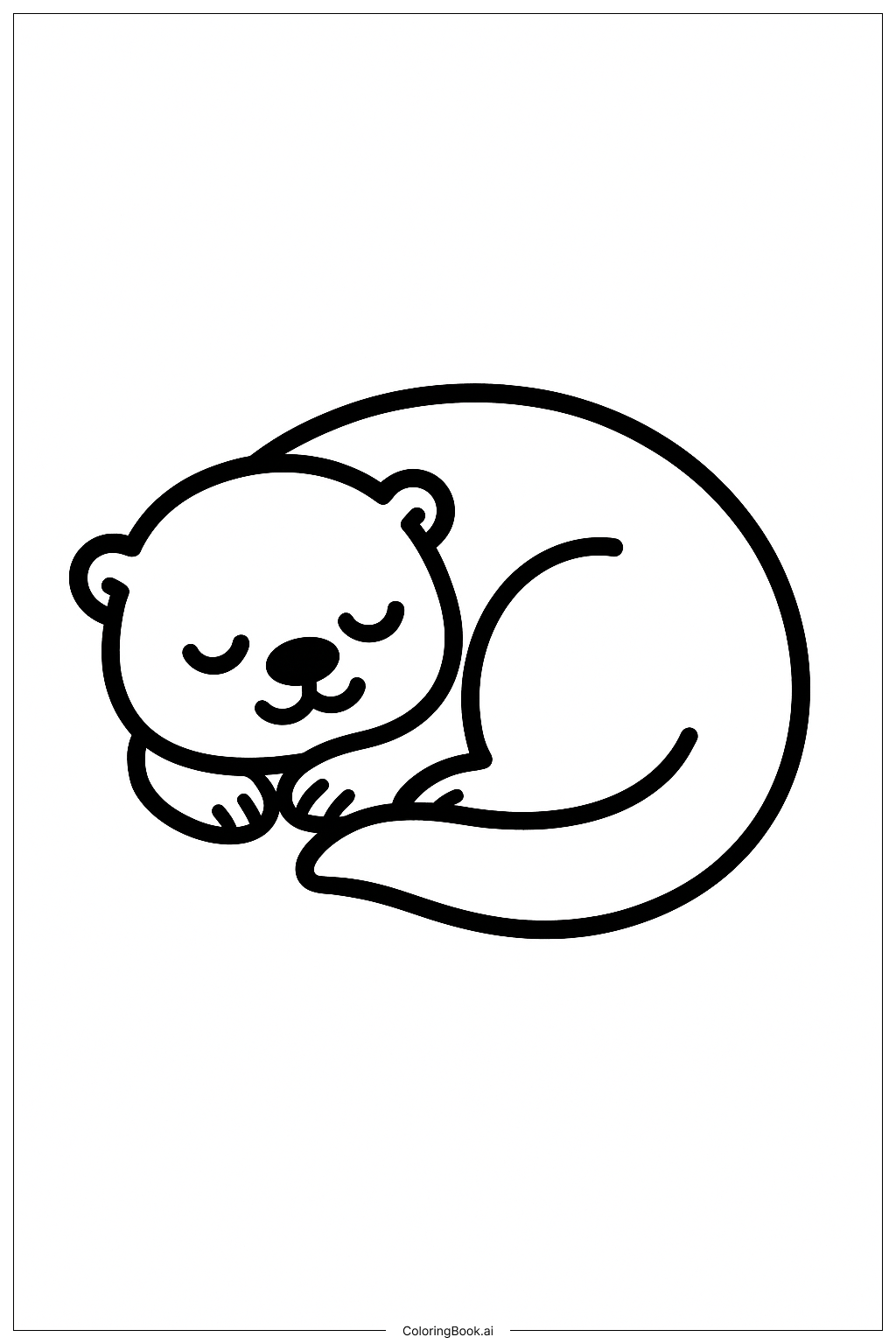
Coloring tips: How to color Sleeping Otter coloring page well?
For this Sleeping Otter coloring page, use soft, warm colors like browns, tans, and creams to bring the otter’s fur to life. You might try gentle gradients to show the fur’s fluffiness. Adding light shadows can make the otter look more three-dimensional. For the water or rocks around the otter, use cool blues and grays, which contrast nicely with the warm tones of the otter. You can also experiment with blending to show the waves or smooth surfaces. Keep colors calm and soothing to match the sleeping mood. This is a great chance to practice smooth coloring or gentle shading techniques.
Coloring challenges: Which parts are difficult to color and need attention for Sleeping Otter coloring page?
• Fur Texture: Capturing the softness of the otter’s fur can be tricky. It requires careful layering of colors and gentle strokes to avoid harsh edges.
• Small Details: The paws and facial features have fine lines that need steady hand coordination to color neatly without going outside the lines.
• Blending Colors: Achieving smooth transitions in the fur’s shades demands good control over blending tools or pencils.
• Background Balance: Coloring the surrounding elements like water and rocks without overpowering the otter’s figure can be challenging.
• Maintaining Mood: Choosing colors that keep the image peaceful and resting, rather than bright or loud, requires thoughtful color selection.
Benefits of coloring books: Advantages of drawing Sleeping Otter coloring page
Coloring this Sleeping Otter image can help children develop fine motor skills and improve concentration. The detailed fur and small features encourage careful hand movements and focus. Working on blending and shading builds understanding of colors and light. The calm subject promotes relaxation and mindfulness while coloring. It also inspires creativity by letting kids choose gentle tones and experiment with natural textures. Overall, this activity supports both artistic growth and emotional calmness, making it a fun and beneficial experience for Children aged 4–16.