Coloring tips: How to color Otter With Simple Flower coloring page well?
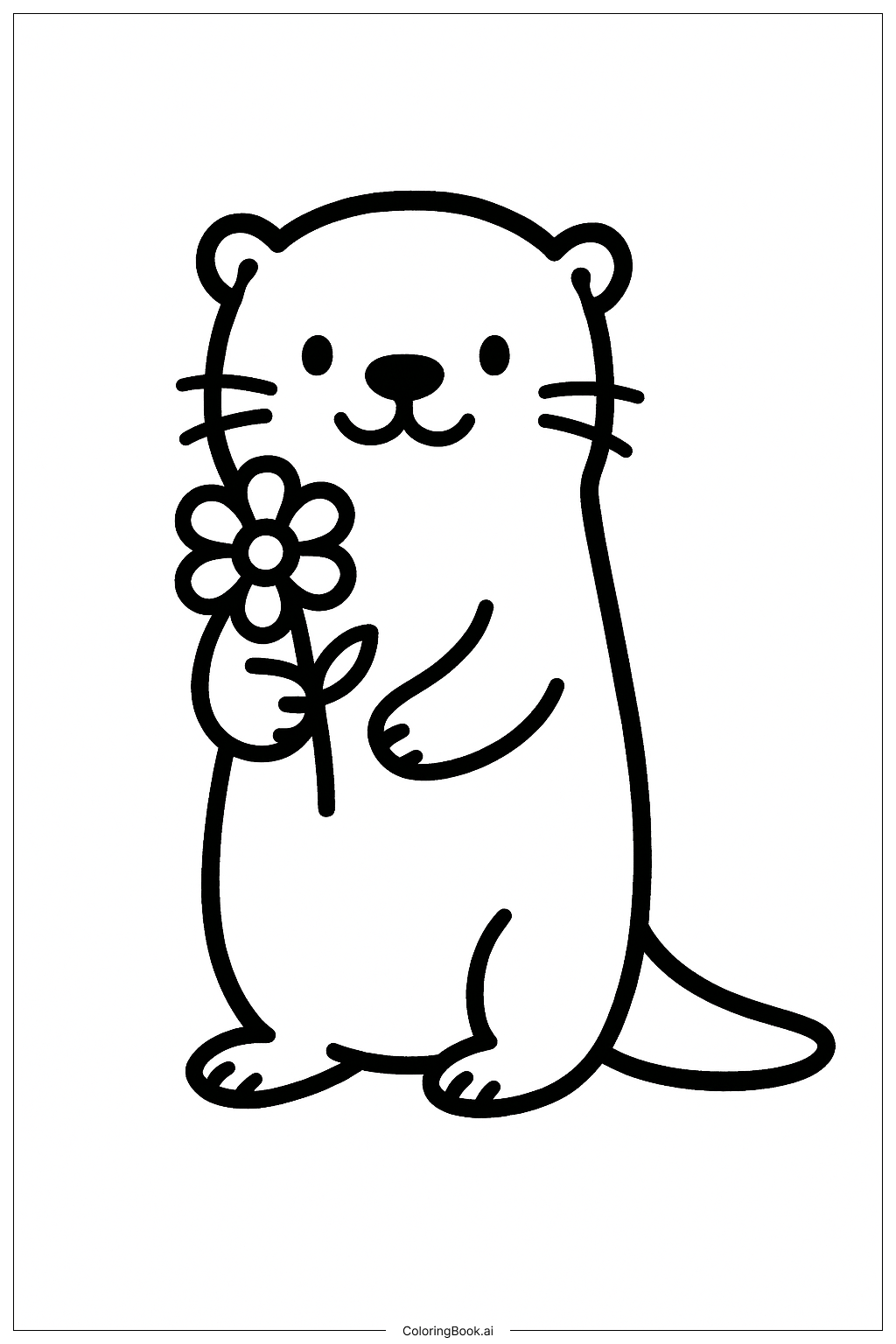
Start with the otter's body. Use warm brown or golden tan for the fur. Add a lighter cream or pale yellow on the belly to show softness. For the face, use a slightly lighter brown around the muzzle. The eyes can be colored dark brown or black with a tiny white highlight dot to bring them to life. The nose can be a small dark brown or black. For the flower, try bright cheerful colors like yellow, pink, or lavender for the petals, and a warm yellow or orange for the center. The stem and any leaves can be colored green. Keep your strokes smooth and light at first, then layer darker shades to add depth. Use light shading around the edges of the otter's body to give it a rounded, fluffy look. This image is great for practicing color blending and experimenting with nature-inspired color palettes.
Coloring challenges: Which parts are difficult to color and need attention for Otter With Simple Flower coloring page?
• Fur Texture and Shading: Otters have dense, layered fur that can be tricky to recreate with color. To show depth and texture, you need to use at least two or three shades of brown or tan. Blending from lighter tones on the belly to darker tones along the back and sides takes patience and a steady hand. Using short, directional strokes helps mimic the look of real fur.\n\n• Small Facial Details: The otter's face has small features like the eyes, nose, and muzzle area that are packed closely together. Coloring these tiny details neatly without going outside the lines requires a fine-tipped colored pencil or a thin marker. Getting the expression right, especially keeping it looking cute and friendly, means being careful with how much pressure you apply.\n\n• Flower Petals and Center: Although the flower looks simple, keeping each petal evenly colored and distinct from the center can be a challenge. If you want the flower to look vibrant, you need to avoid muddy colors where the petals meet the center. Choosing contrasting colors for the petals and the center helps them stand out clearly.\n\n• Separating the Otter from the Flower: Since the otter and flower are close together in the composition, it can be easy for their colors to visually blend into each other. Choosing colors that contrast well, for example a warm brown otter next to a bright pink or purple flower, helps both elements remain clearly defined and visually appealing.\n\n• Clean Background Coloring: If you choose to color the background, keeping it smooth and even without overlapping into the otter or flower outlines takes careful attention and a light, controlled hand.
Benefits of coloring books: Advantages of drawing Otter With Simple Flower coloring page
Coloring this otter and flower image offers a wide range of benefits for kids and adults alike. For younger children, it helps develop fine motor skills and hand-eye coordination as they practice staying within the lines. It also encourages color recognition and creativity as they choose which colors to use for the fur, petals, and background. For older kids and teens, the image provides a calm, focused activity that can help reduce stress and improve concentration. Coloring requires attention to detail, which builds patience and persistence over time. Adults who color this page can experience a meditative, relaxing effect that helps quiet a busy mind after a long day. The nature theme, featuring a gentle animal and a simple flower, connects colorists to the natural world and can spark an appreciation for wildlife. The image also allows for creative expression, since there are no strict rules about which colors to use. Whether you choose realistic tones or bold, imaginative hues, this coloring page is a joyful and rewarding experience for everyone who picks up a colored pencil or marker.