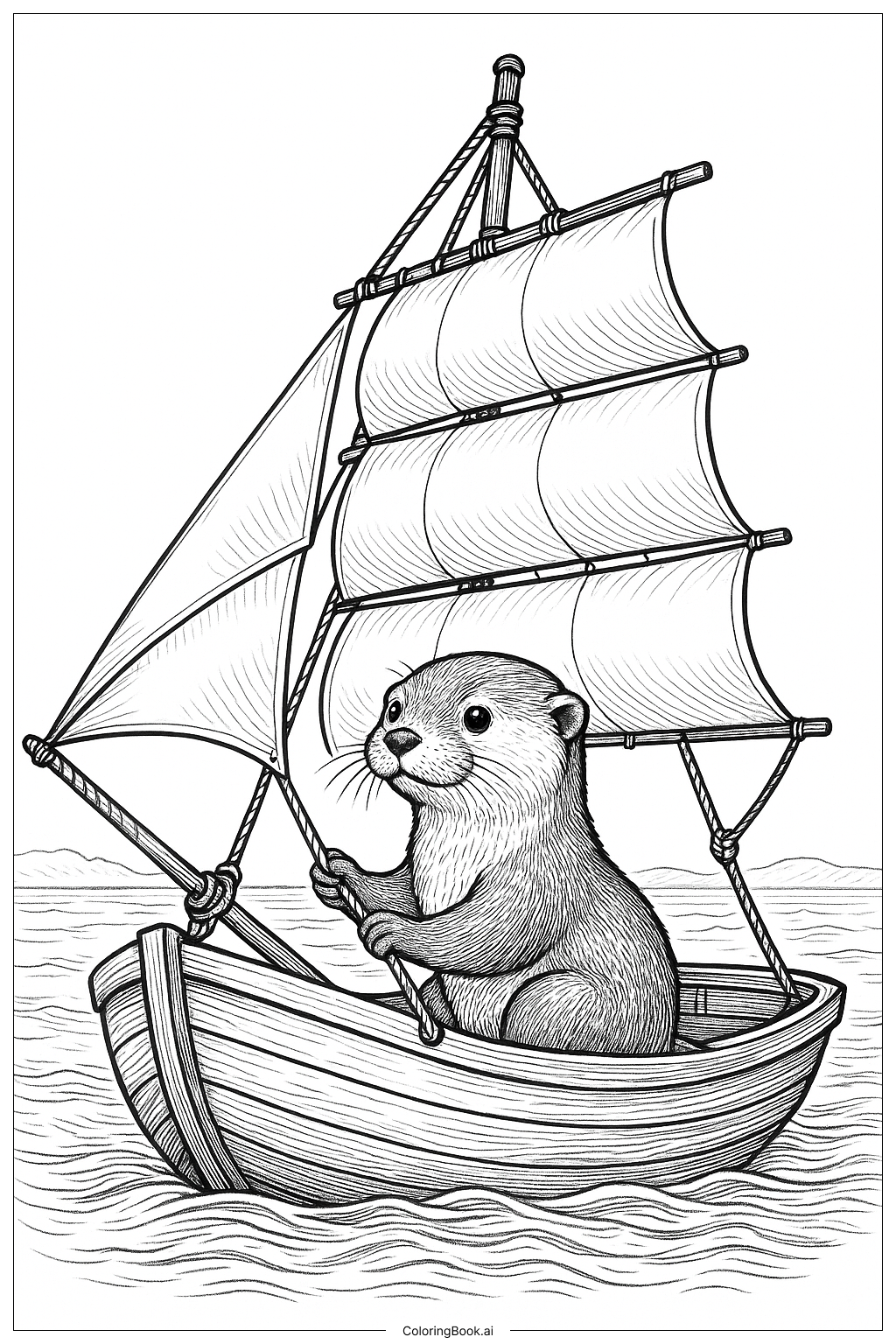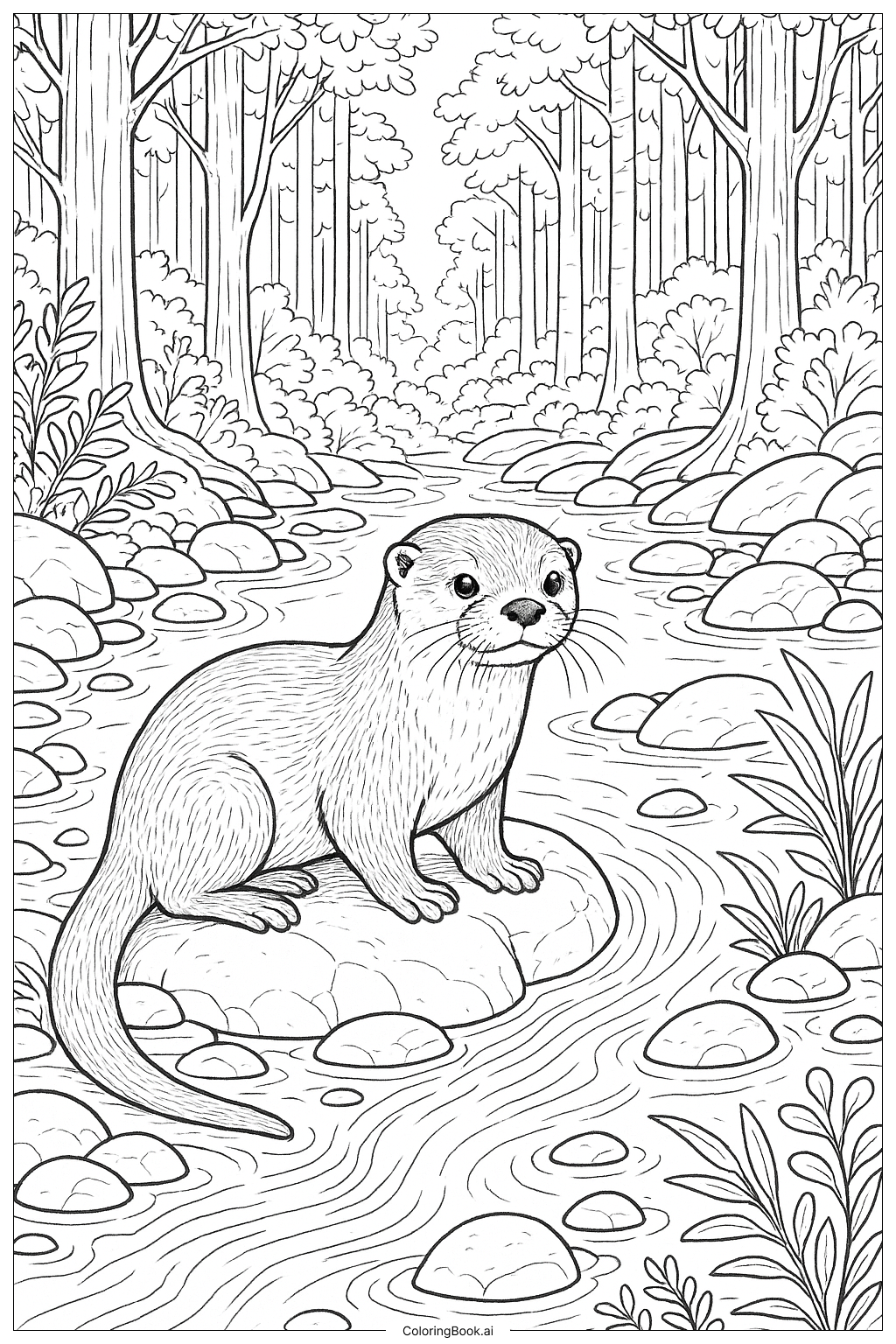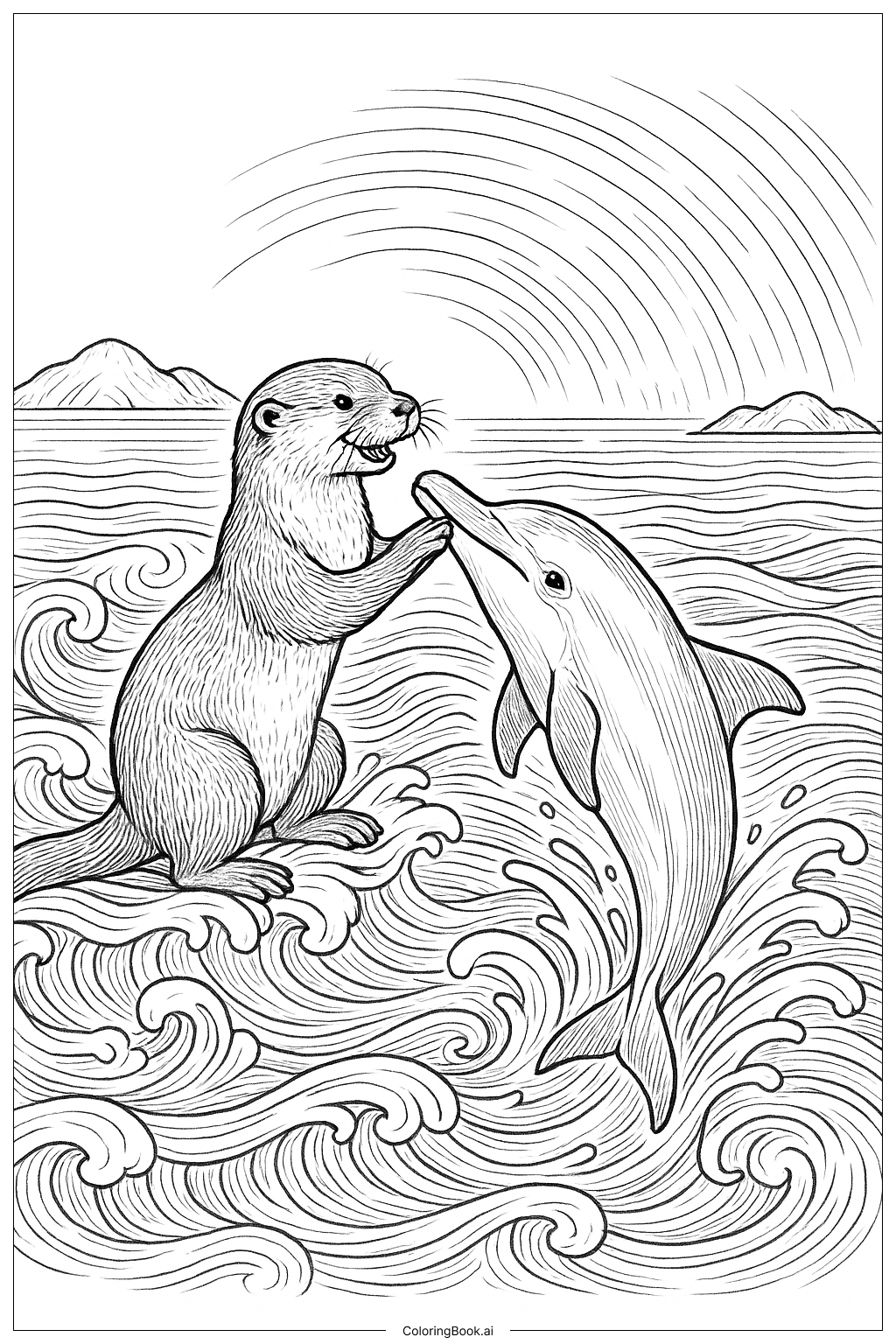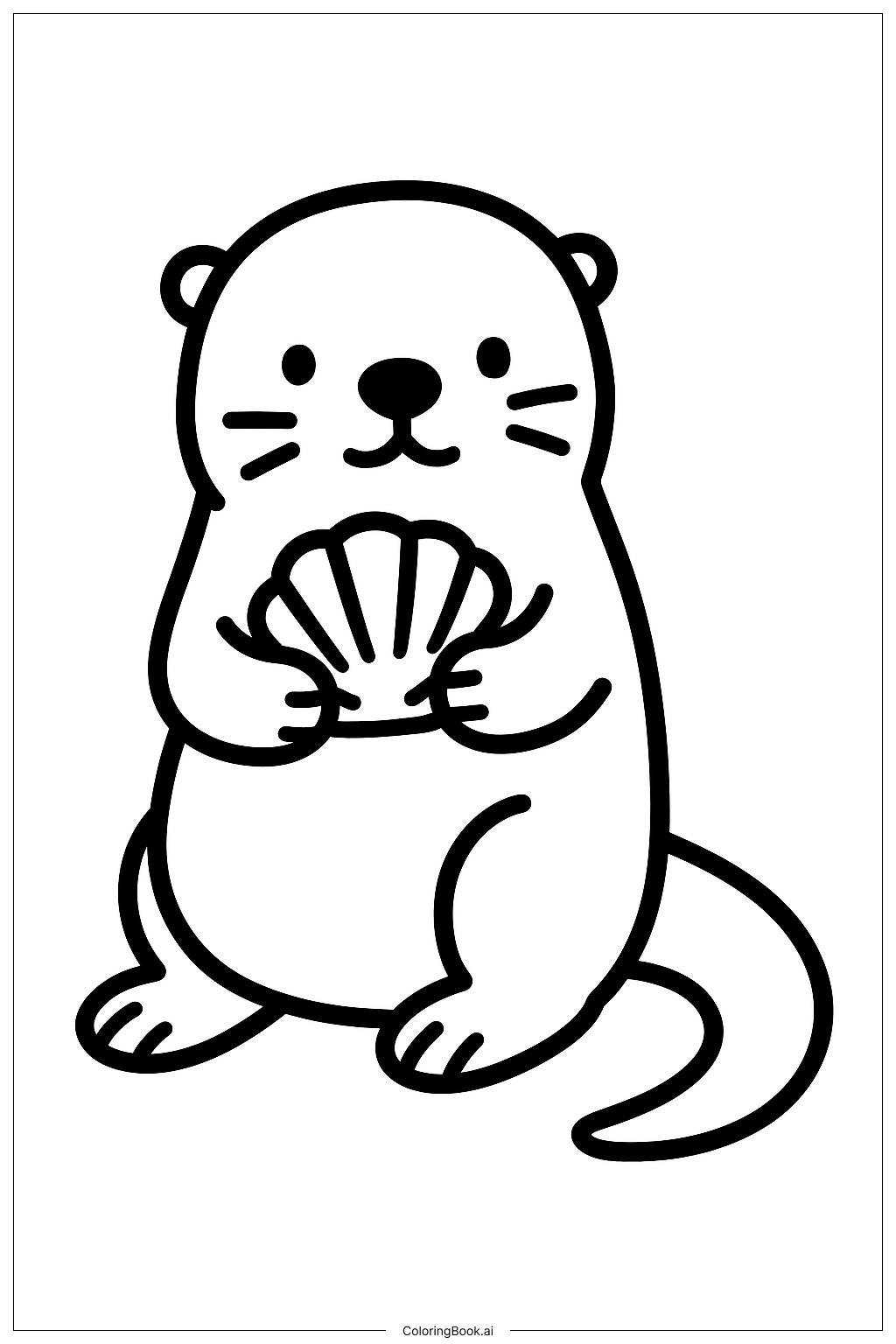
Coloring tips: How to color Otter With Seashell coloring page well?
Start with the otter's body using warm shades of brown. Use a lighter tan or cream color for the otter's belly and face. Add soft gray or white highlights on the fur to give it a fluffy look. For the seashell, try a mix of pink, peach, and cream tones. Use slightly darker shades along the spiral ridges to show depth. Color the inside of the shell with a soft rosy pink. For the water background, use light blues and teals. Make some areas darker to suggest gentle waves. Add light yellow or white for the bubbles to make them look shiny. Keep the pebbles in soft gray and brown tones. Use gentle, smooth strokes for the water and short, layered strokes for the fur. Blending colors softly will make the whole scene look calm and natural.
Coloring challenges: Which parts are difficult to color and need attention for Otter With Seashell coloring page?
• Fur Texture Details: The otter's body is covered with many small texture lines that represent thick fur. Coloring each section while keeping the strokes looking natural and consistent takes patience. Using short, light strokes in the direction of the fur helps, but staying within the fine lines without smudging can be tricky, especially for younger colorists.
• Seashell Shading and Depth: The seashell has spiral ridges and a curved, three-dimensional form. To make it look realistic, you need to use multiple shades of the same color family, applying darker tones in the grooves and lighter tones on the raised areas. Getting this gradual transition smooth without harsh color jumps is one of the more challenging parts of this image.
• Small Face Features: The otter's face includes tiny details like small eyes, a little nose, and a gentle smile. These areas are very small, so coloring them neatly requires a fine-tipped tool and a steady hand. Accidentally going outside the lines in this area can affect the otter's expression significantly.
• Water and Background Consistency: The background features soft waves and ripples. Keeping the water colors even and flowing across the whole background without creating streaks or uneven patches requires careful color blending. This is especially challenging when using colored pencils or crayons, which can leave visible stroke marks.
• Bubble Highlights: The small bubbles scattered around the scene need to look light and transparent. Leaving them uncolored or using very pale tones while making the surrounding background darker creates contrast. Managing this balance, especially around detailed areas, requires attention and planning before coloring begins.
Benefits of coloring books: Advantages of drawing Otter With Seashell coloring page
Coloring this otter and seashell image offers many wonderful benefits for kids and beginners. First, it helps build fine motor skills. Carefully coloring the fur lines and tiny face details trains hand control and precision. Second, it encourages creativity. Choosing colors for the shell, water, and otter lets kids make their own artistic decisions and feel proud of their work. Third, it teaches patience. Finishing a detailed image like this one requires focus and persistence, which are great habits to develop early. Fourth, it is calming and relaxing. The gentle ocean theme, with soft waves and bubbles, creates a peaceful mood that can help reduce stress and anxiety. Fifth, it builds color awareness. Experimenting with shading on the seashell and blending tones on the fur helps young colorists understand how colors interact. Finally, completing the image gives a strong sense of achievement. Seeing a finished, colorful otter scene is rewarding and motivating for colorists of all ages.