Coloring tips: How to color Otter Waving Paw coloring page well?
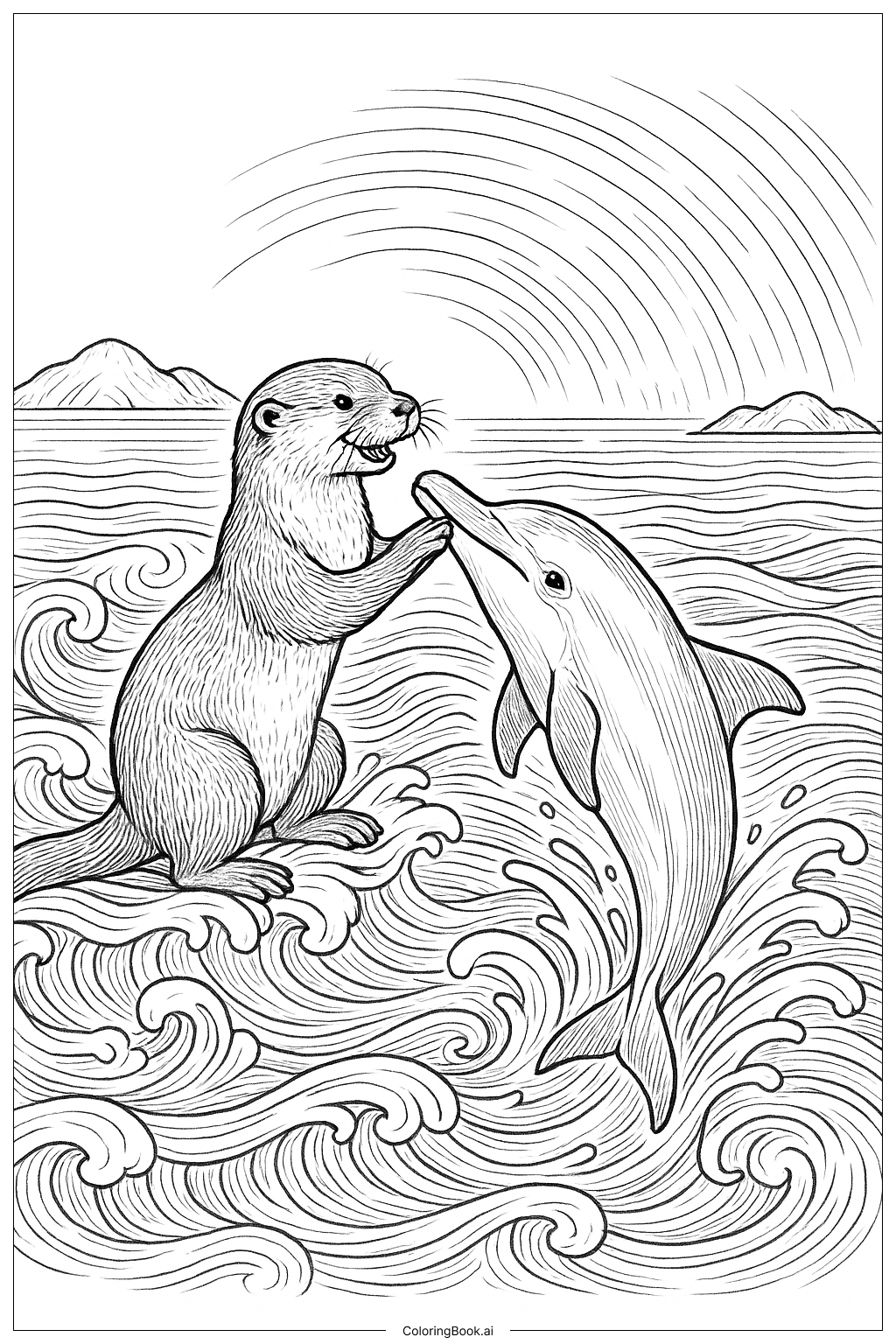
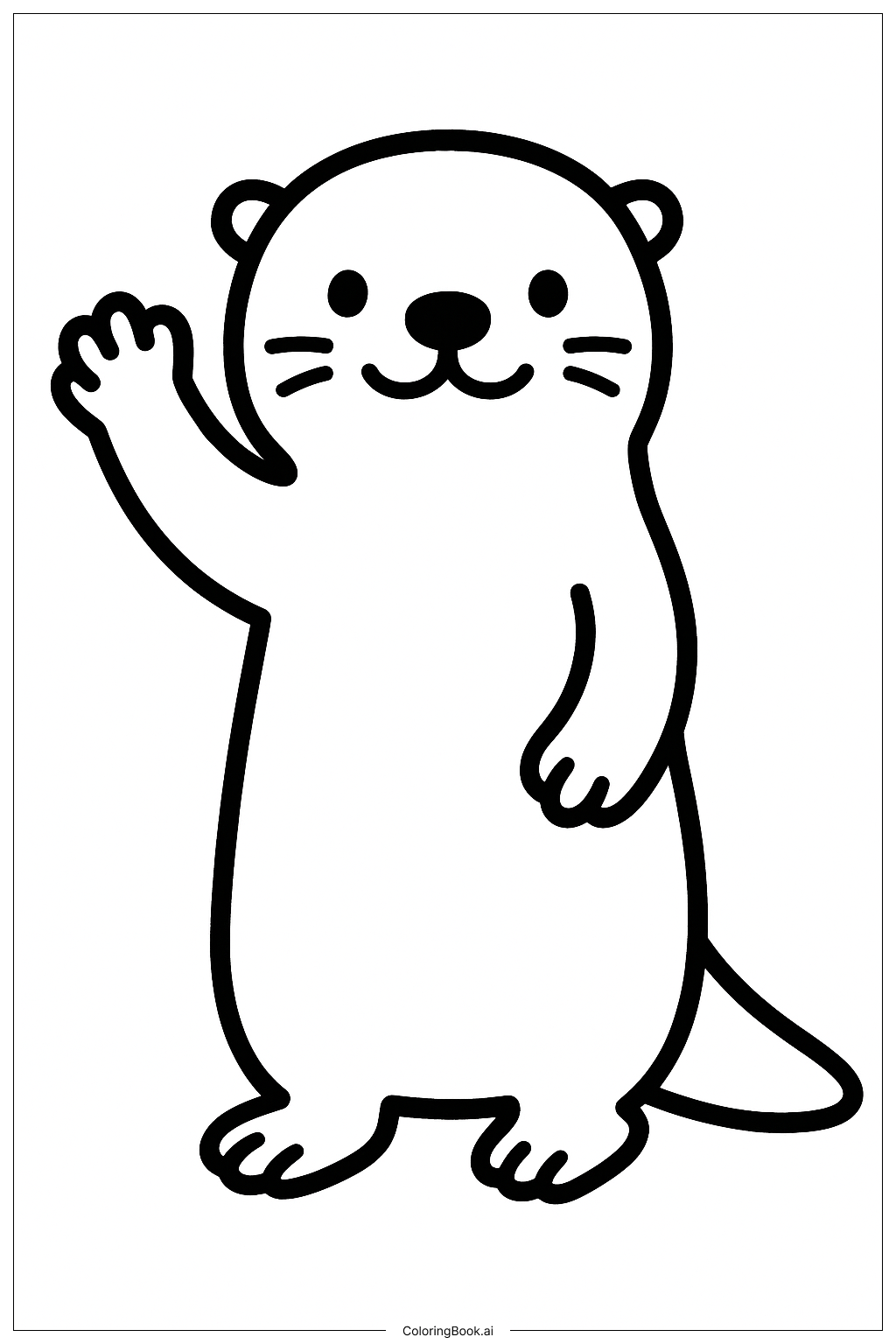
Try using soft brown or gray shades to color the otter’s fur for a natural look. You can make the nose and eyes solid black to create contrast. Add lighter colors like cream or light tan on the otter’s cheeks and belly for variety. For the paws and tail, use similar colors but keep them a little darker or lighter. Feel free to use bright colors for the background or fun patterns to make your page more lively and creative.
Coloring challenges: Which parts are difficult to color and need attention for Otter Waving Paw coloring page?
1. The otter’s paw with raised fingers might be tricky to color inside the small spaces neatly. 2. The thin whiskers are small and need careful coloring to avoid going outside the lines. 3. The edges where the arms and body meet have curves that require close attention to stay within the lines. 4. Coloring the tail smoothly while keeping it even in tone might be a little challenging. 5. Maintaining different shades on the belly and face while keeping the overall otter looking natural can be tough for beginner colorers.
Benefits of coloring books: Advantages of drawing Otter Waving Paw coloring page
Coloring this otter page helps children improve their hand-eye coordination and fine motor skills. It encourages creativity as kids choose colors and decide how to shade the otter. The simple design helps build confidence because it’s not too difficult. It can also teach kids about animals and their body parts like paws and tails, making the activity educational and fun.