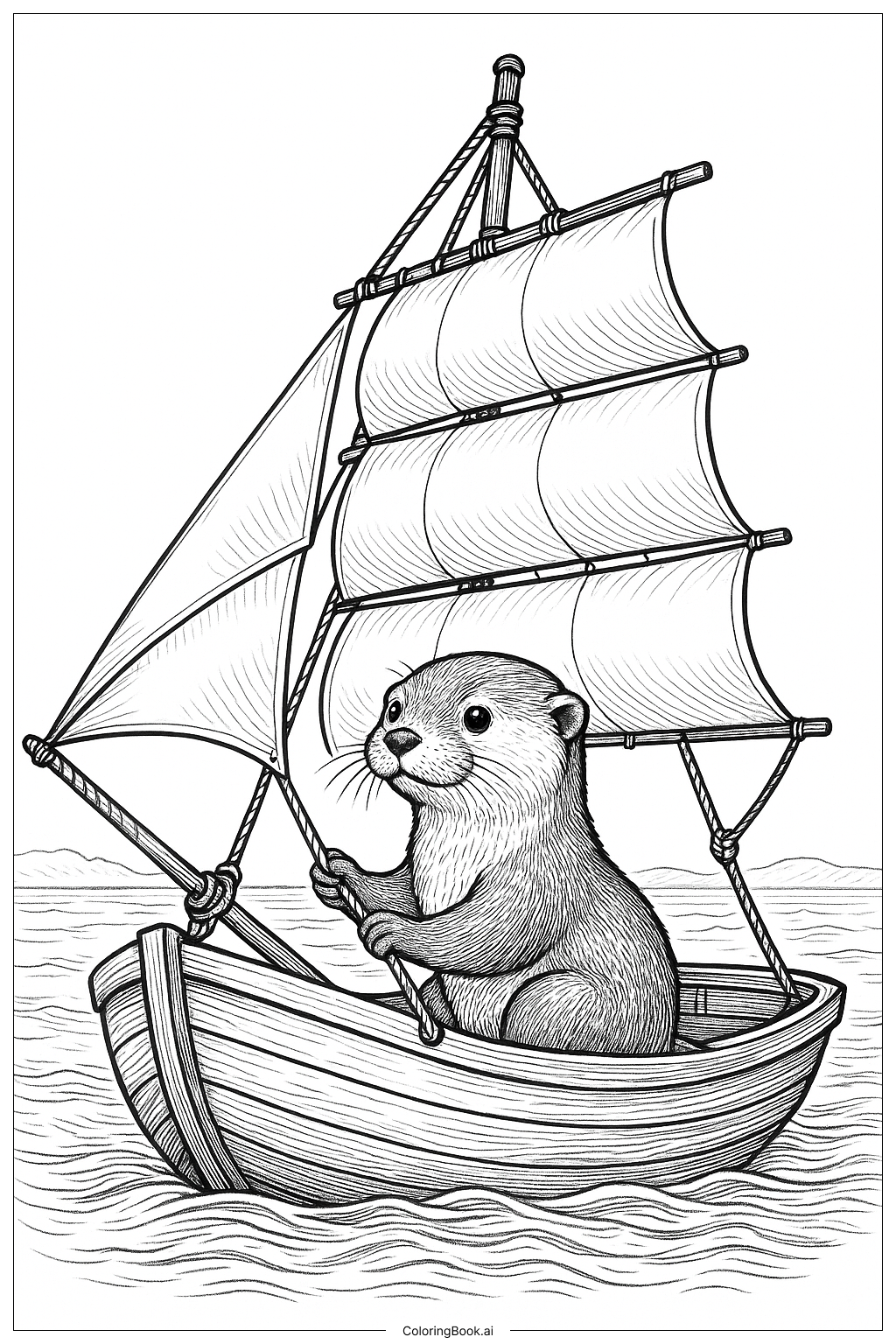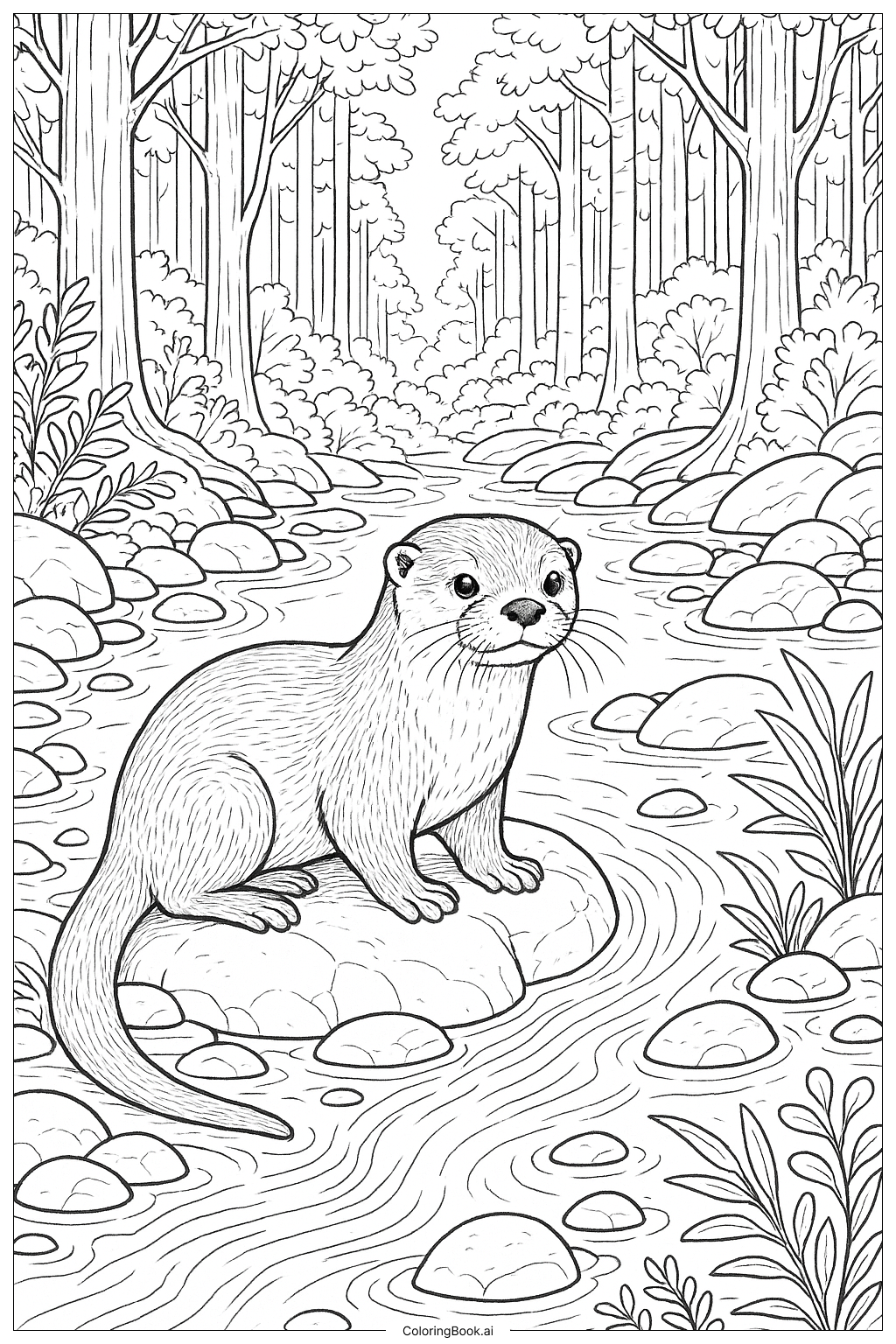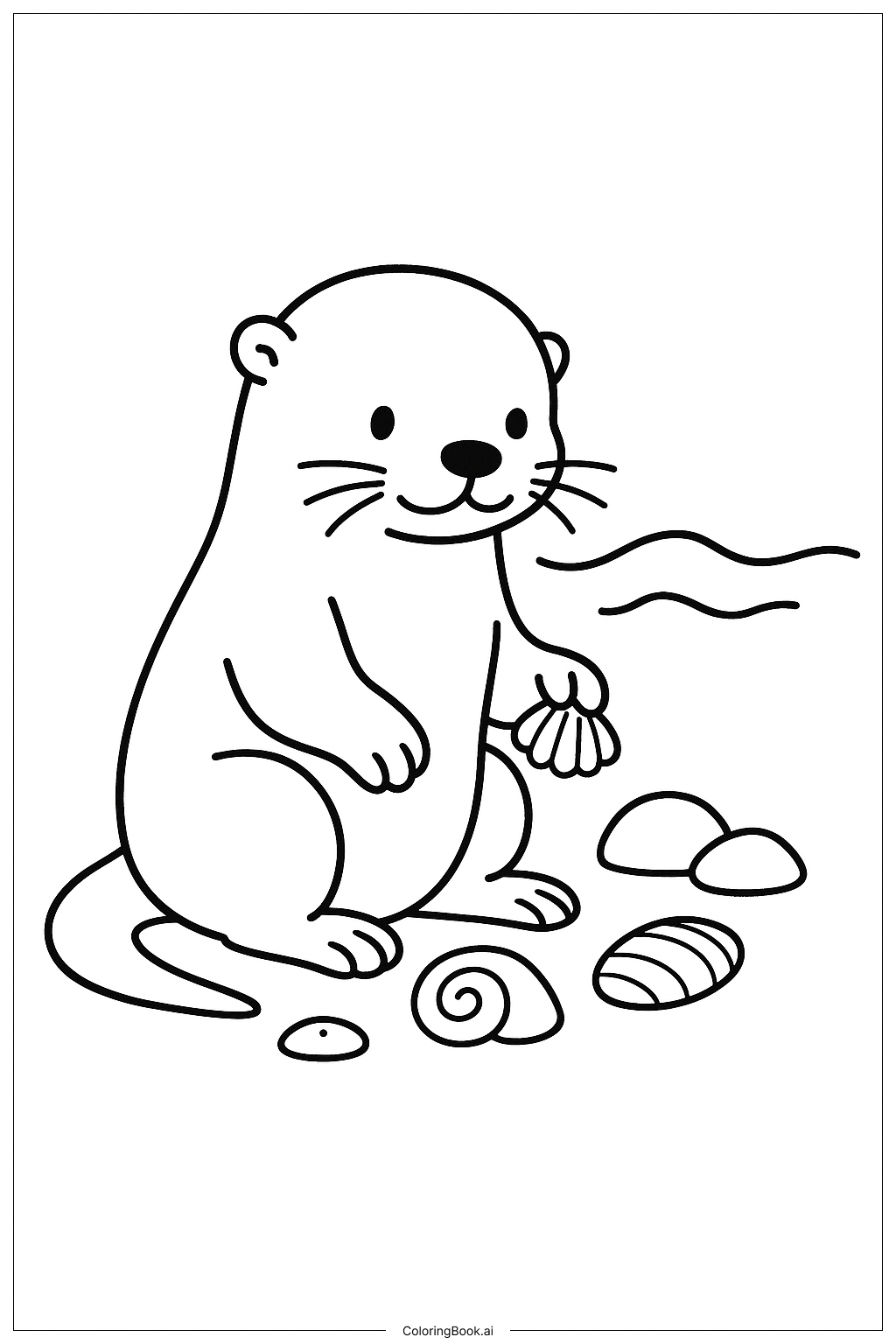
Coloring tips: How to color Otter Playing With Shells coloring page well?
Use brown or gray shades for the otter's fur to make it look natural. You can add lighter colors for the tummy and face to add contrast. For the shells, use a variety of bright colors like pink, orange, yellow, purple, and blue to make each shell unique and interesting. The water can be colored in different shades of blue or green. Try to use soft, smooth strokes to color the otter's fur and more detailed patterns for the shells. Remember to stay inside the lines to make the picture neat.
Coloring challenges: Which parts are difficult to color and need attention for Otter Playing With Shells coloring page?
1. Coloring the otter’s small paws and face can be tricky because they are small and need careful coloring to avoid going outside the lines.
2. The shells have many different shapes and patterns, so it might be hard to pick different colors and keep the details clear.
3. The waves in the background are thin and curved, which requires careful coloring to stay inside the lines.
4. Adding shading and highlights to the otter’s fur to make it more realistic can be difficult for younger children.
5. Balancing different colors between the otter, shells, and water without making it look messy may be a challenge.
Benefits of coloring books: Advantages of drawing Otter Playing With Shells coloring page
Coloring this otter picture helps children improve their hand-eye coordination and fine motor skills as they fill in small areas like the paws and shells. It encourages creativity because kids can choose many colors for the shells and water. It also teaches children about nature by showing an animal and its environment. Coloring carefully inside the lines helps to develop focus and patience. Overall, this activity is fun and relaxing, giving children a sense of accomplishment when they finish.