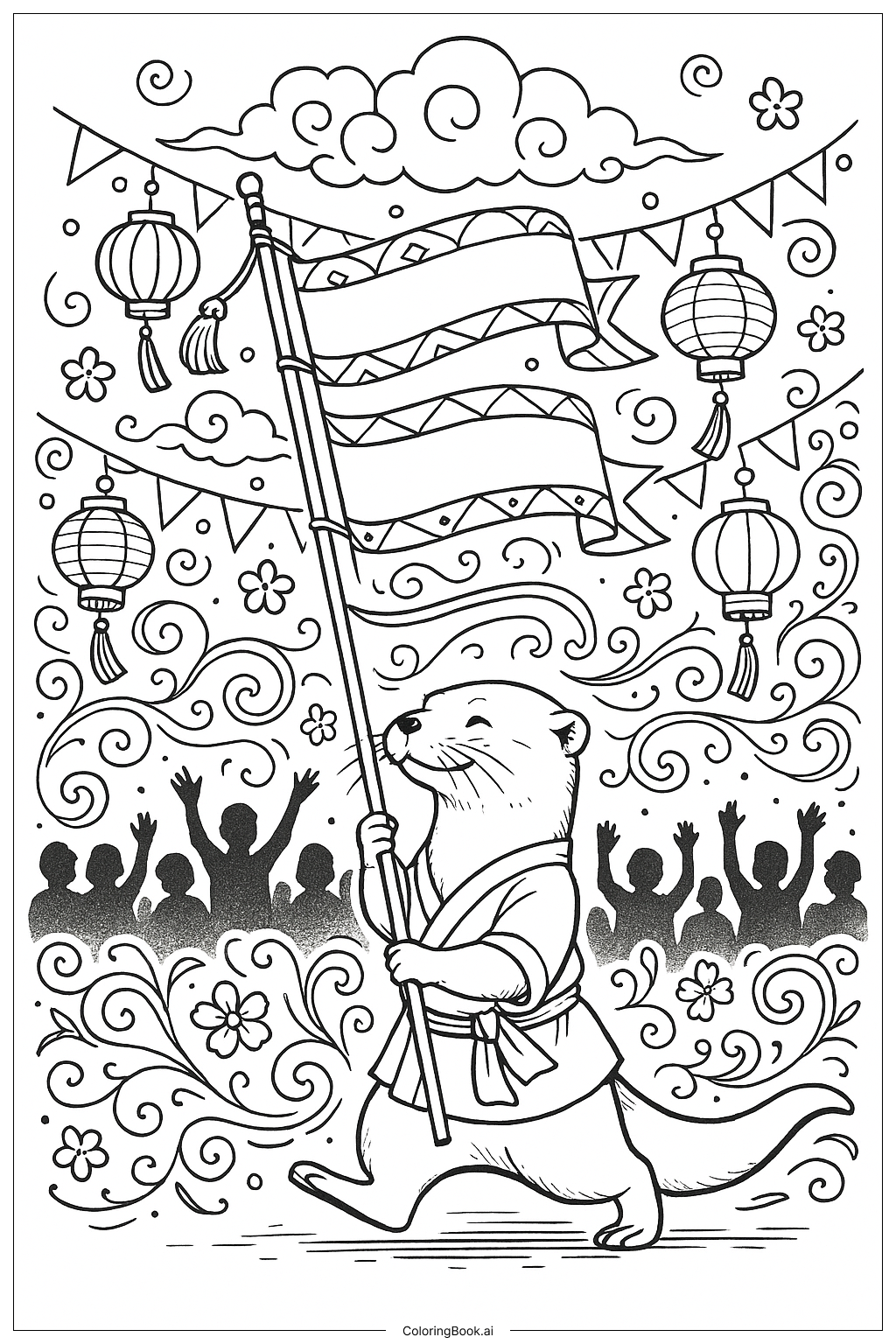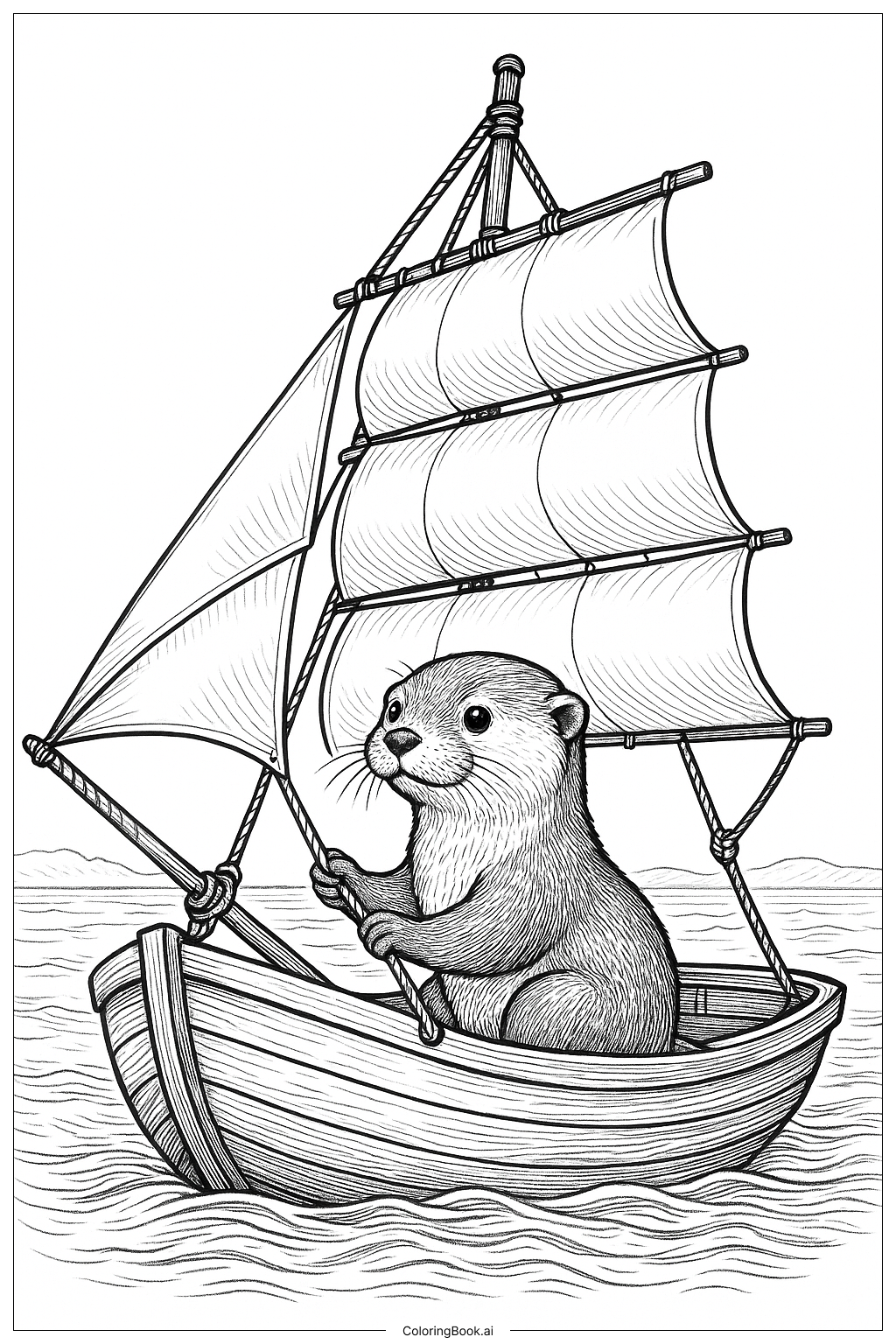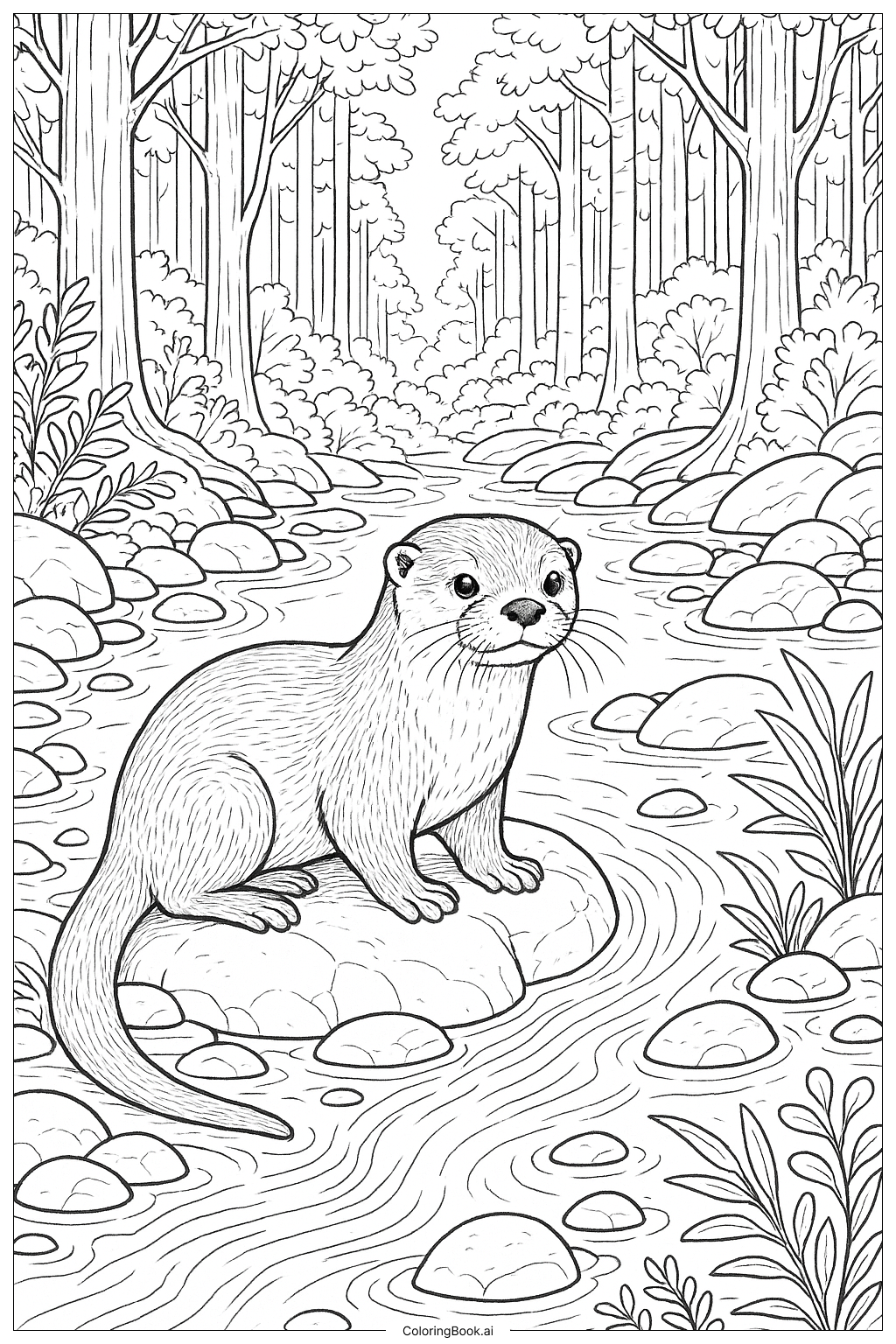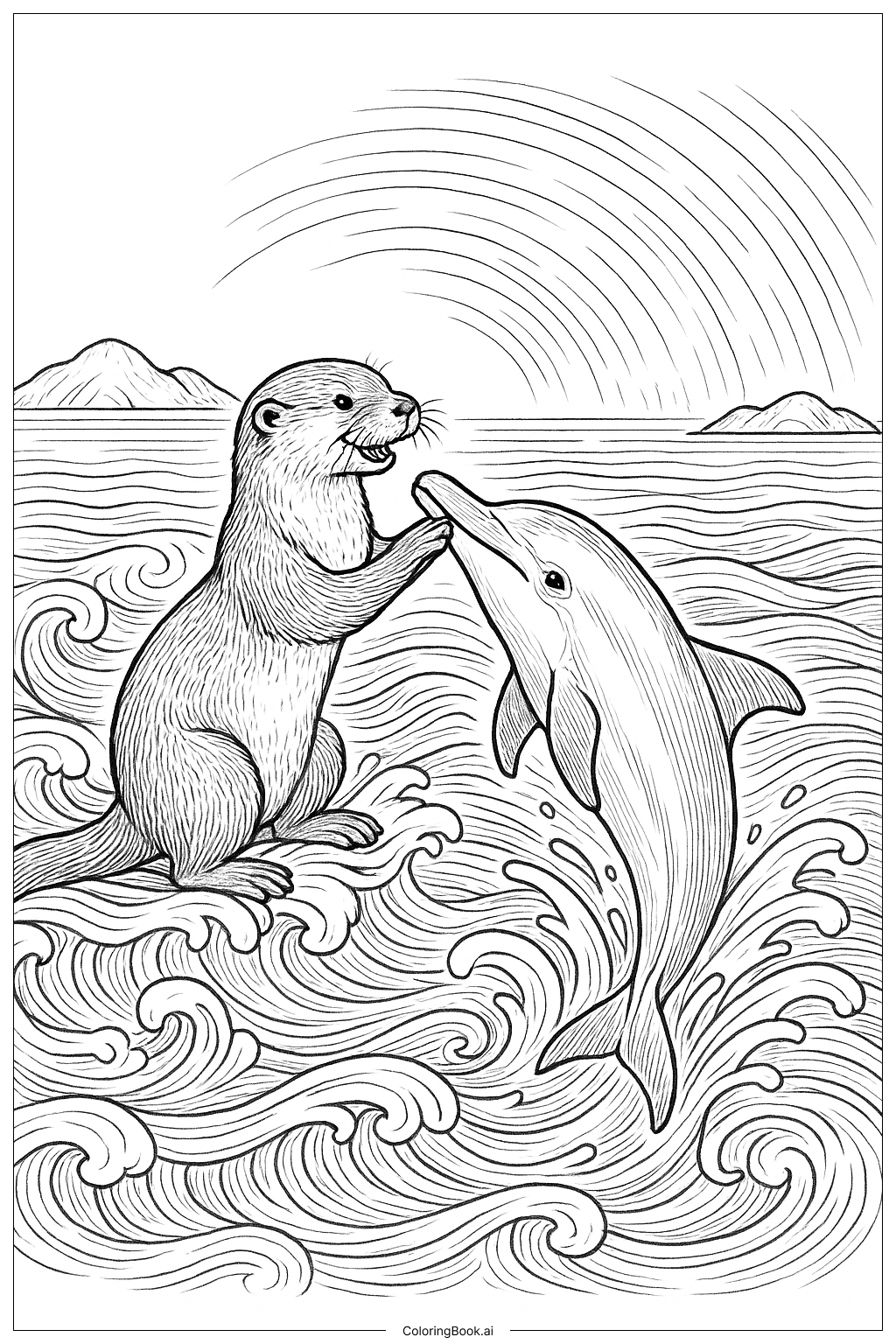
Coloring tips: How to color Otter In Small Pond coloring page well?
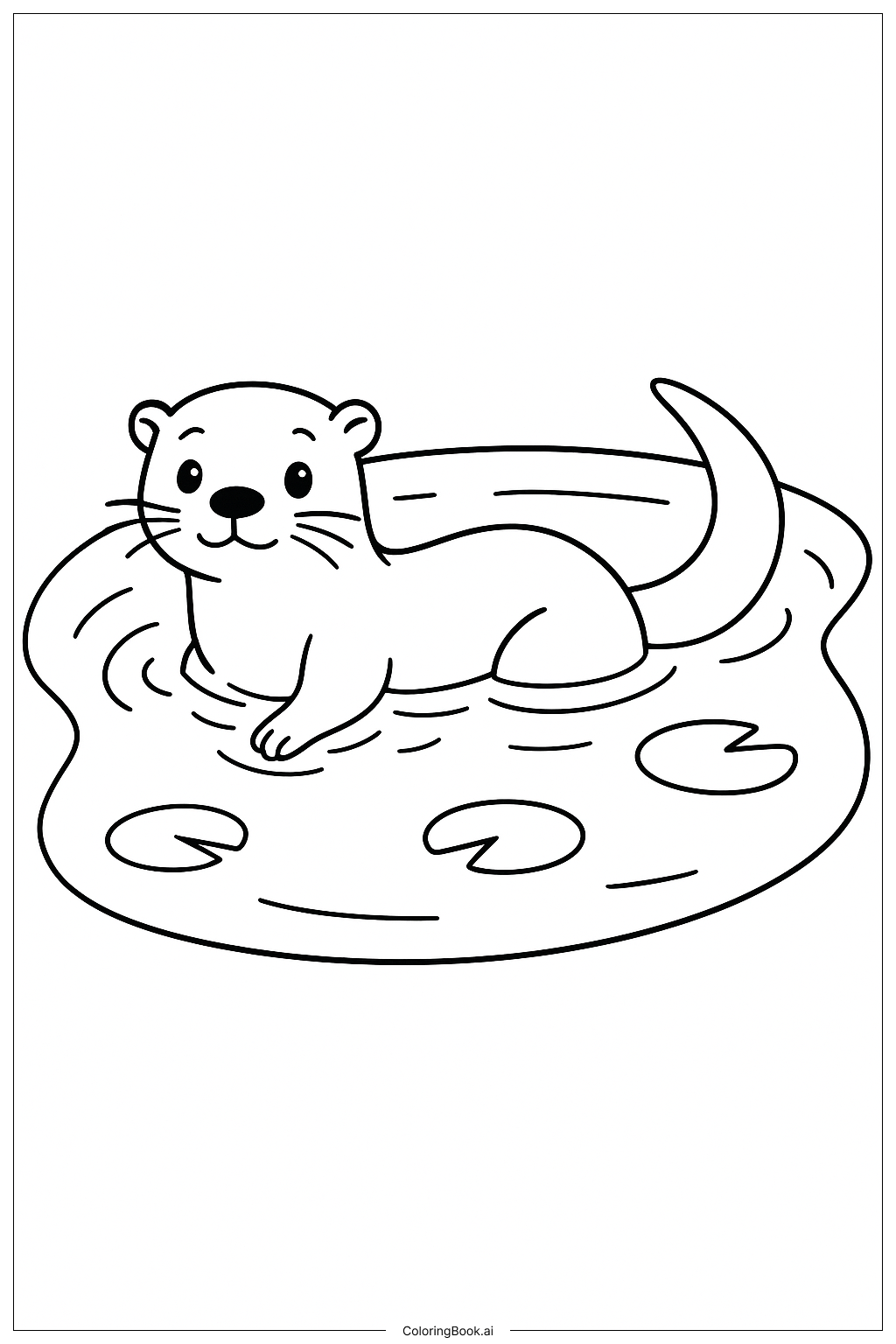
For the otter, you can use warm brown or grayish tones to bring it to life. The lily pads can be colored green, with different shades to show details. Use light blue or turquoise for the water to make it look fresh and clean. You can add a little white or lighter blue to highlight the water waves. Try blending colors gently in the water for a natural effect.
Coloring challenges: Which parts are difficult to color and need attention for Otter In Small Pond coloring page?
1. Coloring the otter’s body evenly can be tricky because its shape is long and needs smooth shading.
2. The water has many small waves, which can be hard to color without going outside the lines.
3. The lily pads are small and close to the otter, requiring careful attention to detail.
4. Choosing colors that look good together for water and land may need some thought.
5. Keeping the smile and eyes of the otter neat without over-coloring might be a challenge for younger children.
Benefits of coloring books: Advantages of drawing Otter In Small Pond coloring page
Coloring this otter scene helps kids practice fine motor skills as they color small parts like the lily pads and water waves. It encourages creativity by choosing colors for the otter and the pond. This picture also helps children focus on staying within lines, improving hand-eye coordination. Plus, it can be calming and fun to bring a peaceful pond scene to life with colors.