Coloring tips: How to color Otter Floating On Back coloring page well?
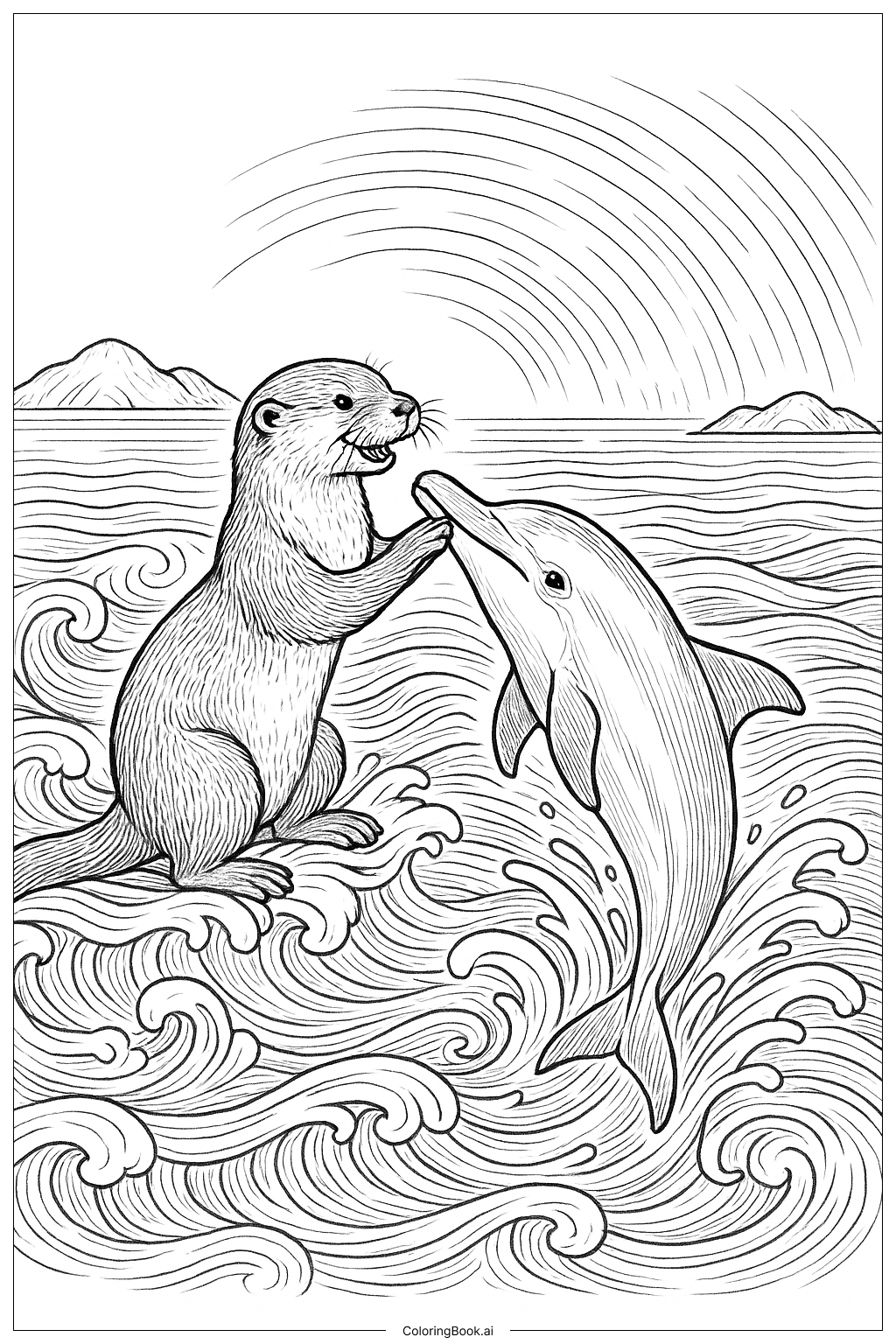
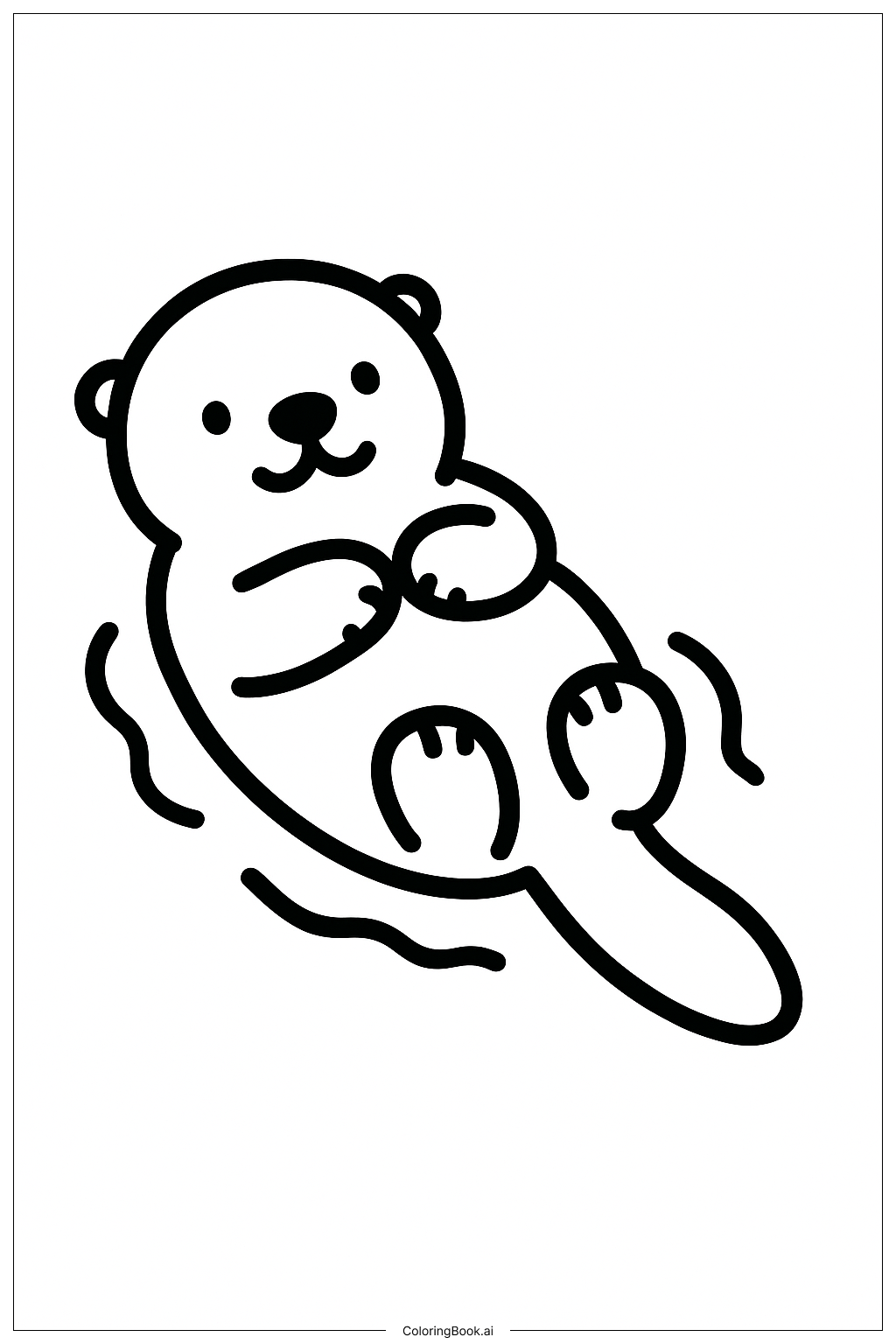
Use soft browns and tans for the otter's fur to make it look warm and cuddly. You can add lighter shades for the belly and muzzle area to create contrast. For the water, try using different shades of blue and green to feel fresh and natural. Adding light highlights on the water waves with white or a very light blue can make it look more realistic. Remember to color the otter's nose and eyes black or dark brown for definition. You can also use a slight shadow under the otter to show its floating position on the water surface.
Coloring challenges: Which parts are difficult to color and need attention for Otter Floating On Back coloring page?
1. Staying within the small curved lines of the otter’s paws and tail can be tricky for younger kids. 2. Creating smooth transitions between different shades on the otter’s fur to look natural might be difficult. 3. Coloring the water waves without making it too dark or too light requires some balance. 4. Making the eyes and nose stand out clearly without coloring outside the lines needs careful attention. 5. Adding shadows below the otter to show floating effect is a subtle detail that might be challenging for beginners.
Benefits of coloring books: Advantages of drawing Otter Floating On Back coloring page
Coloring this otter picture helps children develop fine motor skills by practicing careful coloring inside lines. It also encourages creativity when choosing colors for the otter and water. This activity can improve focus and patience. Plus, it teaches kids about animals and nature in a fun way while they relax and enjoy coloring something cute and peaceful.