Coloring tips: How to color Otter Eating Snack coloring page well?
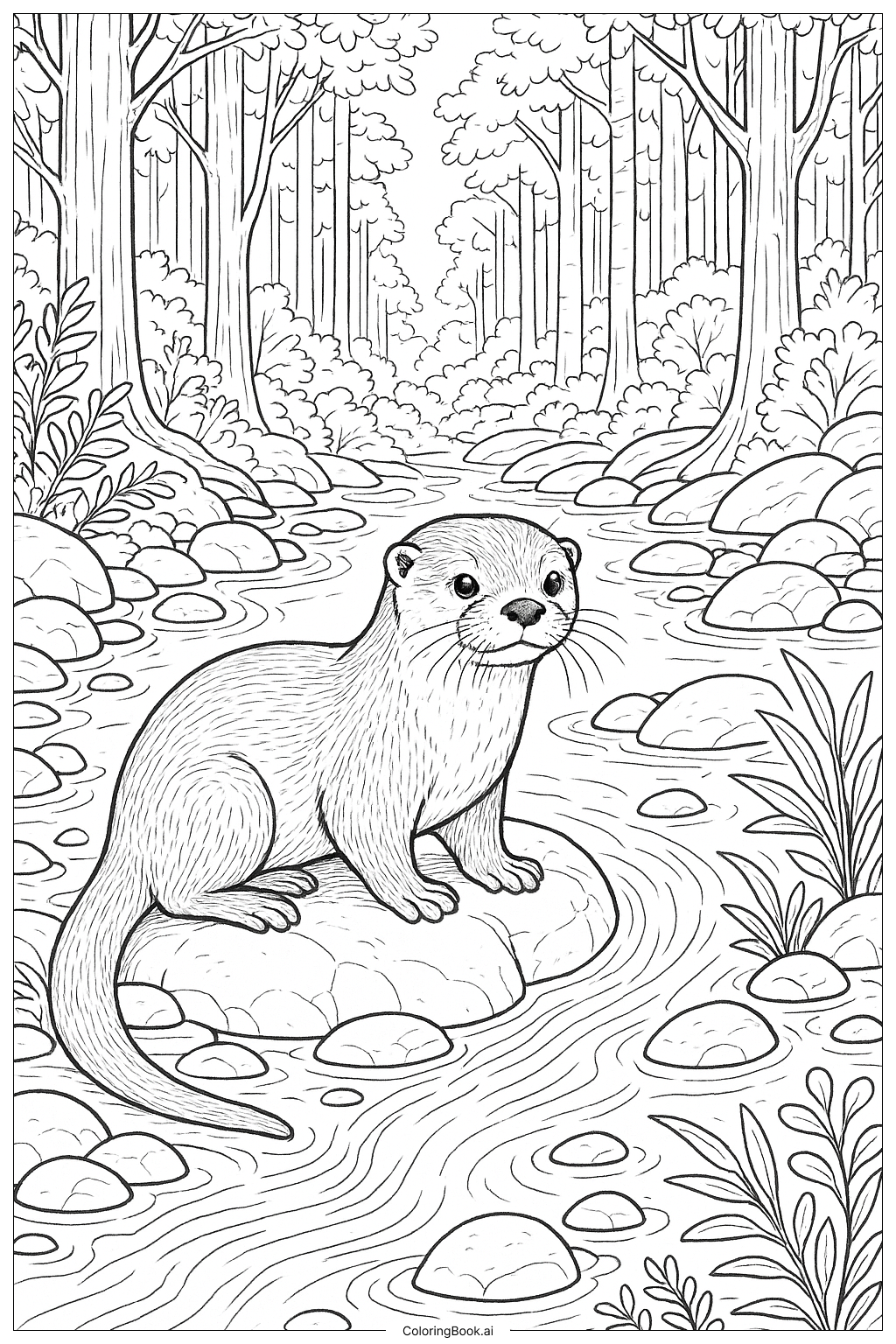
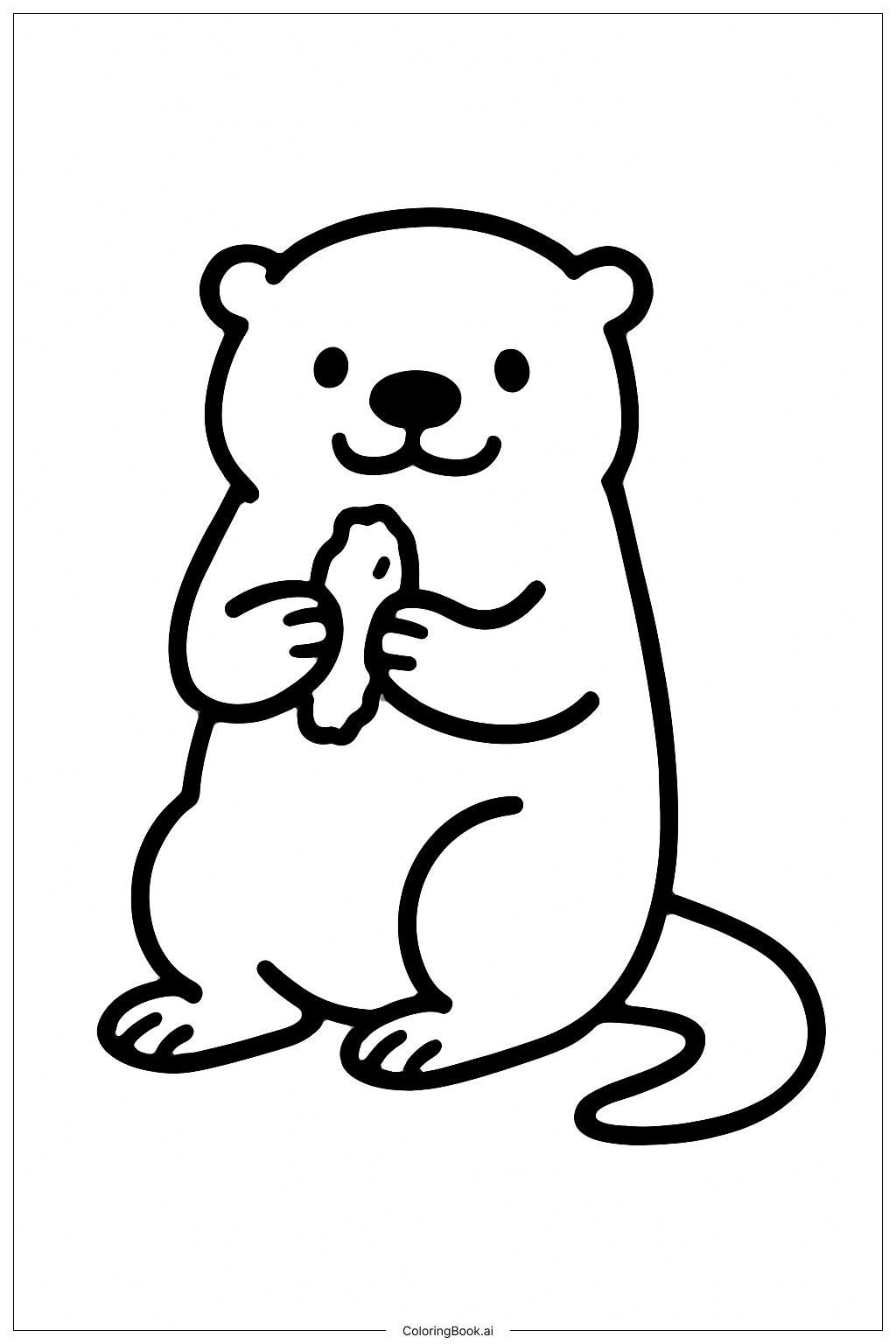
Use soft brown or gray tones to color the otter's fur for a natural look. The otter's nose and eyes can be colored black to make them stand out. You can make the snack a light tan or cream color to look like fish or nuts. For extra creativity, add a gentle blue or green background to suggest water or nature. Use lighter shades for the otter's belly and inside the ears to add depth. Coloring the paws and tail with a slightly darker shade than the body can make the otter come alive. Remember to color carefully inside the lines to keep the picture neat and pretty.
Coloring challenges: Which parts are difficult to color and need attention for Otter Eating Snack coloring page?
1. The otter's paws are small and close together while holding the snack, which might be tricky to color neatly without going outside the lines. 2. The snack itself has an uneven shape requiring careful attention to detail to color fully and evenly. 3. The rounded body of the otter might challenge young colorers to shade or color evenly without making it look patchy. 4. The facial features are small and need precision to color the eyes and nose without smudging. 5. Coloring the tail, which curls around, may need extra care to stay within the curved lines and maintain the shape clearly.
Benefits of coloring books: Advantages of drawing Otter Eating Snack coloring page
Coloring this otter helps children improve hand-eye coordination and fine motor skills. It encourages creativity as they choose colors and practice shading. The simple shapes boost confidence in young colorers by being easy to fill in, while the detailed paws and snack help refine precision. Coloring the adorable otter can also teach kids about animals and nature, making the activity both fun and educational.