Coloring tips: How to color Otter Blowing Bubbles coloring page well?
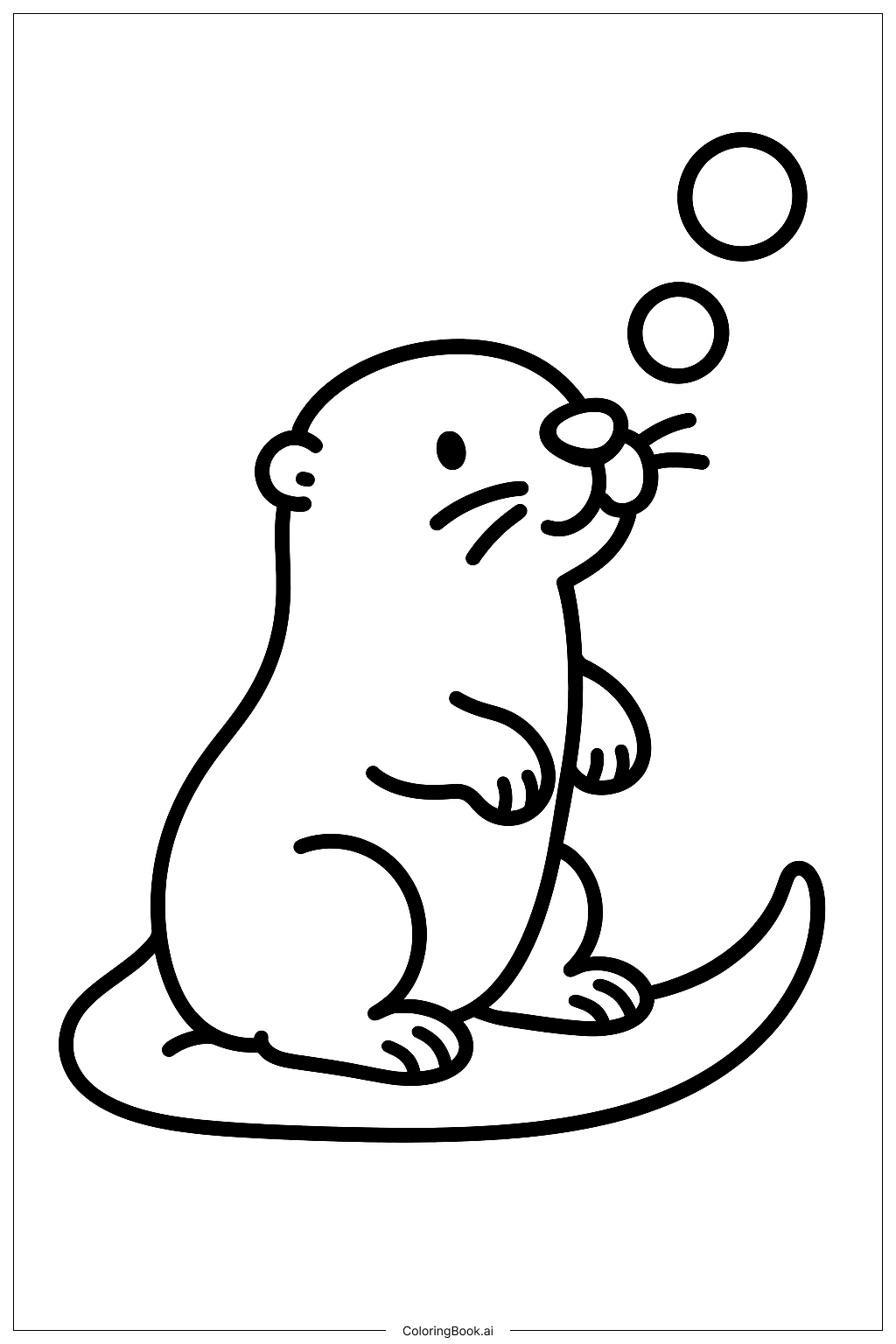
Use shades of brown and gray for the otter's body to reflect the natural colors of otters. You can color the nose and paws in a darker shade to make them stand out. The bubbles can be colored with light blue or soft pastel colors to show their light and airy nature. Consider using gentle strokes for the bubbles so they look shiny and transparent. Add some blue or green around the otter to suggest water or grass background if you want to create a natural setting.
Coloring challenges: Which parts are difficult to color and need attention for Otter Blowing Bubbles coloring page?
1. Small Details: The otter's paws and whiskers are small and require careful coloring to stay within the lines. 2. Bubble Transparency: Coloring the bubbles is tricky because they are usually see-through and shiny. 3. Smooth Curves: The otter's body has smooth curved lines that require steady hand movement to color neatly. 4. Limited Detail: Since the design is simple, using shading can be hard but necessary to show depth. 5. Color Choice: Choosing the right colors to make the otter look natural can be challenging for beginners.
Benefits of coloring books: Advantages of drawing Otter Blowing Bubbles coloring page
Coloring this otter helps children improve their fine motor skills by practicing small, careful strokes. It encourages creativity by allowing them to choose colors and imagine the otter’s world. Working on bubbles teaches patience and precision because they need light coloring to look realistic. Coloring simple shapes with meaning helps build focus and hand-eye coordination. This activity also introduces kids to nature and animals, sparking interest and learning.