Coloring tips: How to color Happy Otter coloring page well?
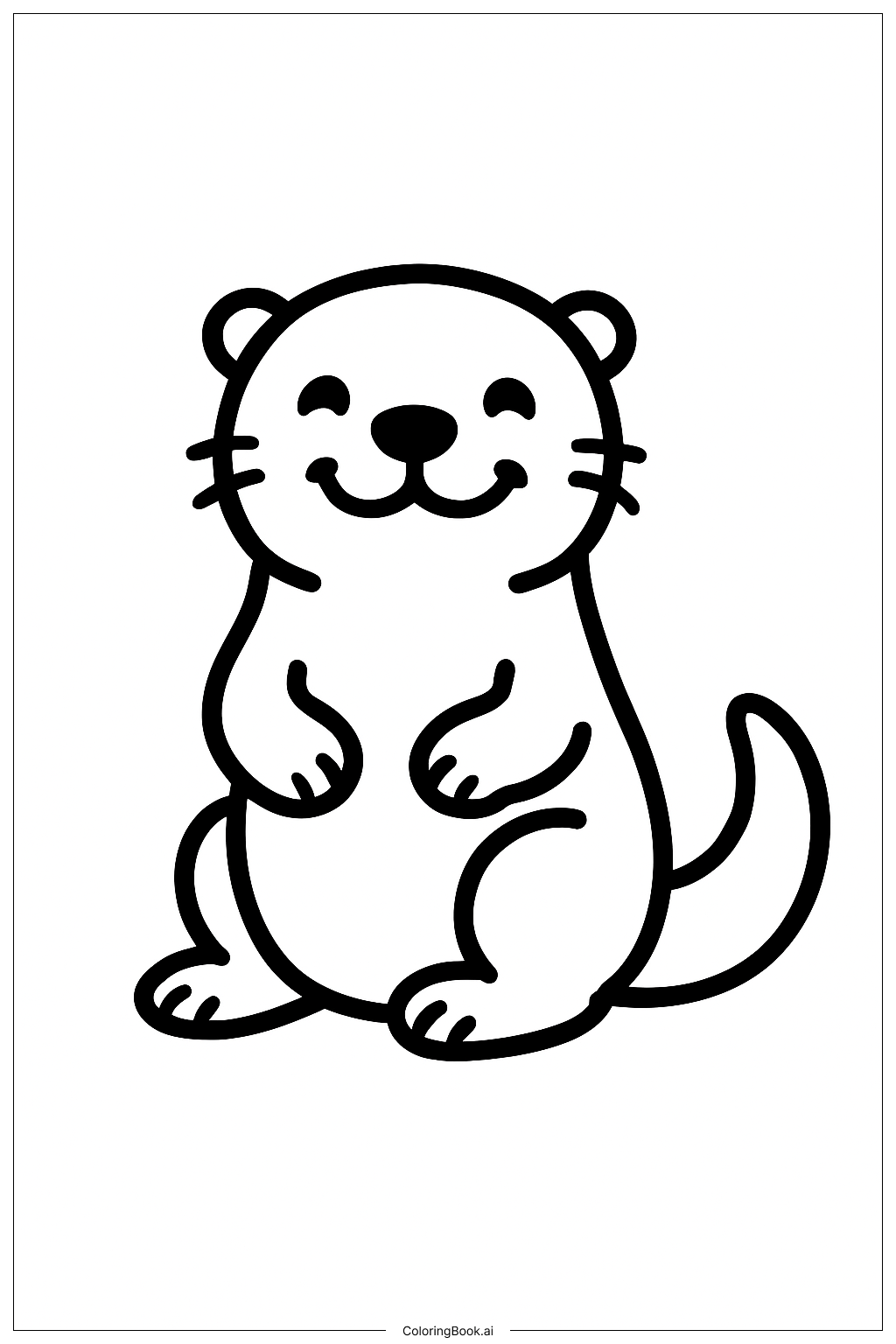
For this Happy Otter, consider using warm brown shades for its fur to make it look soft and natural. Light to medium brown colors can be used for the main body, while darker browns or black can add depth to the whiskers and nose area. For the eyes, use dark colors with a little white space left uncolored to show shine and life. The surface where the otter sits can be colored in gentle greens or blues to represent grass or water. You can also add fun colors like light blues or purples for the background to bring more joy to the scene. Feel free to mix lighter shades to show the fluffy texture, and darker lines to highlight the edges.
Coloring challenges: Which parts are difficult to color and need attention for Happy Otter coloring page?
• Fur Texture: Coloring the fine lines that show the otter's fluffy fur can be challenging because it requires careful shading to avoid uneven coloring while still showing texture.
• Small Details: The otter's facial features, including the eyes, whiskers, and nose, are small and need precise coloring to keep them clear and expressive.
• Contrast Balance: Balancing light and dark browns to show the otter’s three-dimensional shape might be hard for beginners; too much dark color can make the image look flat.
• Background Elements: Any surrounding plants or water surfaces may have subtle outlines that need gentle coloring without overpowering the main subject.
• Paw Positioning: The raised paws have overlapping lines and curves which require attention to avoid coloring outside lines and to keep the shapes distinct.
Benefits of coloring books: Advantages of drawing Happy Otter coloring page
Coloring this Happy Otter helps improve fine motor skills, especially when working within the detailed fur lines and small facial areas. It encourages concentration and patience because of the careful shading needed to create depth. The joyful expression and natural setting promote creativity as you choose colors to express happiness and nature. This image also teaches children about animals and their habitats, inviting them to learn while having fun. Overall, coloring this image offers relaxation and boosts artistic confidence through a rewarding and engaging activity.