Coloring tips: How to color Orca Balancing Hoop coloring page well?
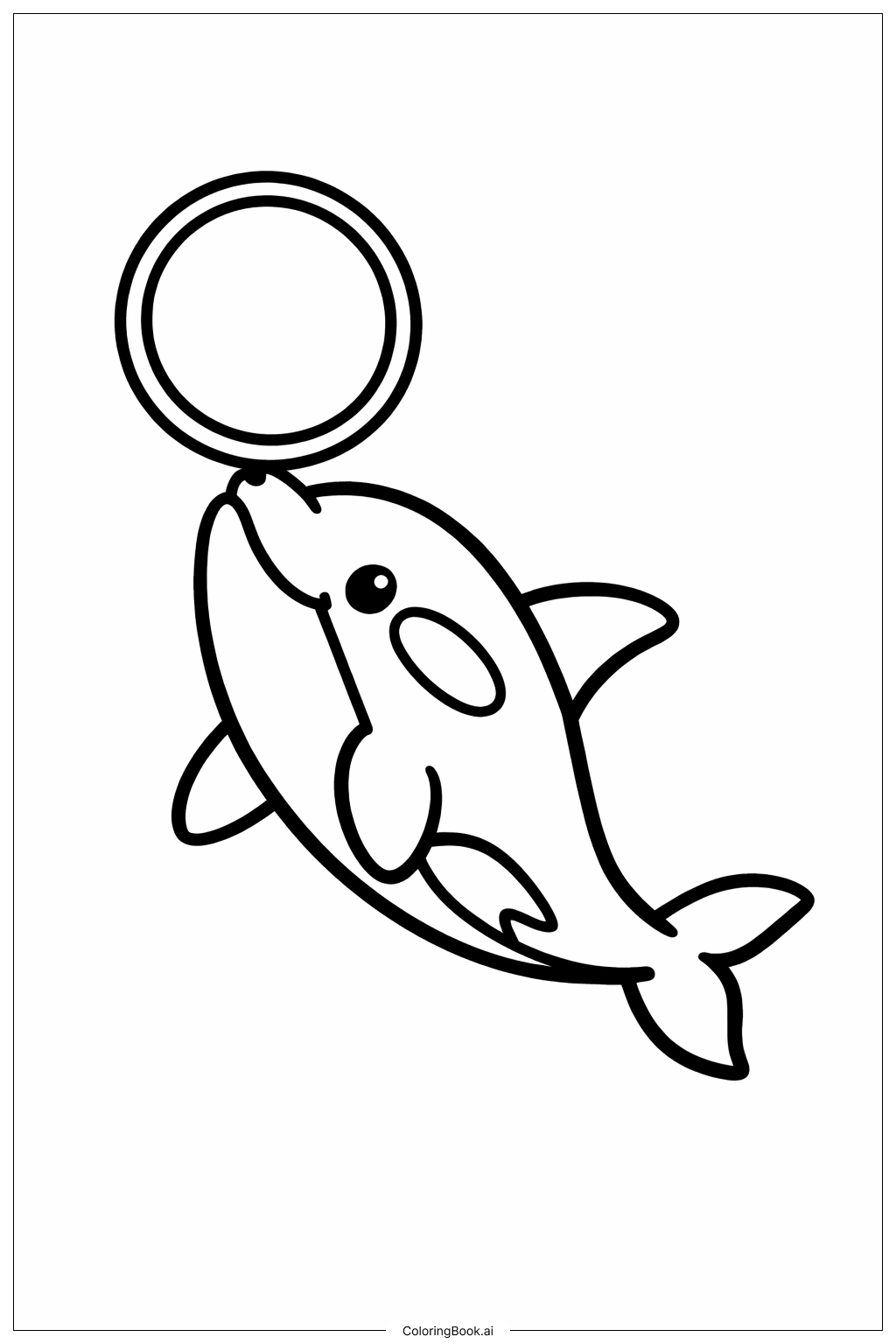
Start with the orca's body. Use solid black for the dark areas and bright white for the belly and eye patch. These two colors are key to making the orca look real and recognizable. For the hoop, try a bold color like red, orange, or rainbow stripes to make it pop. The water splashes can be colored in light blue or aqua tones. Add some sparkle by using pale yellow or white highlights on the water droplets. If you want a fun background, try a deep ocean blue or a sunny sky blue. Girls might enjoy adding pink and purple shades to the water, while boys may prefer bold blues and greens. Keep the lines neat and take your time filling in the small areas around the eye patch and fins. Use lighter pressure with your coloring tool for a softer look, or press harder for rich, vivid colors.
Coloring challenges: Which parts are difficult to color and need attention for Orca Balancing Hoop coloring page?
• Body Pattern Accuracy: The orca has a very specific black and white pattern. Keeping the boundary between the black back and white belly clean and precise can be tricky. A fine-tipped marker or colored pencil works best for tracing along the dividing line before filling in each section.
• Eye Patch Detail: The white oval eye patch is a small but important feature of the orca. Coloring around it without accidentally overlapping into the black areas requires a steady hand and a sharp pencil or thin marker. Take your time with this part.
• Hoop Shading and Depth: The circular hoop looks more realistic when you add shading to give it a three-dimensional appearance. Blending two shades of the same color — a lighter tone on one side and a darker tone on the other — can be challenging for younger colorists but creates a great effect.
• Water Splash Effects: The splashing water droplets and wave shapes around the orca have irregular, curved outlines. Staying inside these small shapes while still suggesting movement and flow takes patience. Using varying shades of blue and adding white highlights can bring the water to life.
• Dorsal Fin and Tail Details: The large dorsal fin and the tail fluke have slightly curved, tapered shapes. Coloring these smoothly without leaving uneven patches or streaks can be difficult, especially with crayons. Layering colors gently and blending with a finger or blending tool helps achieve a smooth finish.
Benefits of coloring books: Advantages of drawing Orca Balancing Hoop coloring page
Coloring this orca page offers a wide range of fun and developmental benefits for kids of all ages. First, it builds fine motor skills. Carefully coloring inside the lines of the orca's detailed patterns strengthens hand control and pencil grip. These skills are important for writing and other everyday tasks. Second, it sparks creativity. Choosing colors for the hoop, the water, and the background encourages imaginative thinking. There is no single right answer, so every child's page will look unique and special. Third, it teaches focus and patience. Sections like the eye patch and water splashes require careful attention, helping kids practice concentration in a relaxed and enjoyable way. Fourth, it connects children to nature. Learning about orcas while coloring can inspire curiosity about marine life and ocean ecosystems. Parents and teachers can use the activity as a starting point for fun conversations about whales and the sea. Finally, finishing the page gives children a real sense of pride and accomplishment. Displaying their completed artwork builds confidence and encourages them to keep creating.