Coloring tips: How to color Octopus in a Sea Shell coloring page well?
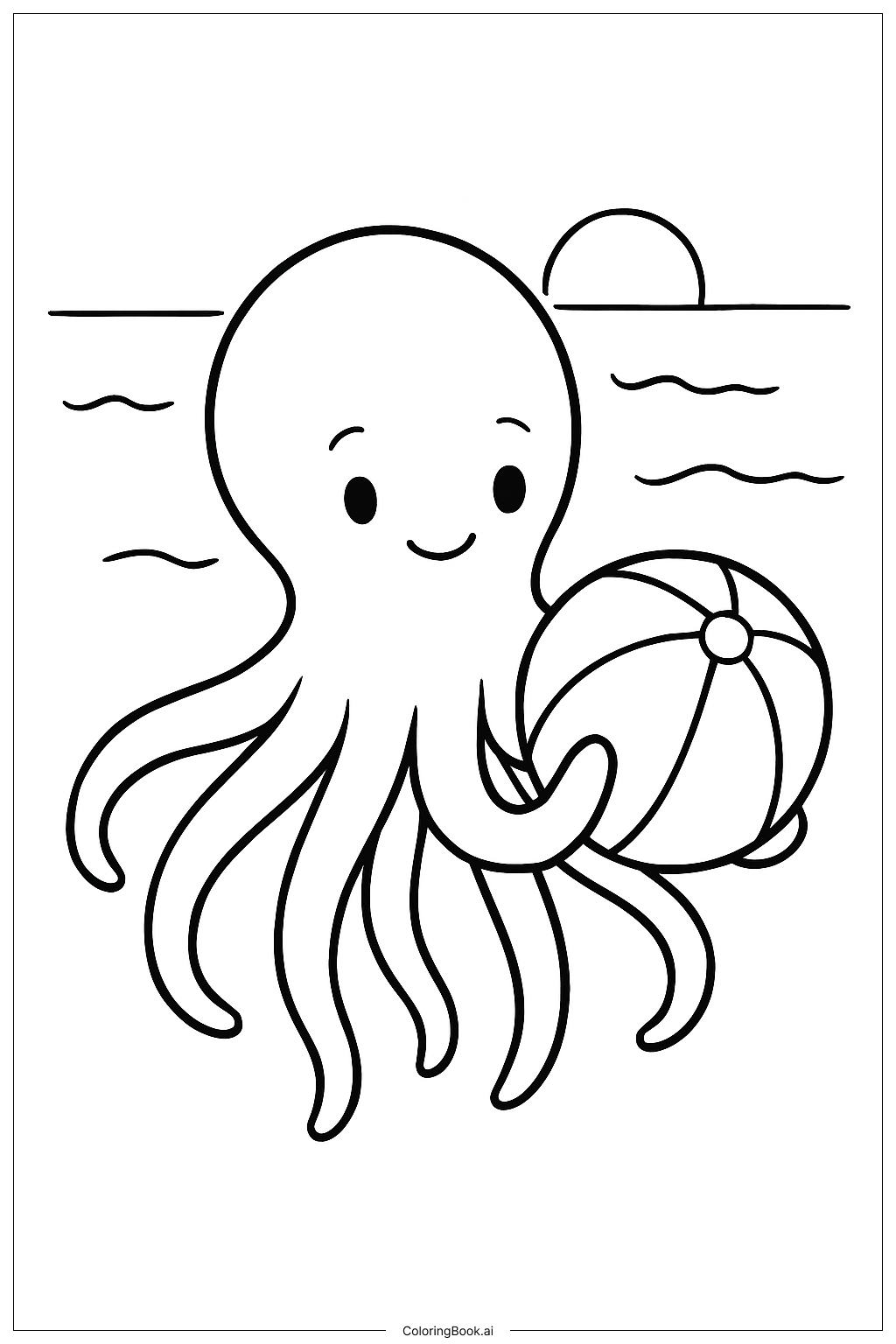
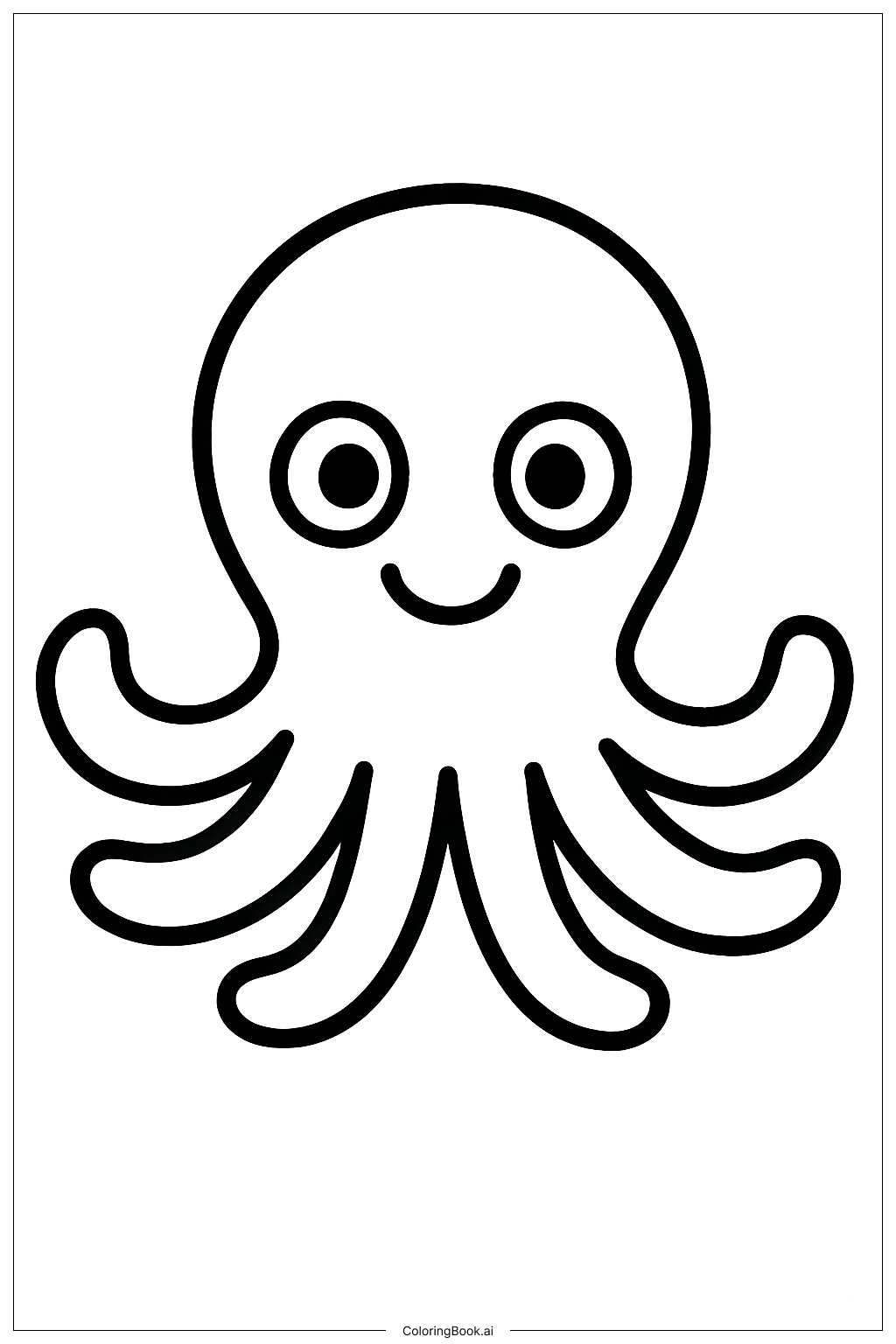
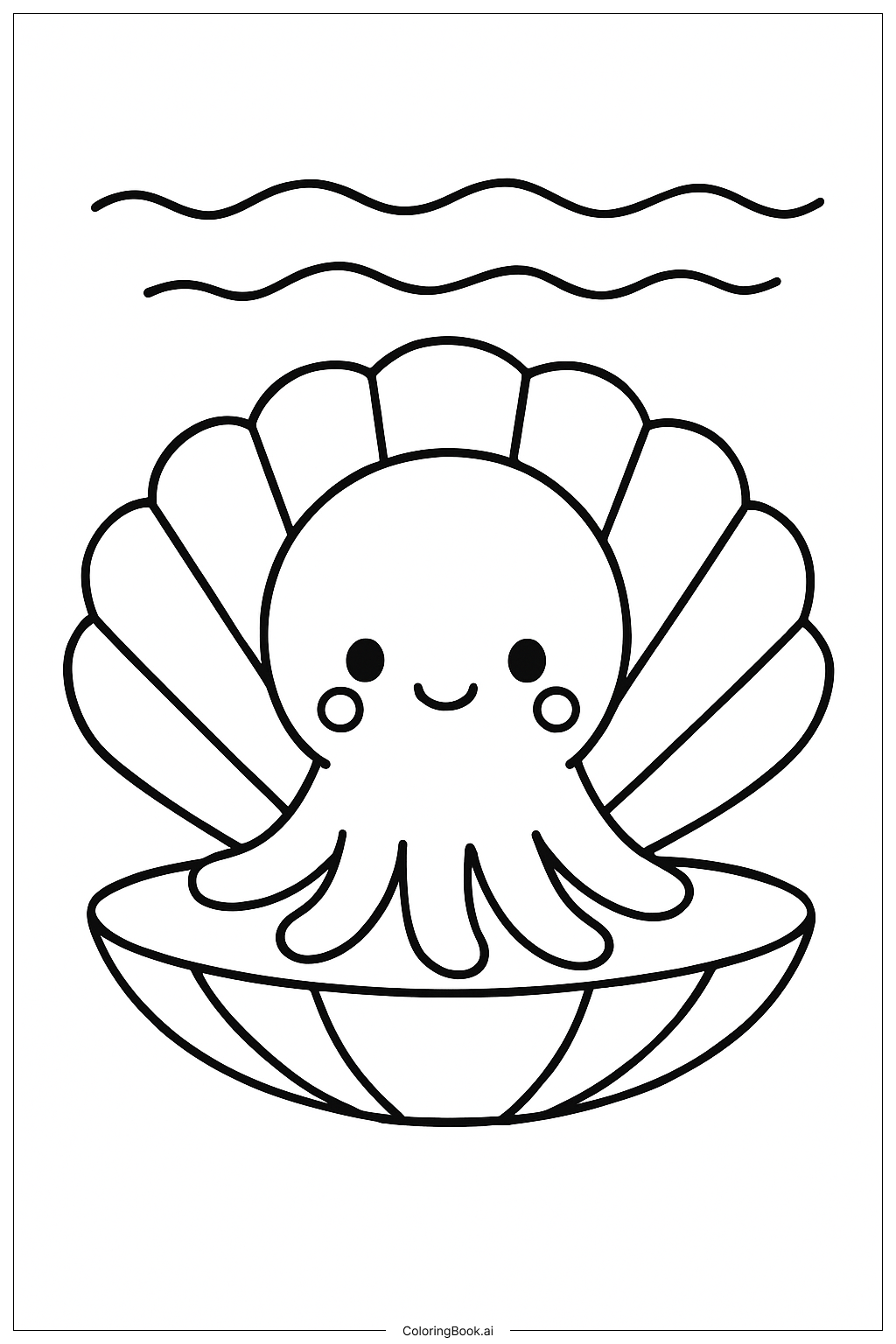
Try using soft oranges, reds, or purples to color the Octopus’s skin to show its natural shades. You can blend lighter tones on the tentacles and darker colors near the body to add a sense of depth. For the sea shell, earthy colors like sandy beige, light browns, or pale pinks will work nicely to highlight its natural look. Use different shades to show its ridges and spiral form. For the background, pick cool ocean colors such as gentle blues, greens, or turquoise to make the scene feel underwater. Adding touches of light yellow or white can create highlights on the bubbles and seaweed, making your coloring lively. Feel free to get creative and choose bright or soft colors to make your Octopus and sea shell really stand out!
Coloring challenges: Which parts are difficult to color and need attention for Octopus in a Sea Shell coloring page?
• Tentacle Details: The Octopus’s eight tentacles have many small suckers and smooth curves that can be tricky to color neatly. It requires careful attention to detail to color inside the lines and bring out the tentacles’ shape. • Shell Texture: The spiral sea shell has many ridges and grooves. Coloring it evenly with shading to show depth may challenge those new to blending or layering colors. • Small Background Elements: The bubbles, tiny fish, and underwater plants are delicate and require precision to color well without going outside their lines. • Color Choices for Realism: Choosing colors that look natural yet appealing is tough for young colorers. Balancing bright and muted tones to make the Octopus and shell appear realistic involves a careful eye. • Maintaining Clean Lines: Because of the detailed outlines, staying inside the thin borders calls for concentration and practice with fine coloring tools.
Benefits of coloring books: Advantages of drawing Octopus in a Sea Shell coloring page
Coloring this Octopus in a Sea Shell page helps improve fine motor skills as children learn to control their hand movements while filling in small or curved areas. It encourages patience and focus when working on detailed parts like the tentacles and shell ridges. Choosing colors and shading different areas allows kids to practice creativity and understand how to create depth using light and dark tones. Additionally, this marine-themed image can spark curiosity about sea life and nature, making coloring both fun and educational. Overall, this picture supports calming concentration and artistic expression for children aged 4 to 16.