Coloring tips: How to color October Leaf Pile coloring page well?
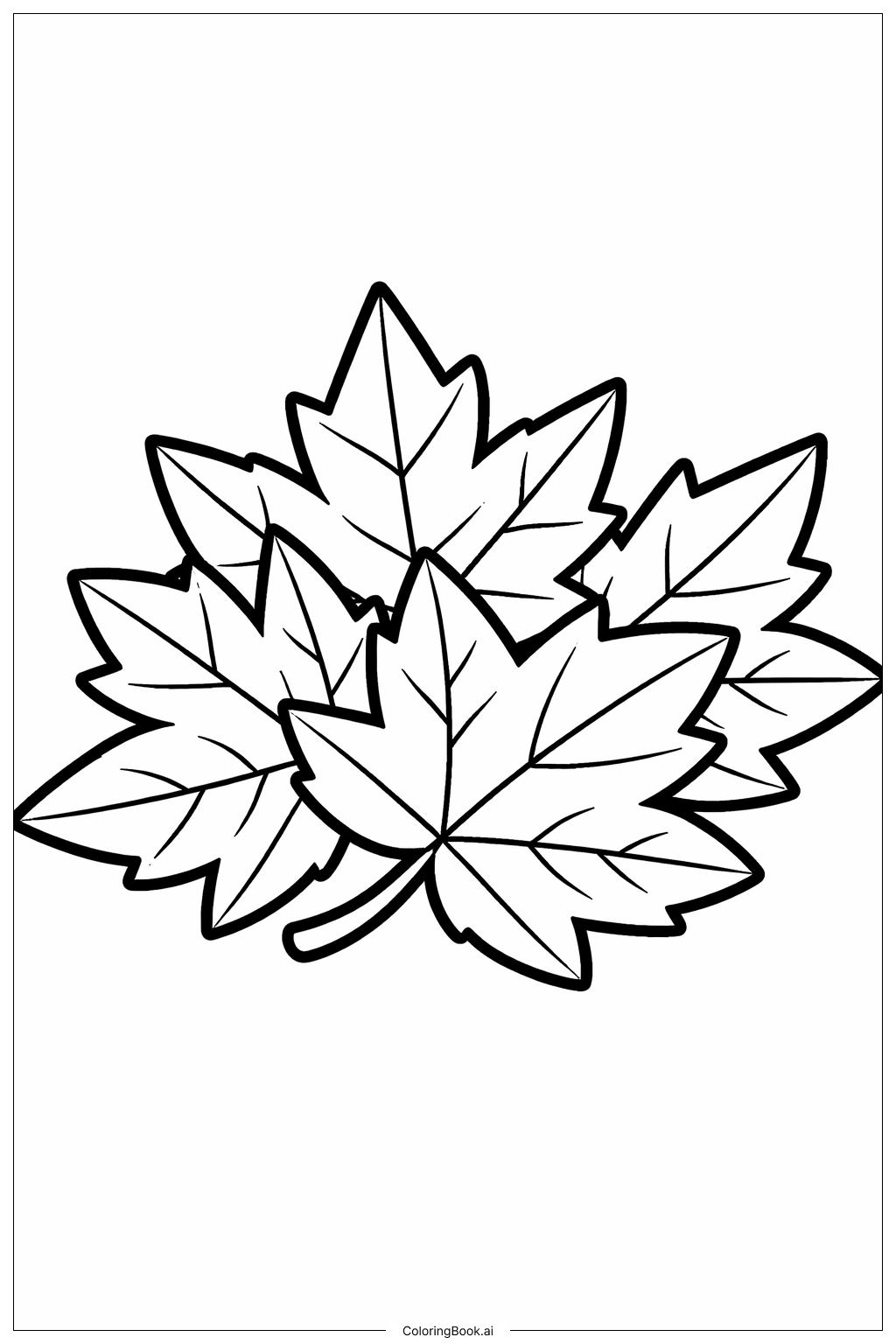
Use warm colors like red, orange, yellow, and brown to color the leaves. You can blend these colors to make the leaves look more natural and realistic. Try using different shades for each leaf to create variety. For example, color one leaf bright red and another yellow or brown. You can also add some green if you want to show leaves that are not fully changed yet. Don't forget to color the small lines on the leaves darker to show the veins. Use gentle strokes to fill color evenly, and you can also leave some parts lighter to make it look shiny and fresh.
Coloring challenges: Which parts are difficult to color and need attention for October Leaf Pile coloring page?
1. Small Details: The thin veins on each leaf can be tricky to color carefully without coloring outside the lines.
2. Overlapping Leaves: The leaves overlap each other, so it might be hard to decide where one ends and another begins.
3. Color Blending: To make the piles look natural, you need to blend different warm autumn colors smoothly.
4. Staying Inside Lines: Coloring the every edge of the leaves perfectly can be challenging, especially for younger children.
5. Consistent Shading: Keeping a balanced shade across all the leaves can be difficult to avoid some leaves standing out too much or too dull.
Benefits of coloring books: Advantages of drawing October Leaf Pile coloring page
Coloring this leaf pile helps children practice fine motor skills as they carefully color small areas and details. It encourages creativity as they choose different autumn colors and blend them. Coloring leaves can also teach children about the changes in nature during the fall season. It can be a relaxing and fun activity that improves focus and patience. Through coloring, kids can learn about shapes, patterns, and layering colors, which are useful art skills.