Coloring tips: How to color Ocean Animals Little Lobster coloring page well?
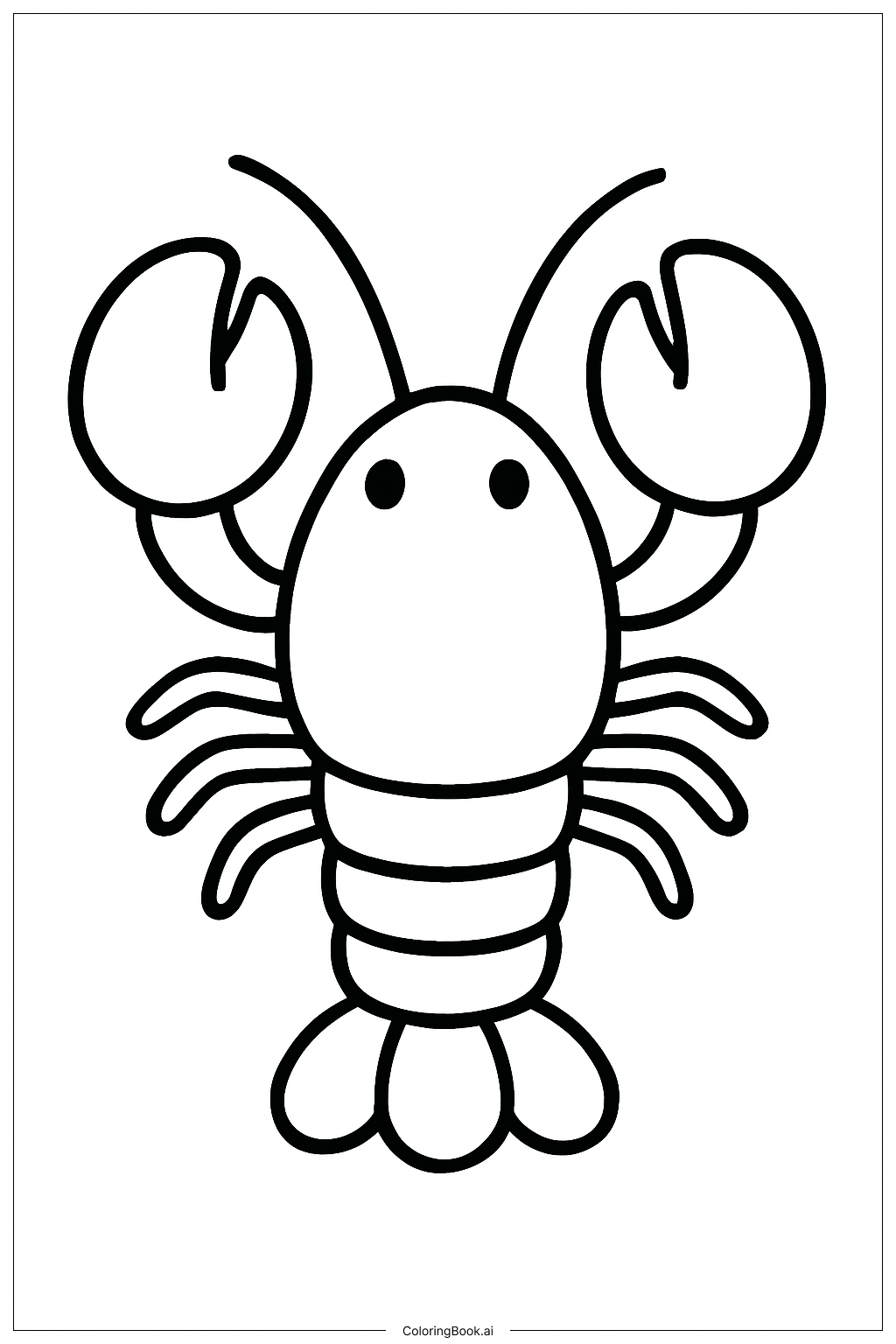
Use bright reds and oranges for the little lobster’s shell to make it stand out, as lobsters often have these warm colors. You can add shading with darker tones around the claws and legs to create a 3D effect. Color the sandy ocean floor in soft yellows and beiges for a natural look. For the plants, use various greens and hints of blues to imitate underwater seaweed and corals. Adding light blue or turquoise shades for the water and bubbles helps create an ocean feel. You can also get creative by using unusual colors to make your lobster unique and magical. Remember to color small details like eyes carefully to bring life to the character.
Coloring challenges: Which parts are difficult to color and need attention for Ocean Animals Little Lobster coloring page?
• Small Detailed Areas: The little lobster’s claws, antennae, and legs include many tiny parts, which can be hard to color neatly, especially for younger children. Staying inside the lines requires patience and fine motor control.
• Layering Colors: To show the lobster’s shell texture and curves, you may want to blend different shades of red or orange. This can be challenging without practice in layering and shading
• Background Complexity: The surrounding coral, plants, and bubbles have overlapping shapes. Differentiating these elements with colors while keeping the lobster as the focus can be tricky.
• Symmetry: The lobster’s body segments and claws are symmetrical, so maintaining balanced coloring on both sides can require careful attention.
• White Spaces: Small gaps between shapes might tempt using a single color broadly. However, filling in all areas precisely avoids making the image look blotchy or uneven.
Benefits of coloring books: Advantages of drawing Ocean Animals Little Lobster coloring page
Coloring this image helps improve fine motor skills and hand-eye coordination as children focus on small details like the lobster’s claws and antennae. It encourages creativity by allowing young artists to experiment with colors for both the lobster and the ocean background. This activity also teaches attention to detail and patience, fostering concentration. Exploring underwater themes can spark curiosity about marine life and the ocean environment. Overall, coloring the little lobster scene provides fun and educational value, enhancing both artistic abilities and a love for nature.