Coloring tips: How to color Nature Little Fish coloring page well?
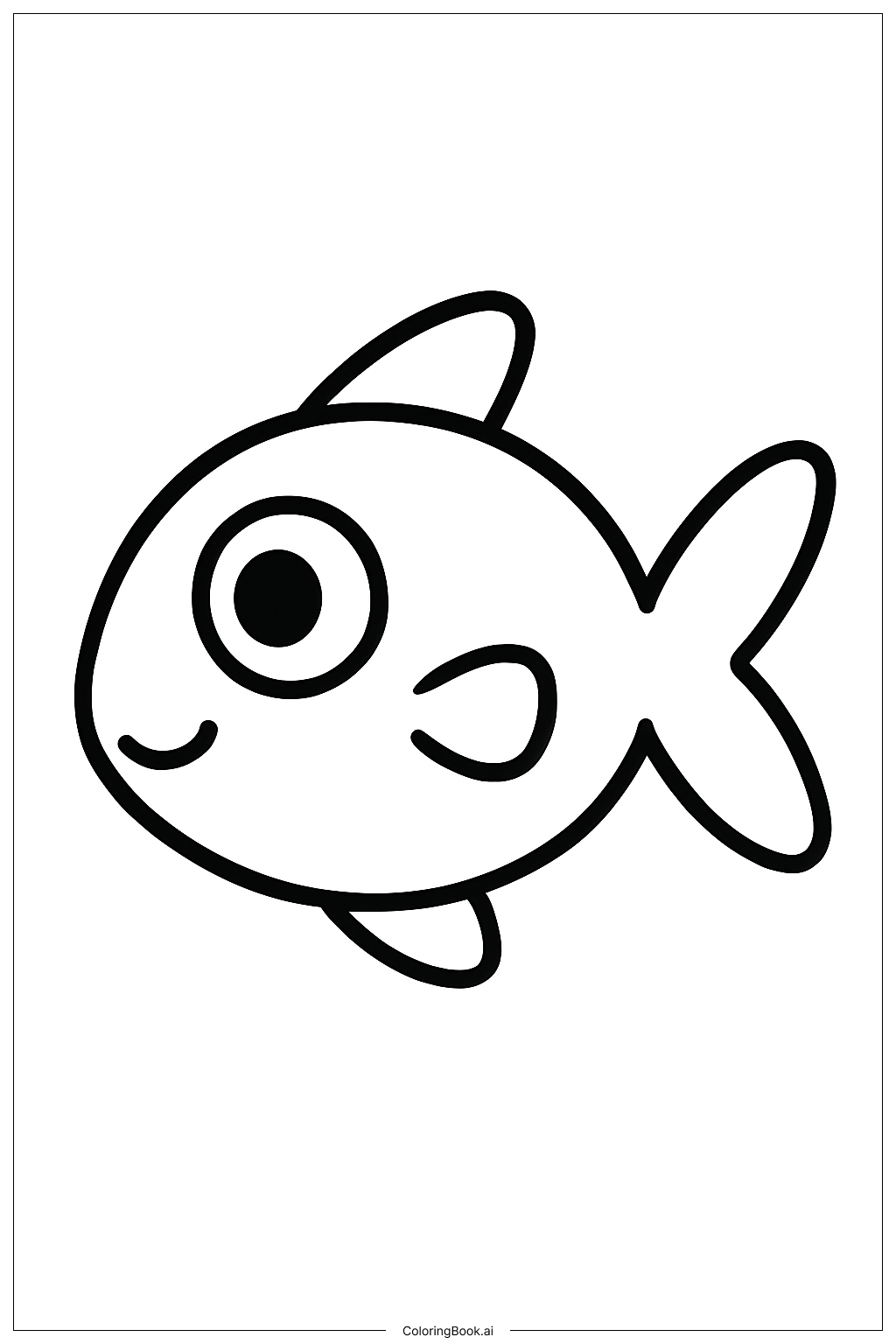
For coloring this little fish, choose bright and cheerful colors. You can start with yellow, blue, or orange for the body of the fish. For the fins, consider contrasting colors like green or pink. Don't forget to color the eye! A bright blue or green eye will make the fish stand out. Use colored pencils, markers, or crayons—anything you like. You could also add some sparkles or patterns to make it unique and special.
Coloring challenges: Which parts are difficult to color and need attention for Nature Little Fish coloring page?
1. Fitting into the lines: The small features of the fish, like its fins and eyes, can be tricky for younger children. They may need practice to stay within the bold outlines. 2. Blending colors: If a child wants to create a gradient effect, blending colors can be challenging. It takes practice to learn how to mix colors smoothly. 3. Choosing colors: Deciding what colors to use can sometimes feel overwhelming. Children might want to stick to realistic colors, or they could get stuck trying to make unique choices. 4. Adding details: Some kids might want to add patterns or designs on the fish’s body, which requires extra concentration and creativity.
Benefits of coloring books: Advantages of drawing Nature Little Fish coloring page
Coloring this little fish can be beneficial in many ways. First, it helps improve fine motor skills; children learn to control their hand movements. Second, coloring encourages creativity and imagination. Kids can choose colors freely, making their fish unique. Third, it provides a calming activity, which can reduce stress or anxiety. Fourth, discussing colors and patterns with parents or friends can enhance social skills. Lastly, completing the coloring page gives a sense of achievement, boosting children's confidence.