Coloring tips: How to color Nativity Manger Empty coloring page well?
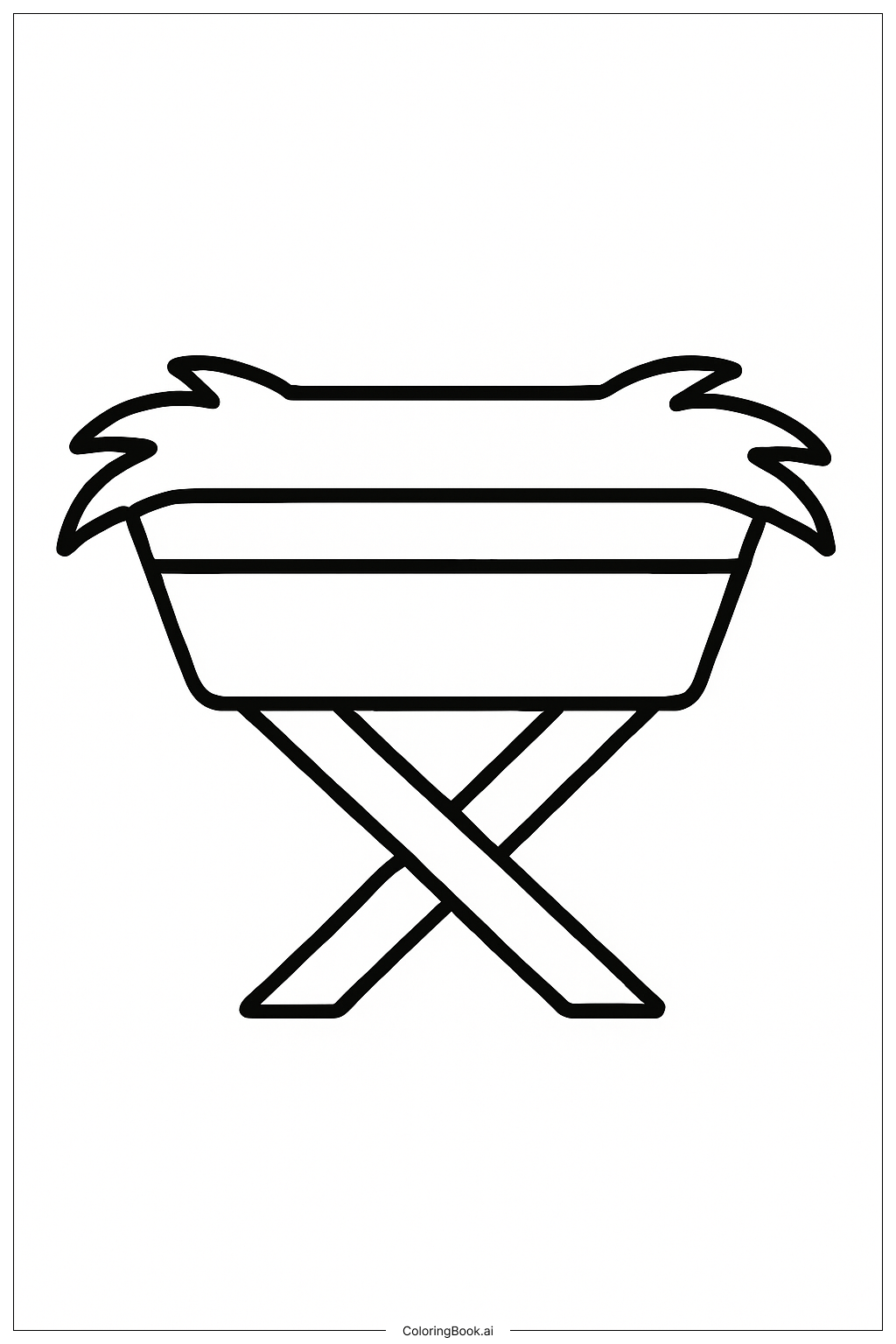
For coloring the empty manger, consider using soft browns for the wood of the manger itself. This gives it a warm, rustic look. Light yellow or beige can be used to represent the straw on top. These colors also evoke a sense of comfort and simplicity, which aligns with the nativity theme. Children can add some green for a touch of plant life around the manger. Encourage them to be creative and maybe even use glitter or metallic colors for some parts to make it stand out. They can also think about the colors they see in their own homes to inspire their choices.
Coloring challenges: Which parts are difficult to color and need attention for Nativity Manger Empty coloring page?
One difficulty with this coloring page is maintaining control while coloring inside the lines, especially around the curves of the straw and edges of the manger. This might require some practice, as younger children may find it challenging. Another issue is choosing the right colors; children might be unsure whether to pick natural tones or bright, fun colors. This decision can affect the overall look of their artwork. Additionally, shading and creating depth can be tricky. Children might want to learn about light and shadow to make their manger appear more three-dimensional. Lastly, adding details like texture to the straw can be difficult for some kids, as they may not know how to do this effectively without making it look messy.
Benefits of coloring books: Advantages of drawing Nativity Manger Empty coloring page
Coloring this nativity manger page has numerous benefits for children. First, it enhances fine motor skills. As they color, they practice hand-eye coordination and improve dexterity. Second, coloring can be a calming and therapeutic activity. It allows children to express their emotions and reduce stress. Engaging with the nativity story while coloring also encourages them to learn about important cultural and religious traditions. This can foster a sense of community and belonging. Furthermore, coloring enhances creativity, as children can experiment with different color combinations and designs, making each artwork unique.