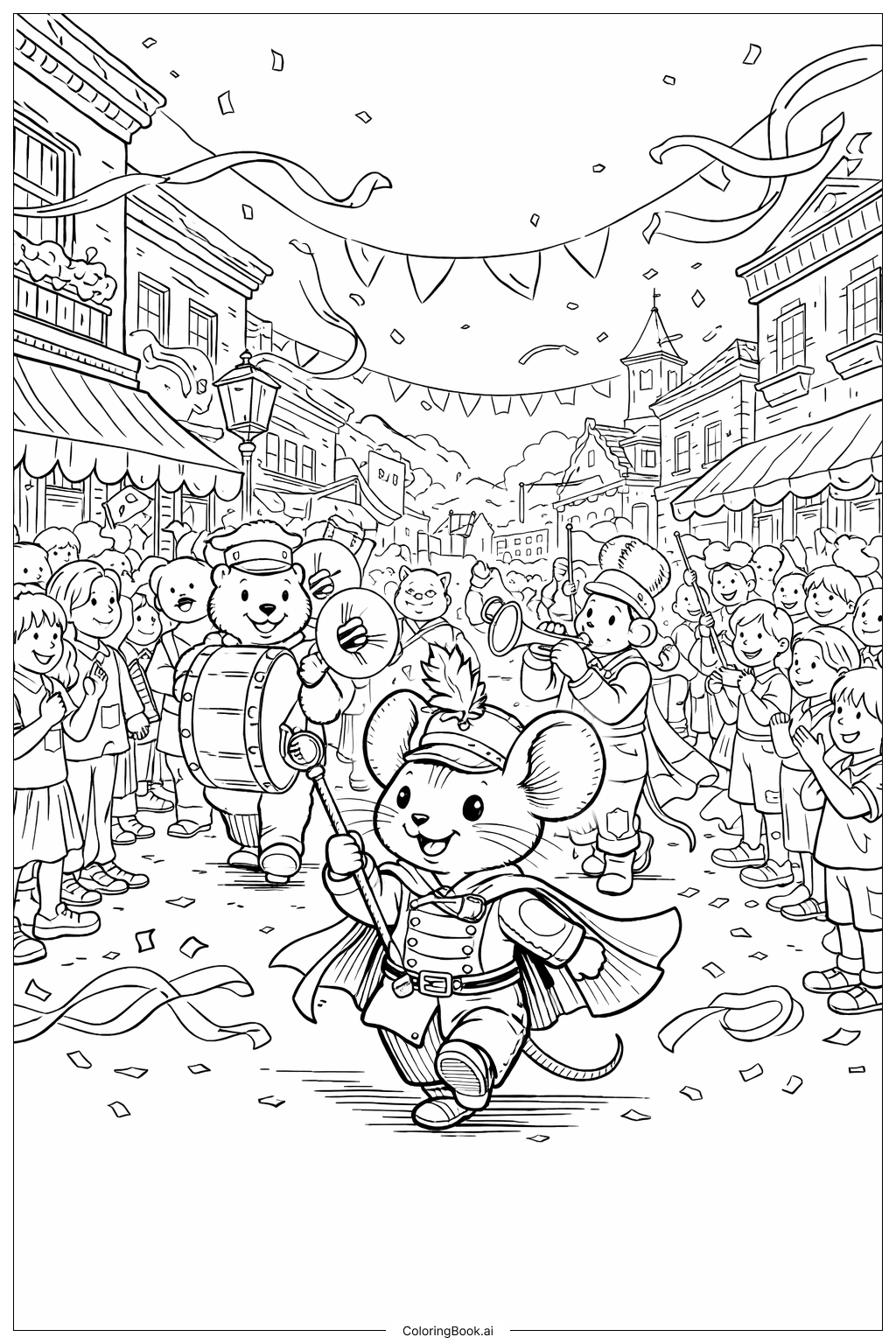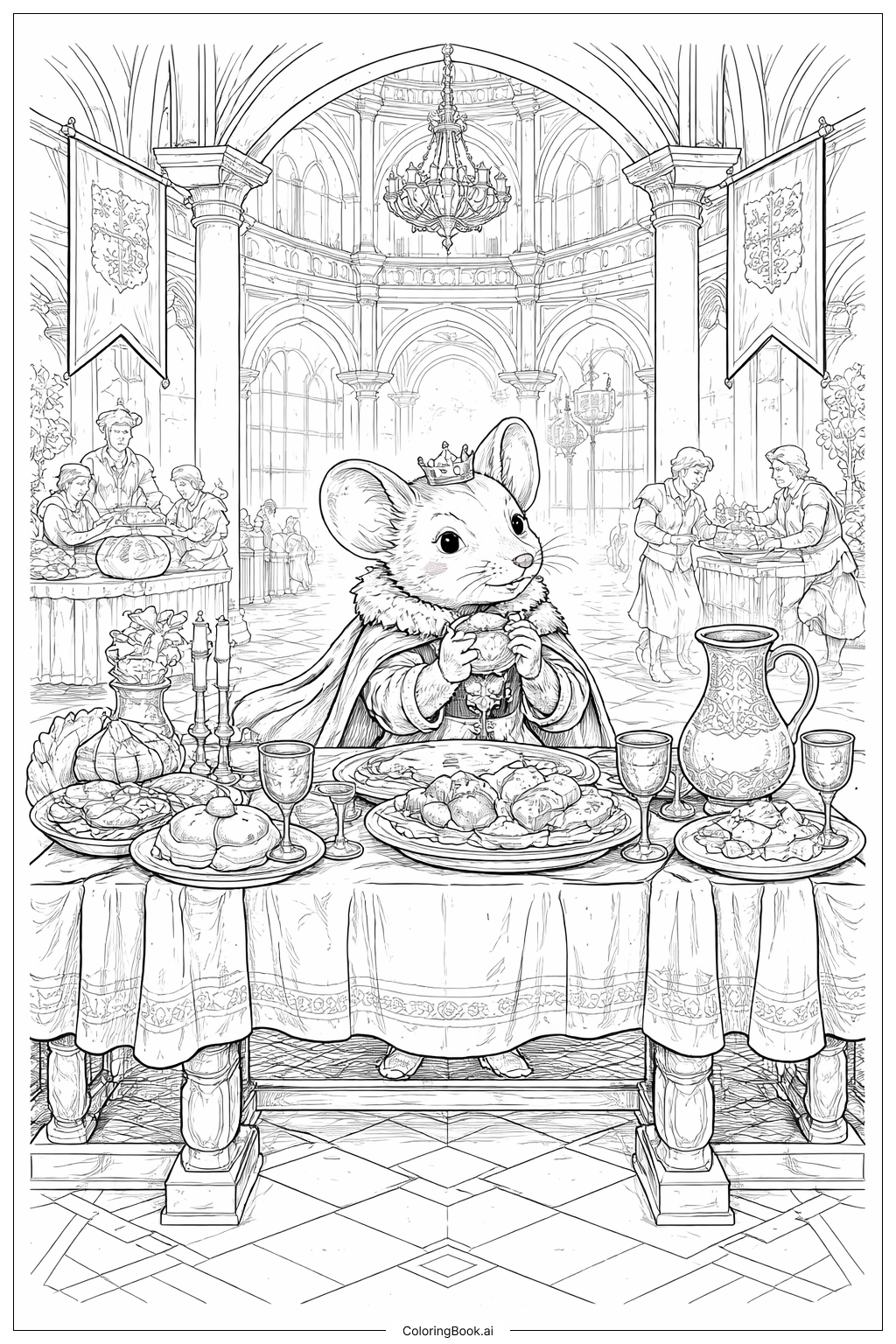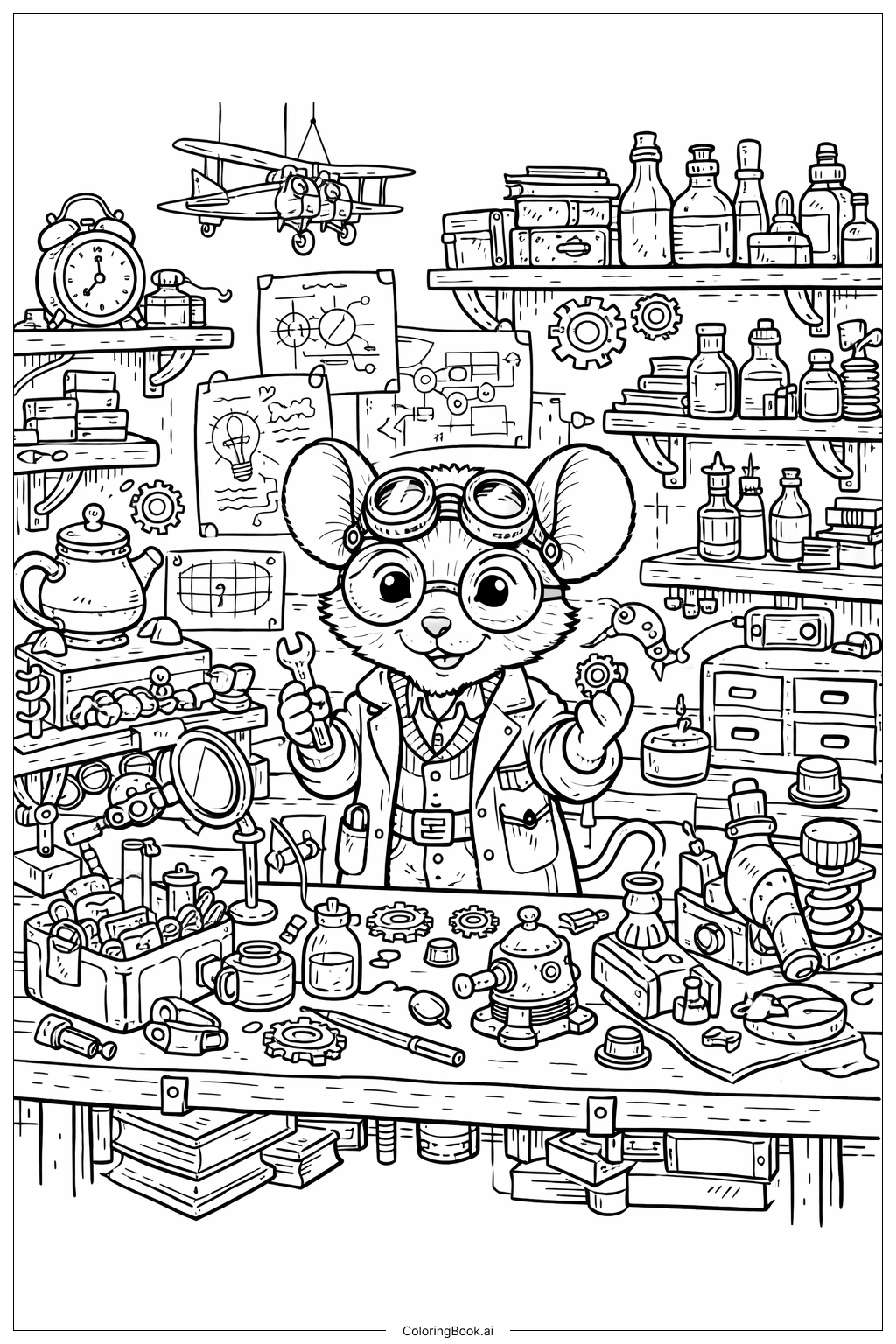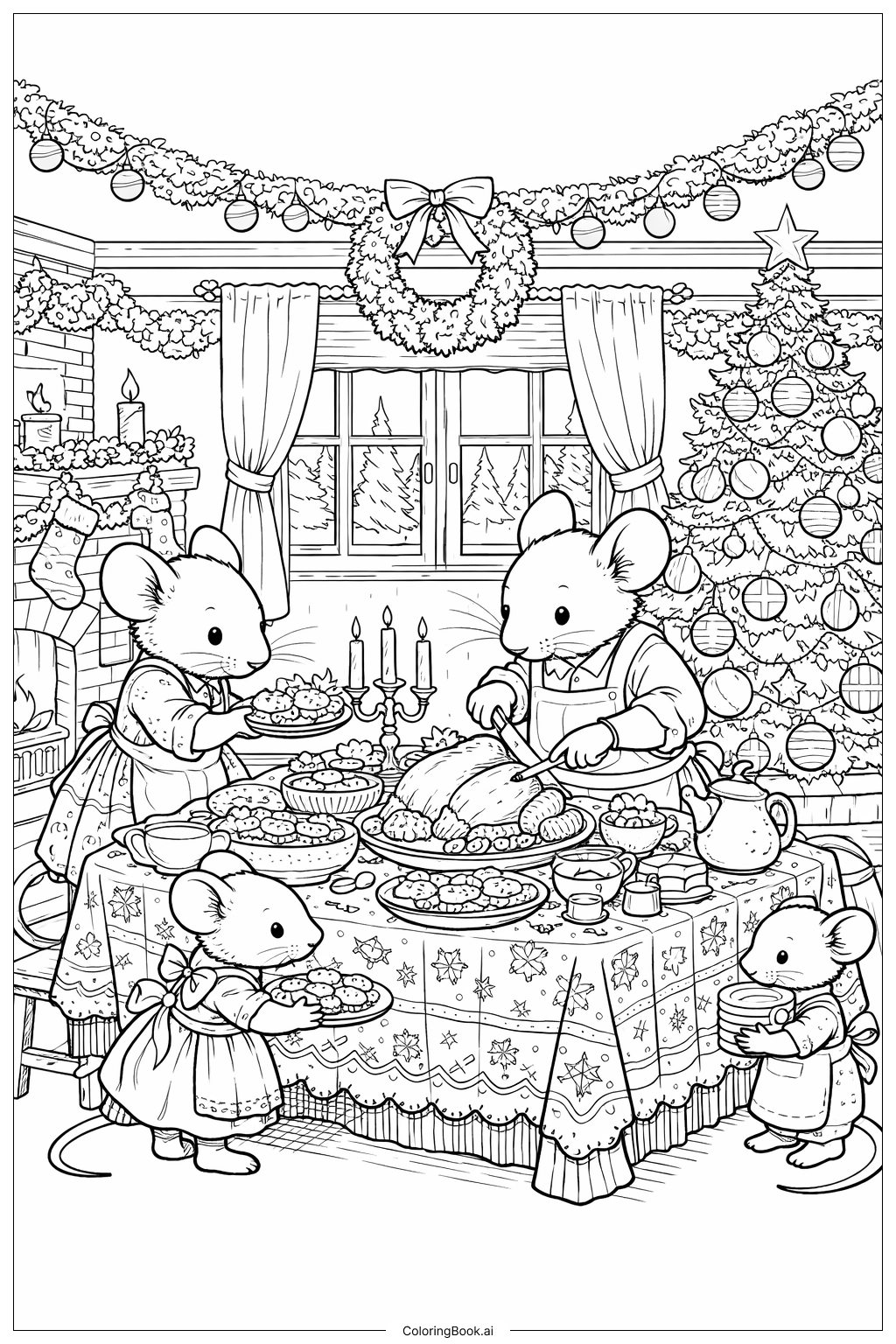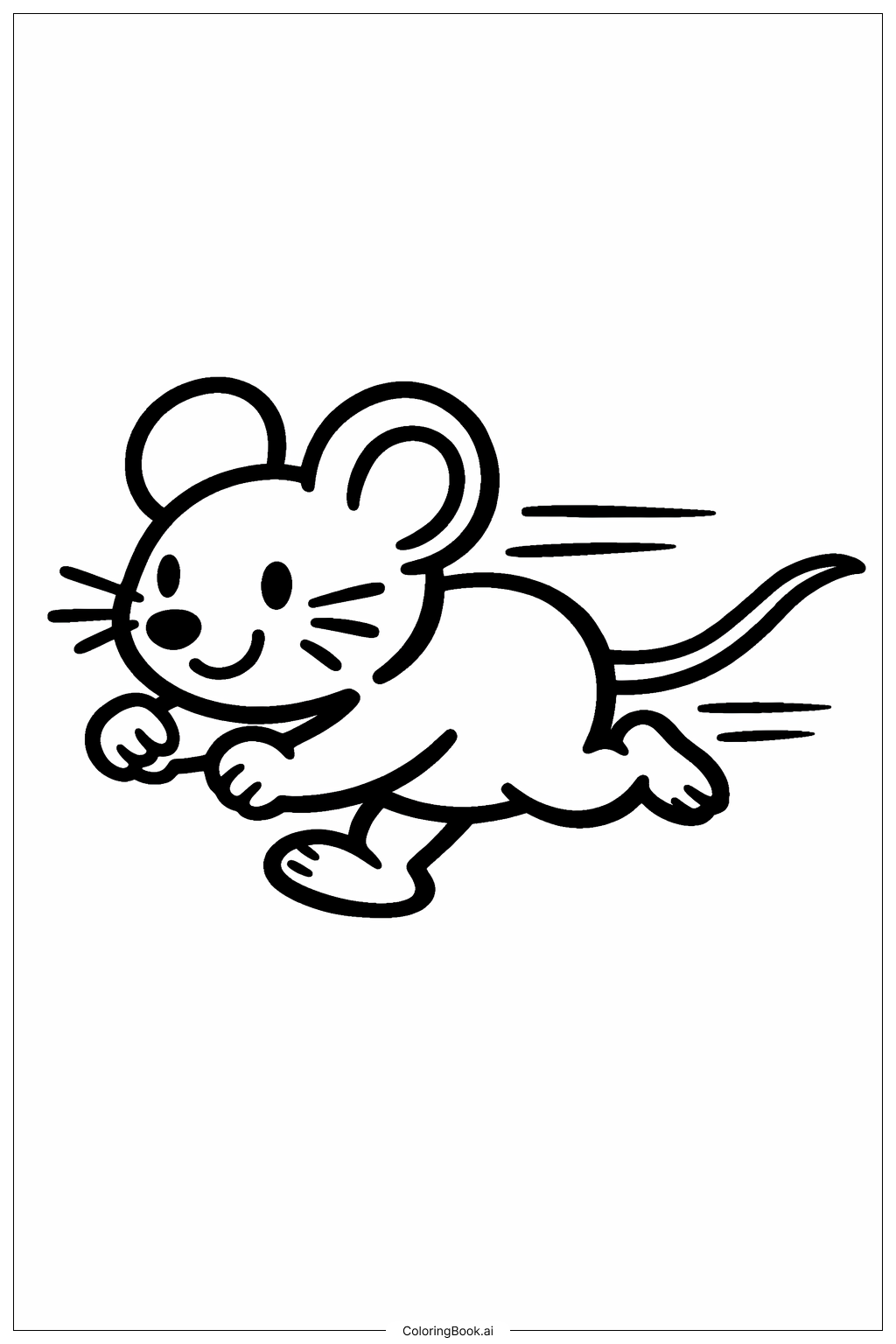
Coloring tips: How to color Running Mouse Sprint coloring page well?
Start with the mouse's body using a soft gray or warm brown tone. You can also go creative and use golden yellow or tan for a friendlier look. Use a slightly darker shade to add depth along the belly, back, and behind the ears. Color the inner ears with a light pink, and use a pale pink or peachy tone for the nose and paw pads. The tail can be colored in a smooth light gray or a warm beige. For the eyes, use a deep black or dark brown, and add a tiny white dot to make them look shiny and alive. The motion lines around the mouse can be left white or lightly colored in yellow or light blue to show speed and energy. Feel free to add a colorful background like a bright green ground or a sunny sky to make the scene feel complete and exciting.
Coloring challenges: Which parts are difficult to color and need attention for Running Mouse Sprint coloring page?
• Body Fur Shading: The mouse's body has a rounded, fluffy shape that can be tricky to shade correctly. To make it look three-dimensional, you need to apply lighter tones at the top and center of the body, then gradually blend into darker shades along the edges and underside. Without this shading, the body may look flat and dull rather than soft and full of life.
• Small Facial Features: The mouse has tiny facial details like small eyes, a little nose, and a subtle mouth. These features are close together and require a very fine-tipped pencil or marker to color neatly. It is easy to accidentally color outside the lines in this area, so younger children may need to take extra time and care here.
• Motion Lines: The speed lines around the mouse are a fun detail, but they can be challenging to color without making the image look cluttered. Choosing the right color that stands out but does not overpower the mouse itself takes some thought and skill.
• Thin Tail and Limbs: The mouse's tail and thin legs are narrow shapes that require steady hands and precise control. Using fine-tipped tools works best in these areas to stay within the lines and add smooth, even color without smudging.
• Overall Color Balance: Since the mouse is a single character on the page, keeping a balanced, harmonious color palette across the whole image is important. Too many bright colors can look overwhelming, while too few can make the image appear dull. Finding the right balance takes creative thinking and practice.
Benefits of coloring books: Advantages of drawing Running Mouse Sprint coloring page
Coloring this Running Mouse Sprint page offers many wonderful benefits for kids and creative minds of all ages. First, it helps improve fine motor skills. Carefully coloring small details like the mouse's face, thin legs, and tail trains hand muscles and builds steady control, which is great for handwriting and everyday tasks. Second, it encourages focus and concentration. Staying within the lines and choosing colors that work well together asks children to slow down, pay attention, and think carefully. Third, this image sparks creativity and imagination. There are no rules about what color a sprinting mouse should be, so kids are free to explore wild and fun color choices that express their unique style. Fourth, coloring is a calming activity. Even though the mouse is full of energy and movement, the act of coloring is peaceful and relaxing. It helps reduce stress and gives children a healthy way to unwind. Finally, completing the page builds a sense of pride and accomplishment. Seeing a finished, colorful piece of art they created all by themselves boosts confidence and motivates kids to keep creating.