Coloring tips: How to color Mouse Playing Ball coloring page well?
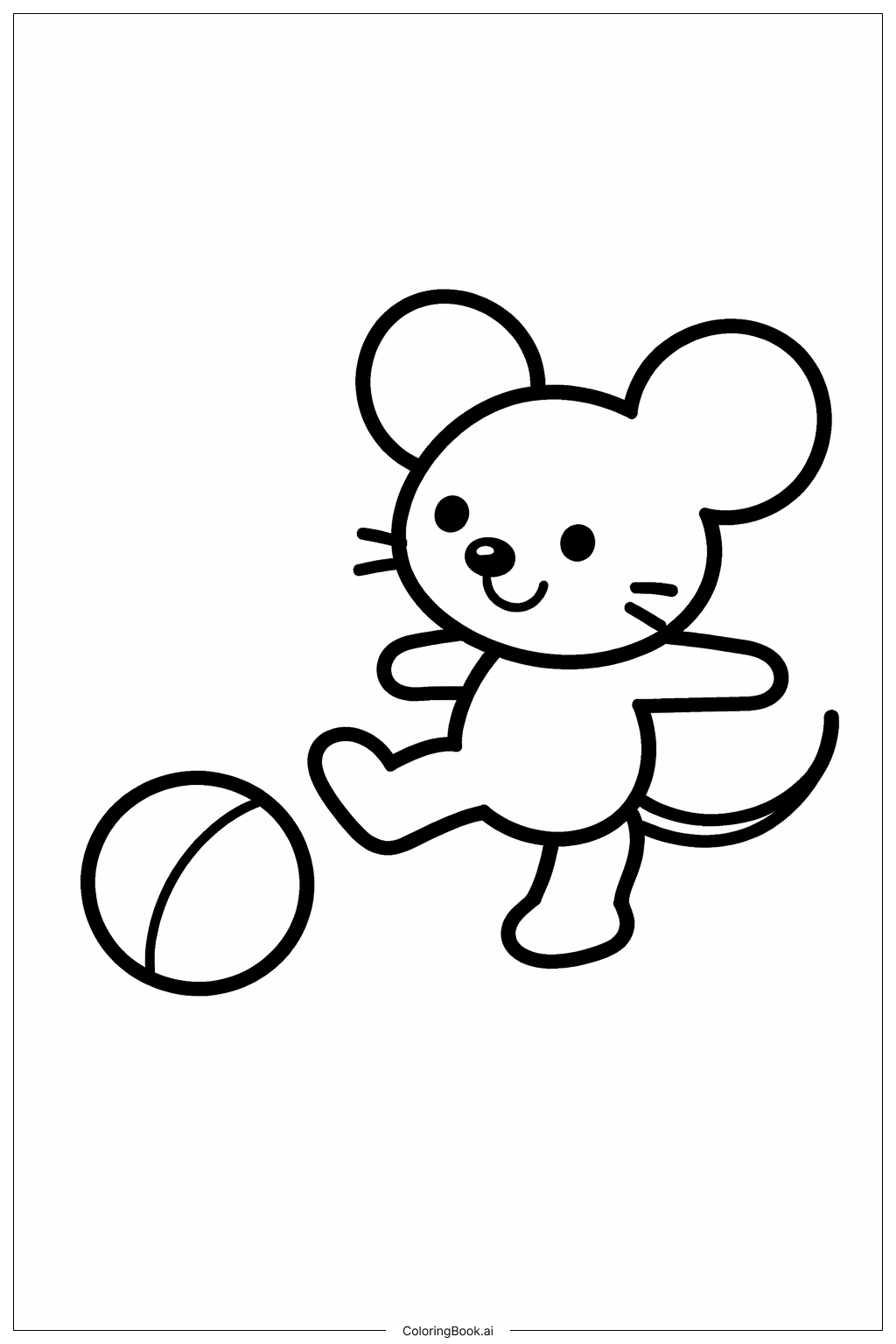
For coloring this Mouse Playing Ball image, try using soft shades for the Mouse’s fur, like light gray or brown, to keep it natural and cute. The ears can be pink inside to add warmth and contrast. The ball is a great chance to use bright colors such as red, blue, or yellow to make it stand out. You might add some colorful patterns or stripes on the ball for extra fun. For the background, use light greens or blues to suggest grass or sky, which gives a cheerful outdoor feel. Encourage mixing different colors for shading parts of the Mouse’s body and the ball to create depth and bring the entire scene to life.
Coloring challenges: Which parts are difficult to color and need attention for Mouse Playing Ball coloring page?
• Fine Details on the Mouse’s Face: The eyes and whiskers require precise coloring to keep the Mouse’s friendly look. Staying inside these small lines can be challenging for young children. • Fur Texture: Adding realistic fur effects by careful shading can be difficult because it involves blending colors smoothly within a small space. • The Round Shape of the Ball: Coloring the ball evenly to appear round and shiny needs attention to gradients and highlights, which may take practice. • Small Paws Holding the Ball: Because the paws are tiny and close to the ball, it can be tricky to color them separately without overlapping. • Maintaining Clean Edges: The outlines between the Mouse and ball are close, so coloring carefully to avoid spilling colors over the edges requires good control of coloring tools.
Benefits of coloring books: Advantages of drawing Mouse Playing Ball coloring page
Coloring this Mouse Playing Ball image helps children develop hand-eye coordination and fine motor skills by carefully filling small and detailed areas. It encourages creativity as kids pick colors for the Mouse and the ball, including adding their own patterns or backgrounds. This activity also teaches patience and focus, especially while working on intricate spots like the Mouse’s face and paws. Plus, coloring a lively scene like this can boost mood and provide a rewarding sense of accomplishment once the picture is complete. It’s a fun way to blend artistic expression with storytelling imagination.