Coloring tips: How to color Mouse Eating Cookie coloring page well?
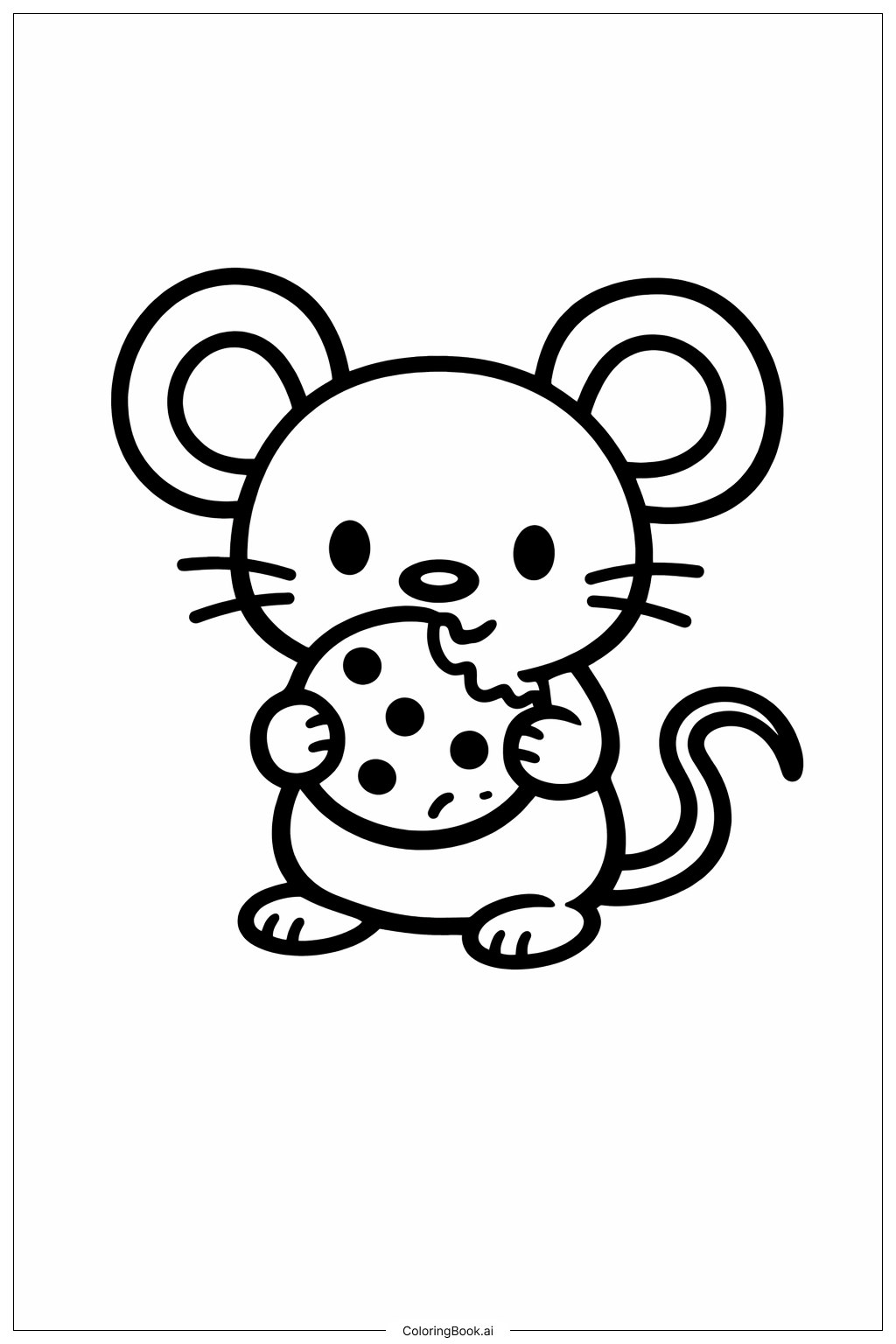
Start with the mouse's body using warm shades like light gray, tan, or soft brown. Use a slightly darker tone along the edges to give the fur a fluffy, rounded look. Color the large ears with a pale pink on the inside. Give the eyes a deep brown or black center with a tiny white highlight dot to make them sparkle. The nose can be a soft pink. For the cookie, use golden yellow or warm tan as the base, then add rich brown for the chocolate chips. Scatter a few crumbs around the mouse using the same cookie colors. The background can be left white or filled with a soft pastel color like light yellow or mint green to keep the mood cheerful and bright. Use colored pencils or fine-tip markers for the small details like whiskers and fur lines.
Coloring challenges: Which parts are difficult to color and need attention for Mouse Eating Cookie coloring page?
• Fur Texture Details: The mouse's body is covered with fine lines that suggest soft fur. Coloring these small strokes evenly without making the surface look flat or muddy can be tricky. Try using short, light pencil strokes that follow the direction of the fur lines to keep it looking natural and fluffy.
• Tiny Facial Features: The mouse has very small features, including eyes, a nose, and whiskers, packed into a compact face. Staying inside the lines when coloring these areas requires a sharp pencil tip or a fine-tip marker. A slip of the hand could cover a highlight dot or blend two features together.
• Cookie Texture and Chips: The cookie surface has a bumpy, dotted texture from the chocolate chips. Coloring the chips a clearly different shade from the cookie base, while keeping the edges clean, takes patience. Using two distinct warm tones helps the chips stand out without looking smudged.
• Small Crumbs and Scattered Pieces: Tiny crumbs are spread around the mouse and the cookie. These small shapes are easy to miss or accidentally color over with a background shade. Work on the crumbs before filling in any large background areas so they stay visible and well-defined.
• Tail and Whisker Lines: The mouse's thin, curling tail and delicate whiskers are very narrow line elements. These are easy to overcolor or lose inside a darker surrounding area. Use a light hand and a fine tool to trace along these lines carefully, keeping them distinct from the body and background.
Benefits of coloring books: Advantages of drawing Mouse Eating Cookie coloring page
Coloring this image of a mouse enjoying a cookie brings a lot of good things for kids and beginners alike. It helps build focus and patience as you work through all the small details. Choosing colors for the mouse's fur, the golden cookie, and the tiny crumbs encourages creative thinking and color awareness. Staying inside the lines of the mouse's fine features and delicate whiskers trains fine motor skills and improves hand control, which helps with writing and drawing too. The playful, cheerful subject keeps kids engaged and motivated to finish the page. Seeing a cute character enjoy a snack can spark imagination and storytelling, making the coloring session feel like more than just an art activity. It can also be a relaxing, calming exercise that helps reduce stress and bring a sense of accomplishment when the page is complete. Whether coloring solo or with friends, this image is a fun way to explore color combinations and express personal creativity.