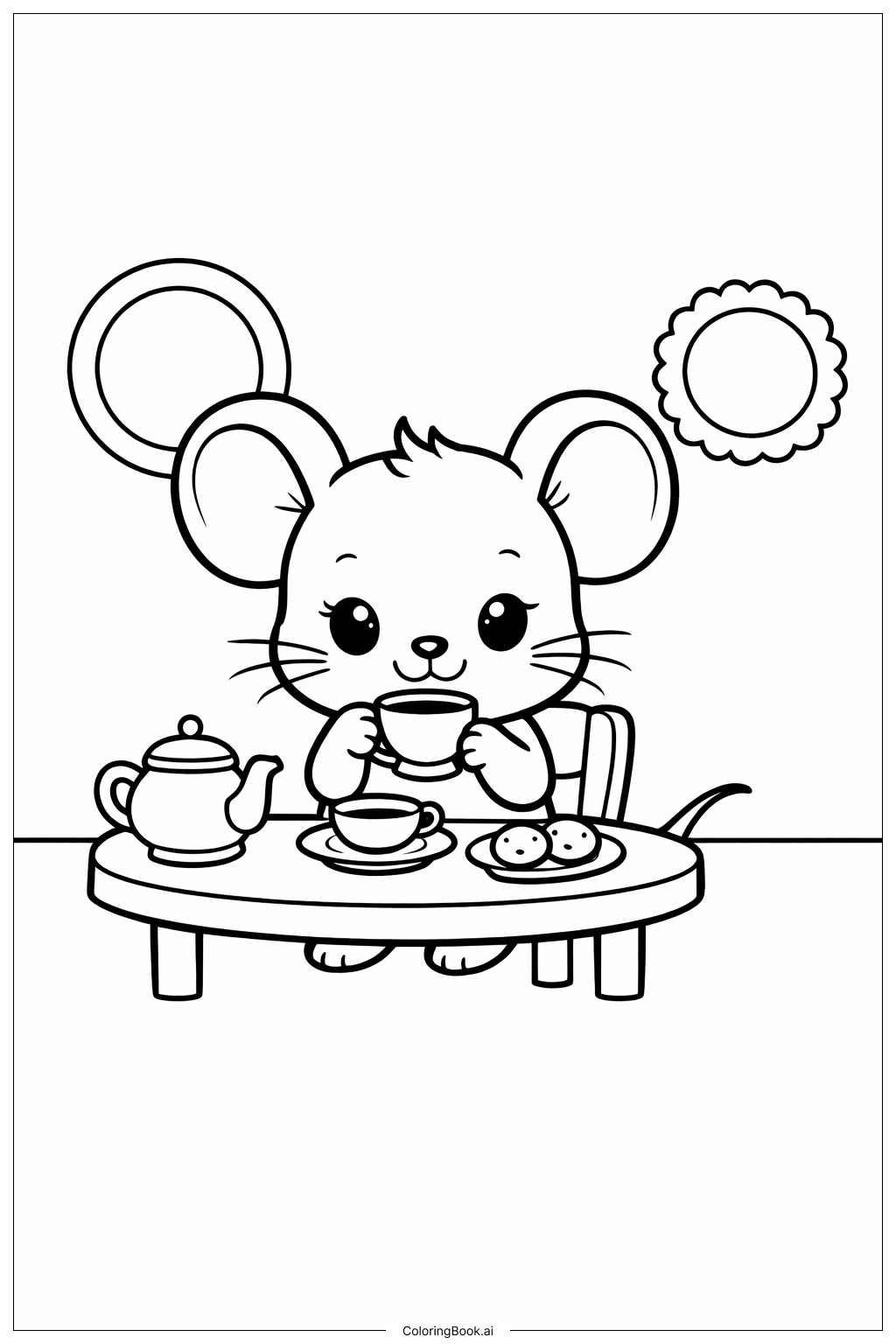
Coloring tips: How to color Mouse at Tea Table coloring page well?
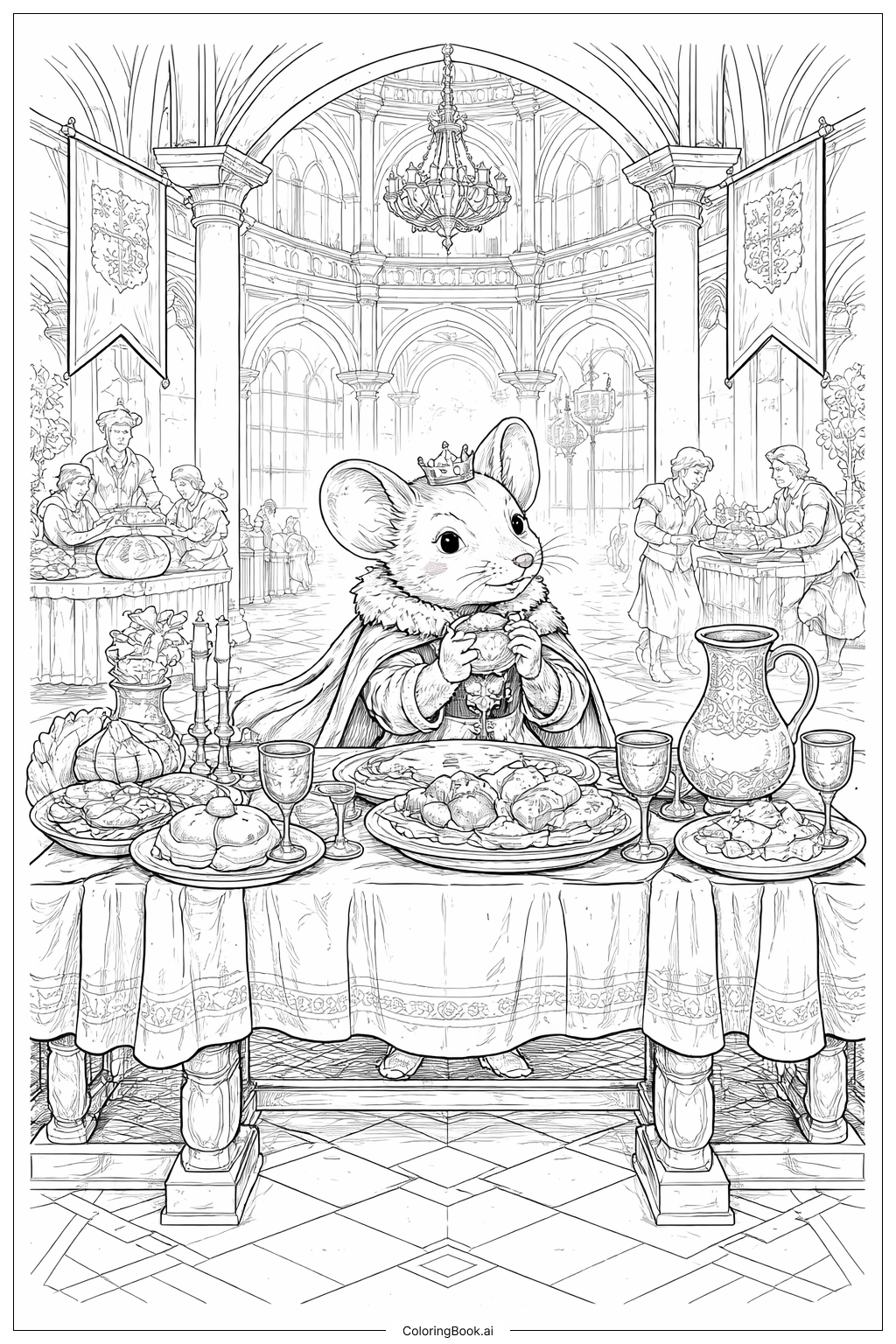
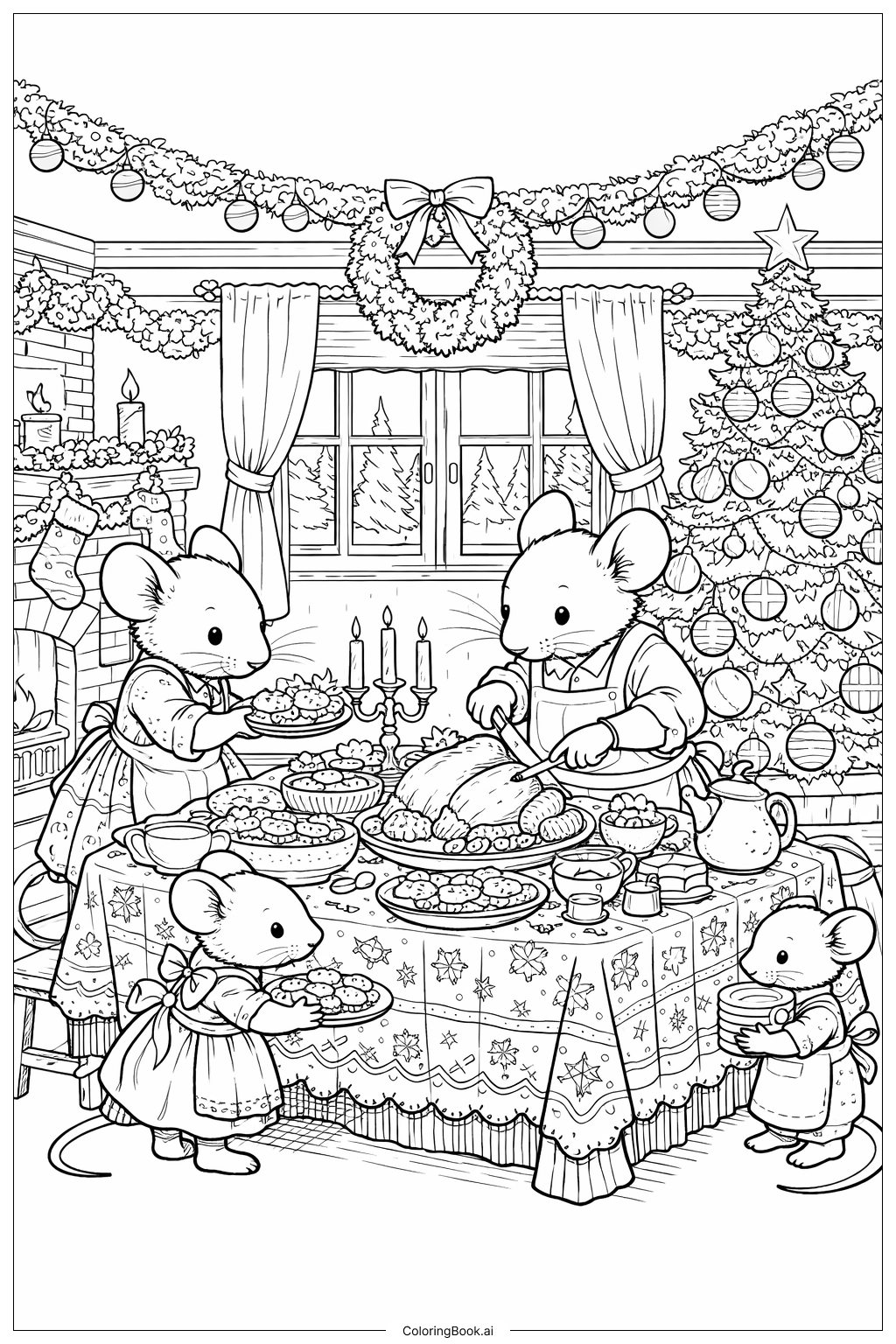
Start with the mouse's fur. A soft warm brown or light gray works beautifully. Use a slightly darker shade around the ears and nose for depth. The outfit can be any cheerful color — try pastel pink, sky blue, or sunny yellow to keep the mood light and fun. For the tea table, warm wood tones like tan or honey brown feel cozy and natural. The teapot and cups look lovely in white with colorful floral patterns or polka dots. The tablecloth can be soft cream or pale lavender. If there are flowers in a vase, use bright pops of red, orange, or purple to add energy to the scene. Use light green for any leaves. Keep the background simple — a soft yellow or light blue gives the image a warm, storybook glow without overwhelming the main scene. Blend colors gently where shapes meet to create a smooth, polished look.
Coloring challenges: Which parts are difficult to color and need attention for Mouse at Tea Table coloring page?
• Mouse Fur Texture: The mouse's fur requires careful shading to look soft and realistic. You need to layer light and slightly darker tones of the same color to create depth. Going too dark too quickly can make the fur look flat or harsh. Take your time building up color in thin layers, especially around the face, ears, and paws.
• Tiny Facial Features: The mouse's eyes, nose, and whiskers are very small and close together. Filling in these details without smudging nearby areas is tricky. Use a fine-tipped coloring tool and work slowly. A sharp colored pencil tip is ideal here. Mistakes in this area are very noticeable, so patience is key.
• Tea Set Details: The teapot, cups, and saucers often include small decorative patterns like flowers or stripes. Coloring these tiny patterns neatly takes a steady hand. If you want the tea set to look elegant, choose two or three colors that work well together and repeat the same pattern on each piece for a matching set look.
• Tablecloth Edges and Folds: Lacy edges or folded fabric on the tablecloth can have many small shapes close together. It is easy to color outside the lines in these areas. Work from the center of the tablecloth outward and use short, careful strokes near the edges.
• Overall Color Balance: With so many elements on the table, it can be hard to make sure no single color dominates too much. Step back occasionally and look at the full picture to make sure the colors feel balanced and harmonious across the whole scene.
Benefits of coloring books: Advantages of drawing Mouse at Tea Table coloring page
Coloring this Mouse at Tea Table scene offers many wonderful benefits for children and adults alike. For younger colorists, it builds fine motor skills as they carefully fill in small details like the teacup patterns and the mouse's tiny features. Staying inside the lines takes focus and practice, which helps improve hand-eye coordination over time.
The whimsical, storybook setting also sparks imagination. Kids may start making up stories about the little mouse — who is it having tea with? What is in the teapot? This kind of creative thinking supports language development and storytelling skills.
Choosing colors for the fur, outfit, and tea set encourages decision-making and color awareness. Children learn how colors interact and how to create pleasing combinations. Adults benefit too — the repetitive, focused nature of coloring is known to reduce stress and promote a calm, meditative state of mind.
This image is also a great way to introduce children to the concept of table manners and social settings in a fun, non-pressured way. Overall, this coloring page is a joyful, enriching activity that blends creativity, skill-building, and relaxation into one delightful experience.