Coloring tips: How to color Blue Motorcycle coloring page well?
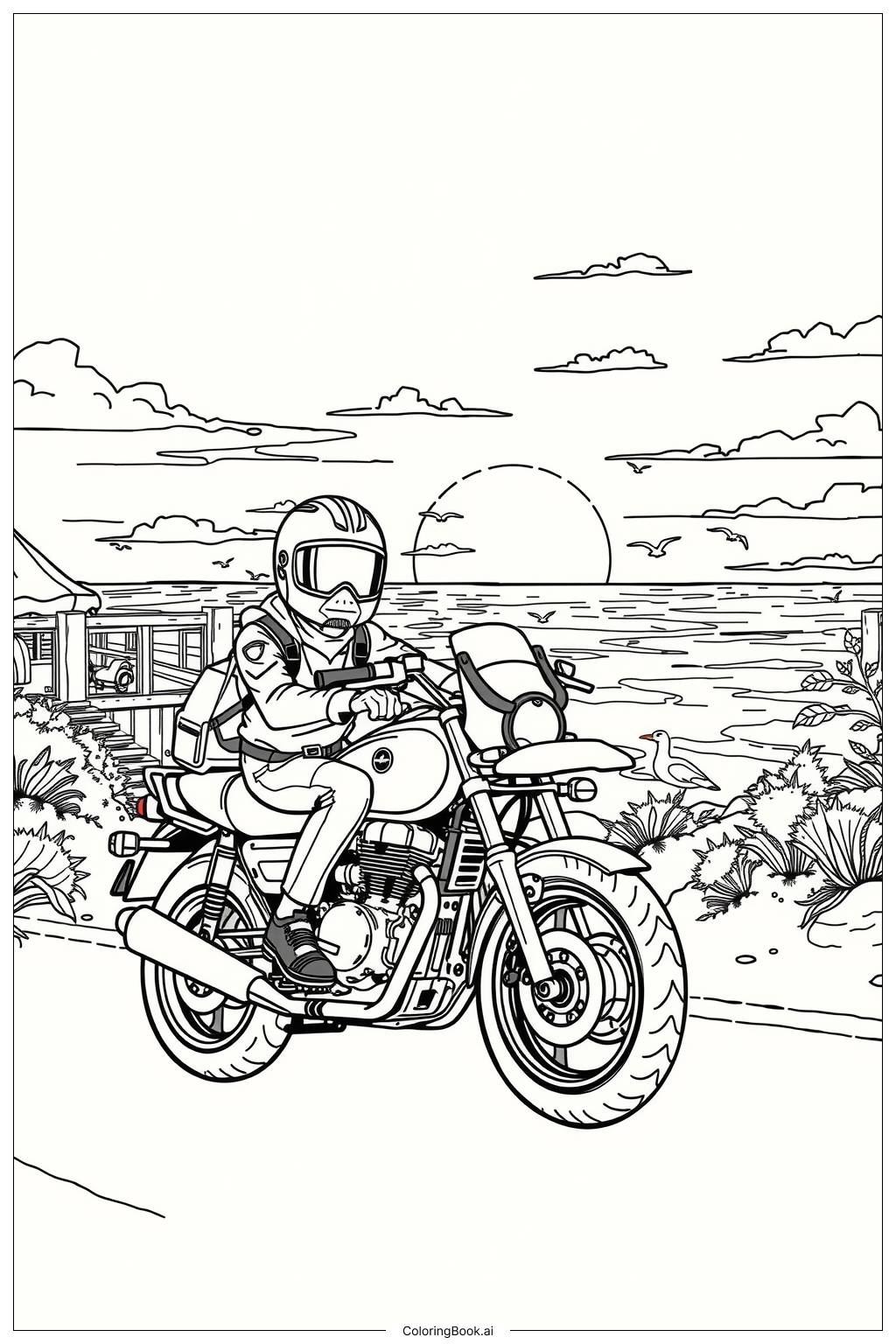
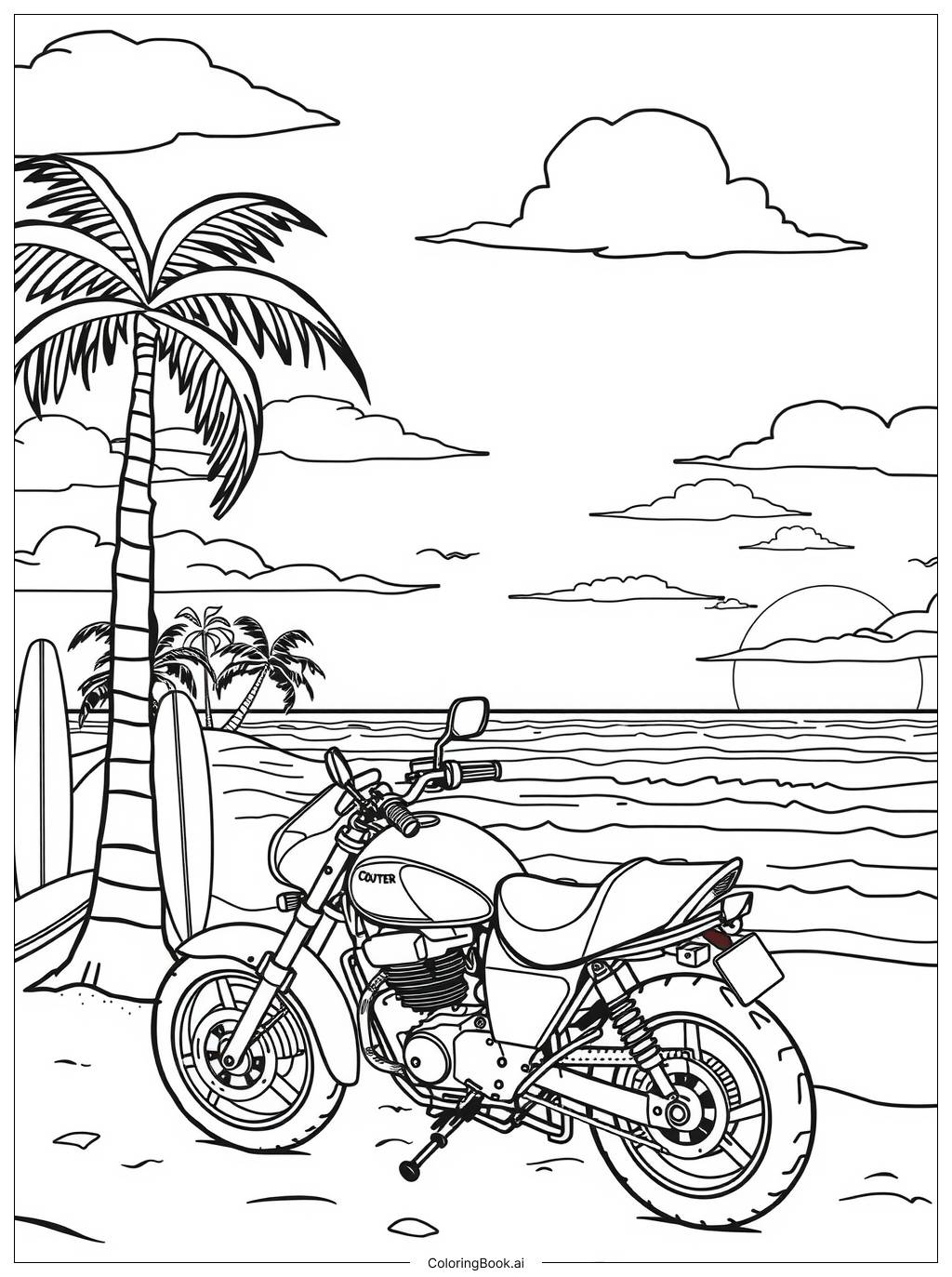
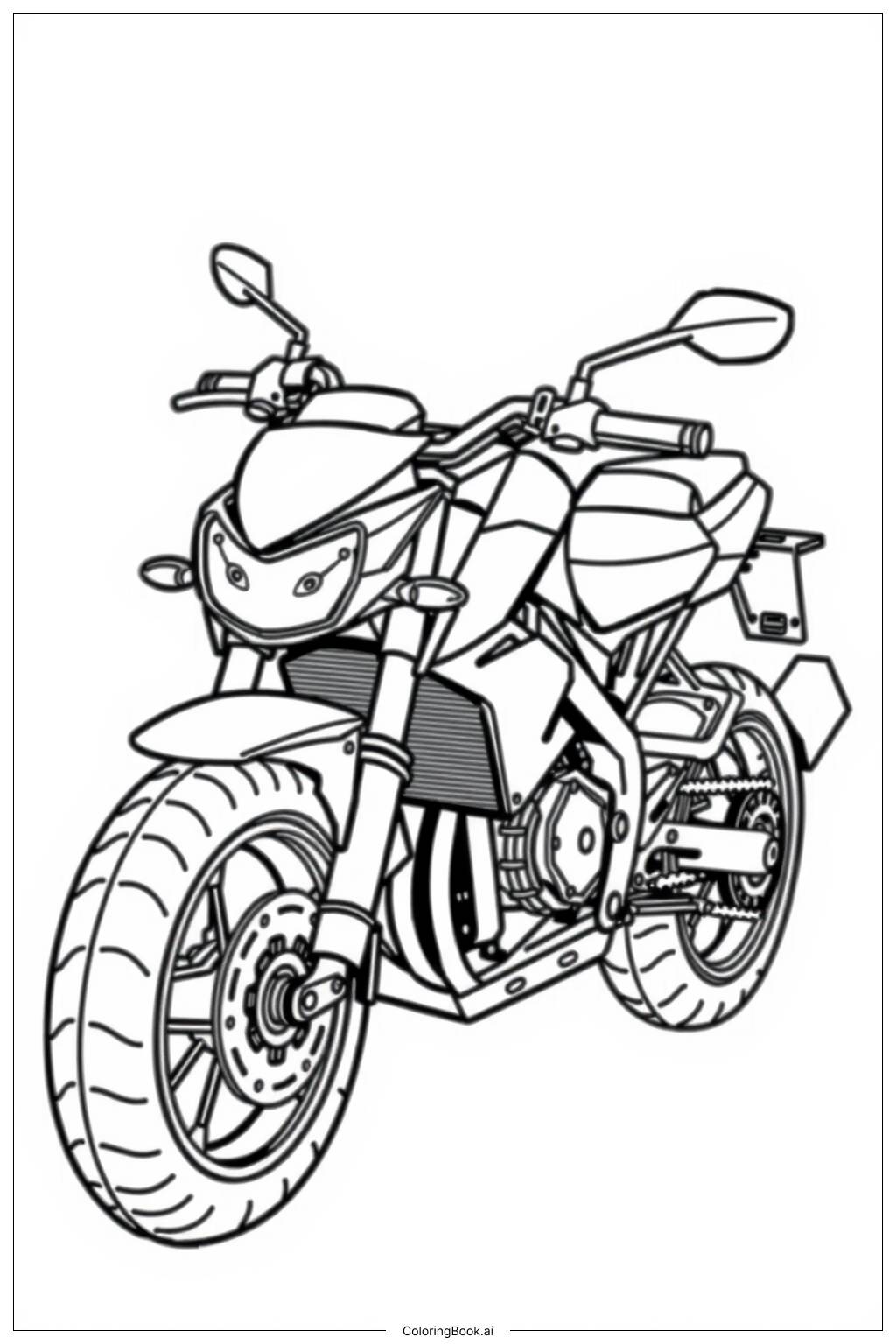
When coloring this Blue Motorcycle, start with the main body of the bike. Use shades of blue to fill in the largest areas to bring the motorcycle to life. You can choose bright blue for a sporty look or darker navy tones for a more classic feel. Use gray or silver colors for the metal parts like the engine, exhaust, and wheels to create a shiny effect. Don’t forget to color the tires in black or very dark gray to make them stand out. For smaller details like the headlights and brake discs, white or light gray will add realistic highlights. Adding some gentle shading or layering different blues can make the bike look three-dimensional. Feel free to add some creative patterns or stripes with other colors to personalize your motorcycle.
Coloring challenges: Which parts are difficult to color and need attention for Blue Motorcycle coloring page?
• Small Engine Parts: The engine contains many tiny details and overlapping lines. It requires patience to color inside the small sections without going outside the lines. Using fine-tipped coloring tools helps with precision.
• Curved Tire Edges: Coloring the round tires evenly can be tricky because of the curved shapes. Smooth strokes and consistent pressure are needed to avoid patchy color.
• Reflective Surfaces: Some parts like the headlights and exhaust pipes are meant to look shiny. Creating a metallic effect can be challenging and may require layering colors or using lighter shades for highlights.
• Thin Linework: The outlines around some parts like the brakes and handlebars are very thin, so extra care is needed to avoid coloring over them.
• Uniform Color Areas: The large smooth surfaces of the motorcycle’s body need uniform coloring to achieve a polished look, which can be difficult without streaks or blotches.
Benefits of coloring books: Advantages of drawing Blue Motorcycle coloring page
Coloring this Blue Motorcycle helps improve hand-eye coordination and fine motor skills thanks to the mix of large and small areas. It encourages attention to detail with the many mechanical parts, boosting concentration and patience. Choosing colors and blending different shades allows children to practice creativity and color theory. The exercise also supports problem-solving when deciding how to make shiny metal parts look realistic. Additionally, working on this image can build confidence as kids see their colorful motorcycle come to life, inspiring pride in their artistic work.