Coloring tips: How to color Mosasaurus Simple Headshot coloring page well?
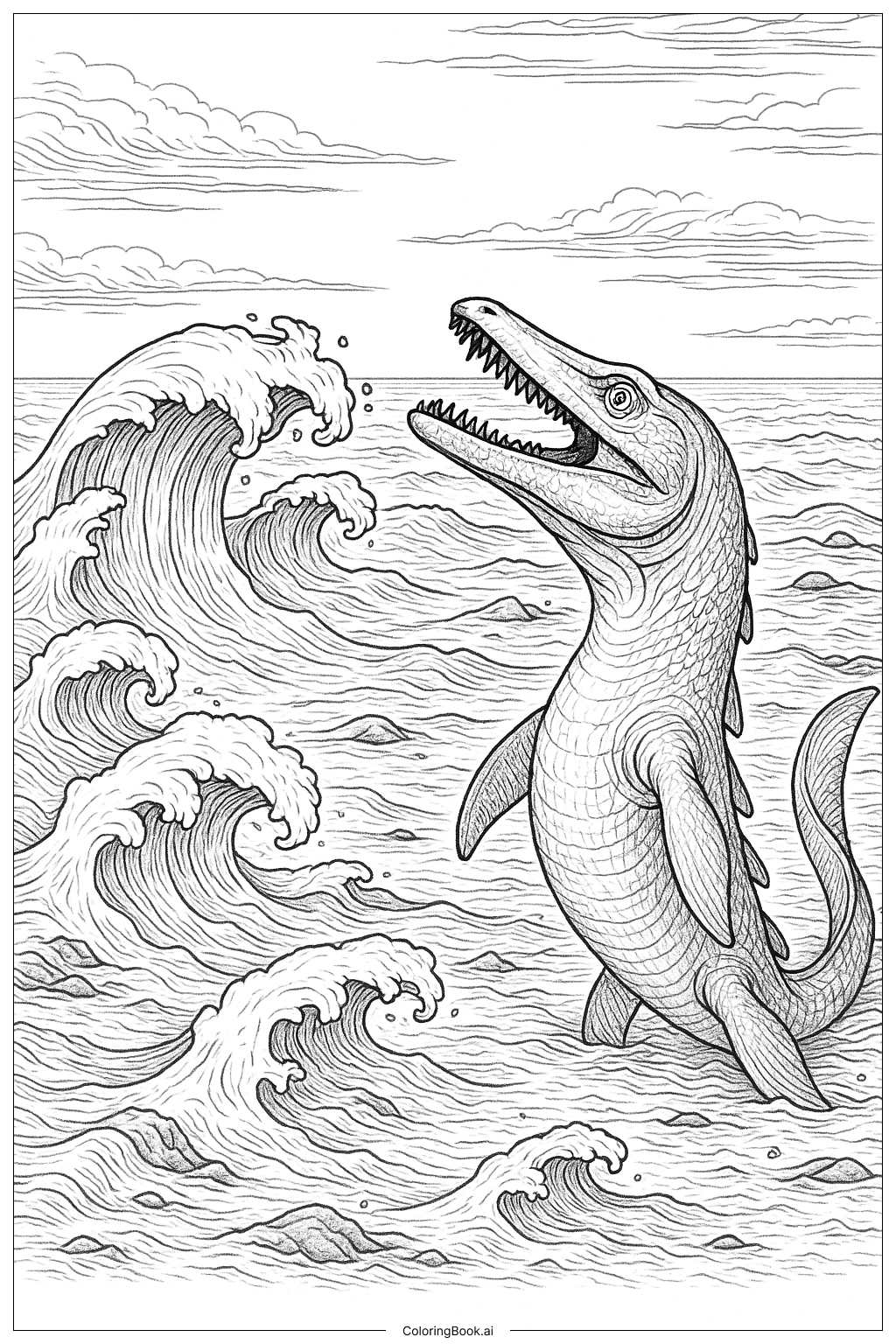
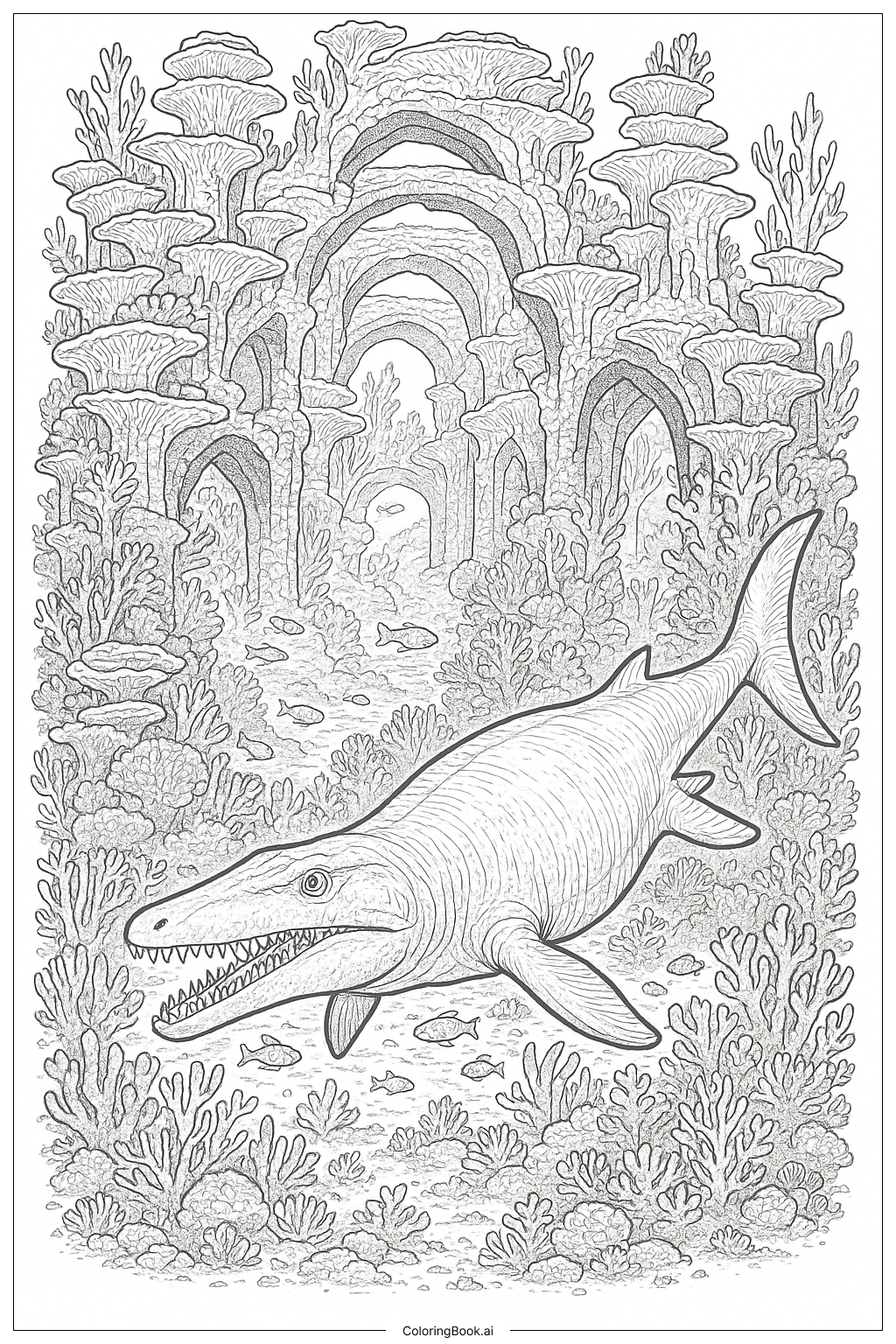
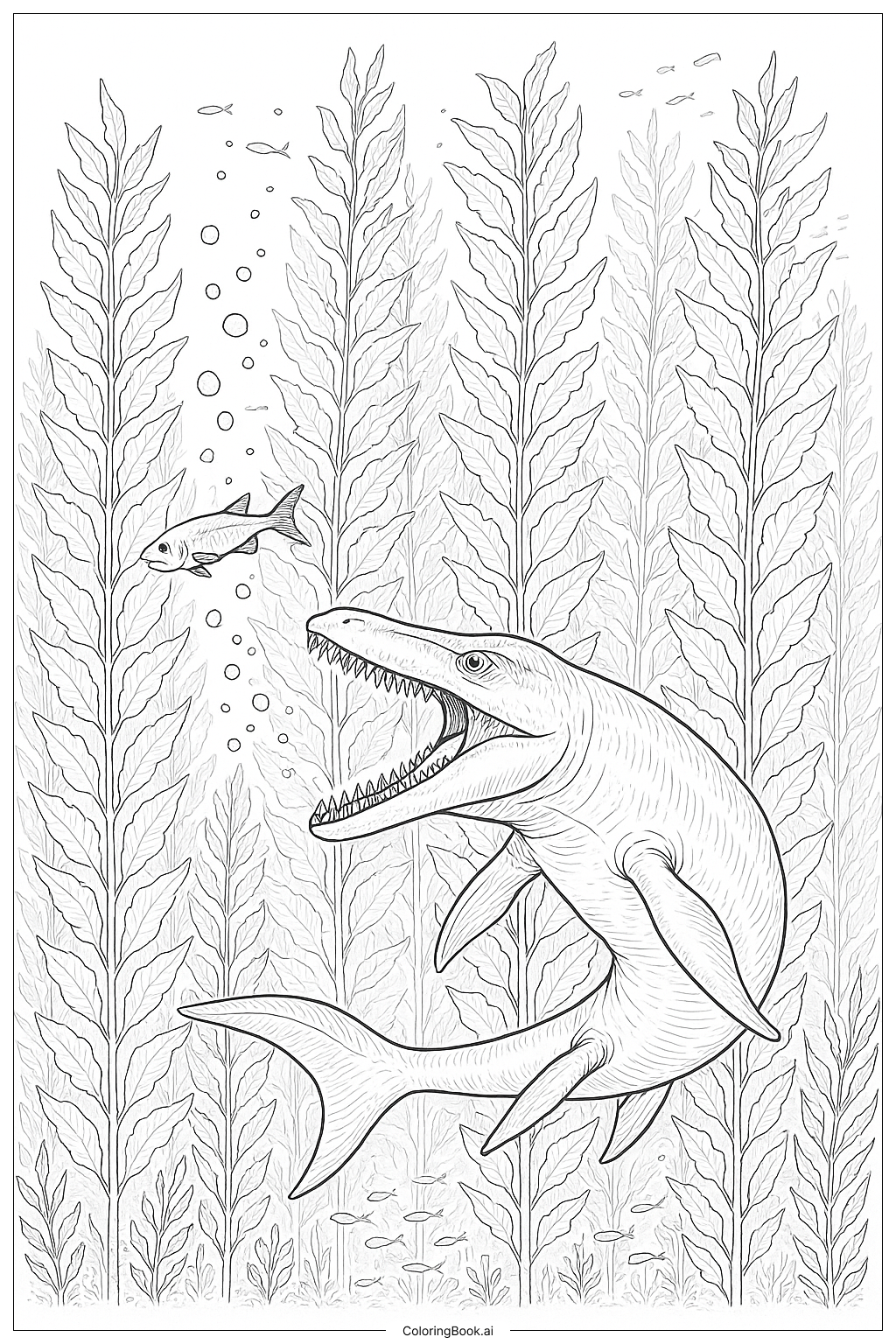
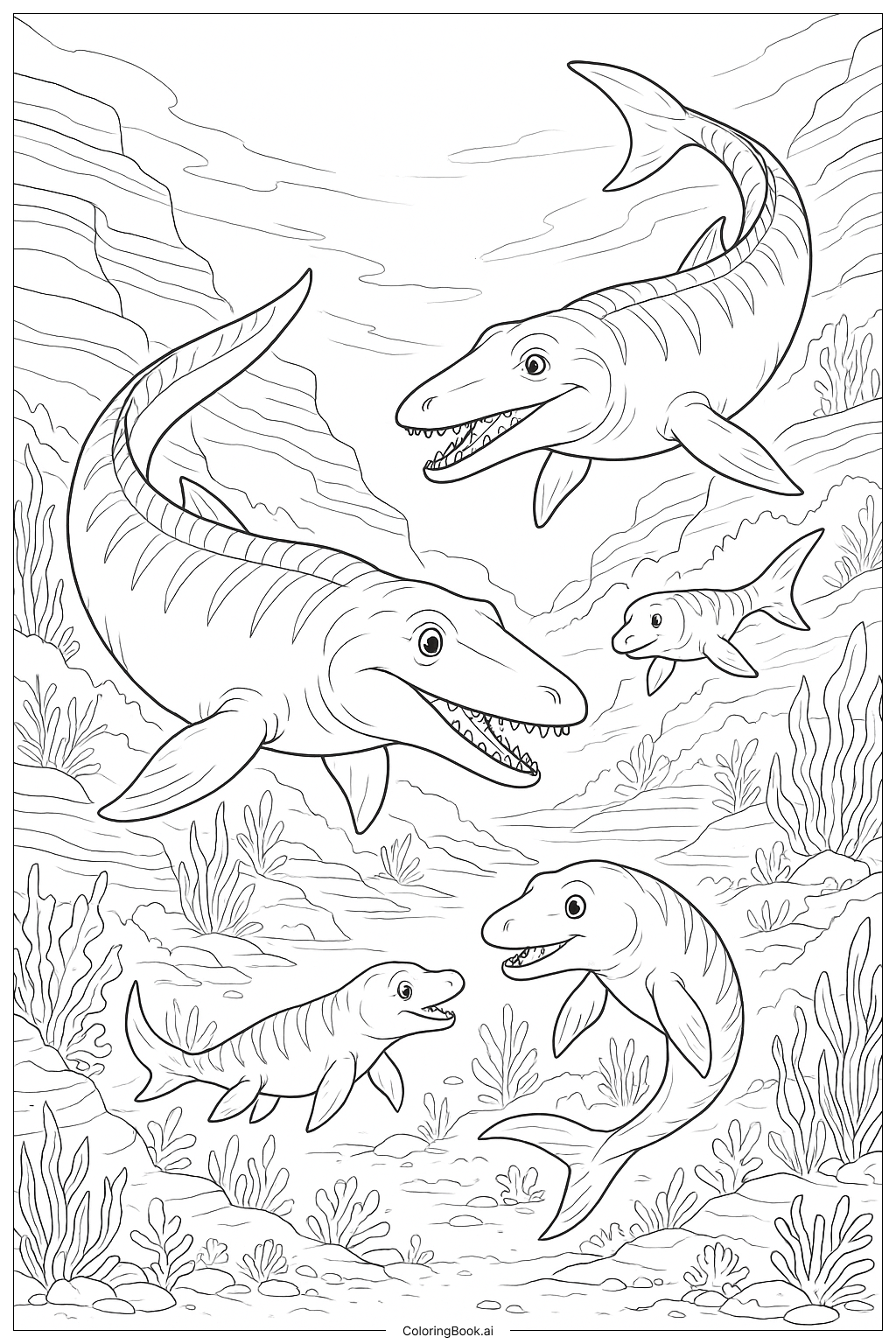
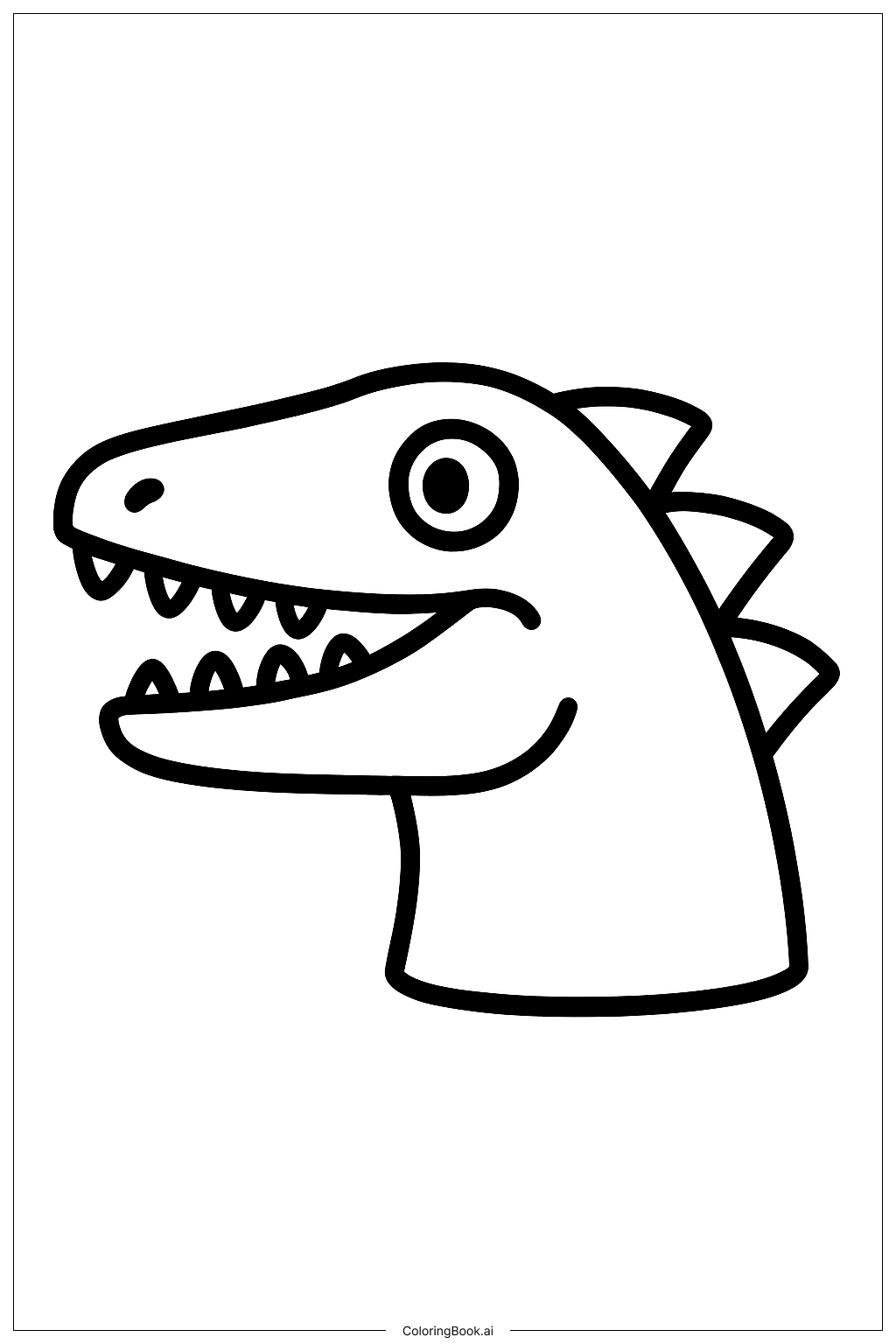
Color this mosasaurus with a bright, friendly palette. Start with a light base color for the body, such as aqua, teal, or pale blue. Add depth with a darker shade along the top edge and near the jaw to show light from above. The teeth are white; you can add a touch of pale gray at the roots for dimension. The eye can be a bold color like orange, yellow, or purple, with a black pupil. For the back plates, use alternating tones or a gradient to create fun contrast. Background can be a pale sky color or left white to keep the focus on the character. Blend colors gently to avoid harsh lines, and use a fine liner for crisper outlines if desired. Have fun mixing bright colors to express a playful mood.
Coloring challenges: Which parts are difficult to color and need attention for Mosasaurus Simple Headshot coloring page?
- Curved shapes and large spaces can be tricky for young colorers. Stay inside bold lines by using long, steady strokes; start light and build shadows along the top edge and neck to show light. Hold the paper steady and let layers dry if using markers.
- Teeth and mouth gaps require care. Keep teeth white and avoid coloring into the spaces between teeth. Use a fine-tip white pen for highlights or color the gums separately with a pale shade behind the upper row.
- Eye expression depends on the round iris and black pupil. Keep the iris within the bold eye outline and save the black fill for the last to avoid smudges. Leave a tiny white spot for sparkle.
- Back plates offer a chance to create patterns. Plan color placement, then color the plates evenly; allow drying between plates when using markers to prevent color bleed.
Benefits of coloring books: Advantages of drawing Mosasaurus Simple Headshot coloring page
Coloring this mosasaurus page helps kids practice focus and steady hand movement. Filling in large smooth areas strengthens fine motor skills and hand-eye coordination, while careful line work builds precision. Choosing colors, blending shades, and adding shading teaches color recognition, contrast, and basic value concepts like light and shadow. The friendly expression encourages imaginative storytelling; children can imagine underwater adventures and mix ocean hues to create a vivid scene. The big teeth, eyes, and back plates offer opportunities to experiment with color placement and patterns, supporting planning and sequencing as kids decide where to put bright or muted tones. The simple shapes are approachable but still offer room for creativity, giving a sense of accomplishment when the page is finished. For younger children, parents can guide them in staying within lines and choosing safe, non-toxic materials. For older kids, this page can be a canvas for more complex shading and color-mixing experiments. Overall, coloring this image supports concentration, creativity, emotional expression, and confidence in completing a project.