Coloring tips: How to color Mosasaurus Bubble Trail coloring page well?
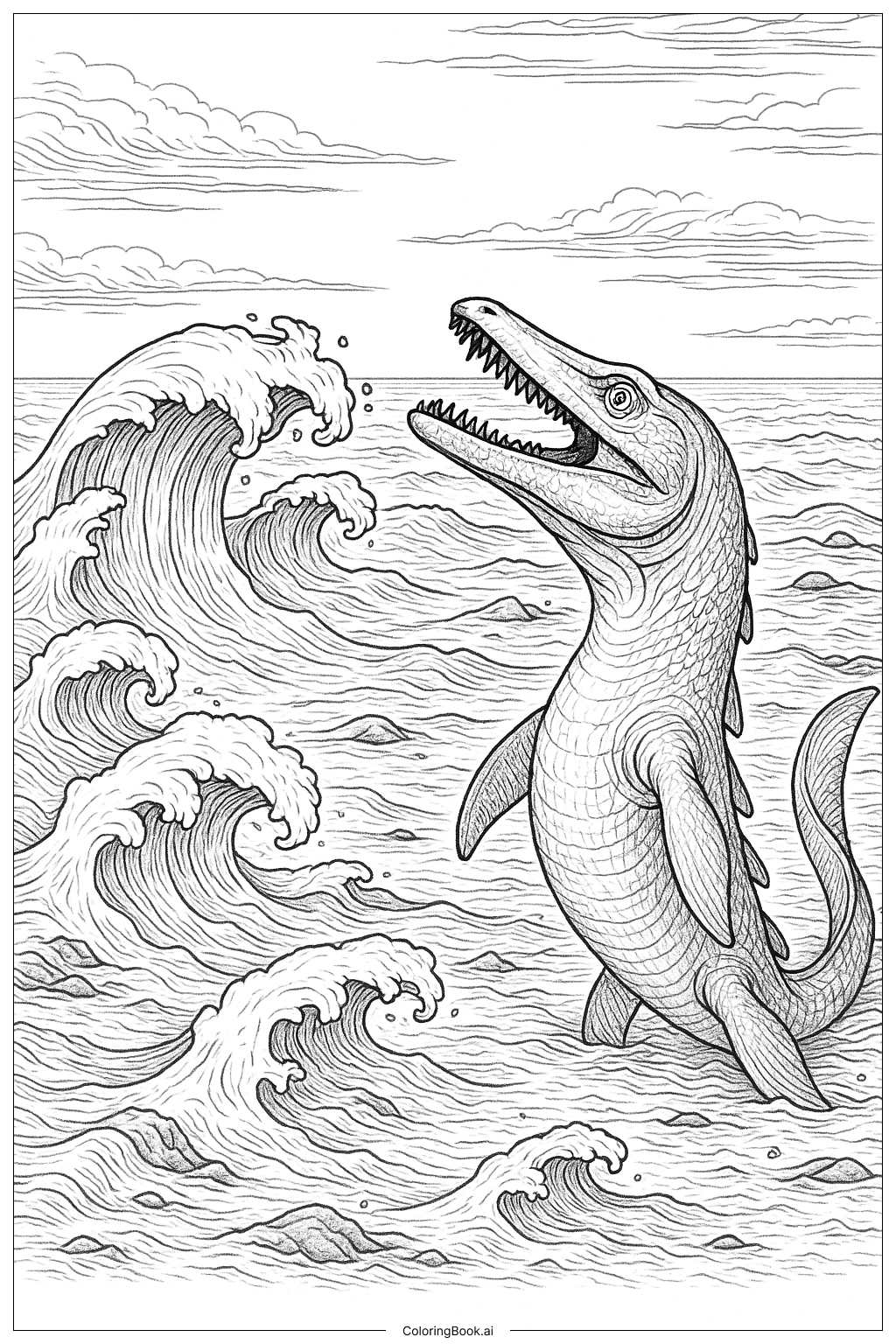
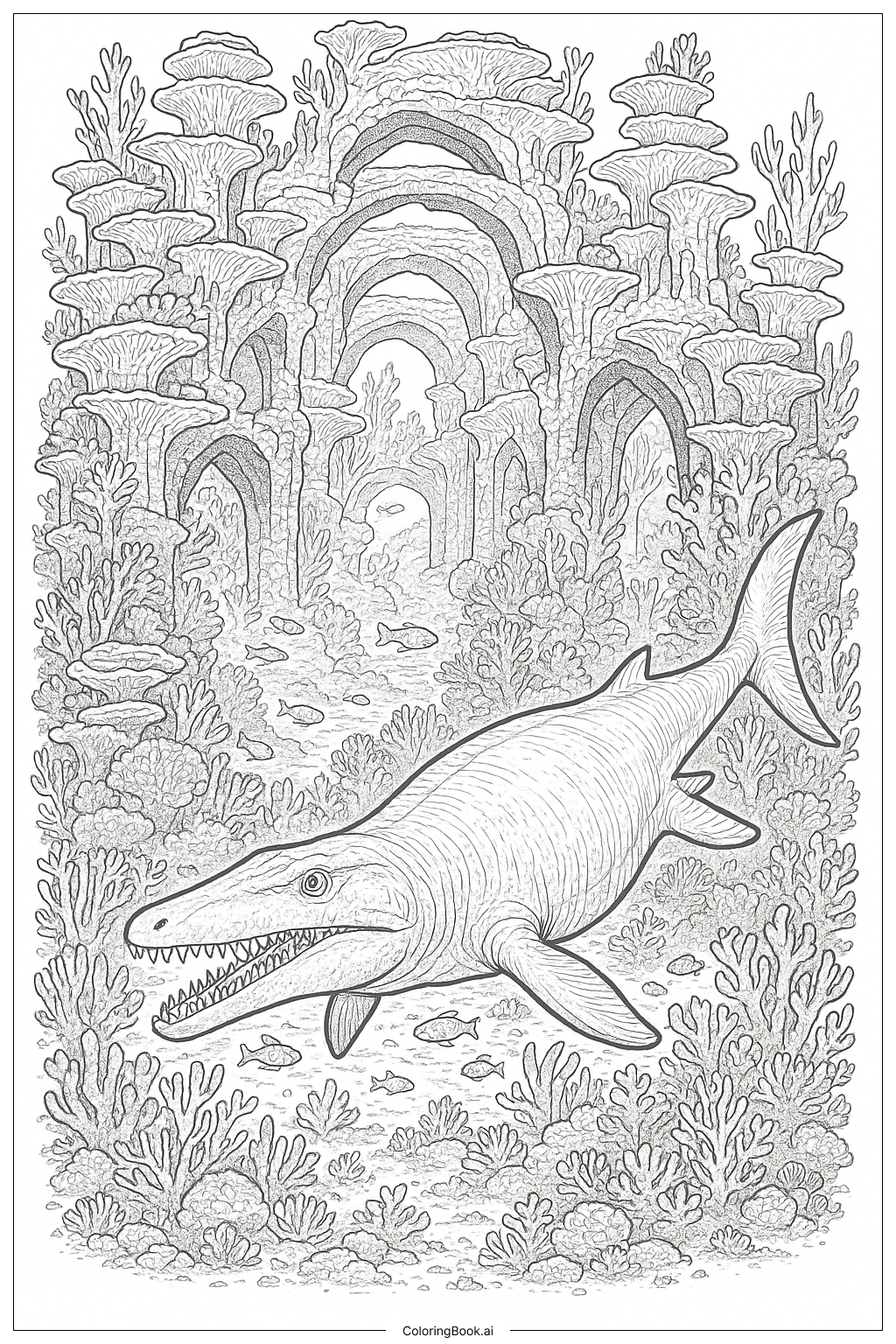
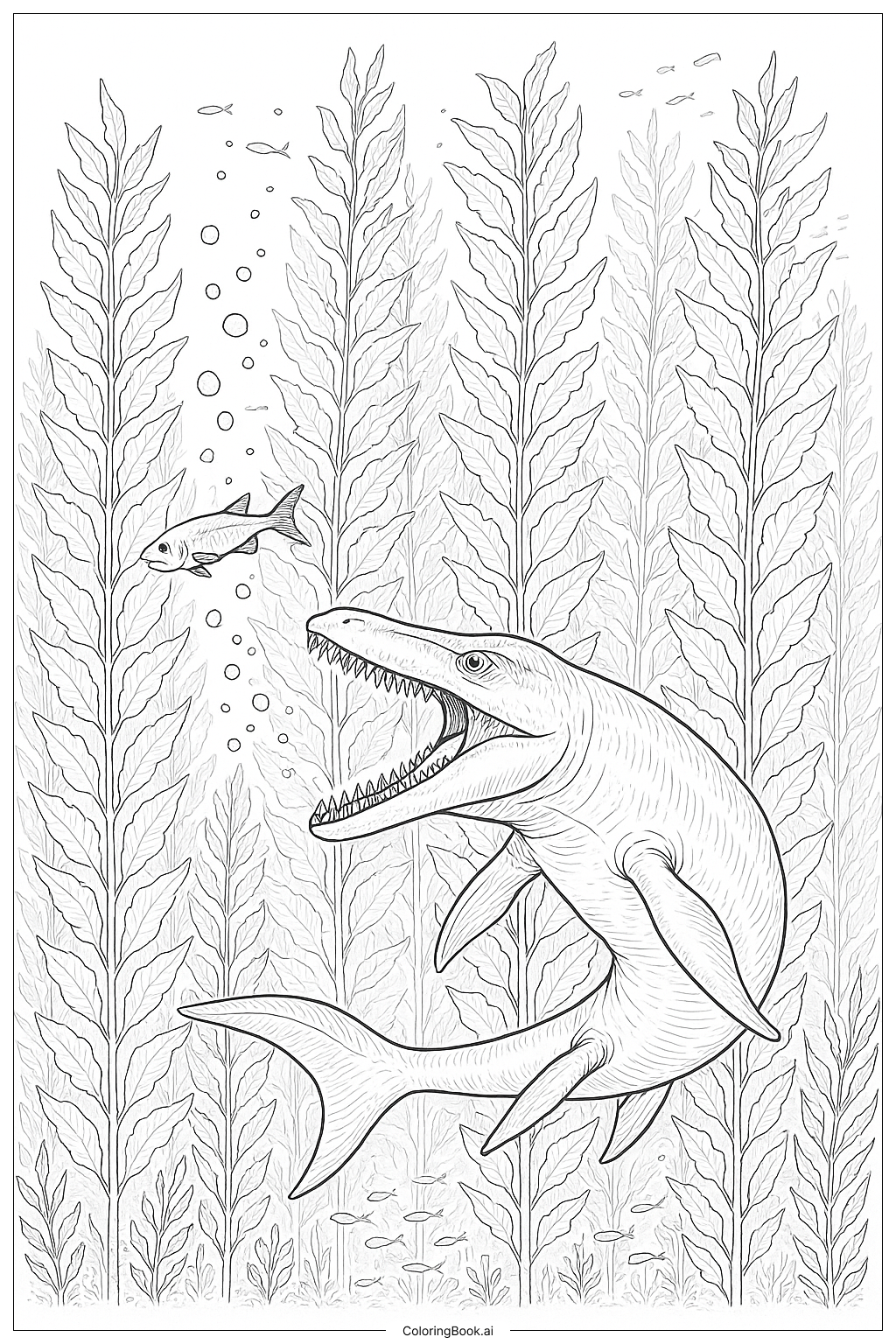
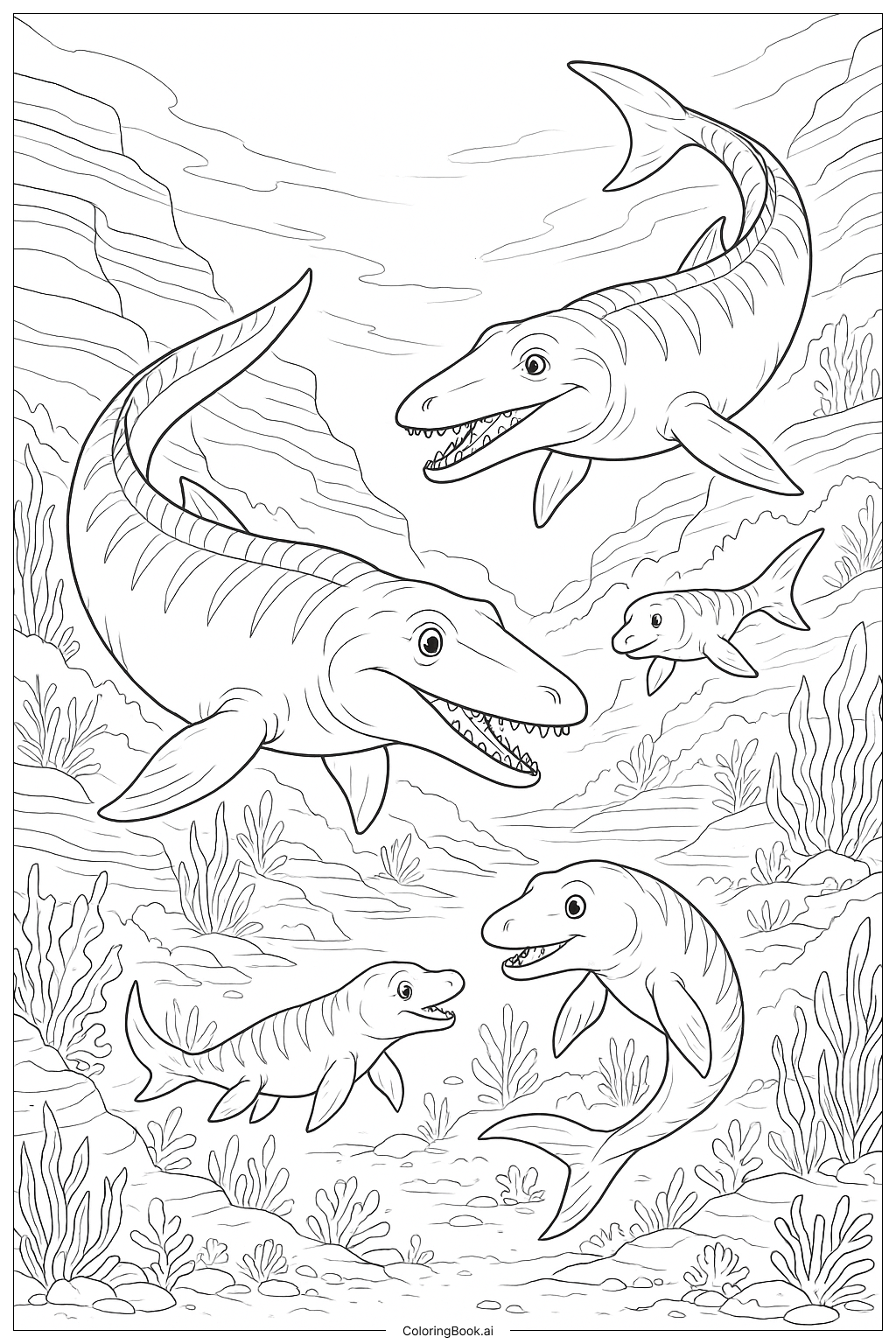
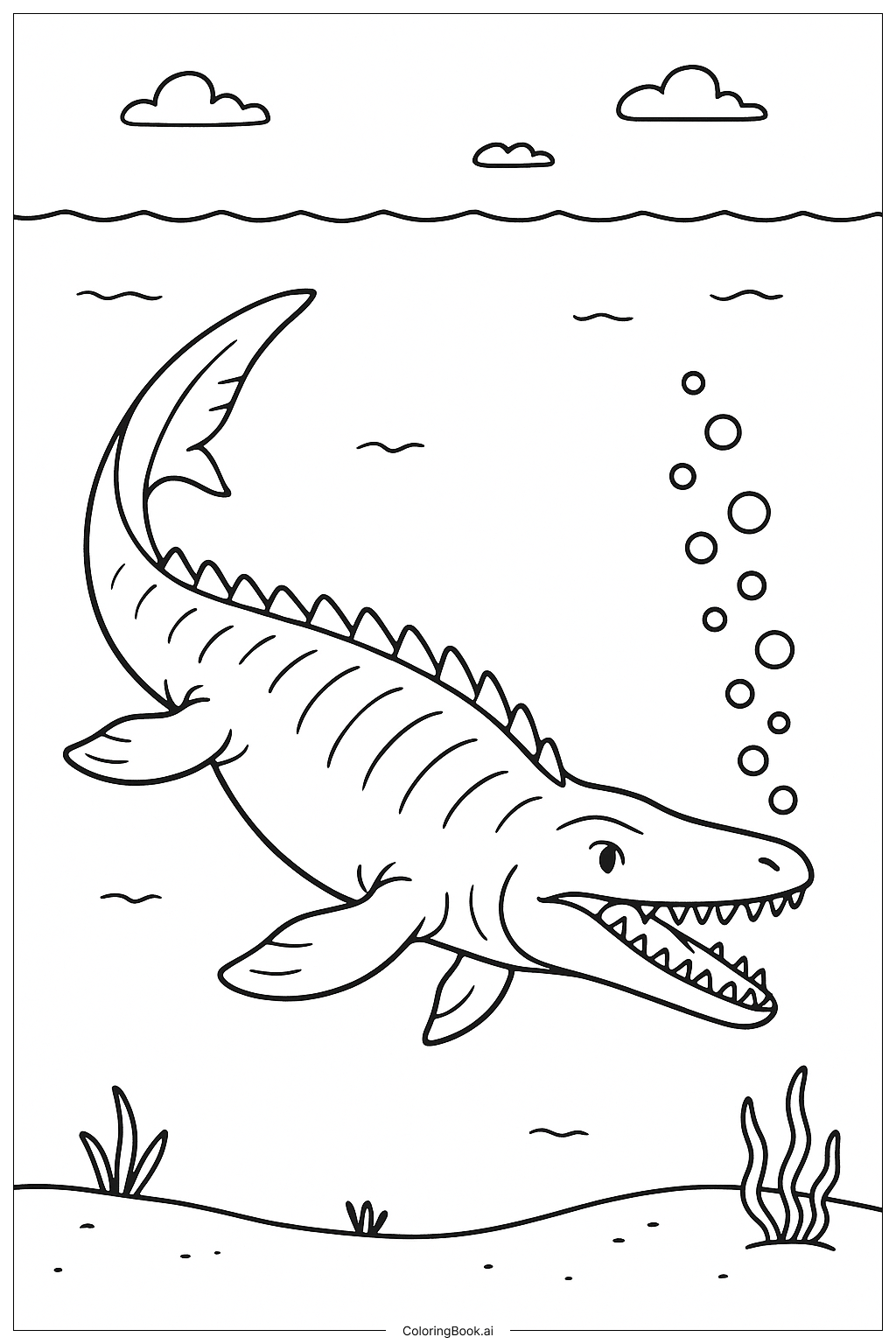
Try a bold ocean palette. Start with the Mosasaurus: choose a main color like teal, blue-gray, or purple to make it stand out. You can color the body with lighter shades on the belly and darker tones along the back to show curves and muscles. Use tiny strokes to suggest muscle lines and scales along the sides. The teeth can be white, with light gray shading near the gums for depth. For bubbles, pick pale blues or pale silver to make them sparkle as they rise. The water background can be layered from light cyan near the surface to deeper blue toward the bottom. Add soft gradients to the clouds and to the sea floor to create distance. Color the seaweed and plants in greens and browns; you can add a touch of yellow to show sunlight. Don’t rush—take time to blend colors gently. Leave white spaces for highlights if you want a bright, cheerful look.
Coloring challenges: Which parts are difficult to color and need attention for Mosasaurus Bubble Trail coloring page?
1) Anatomy and proportions can be tricky. The Mosasaurus has a long, thick body, a powerful jaw, and a high tail. Make sure the head stays proportional to the body and the fins look balanced. The mouth shows many sharp teeth; the shape can be intimidating if every tooth is shaded. Keep a light guide line for the midline of the body, then add curves and muscles without overcomplicating the silhouette. 2) Shading and texture require careful planning. Imagine a single light source from the top left; apply lighter tones on the upper surfaces and darker tones on the lower surfaces. Use subtle streaks or small scales along the sides to suggest texture without cluttering the page. Blend colors gently to avoid harsh transitions, especially on the belly and along the back. The goal is a glossy, smooth look rather than rough, heavy shading. 3) Background balance and contrast are important. The bubbles, waves, and plants share space with the Mosasaurus; too many bold colors in the background can compete with the main figure. Plan a cohesive palette: cool blues for water, greens for plants, and a contrasting hue for the Mosasaur. Use lighter values near the surface to imply depth, and reserve darker tones for the lower area. 4) User-friendly coloring techniques for kids ages 4-16. For younger children, suggest larger color blocks and simple shading; for older ones, add gradient tips and fine details such as scale lines and bubble highlights. Encourage coloring within the lines by using a ruler guide or thick borders. Remind children to leave some white space for bubbles or sunlit reflections. Practice helps, so suggest revisiting the same page with new color choices.
Benefits of coloring books: Advantages of drawing Mosasaurus Bubble Trail coloring page
Coloring this Mosasaurus page helps kids practice fine motor skills as they color small areas like teeth and bubbles. It teaches color recognition by asking them to choose blues for water, greens and browns for plants, and a bright color for the creature. The activity also builds focus and patience as children stay in the lines and blend shades. Young children gain confidence by finishing a complete scene they can show to family. Older kids can explore more advanced shading to suggest depth and form.
The underwater theme sparks curiosity about prehistoric animals and oceans. Talking about bubbles, waves, and sea plants can turn coloring into a mini science lesson. The simple, bold lines are forgiving for beginners, while the larger areas invite experimentation with color mixing for those who want more challenge. The page provides a relaxing, enjoyable break from screens and promotes mindful concentration. Sharing finished pages with friends or family can encourage storytelling about the Mosasaurus’s adventures, which helps language development and imagination. Finally, this coloring page supports early math ideas (patterns and symmetry) when kids compare sizes of bubbles or note how light changes from surface to bottom.