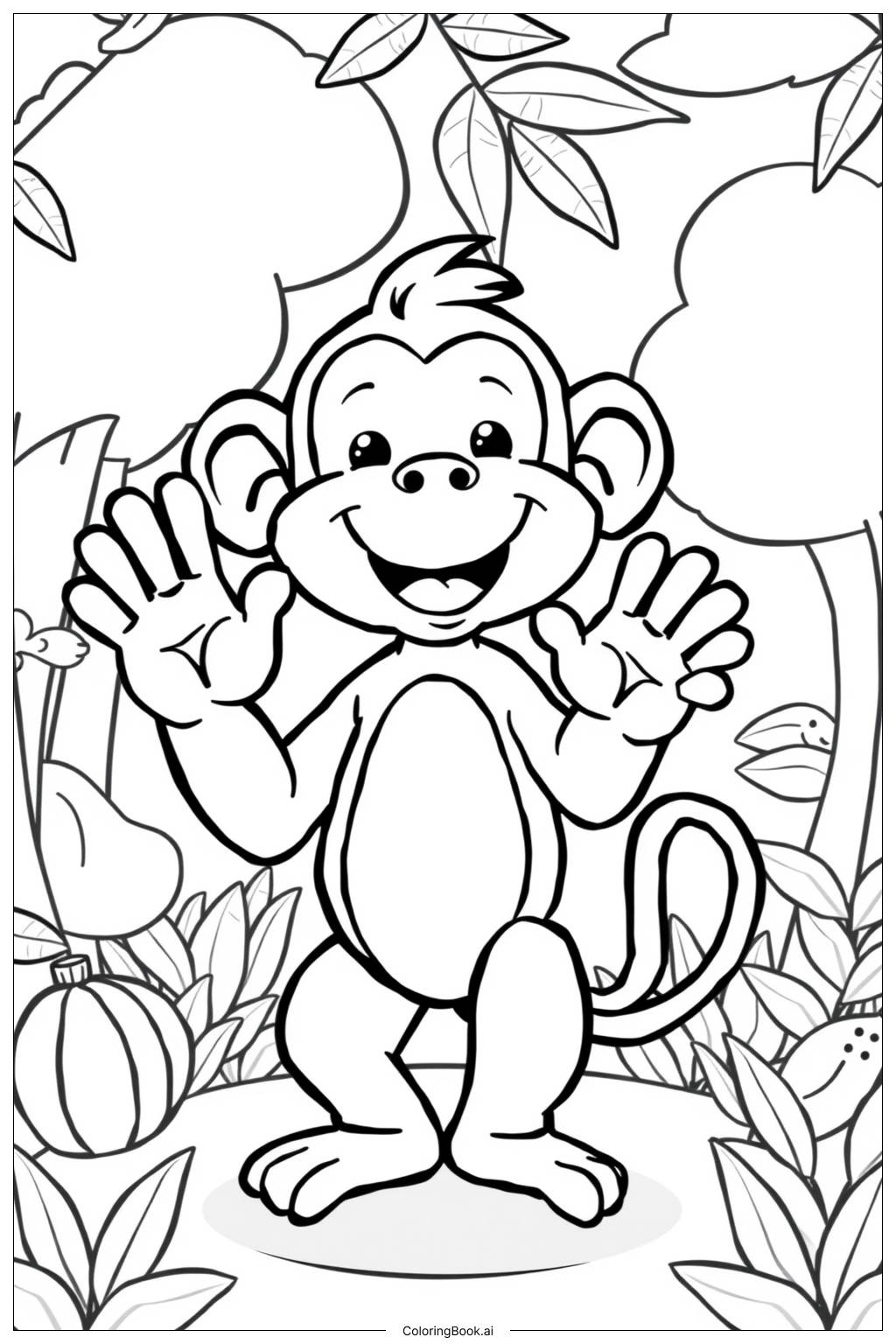
Coloring tips: How to color Monkey Waving coloring page well?
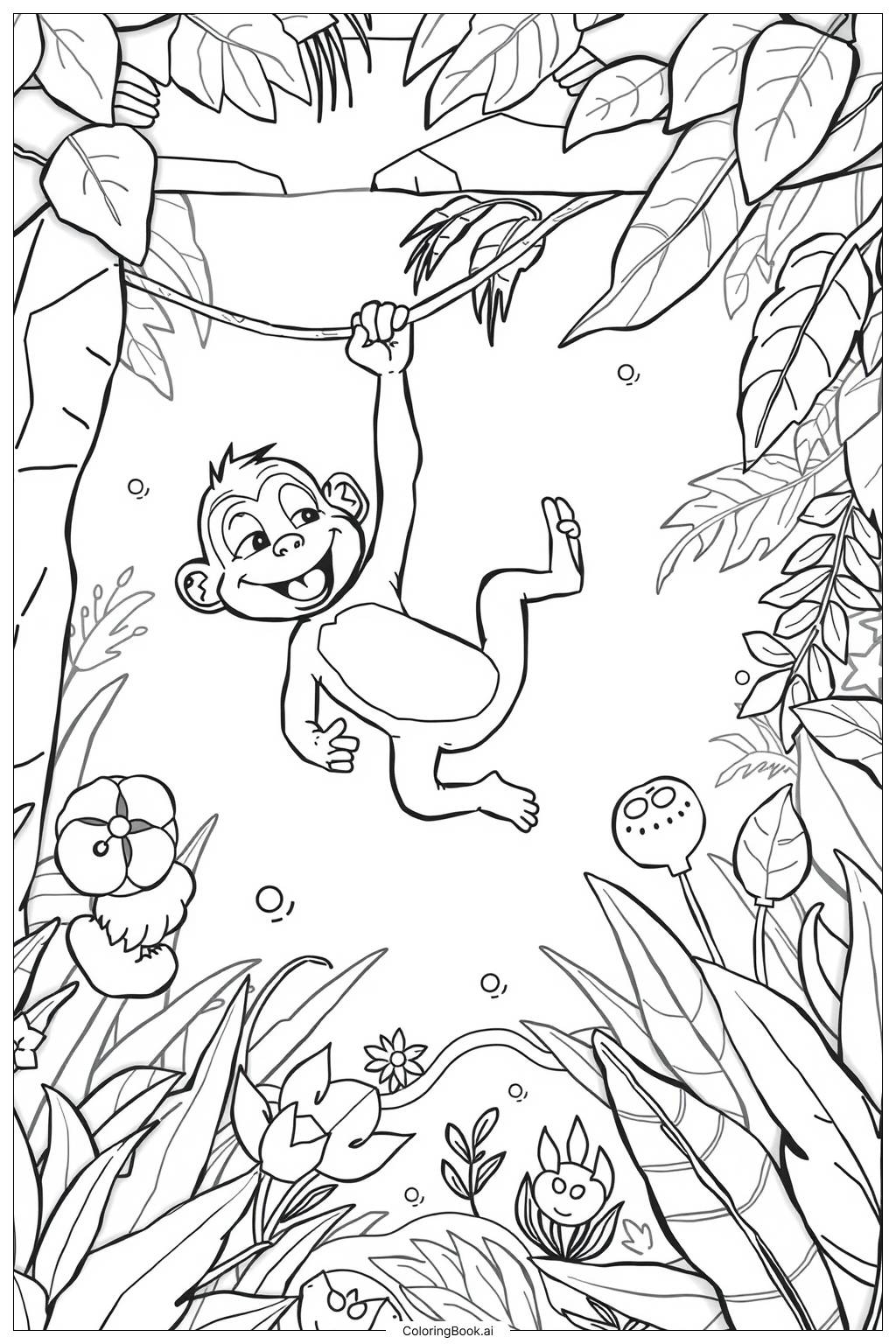
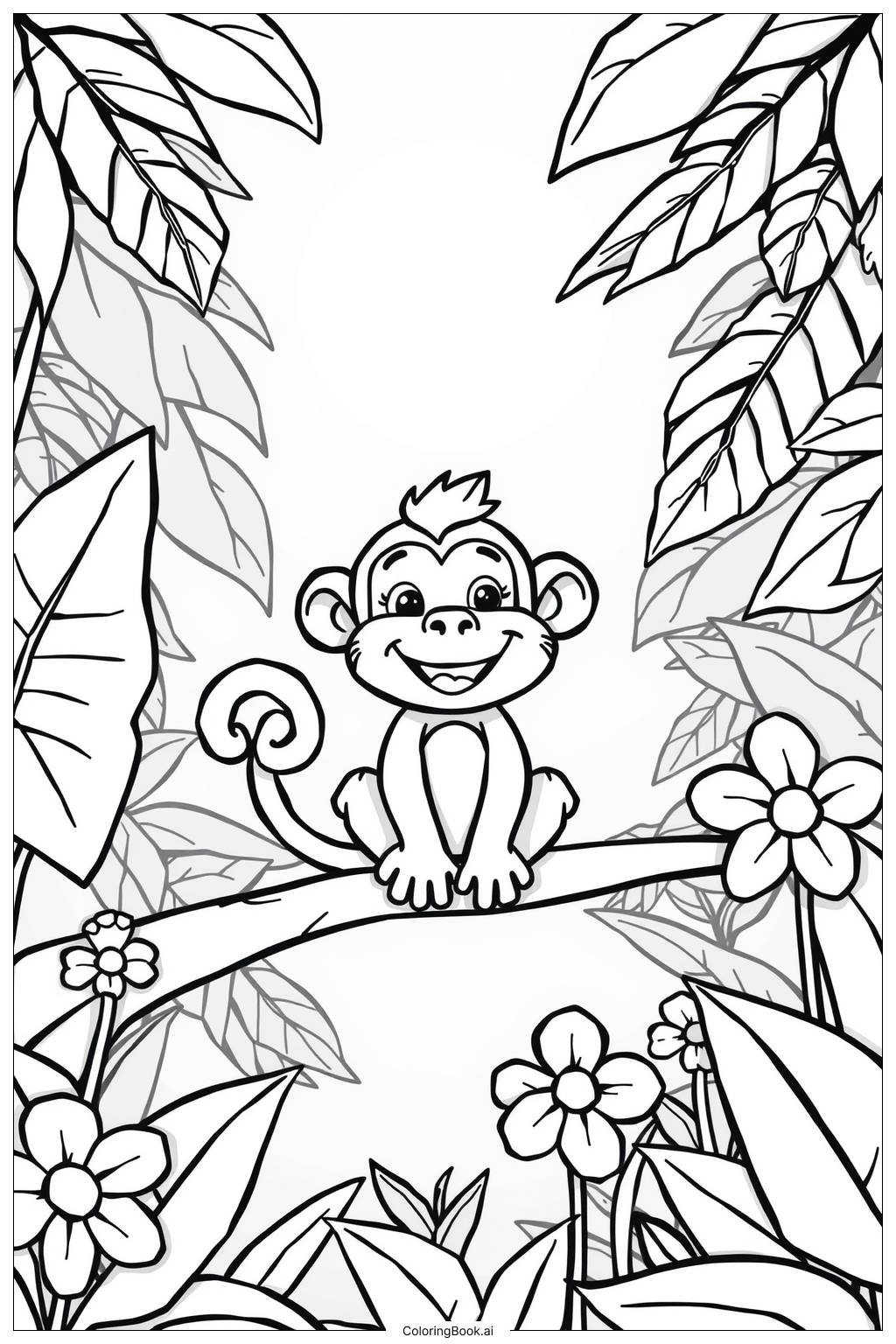
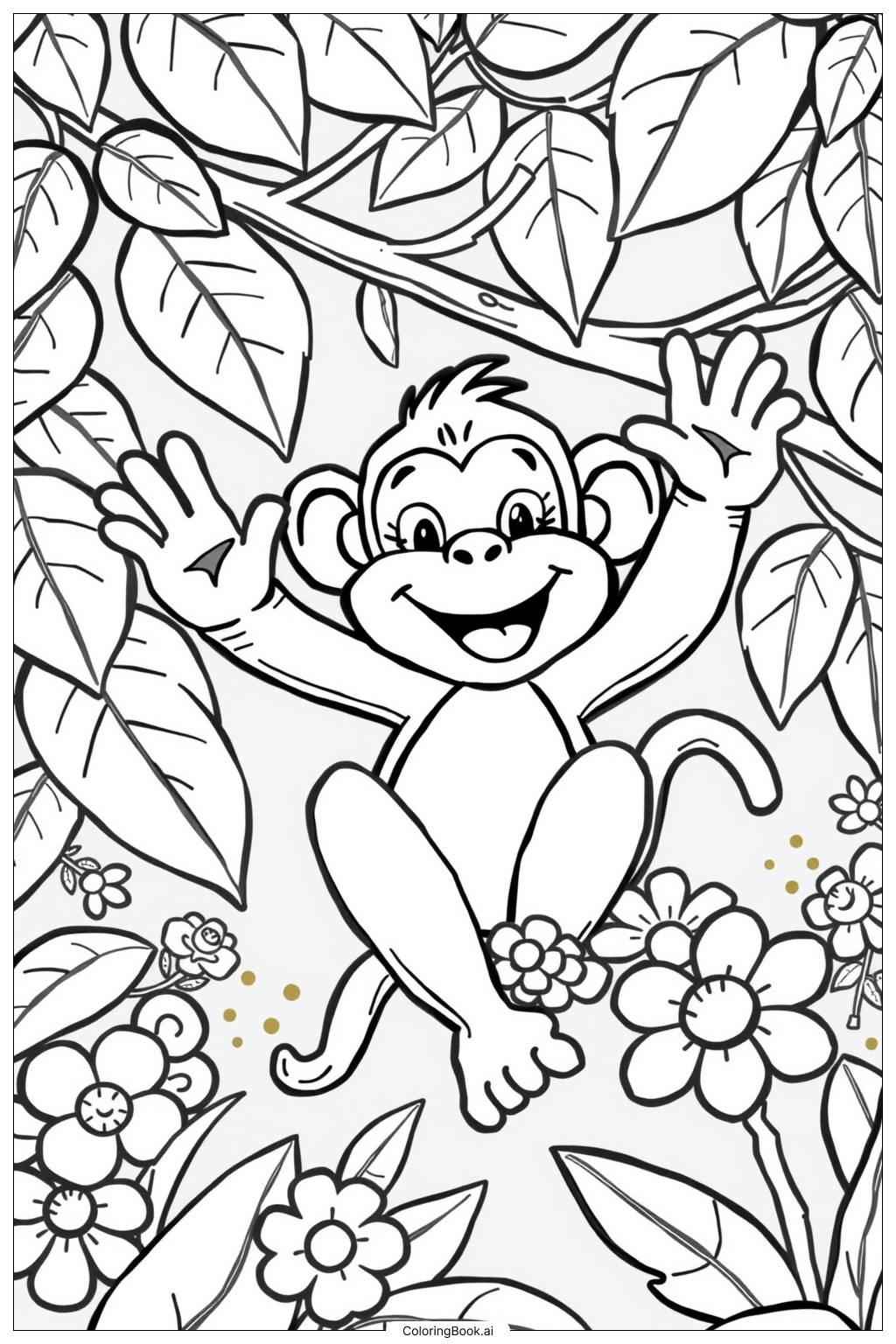
Start with the monkey's fur. Brown is the most natural choice, but you can go wild with orange, golden yellow, or even purple for a fun, imaginative look. Use a slightly darker shade on the arms, legs, and tail to add depth and dimension. For the face and belly patch, pick a lighter tone like tan or peach to show the softer skin. Color the eyes dark brown or black, and add a tiny white dot to make them look bright and lively. The mouth and inner ears can be filled with a soft pink. If there is a background, try a jungle green or a sunny sky blue to set the scene. Kids can also experiment with patterns on the fur for extra creativity. Use colored pencils for fine details and markers or crayons for larger areas.
Coloring challenges: Which parts are difficult to color and need attention for Monkey Waving coloring page?
• Fur Texture and Shading: One of the trickiest parts is making the monkey's fur look natural and fluffy. Simply filling in one flat color can make it look dull. Try using two or three shades of the same color, applying darker tones at the edges and lighter tones toward the center of each body part. Short, light pencil strokes following the direction of the fur can also add a soft, realistic texture without too much effort.
• Facial Expression Details: The monkey's face holds most of its personality, with small features like the eyes, nostrils, and smile packed closely together. Coloring these tiny areas neatly takes a steady hand and a sharp pencil or a fine-tip marker. Rushing this section can easily blur the lines and make the expression look unintended. Take your time here and use thin tools.
• Contrast Between Skin and Fur Areas: The lighter belly and face patch need to stand out clearly from the surrounding fur without looking disconnected. Choosing colors with enough contrast, like a warm tan against a medium brown, is key. Blending the edges slightly where the two areas meet can create a smoother, more natural transition.
• The Raised Waving Arm: The arm in motion has foreshortening and overlapping lines that can be confusing to color. Keeping the same fur color consistent across the arm while adding a touch of shadow underneath helps it look three-dimensional and in motion.
• Background Coordination: If a background is added, balancing it with the monkey's colors is a real challenge. Too bright a background can overpower the figure, while too dull a one can make the whole image feel flat. Choose complementary tones and keep the background slightly less saturated than the main character.
Benefits of coloring books: Advantages of drawing Monkey Waving coloring page
Coloring this friendly waving monkey offers a wonderful range of benefits for kids and young learners. The act of choosing colors and staying within the lines builds fine motor skills and hand-eye coordination, which are important foundations for writing and other detailed tasks. Because the monkey has a fun, expressive pose, children naturally feel engaged and motivated, turning the activity into an enjoyable creative experience rather than a chore. Deciding which colors to use for the fur, face, and background encourages imaginative thinking and helps children develop their own sense of style and artistic confidence. The image also provides a gentle introduction to concepts like shading and contrast, teaching young colorists how different tones can make a flat drawing look three-dimensional. Completing the page gives children a real sense of accomplishment, boosting self-esteem and encouraging them to take on more detailed projects over time. The cheerful subject matter — a monkey waving hello — can also spark conversations about animals, nature, and empathy, making it a great starting point for learning beyond the page. Whether done alone or with friends and family, coloring this image is a calm, screen-free activity that supports focus, patience, and creativity all at once.