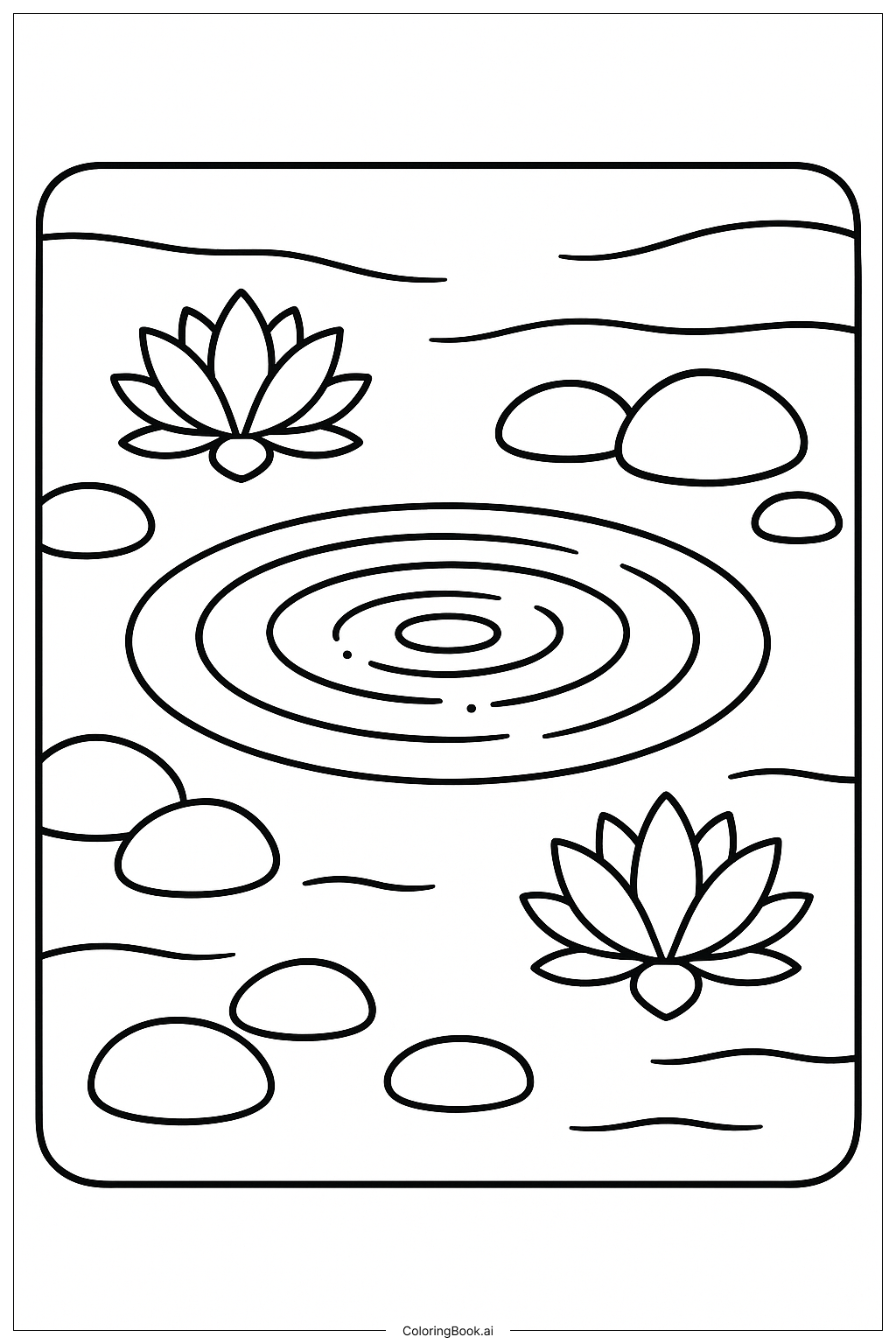
Coloring tips: How to color Mindfulness Symbol Of Calm Rippling Water coloring page well?
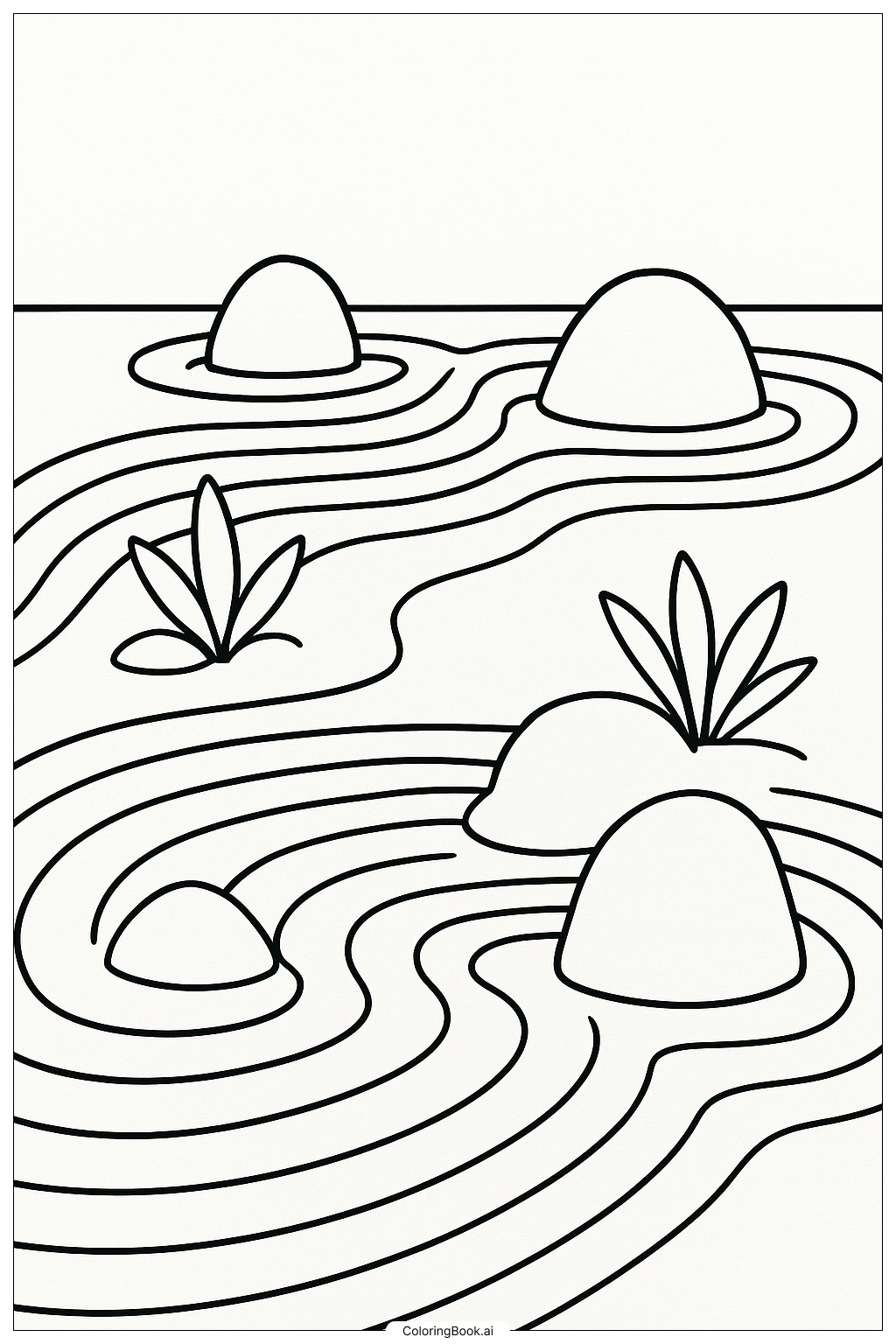
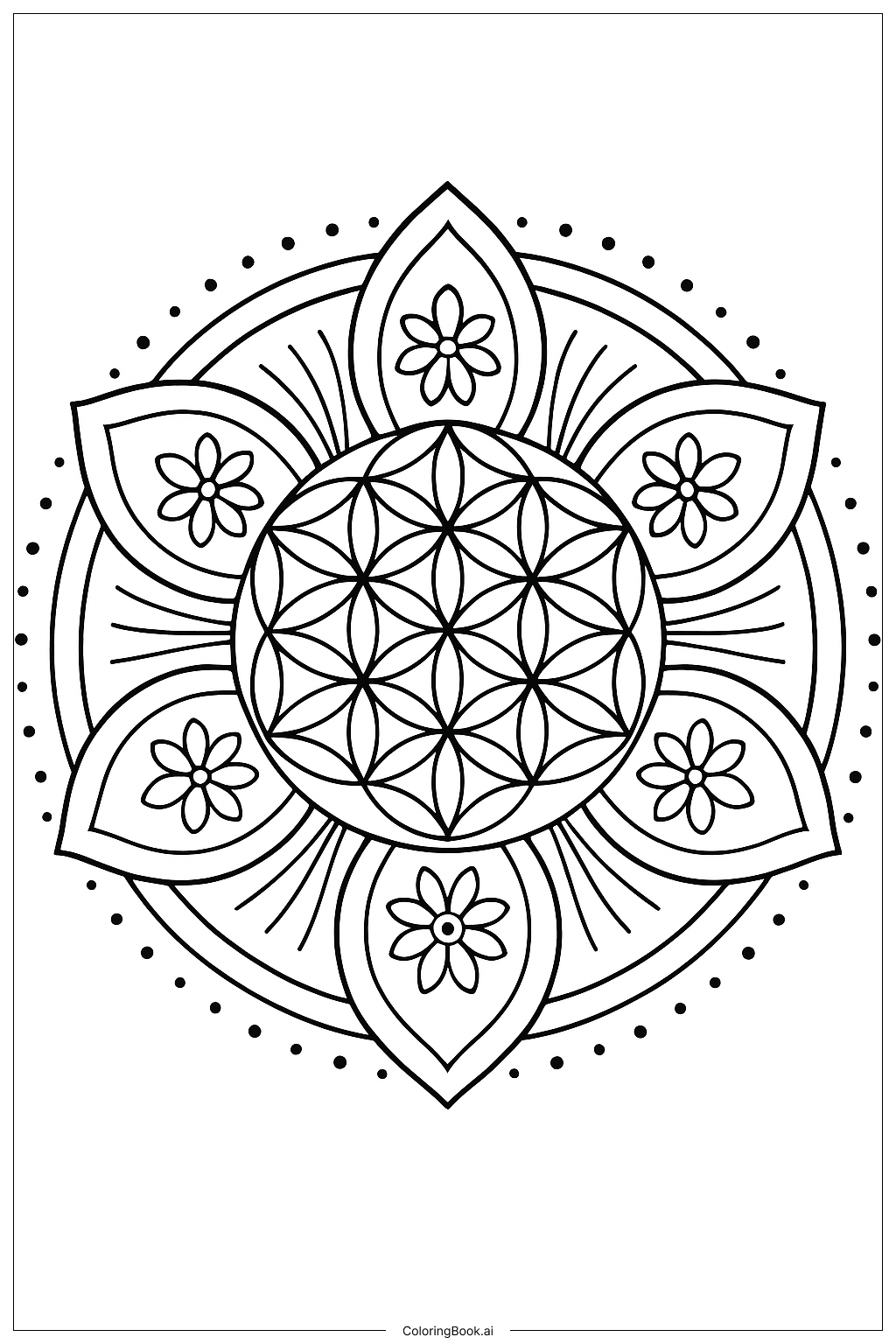
Start with the lotus flower at the center. Use soft pinks or light purples for the petals to give it a gentle, calming feel. Add a pale yellow or cream tone to the center of the bloom. For the water ripples, try light blues and soft teals, blending from darker shades near the edges to lighter tones near the lotus. This creates a sense of depth and movement. Color the lily pads in soft greens, using a slightly darker shade along the edges to define their shape. For the background water, a wash of very pale blue or lavender works beautifully. If you want a more magical look, try adding hints of soft gold or peach to the ripple lines. Keep your strokes smooth and flowing to match the calm mood of the image. There is no wrong way to color this — just go with what feels peaceful to you.
Coloring challenges: Which parts are difficult to color and need attention for Mindfulness Symbol Of Calm Rippling Water coloring page?
• Ripple Rings: The concentric ripple lines spreading outward from the lotus require careful, consistent coloring. Keeping the gradient smooth — darker at the outer edges and lighter near the center — can be tricky, especially for younger colorists. Staying within the thin curved lines without overlapping takes patience and a steady hand.
• Lotus Petal Details: The lotus flower has multiple layered petals, each with fine inner line details and subtle textures. Coloring each petal individually while maintaining a harmonious overall color scheme requires focus. Blending shades within each petal to show depth adds an extra layer of difficulty.
• Water Surface Texture: The gentle wave and ripple patterns across the water surface involve many small, closely spaced lines. Coloring these without muddying the tones together demands careful color selection and controlled pencil or brush strokes. Keeping the water looking fluid and not flat is a real challenge.
• Lily Pad Shading: The floating lily pads look best when shaded with at least two tones of green to show their curved, three-dimensional shape. Getting the lighter and darker areas in the right places — lighter toward the center, darker at the edges — requires some understanding of basic shading techniques.
• Small Decorative Dots and Accents: Scattered across the design are tiny dot details and fine accent marks. These small elements are easy to overlook but make a big difference to the finished look. Using a sharp pencil or fine-tipped marker to fill or outline these tiny areas without smudging the surrounding colors is one of the more fiddly parts of this page.
Benefits of coloring books: Advantages of drawing Mindfulness Symbol Of Calm Rippling Water coloring page
Coloring this calm rippling water scene offers wonderful benefits for both kids and Adults. The peaceful subject matter — still water, a blooming lotus, and gentle ripples — naturally encourages a slower, more relaxed pace. This makes the activity a great way to reduce stress and quiet a busy mind after a long day.
For younger colorists, working through the fine lines and layered details builds focus and hand-eye coordination. Choosing colors and planning how to blend them also nurtures creative thinking and decision-making skills.
For older colorists and Adults, this page serves almost like a meditation. The repetitive, flowing strokes needed for the ripple rings and water texture create a rhythmic, calming effect similar to mindfulness practice. Many people find that coloring intricate nature scenes helps them feel more grounded and present.
The lotus flower at the center adds a meaningful layer to the experience. Long associated with peace, renewal, and mindfulness, coloring it can feel intentional and even uplifting. Overall, this page is a gentle, joyful way to practice patience, creativity, and self-care — all at once.