Coloring tips: How to color Megalodon in a Kelp Forest coloring page well?
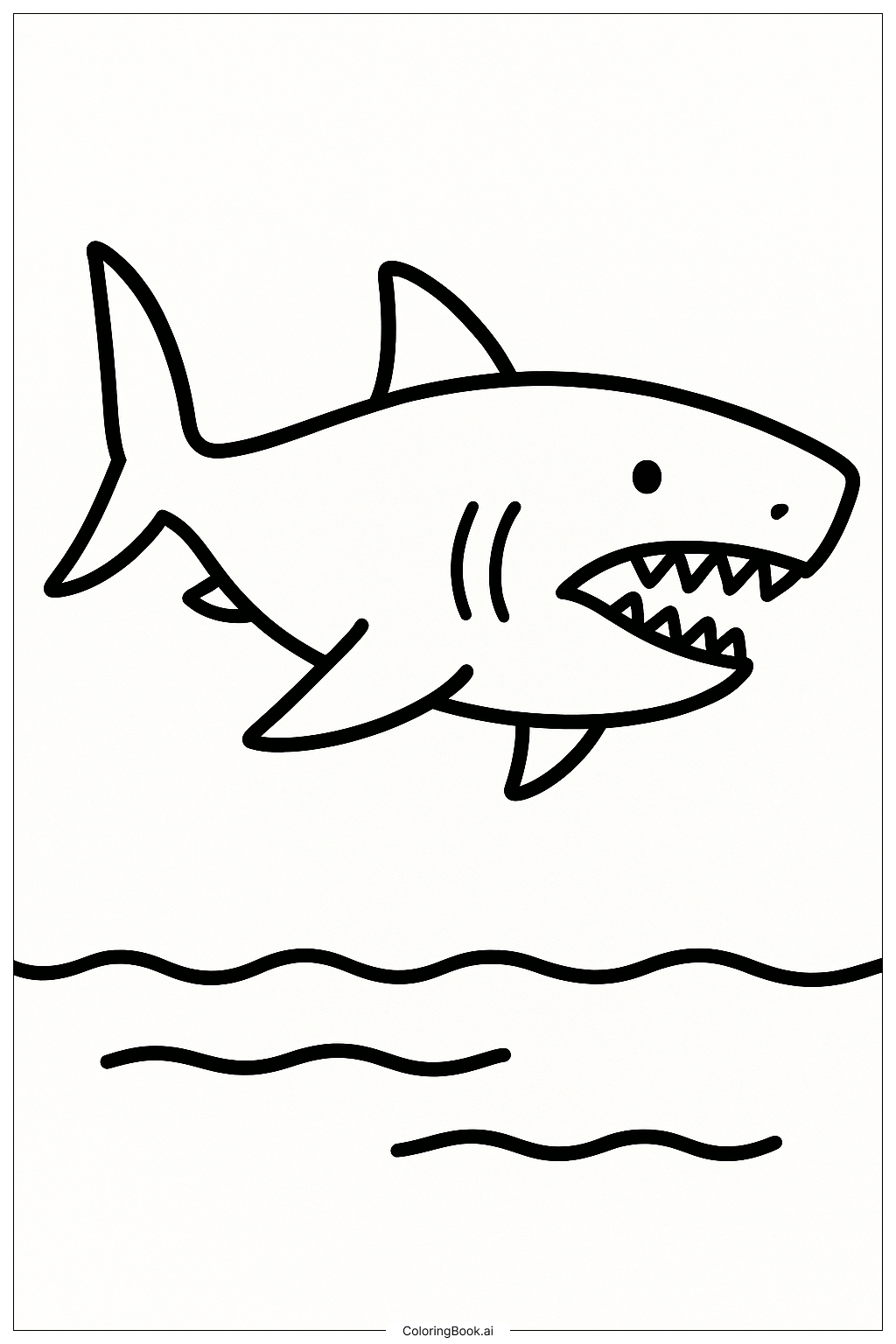
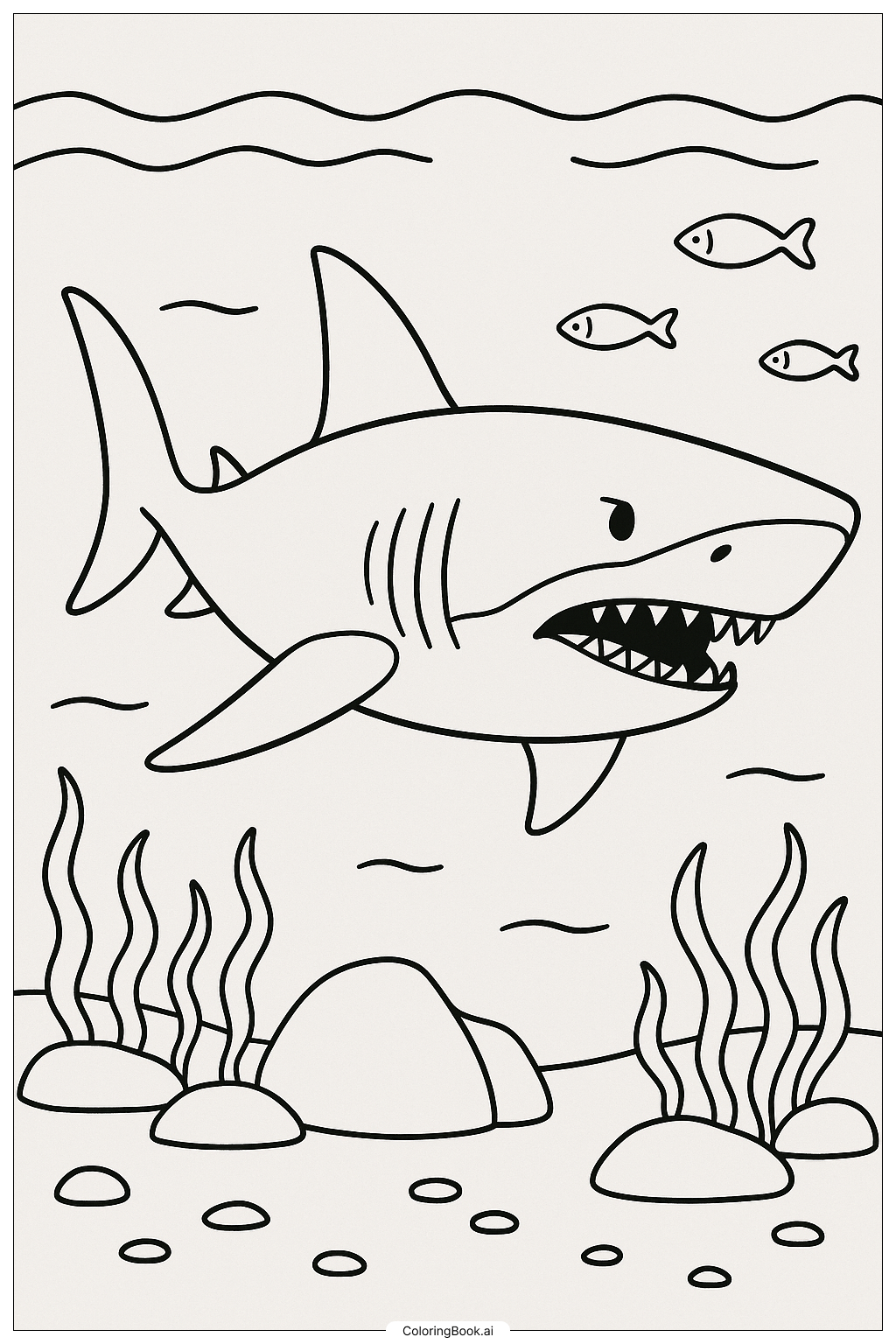
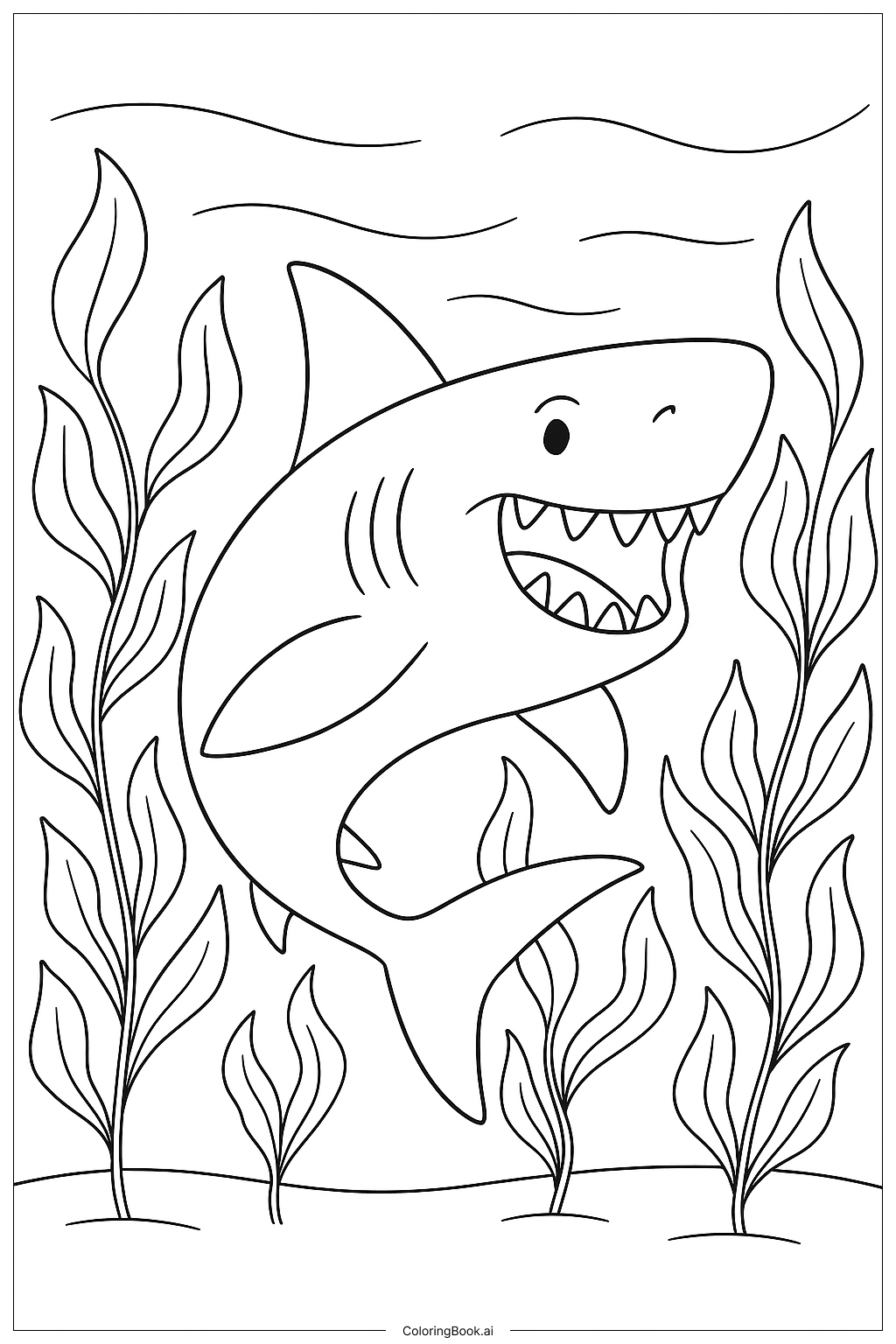
Start with the Megalodon's body. Use shades of gray and blue-gray for its skin. Add a lighter cream or white tone on the belly to show how sharks look from below. The inside of the mouth can be pink and red, with bright white teeth.
For the kelp, use rich greens — mix dark green, olive green, and yellow-green to make it look alive and layered. The water in the background can be deep blue or teal, getting darker farther from the light.
Let the light beams coming from above shine in pale yellow or white. The ocean floor rocks can be brown and gray. Small fish can be colored in silver, yellow, or orange to stand out against the green kelp.
Don't be afraid to blend colors. Use lighter shades near the light source and darker shades in the deeper shadows. This helps the image feel deep and mysterious, just like the real ocean.
Coloring challenges: Which parts are difficult to color and need attention for Megalodon in a Kelp Forest coloring page?
• Megalodon's Body Shading: The shark's large body needs smooth gradients to look three-dimensional. Blending gray, blue-gray, and white without hard lines takes patience. The belly area should be noticeably lighter than the top and sides, which requires careful layering of color. Rushing this step can make the shark look flat instead of powerful and realistic.
• Kelp Forest Depth and Variation: The kelp strands overlap and layer throughout the whole background. Each strand needs its own shade of green so they don't all blend together into one muddy color. Keeping track of which strands are in front and which are behind requires careful attention, and switching between multiple greens can be tricky for younger colorists.
• Underwater Light Effects: The light beams filtering down from the ocean surface are one of the most beautiful parts of this image, but they are also one of the hardest to color. Capturing that soft, glowing look means keeping the colors very light and gentle in those areas while making the surrounding water noticeably darker. Overcoloring the light beams will make them disappear.
• Teeth and Mouth Detail: The Megalodon's open mouth is full of rows of large, sharp teeth. Each tooth is small and close to the next, making it hard to color them neatly without going outside the lines. The gums and inner mouth need contrasting colors to help all the details stand out clearly.
• Small Background Elements: The tiny fish, rocks, and coral on the ocean floor are small and closely packed. Coloring these fine details without smudging nearby areas requires a sharp pencil or a fine-tipped marker and a very steady hand.
Benefits of coloring books: Advantages of drawing Megalodon in a Kelp Forest coloring page
Coloring this Megalodon in a Kelp Forest image is a wonderful activity for kids and ocean lovers alike. It helps build focus and concentration as you work through the many details of the shark's body, the flowing kelp, and the underwater light.
Choosing colors for the ocean scene encourages creativity and imagination. Kids get to decide how bright or dark the water looks, what colors the fish are, and how the light shines through the kelp. This kind of creative thinking is great for young minds.
Working on the fine details — like the shark's teeth and the individual kelp strands — helps improve hand control and fine motor skills. These skills are important for writing, drawing, and many everyday tasks.
Learning about a real prehistoric creature like the Megalodon also sparks curiosity about science and nature. As kids color, they may start asking questions about what the ocean looked like millions of years ago, which can lead to exciting learning moments.
Most of all, coloring is calming and fun. It gives kids a quiet, screen-free way to relax while still being creative. Finishing the page gives a real sense of pride and accomplishment that builds confidence.