Coloring tips: How to color Math Underwater Count coloring page well?
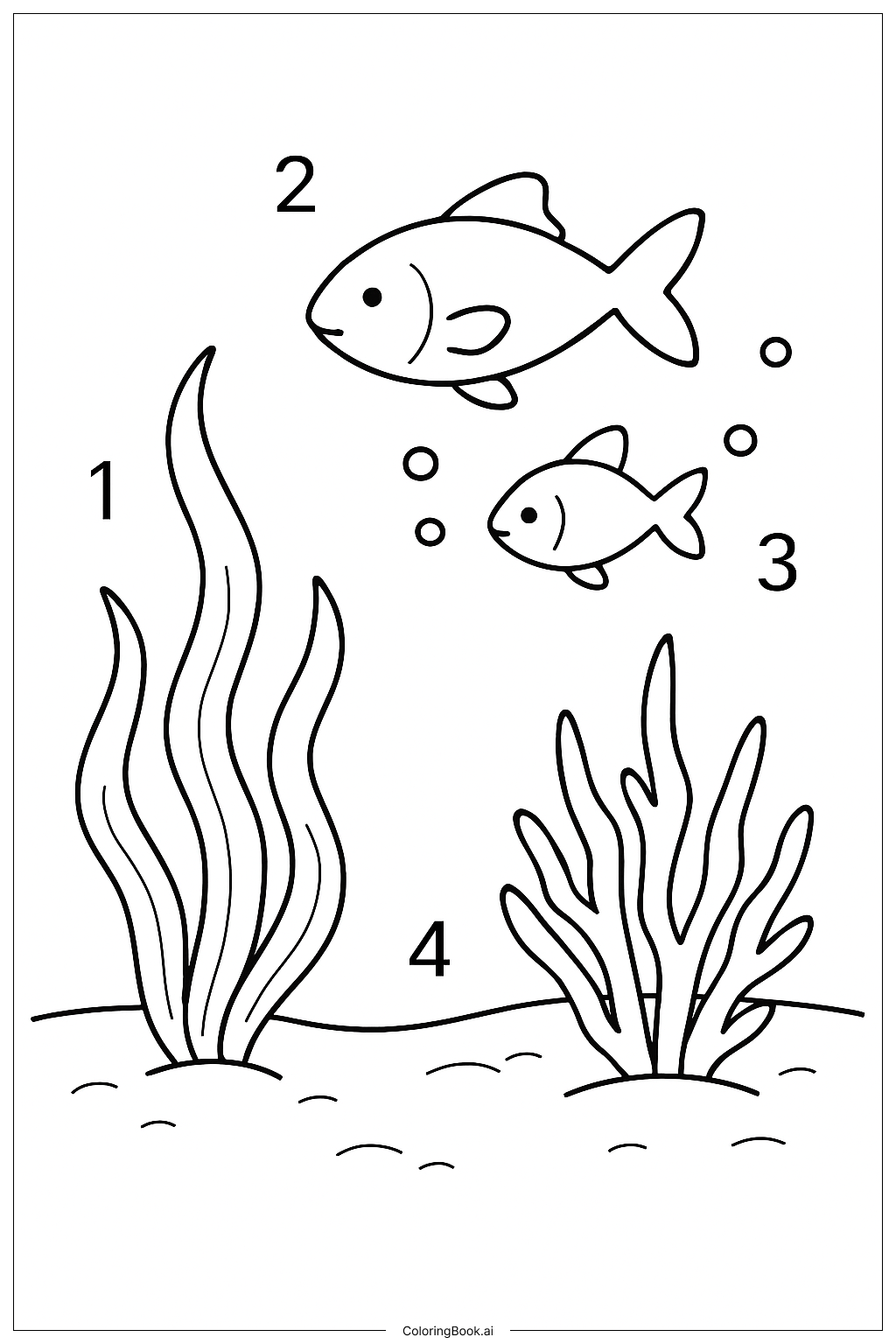
When coloring, think about using bright and lively colors for the fish. For the larger fish, try a shiny yellow or a bright orange to make it stand out. The smaller fish can be in different colors, such as blue or green. For the seaweed, shades of green and olive can create a nice natural look. Adding some lighter blue or aqua for the bubbles can make them pop against the ocean floor. Don’t forget to color the sandy bottom a light brown or beige to complete the scene. Let your imagination run wild!
Coloring challenges: Which parts are difficult to color and need attention for Math Underwater Count coloring page?
1. Color Blending: It can be tricky to blend colors, especially on the fish. To make them look smooth and vibrant, kids might need to practice blending shades. 2. Staying Inside the Lines: The fish and seaweed have intricate edges that require careful coloring. Younger kids might find it hard to stay within the lines, leading to messy results. 3. Choosing Colors: With so many options, picking a color scheme that looks good together can be difficult. Kids may spend time deciding how to color each fish and plant. 4. Detailing: The bubbles and textures on the fish make it more complex. Kids may need to take their time to detail these areas for a finished look. 5. Patience: Coloring the entire page requires patience. Some children may rush through and not enjoy the full process.
Benefits of coloring books: Advantages of drawing Math Underwater Count coloring page
Coloring this underwater scene not only enhances creativity but also helps improve focus and fine motor skills. It allows children to express their artistic talents while developing hand-eye coordination. As kids choose colors and work on details, they learn decision-making skills. This page encourages counting as they recognize and color the fish. It also promotes relaxation and mindfulness. Engaging in coloring can reduce stress and anxiety, allowing kids to enjoy a calming activity. Lastly, finishing the page provides a sense of accomplishment, boosting their confidence and encouraging them to keep creating.