Coloring tips: How to color Math Simple Abacus coloring page well?
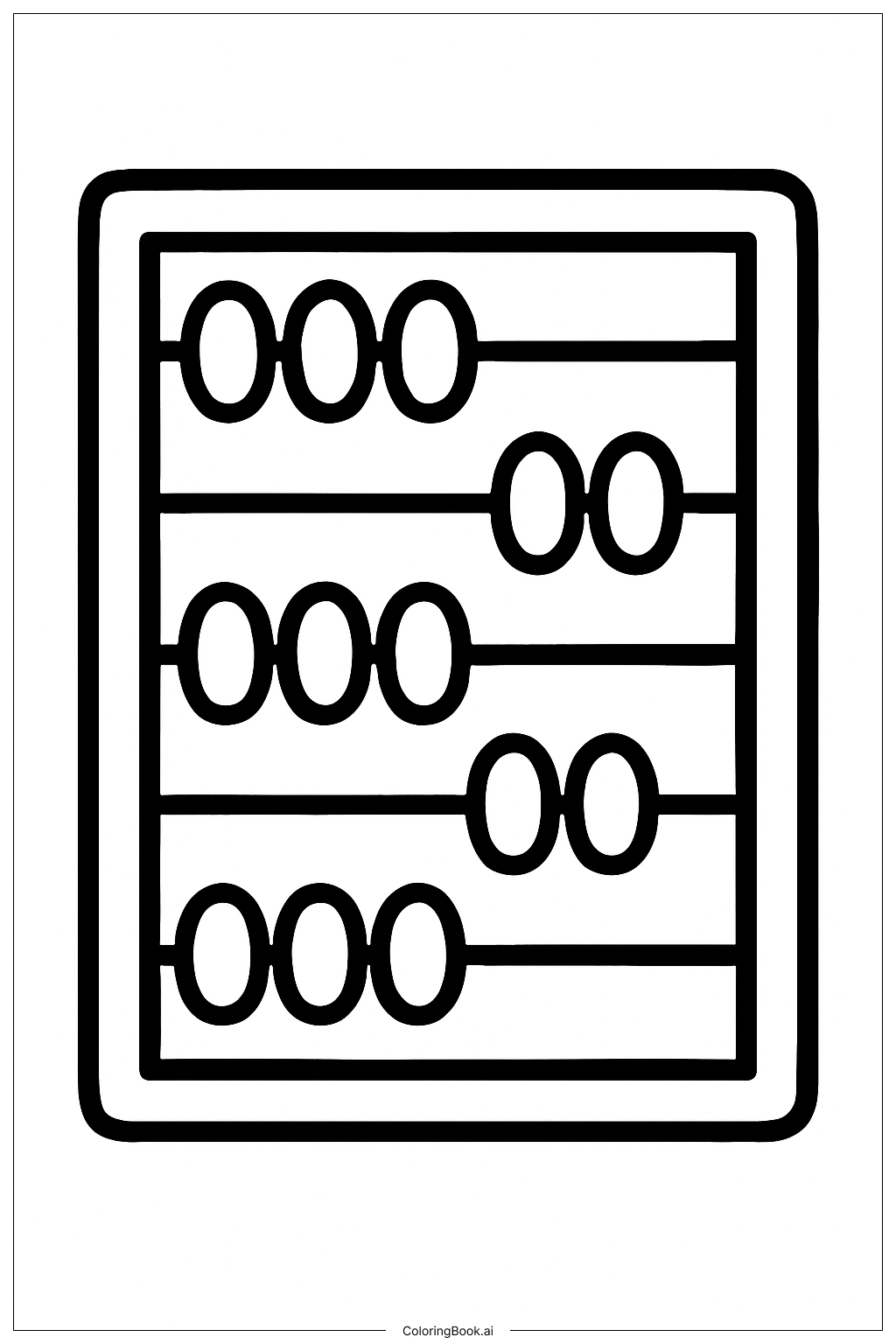
For coloring the abacus, consider using bright colors for the beads to make them lively and fun. You could color the top row in red, the second row in blue, the third row in green, and the bottom row in yellow. The frame of the abacus can be colored brown to resemble wood. Children can also mix shades to create a 3D effect on the beads. Encourage kids to use their imagination and try different color combinations to enhance their experience.
Coloring challenges: Which parts are difficult to color and need attention for Math Simple Abacus coloring page?
1. Small Spaces: Some beads may have small spaces that require careful coloring to avoid going outside the lines. Children need to focus while coloring these areas. 2. Color Choices: With so many bead colors available, kids might struggle to choose which colors to use. They can feel overwhelmed with options. 3. Shading Effects: If children want to add shading or highlights to give depth, this can be challenging for younger kids. It requires practice to make the beads look three-dimensional. 4. Consistency: Keeping colors consistent across similar beads can be tricky, especially if children are using different coloring tools.
Benefits of coloring books: Advantages of drawing Math Simple Abacus coloring page
Coloring the abacus provides several benefits. It helps improve fine motor skills as children learn to control their coloring tools. This activity also boosts creativity, allowing kids to express themselves through color choices. Engaging with the abacus design introduces basic math concepts, making it educational. Coloring can also be a calming activity, helping children focus and relax. Overall, it's a fun way to combine art and learning.