Coloring tips: How to color Sleeping Lizard coloring page well?
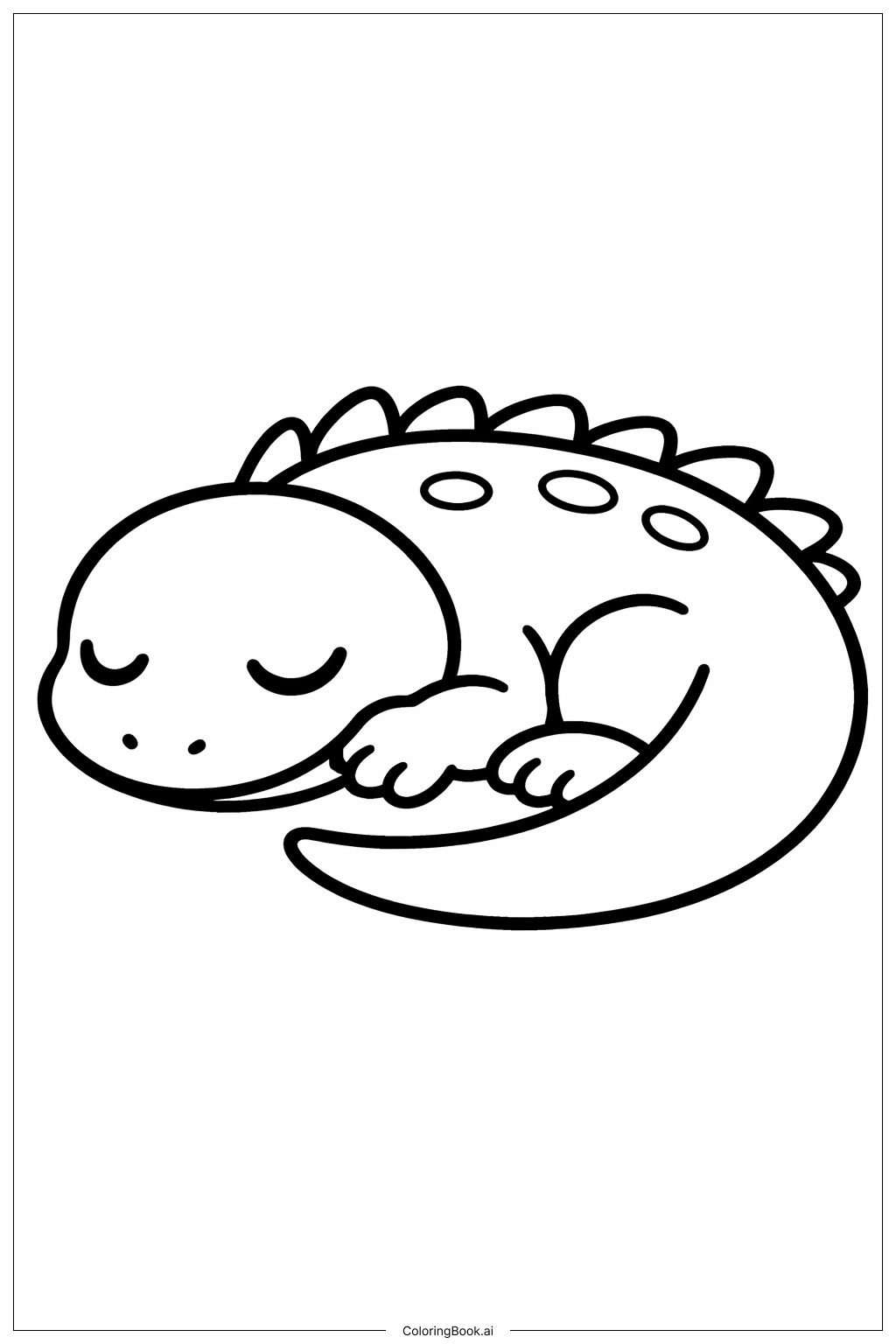
Use soft and calming colors like greens, browns, or blues for the lizard’s body to give it a peaceful look. The spikes and spots can be colored with brighter colors like yellow, orange, or red to add some contrast and fun. Try to shade gently around the edges to make the lizard look soft and cozy. You can also add a background with light green grass or a warm sun to create a natural sleeping spot. Keep the colors smooth and even to keep the lizard looking calm and resting.
Coloring challenges: Which parts are difficult to color and need attention for Sleeping Lizard coloring page?
1. Staying inside the lines around the small spikes on the lizard’s back can be tricky because they are close together.
2. Coloring the round spots evenly without making them look blotchy requires some care.
3. Shading around the curved tail and legs may be hard because of the lizard’s curled position.
4. Choosing colors that look natural but still bright enough to make the lizard interesting can be difficult for beginners.
5. Balancing bright and soft colors without making the picture too busy is a challenge.
Benefits of coloring books: Advantages of drawing Sleeping Lizard coloring page
Coloring this sleeping lizard helps children improve hand-eye coordination as they carefully follow the lines. It encourages creativity by letting kids choose colors and patterns for the lizard and its spots. The peaceful image also promotes calmness and focus, which can be relaxing while coloring. Kids learn about animals and nature through engaging with the image. Overall, it builds fine motor skills and patience in a fun and gentle way.