Coloring tips: How to color Lizard on Rock coloring page well?
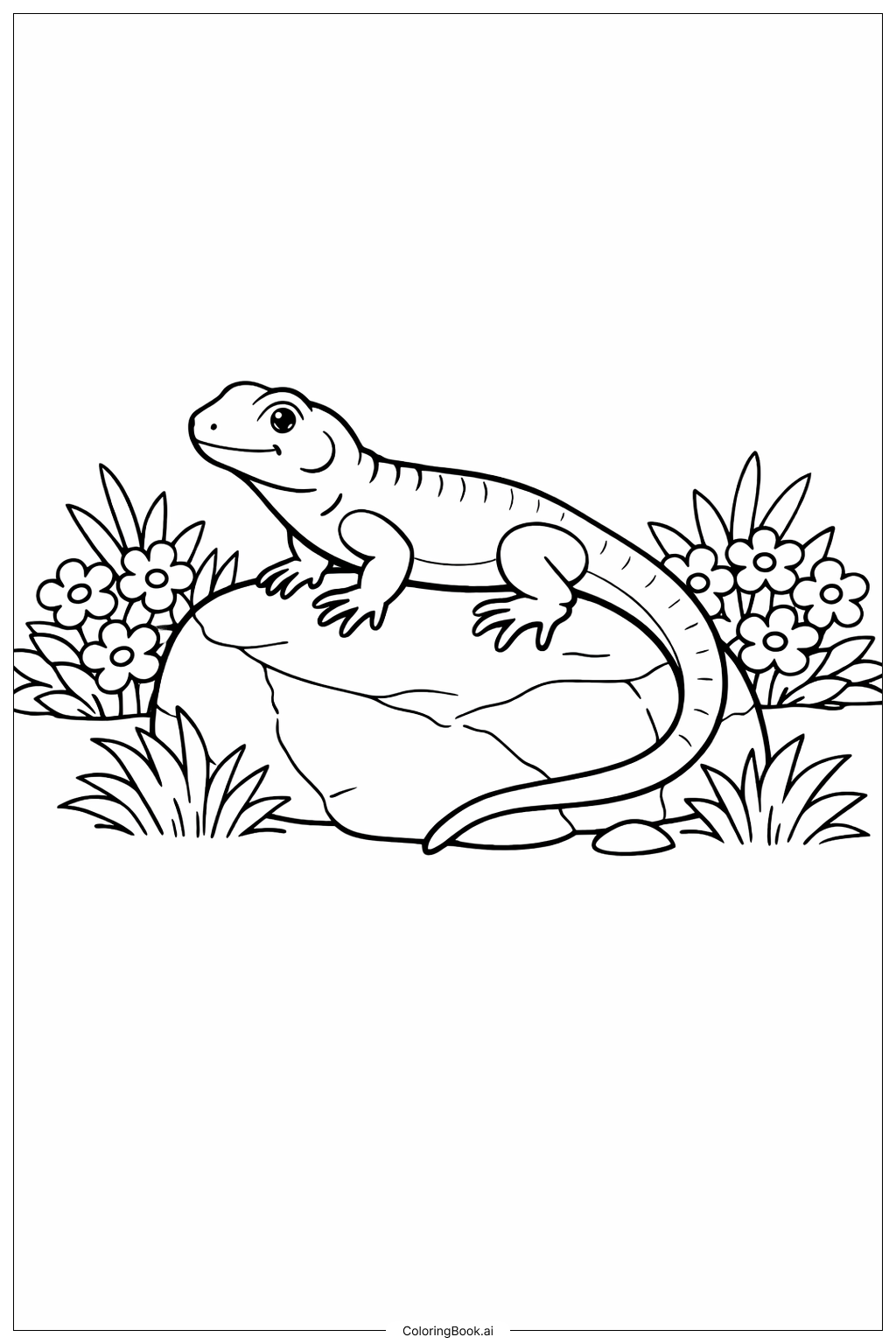
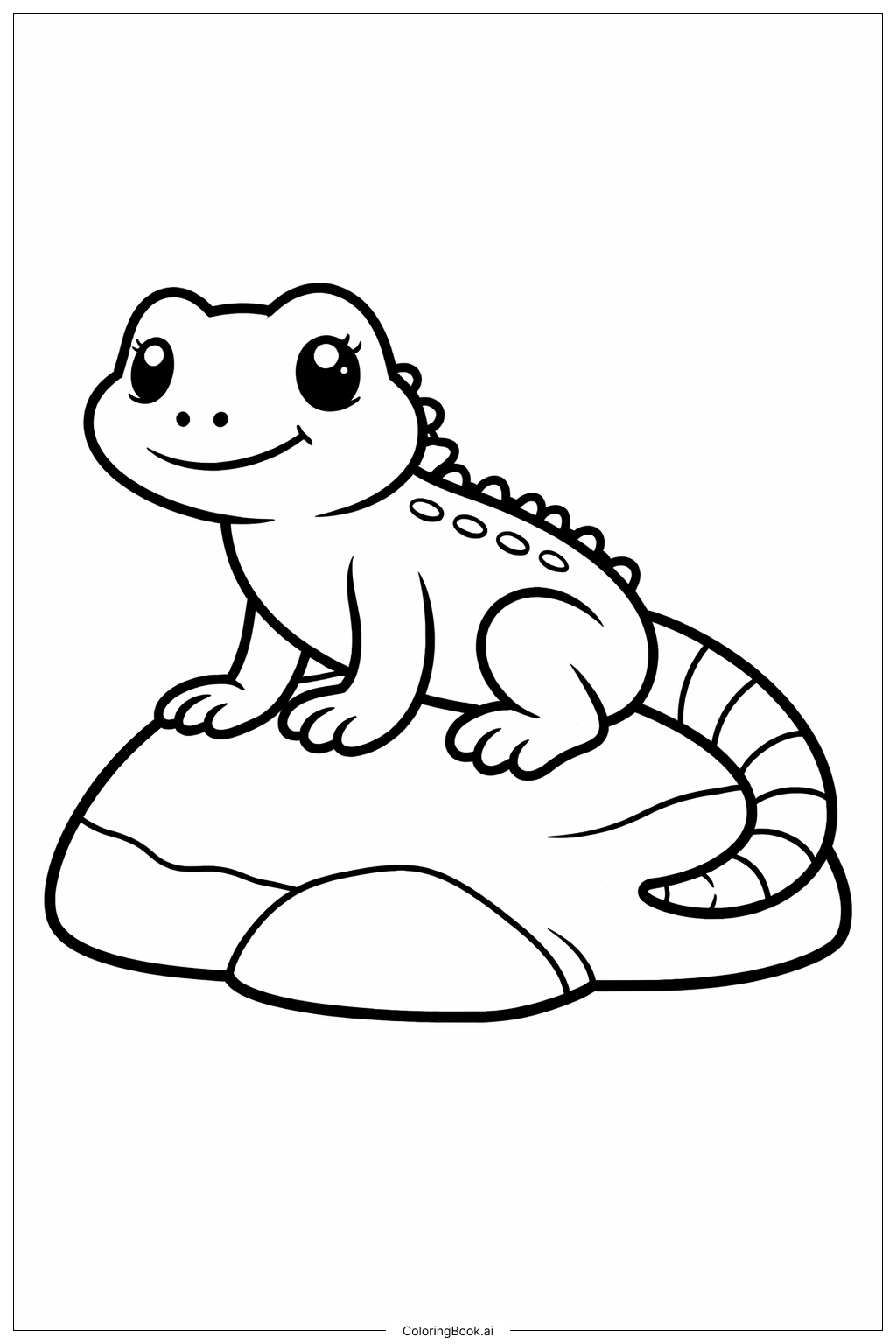
Use green, brown, or gray for the lizard to make it look natural. You can also try bright colors like blue or orange to make it more playful and fun. For the spots on the lizard's back, pick a color that contrasts with the body to make them stand out. The rock can be colored in shades of gray, beige, or light brown. Try shading the rock darker where it curves to create a 3D effect. Don’t forget to color the eyes black with a white sparkle to make the lizard look lively. Feel free to add background colors like grass green or sky blue to give extra life to the scene.
Coloring challenges: Which parts are difficult to color and need attention for Lizard on Rock coloring page?
1. Coloring the small spots on the lizard’s back might be tricky because of their size; using a fine-tip crayon or colored pencil can help. 2. The curved stripes on the tail require careful coloring to stay inside the lines, needing steady hand control. 3. Shading the rock to show its roundness might be challenging for beginners, as blending colors smoothly takes practice. 4. Balancing colors between the lizard and the rock to keep the lizard as the main focus might need thoughtful color choices. 5. Coloring the eyes to keep them bright and shiny requires careful avoidance of coloring over the white sparkle area.
Benefits of coloring books: Advantages of drawing Lizard on Rock coloring page
Coloring this picture helps children develop fine motor skills and hand-eye coordination by staying inside the outlines. It encourages creativity as kids decide which colors to use for the lizard and rock. The activity also improves focus and patience, especially when working on small details like the spots and stripes. Coloring animals like lizards can increase interest in nature and wildlife, helping kids learn about different creatures. Finally, completing the coloring page gives a sense of achievement and boosts confidence.