Coloring tips: How to color Lizard Exploring Garden coloring page well?
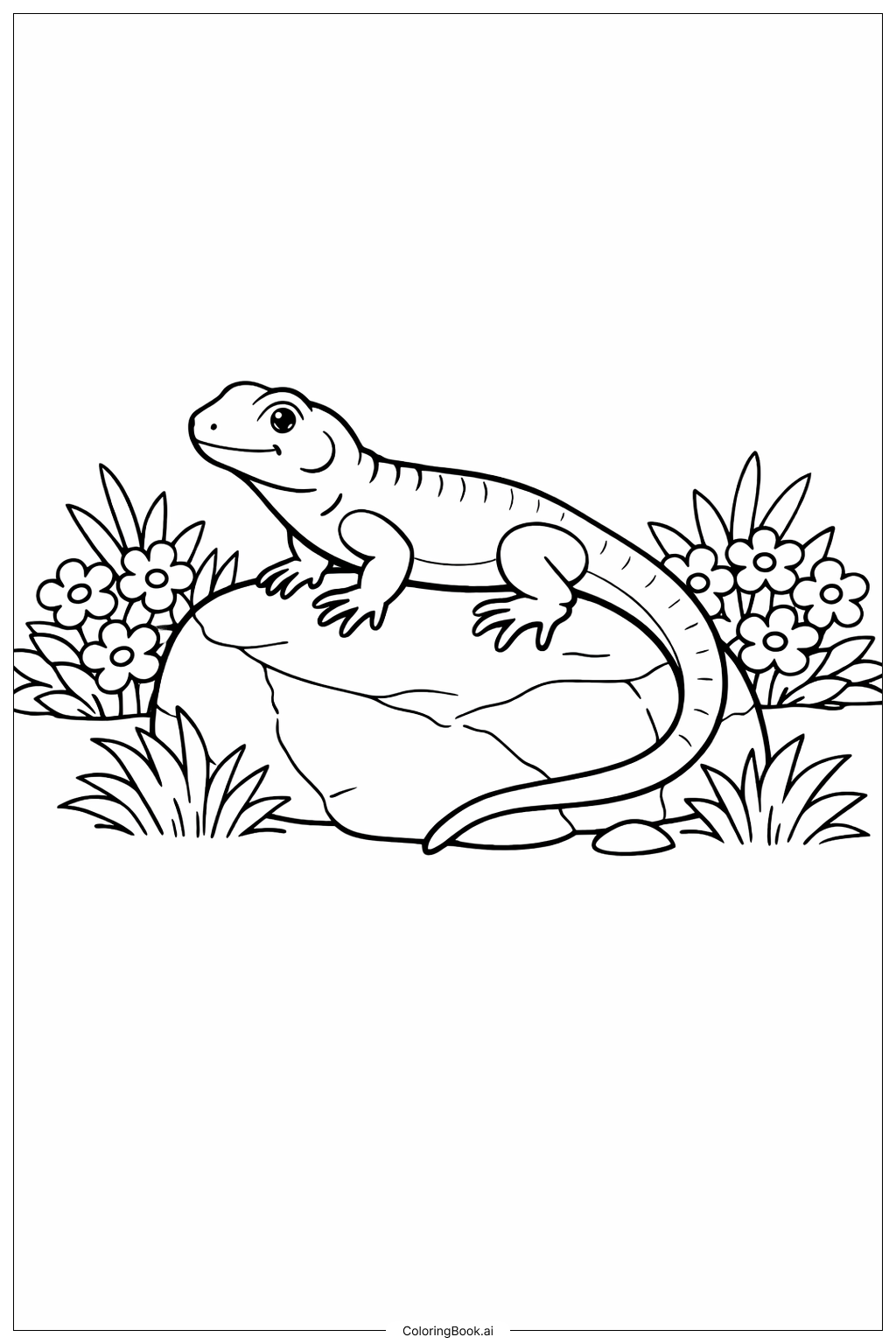
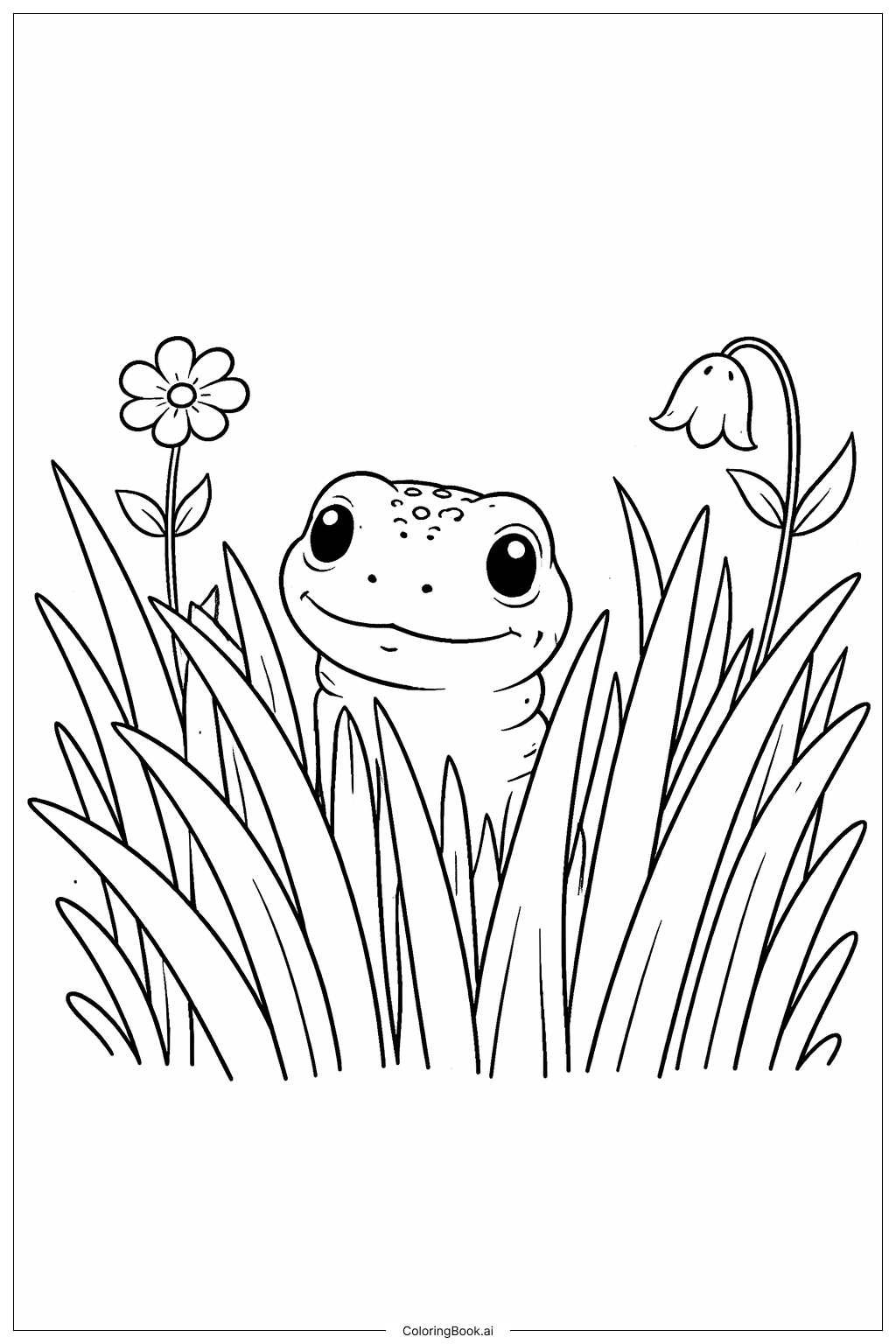
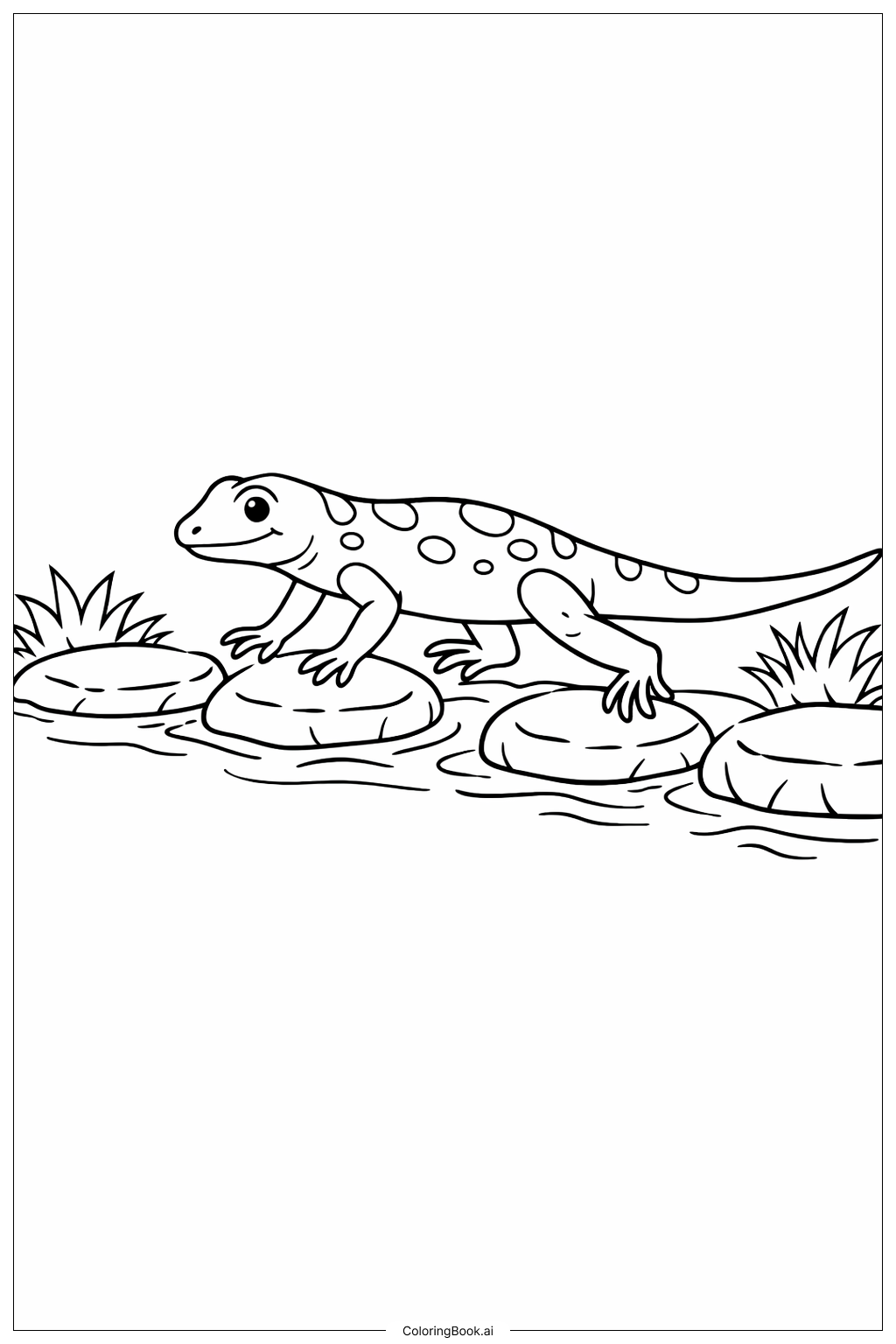
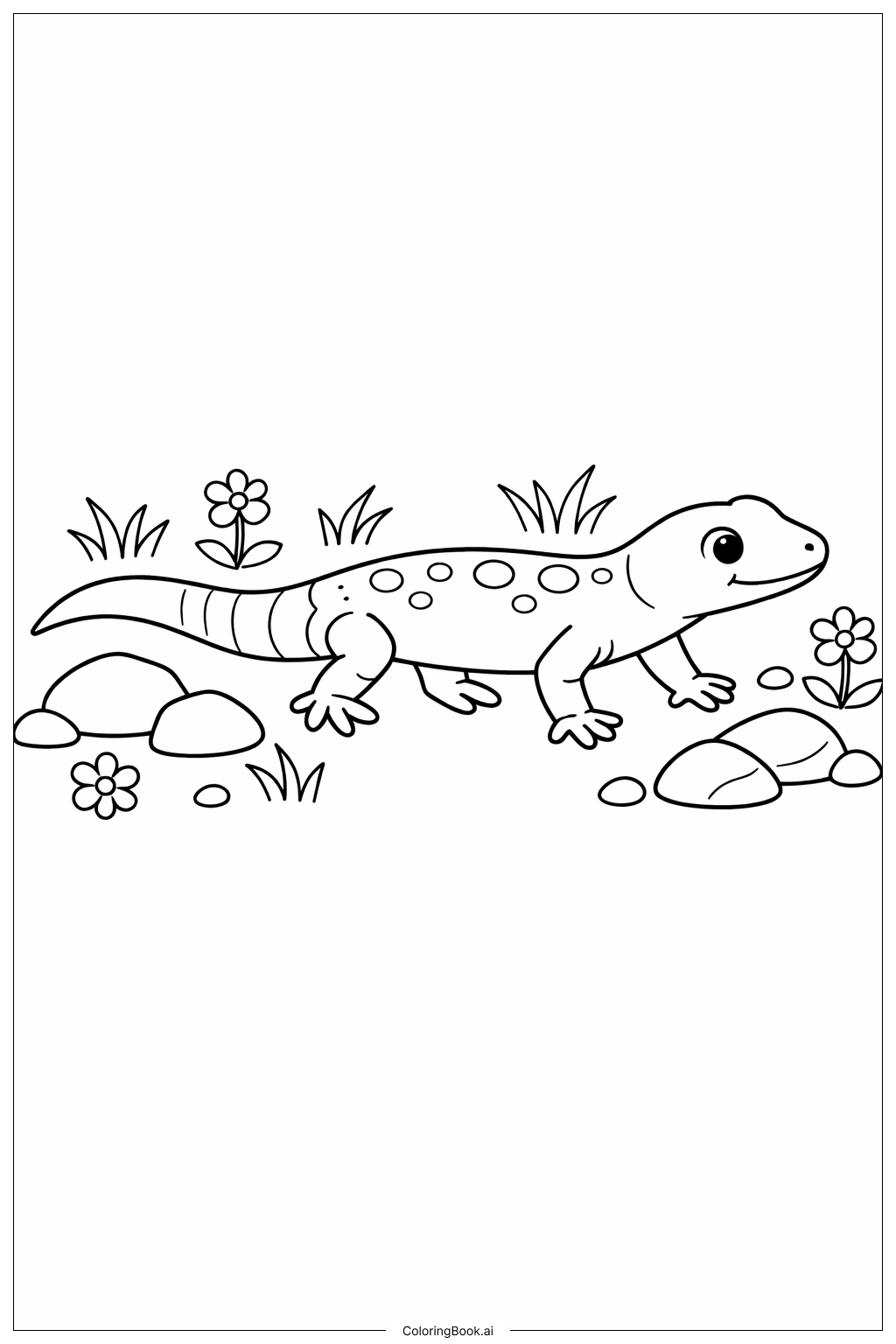
Use bright greens for the grass and leaves to create a fresh garden look. Flowers can be colored with different shades like red, yellow, or pink to make them stand out. The lizard can be colored in a mix of browns and greens or even bright colors to make it fun. Use light and dark shades to show shadows and depth on the rocks and lizard. You can try coloring the spots on the lizard with a different color to make them pop. Add details with small strokes for the grass and petals to make the picture more interesting.
Coloring challenges: Which parts are difficult to color and need attention for Lizard Exploring Garden coloring page?
1. Coloring the small spots on the lizard can be tricky because they are small and need careful attention to stay inside the lines.
2. The grass and flower petals have fine lines that require precise coloring to keep the shapes clear.
3. The rocks have smooth curves that might need shading to show their round shape clearly.
4. Blending different shades on the lizard's body to create a realistic look can be challenging.
5. Keeping colors within the small spaces between the lizard's legs and tail requires patience and control.
Benefits of coloring books: Advantages of drawing Lizard Exploring Garden coloring page
Coloring this picture helps children practice fine motor skills by coloring small details like the spots and flower petals. It encourages creativity as kids choose different colors for the lizard and garden. It also boosts attention to detail because of the tiny spaces and lines that need careful coloring. This activity teaches patience and focus while making the garden scene come alive with colors. Coloring the lizard and nature elements can also increase kids' interest in animals and the environment.