Coloring tips: How to color Lizard and Rolling Pebbles coloring page well?
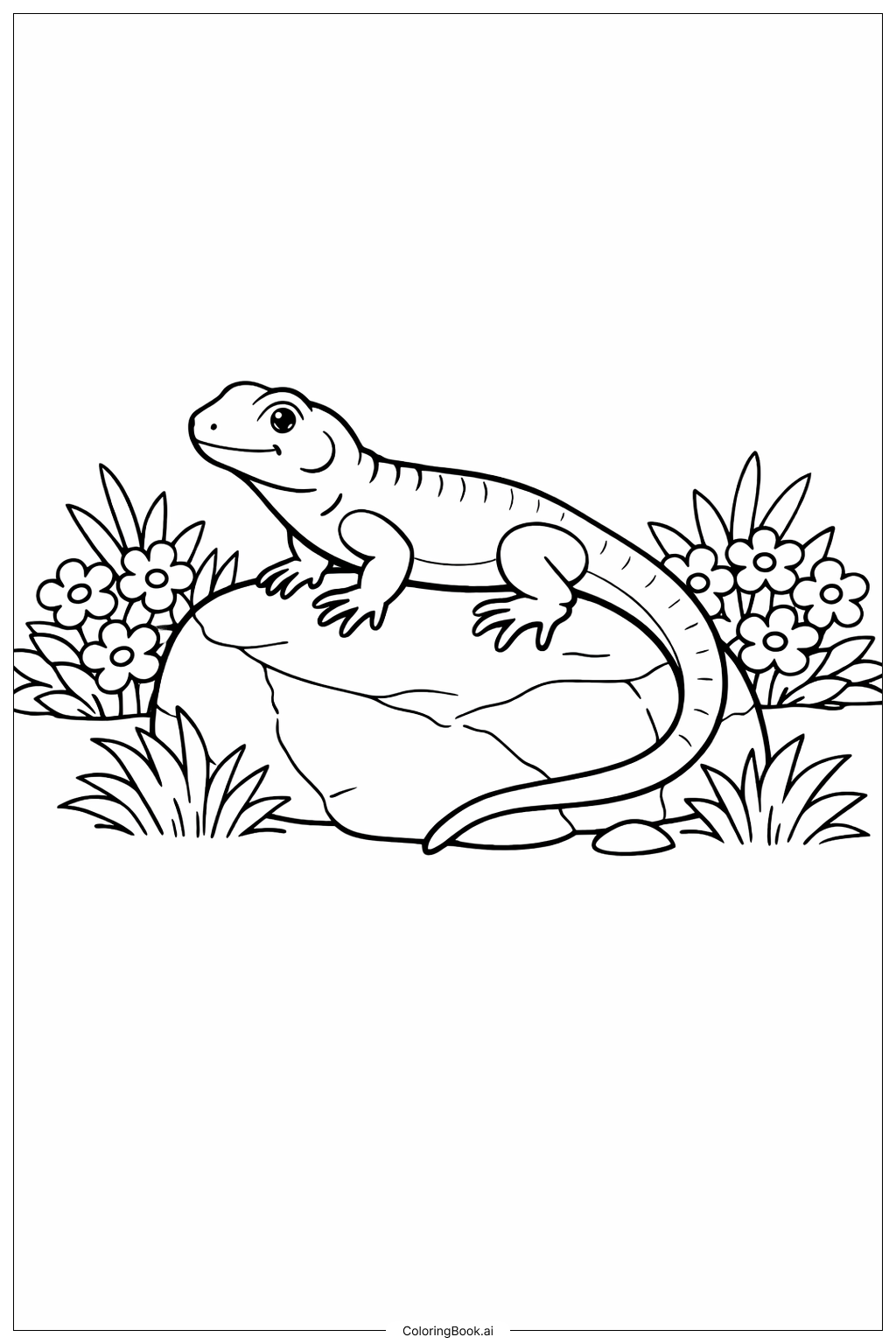
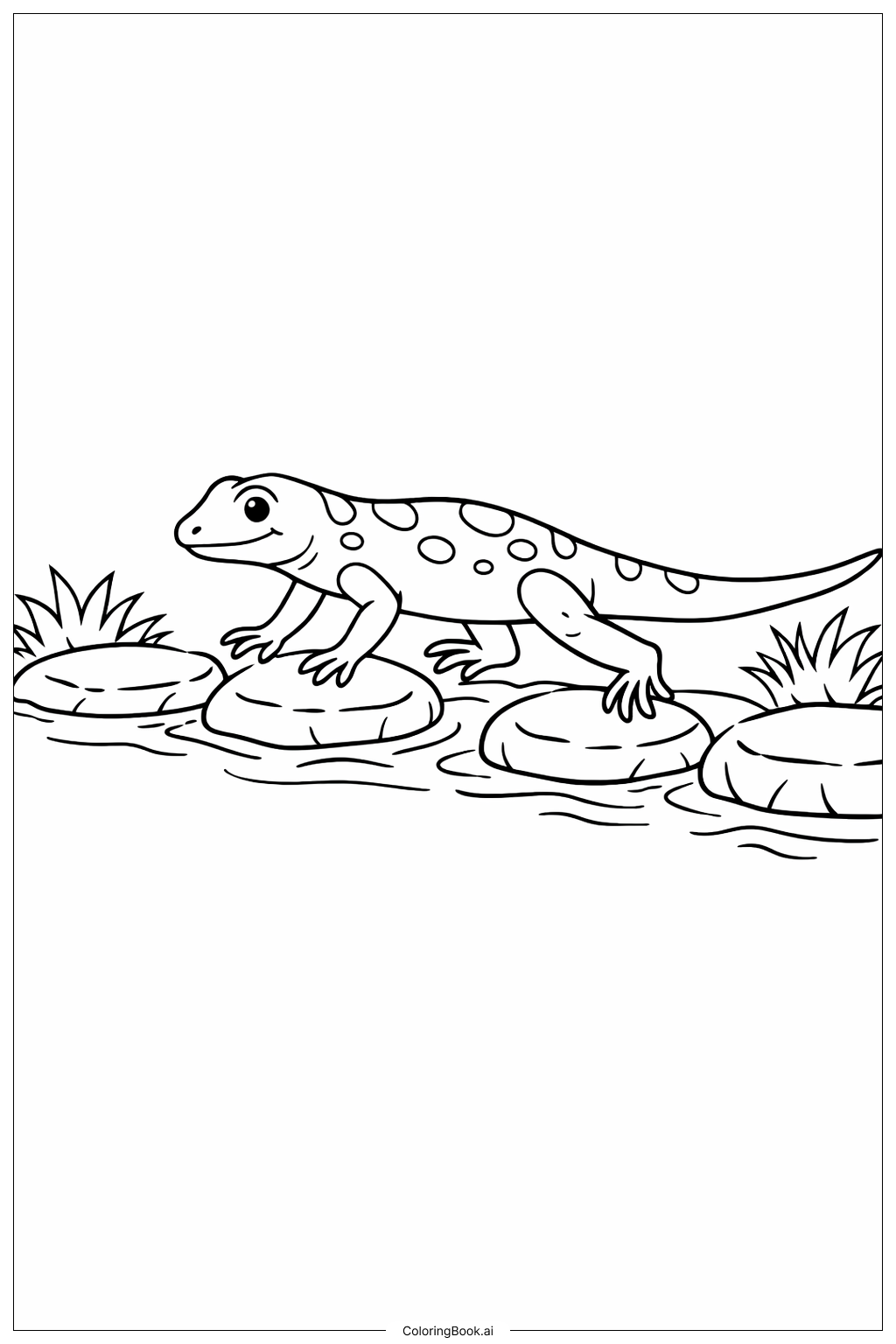
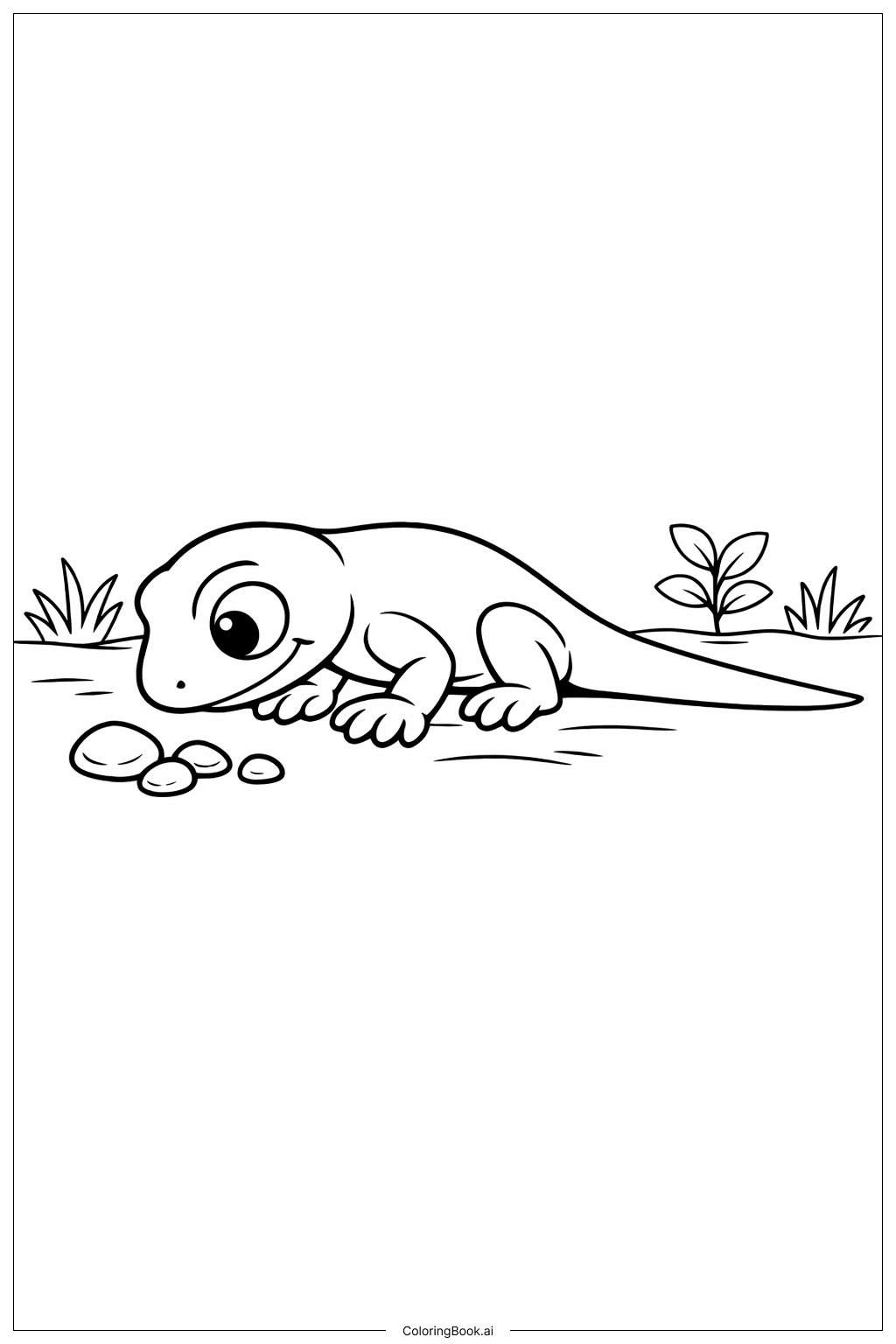
For coloring this page, choose bright and natural colors to bring the scene to life. Use green or brown shades for the lizard, mixing light and dark tones to highlight its shapes and make it more realistic. Color the rolling pebbles in different shades of gray, white, or soft pastels to add variety. Use green for the plants and light brown or yellow for the ground to create a warm, natural feel. Try blending colors gently to add depth, but keep it fun and easy. Don’t forget to color the lizard’s eyes using black or dark brown to keep them shiny and lively!
Coloring challenges: Which parts are difficult to color and need attention for Lizard and Rolling Pebbles coloring page?
1. Shading the lizard’s body to show its curved shape can be tricky for beginners. Using gentle color changes helps but requires patience.
2. Coloring the small pebbles evenly might be difficult because they need different colors yet look natural together.
3. The fine lines on the plants and the ground need careful coloring to avoid going outside the lines.
4. Keeping the lizard's eyes bright and clean while coloring nearby parts can be challenging because the eye area is small and detailed.
5. Creating a smooth transition between light and shadow on the ground might require blending skills, which can be hard for younger kids.
Benefits of coloring books: Advantages of drawing Lizard and Rolling Pebbles coloring page
Coloring this picture helps children improve their hand-eye coordination as they work within the lines. It also encourages attention to detail with the small pebbles and plants. Choosing colors promotes creativity and decision-making. Moreover, shading the lizard teaches kids about light and form. Finally, coloring this peaceful outdoor scene can calm the mind and support focus, making it a fun and relaxing activity for kids.