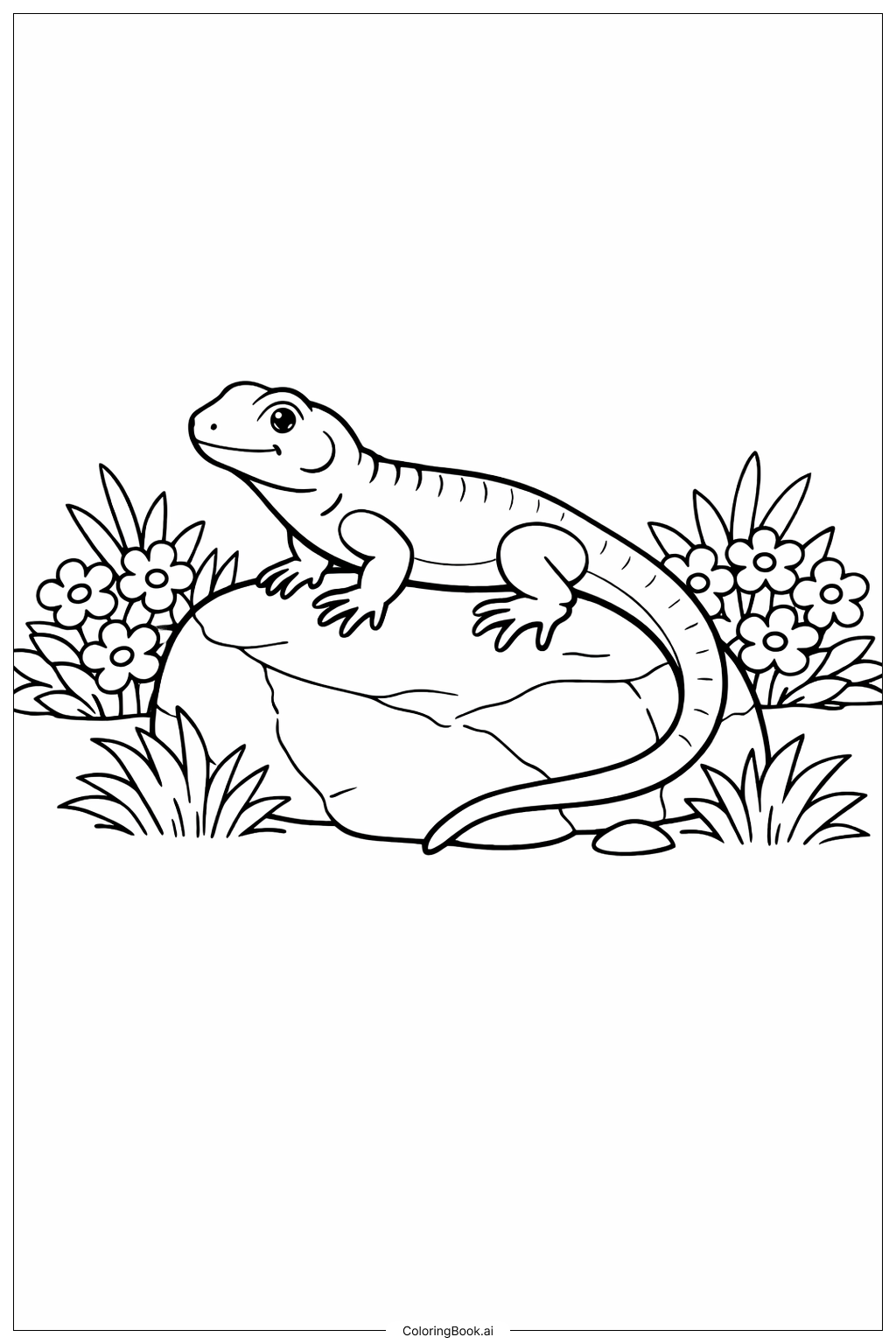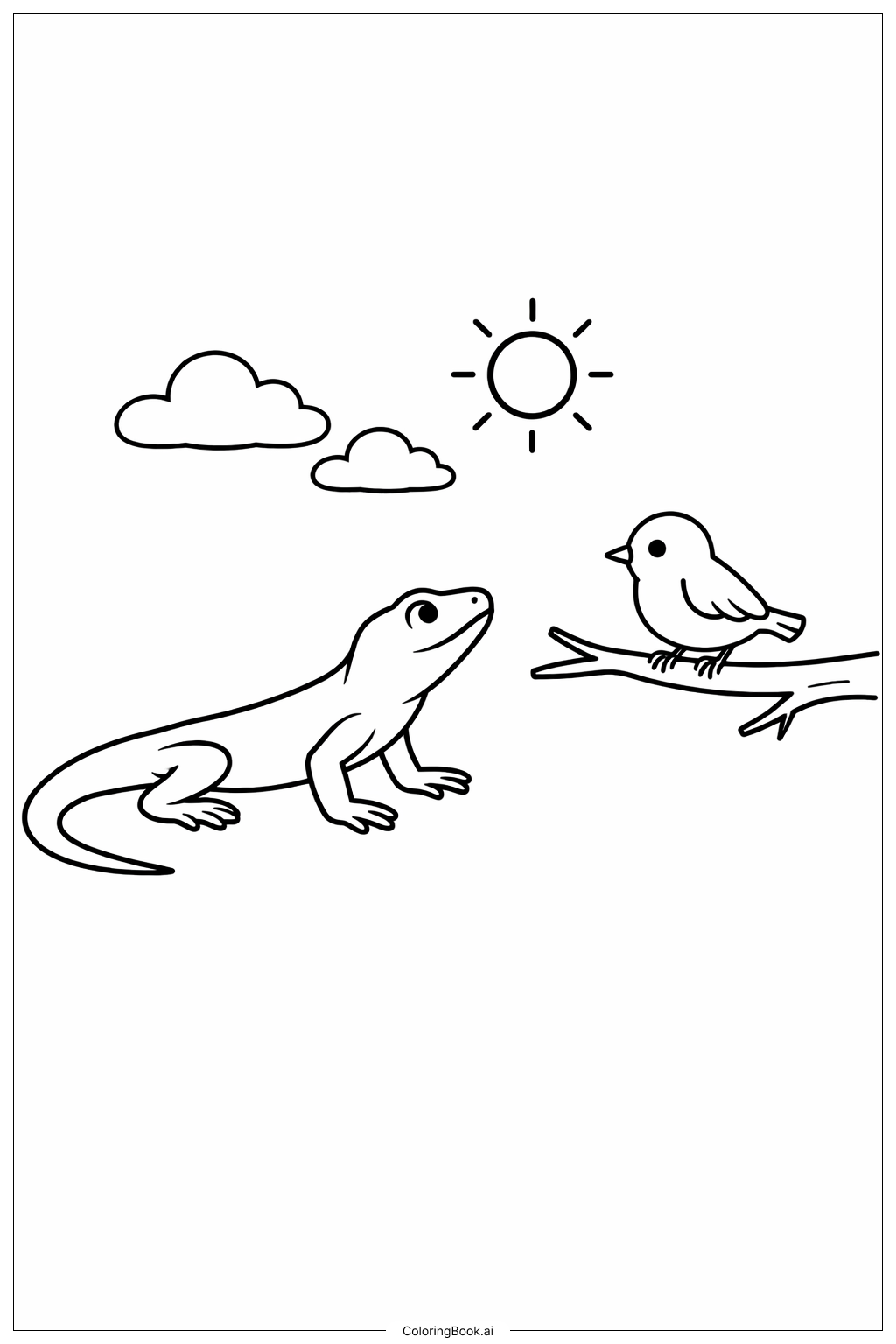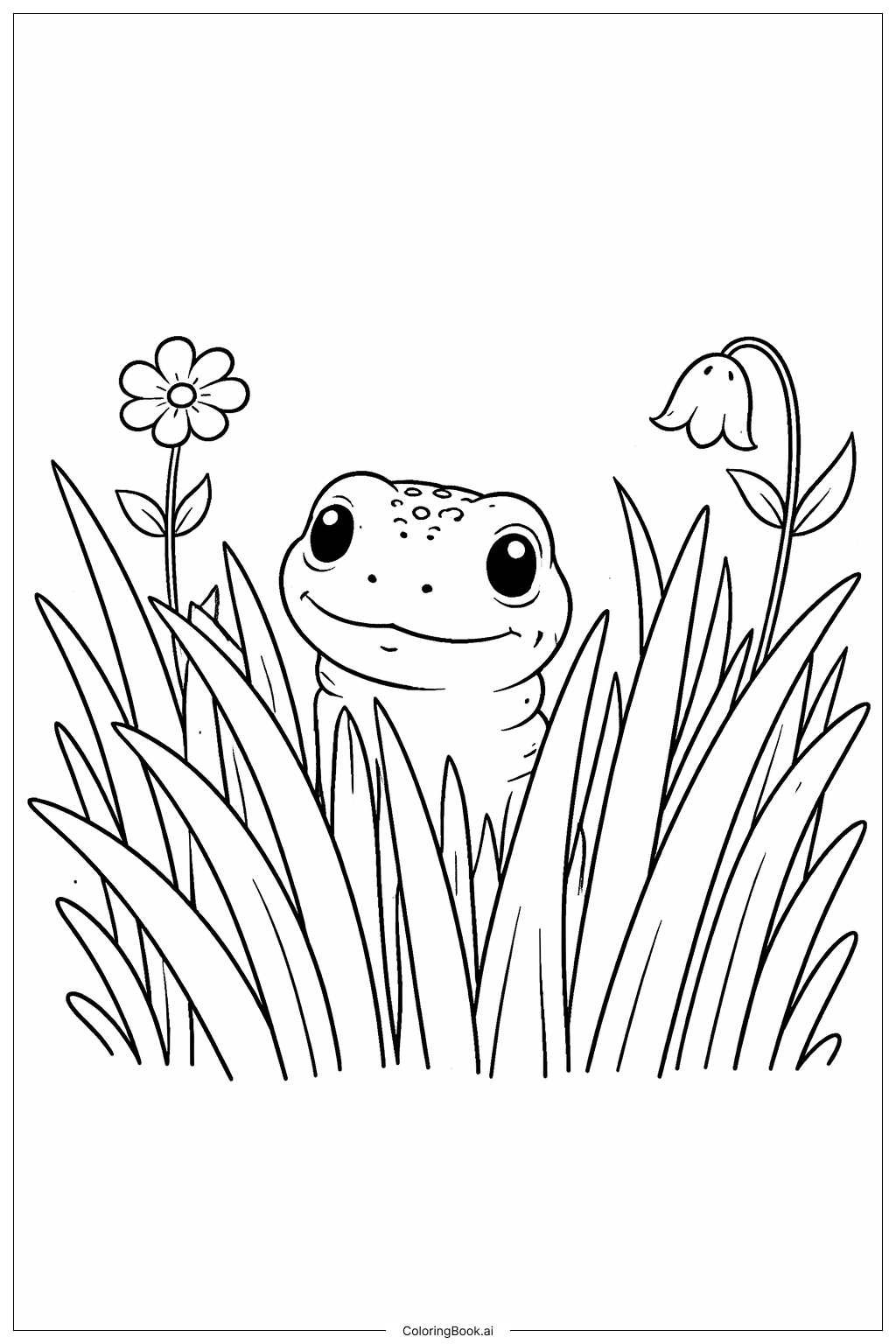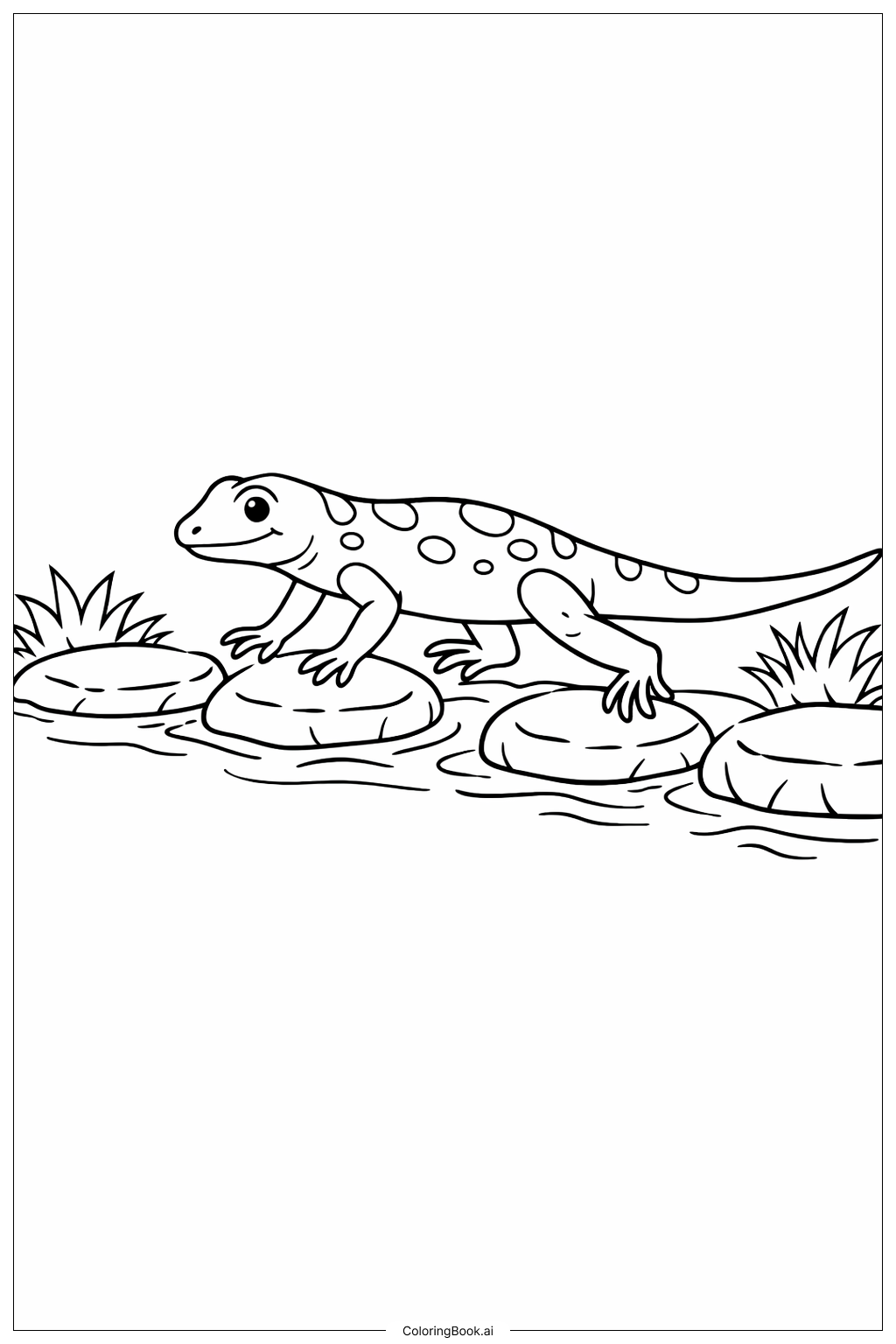
Coloring tips: How to color Lizard and Butterflies coloring page well?
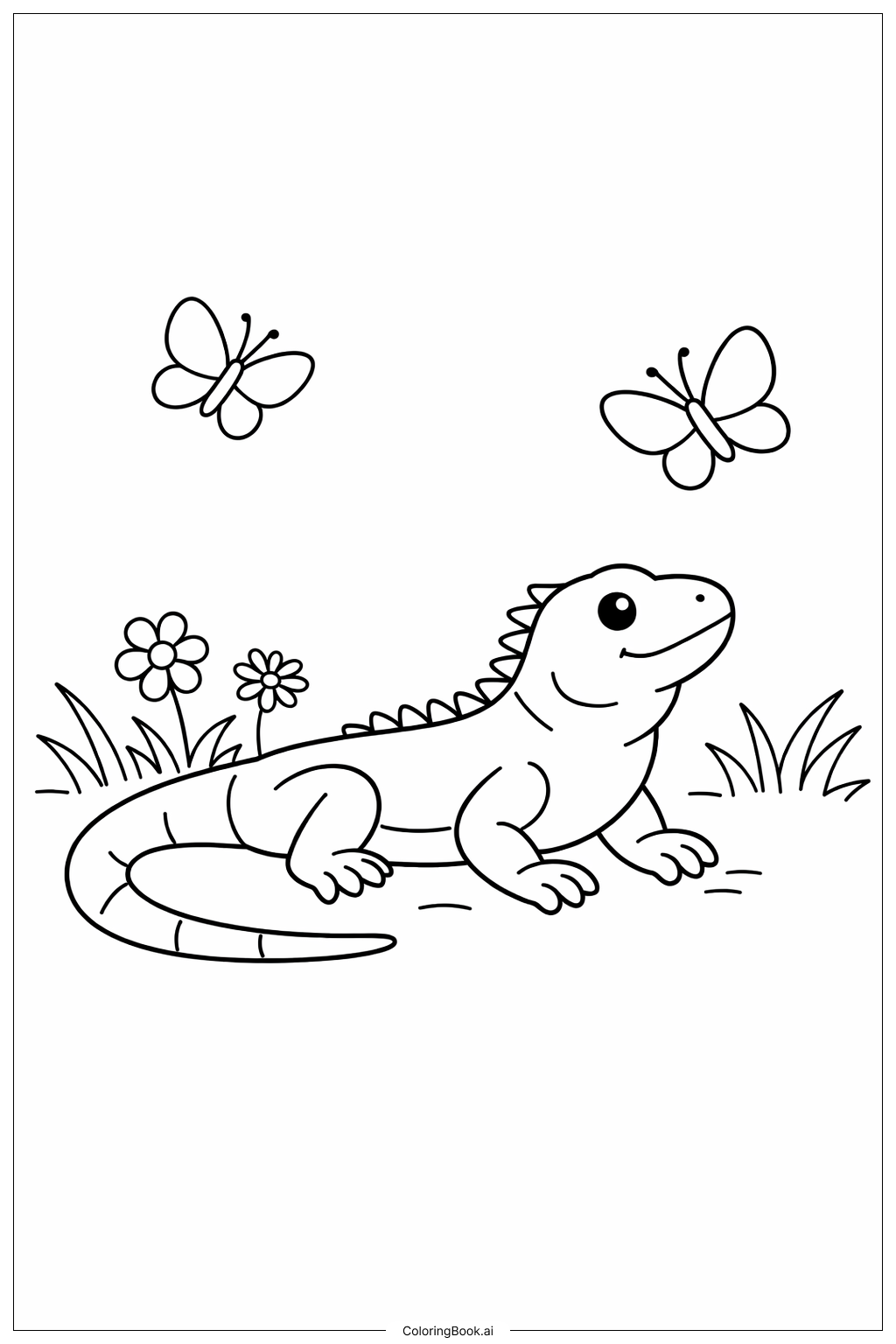
Use different shades of green and brown for the lizard to make it look natural. You can pick bright colors like yellow, orange, or blue for the butterflies to make them stand out. Flowers can be colored in pink, red, or purple, and the grass in green shades. Try to color the butterfly wings with patterns or spots to add more interest. Don’t forget to color the eyes black or dark brown to give the lizard a lively look.
Coloring challenges: Which parts are difficult to color and need attention for Lizard and Butterflies coloring page?
1. Coloring the small spikes on the lizard’s back can be tricky because they need to be neat and detailed without mixing colors. 2. The butterflies’ wings have curved shapes that require careful coloring to stay inside the lines. 3. The small flowers and grass blades are tiny and need steady hands to add color cleanly. 4. Shading parts of the lizard to show its body shape might be difficult for beginners. 5. Balancing the bright colors of butterflies with the earth tones of the lizard and grass can be challenging to keep the picture harmonious.
Benefits of coloring books: Advantages of drawing Lizard and Butterflies coloring page
Coloring this picture helps improve concentration and fine motor skills because of the detailed parts like spikes and butterflies. It encourages creativity by allowing you to choose colors that make the scene lively. This activity also teaches patience while carefully coloring small areas. Additionally, coloring animals and nature scenes can make children more interested in the environment and wildlife. Overall, it is a fun and educational way to spend time.