Coloring tips: How to color Curious Lizard coloring page well?
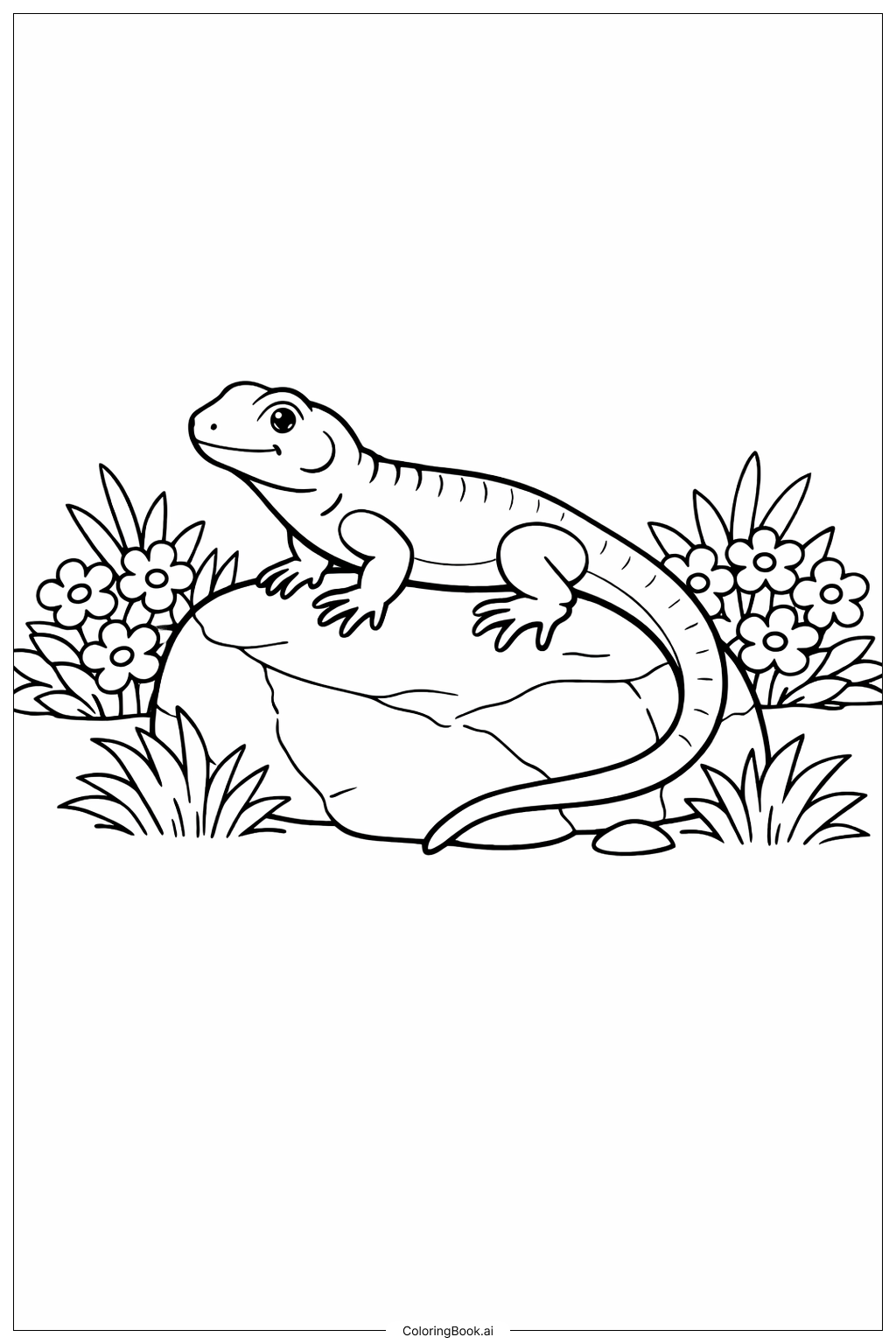
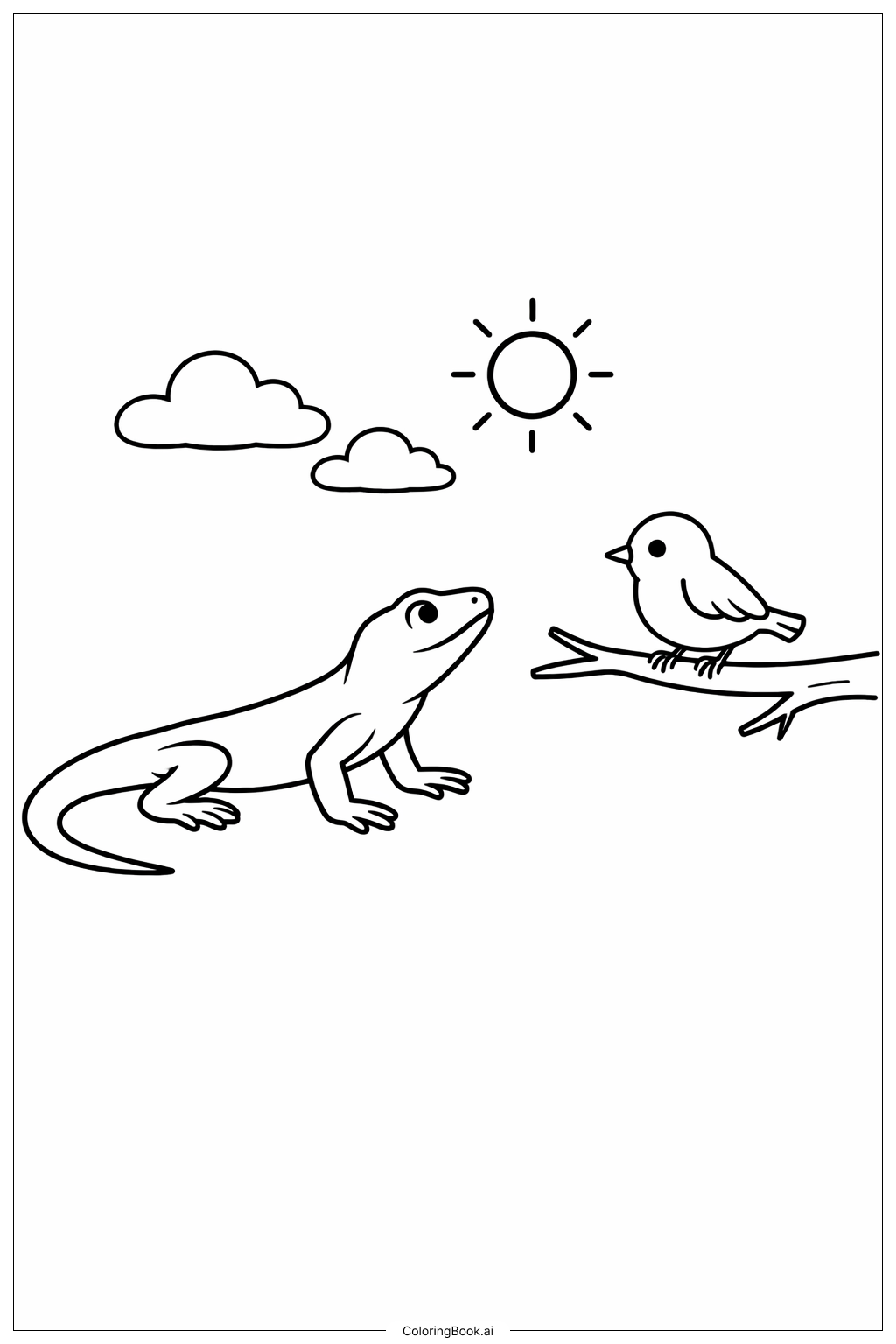
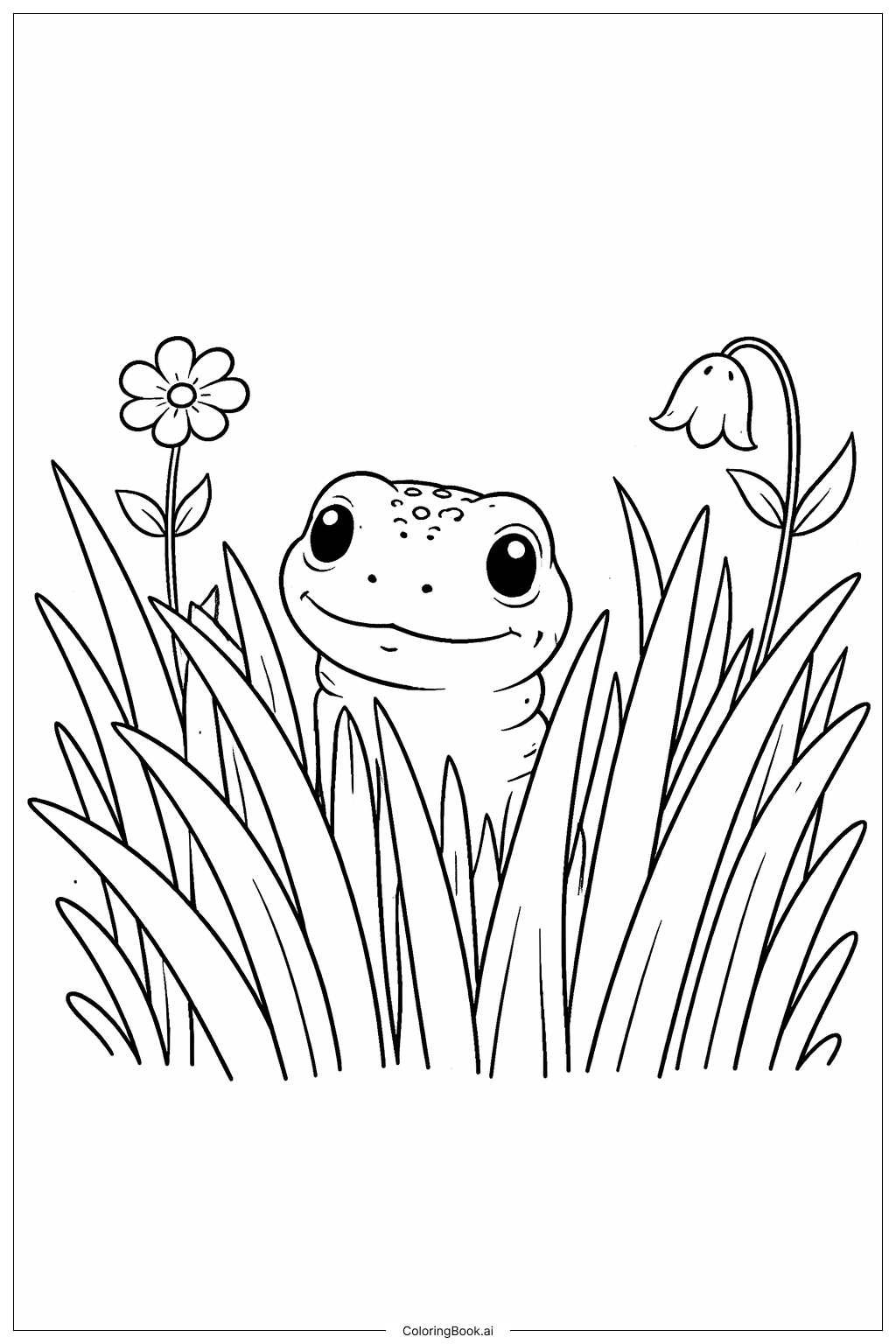
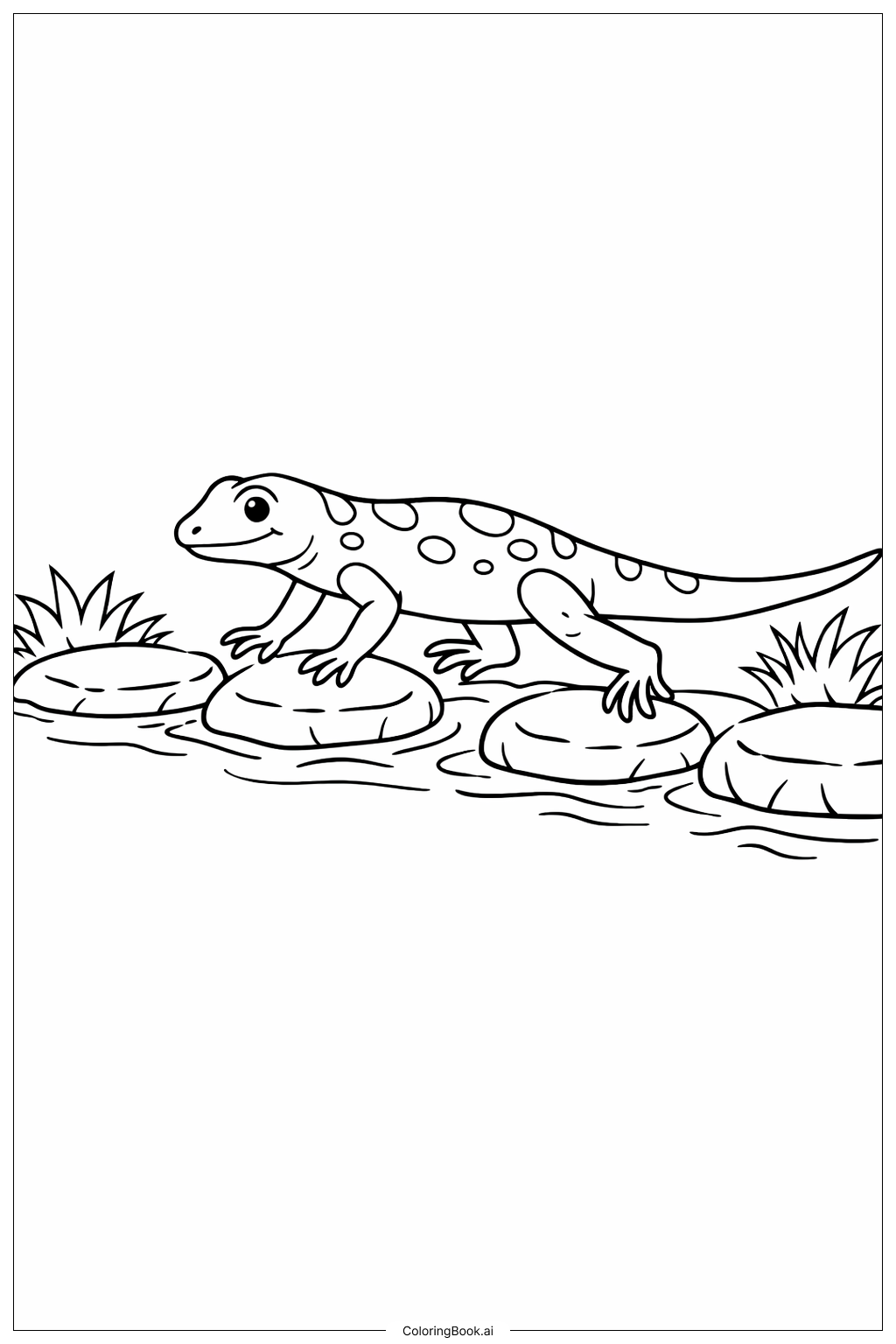
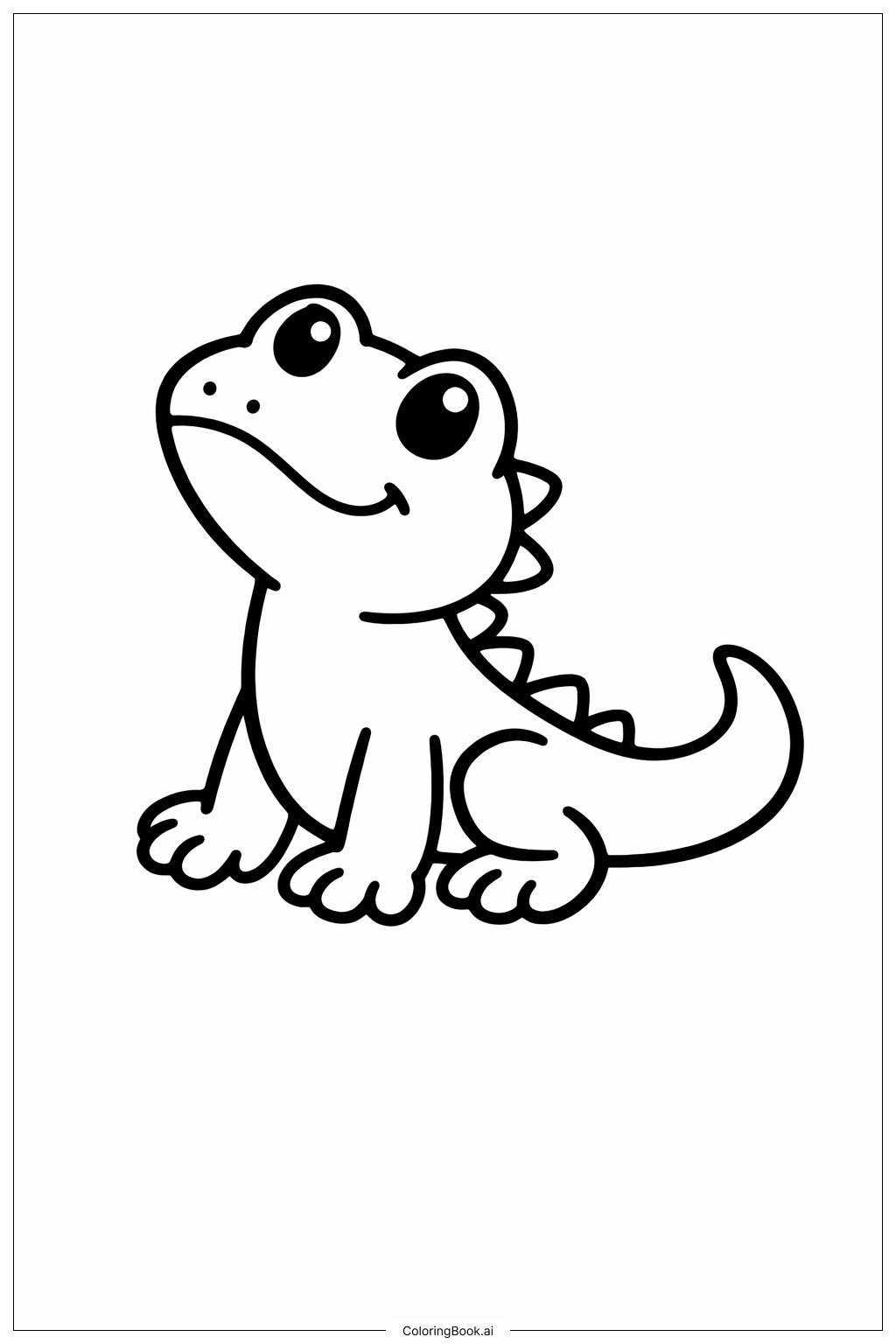
For coloring this lizard, use bright and lively colors like green or blue for the body. You can add spots or stripes in different shades to make it more fun. Color the eyes black with a small white circle to show shine. Don’t forget to color the spikes on its back in a slightly lighter or darker color than the body. The background can be simple with light colors like soft yellow, light blue, or green to show the lizard’s natural habitat. Use crayons or colored pencils for better control and smooth coloring.
Coloring challenges: Which parts are difficult to color and need attention for Curious Lizard coloring page?
1. Small Details: The lizard has tiny eyes and small spikes on its back. Coloring these parts carefully is needed to avoid going outside lines.
2. Curved Lines: The tail and legs have smooth curves which may require steady hand control to color neatly.
3. Limited Space: The toes and fingers are small, making it a challenge to stay within the lines without overlapping.
4. Shading Choice: Deciding how to add shading or multiple colors to different parts could be tricky for beginner colorers.
5. Balancing Colors: Choosing colors that blend well but still make the lizard look lively requires some planning.
Benefits of coloring books: Advantages of drawing Curious Lizard coloring page
Coloring this lizard helps children develop fine motor skills by practicing careful movements. Filling in shapes improves hand-eye coordination and attention to detail. Choosing different colors encourages creativity and decision-making. The simple, friendly design makes it easy and fun to color, building confidence. It also teaches children about animals and nature while making learning enjoyable.