Coloring tips: How to color Baby Lizard coloring page well?
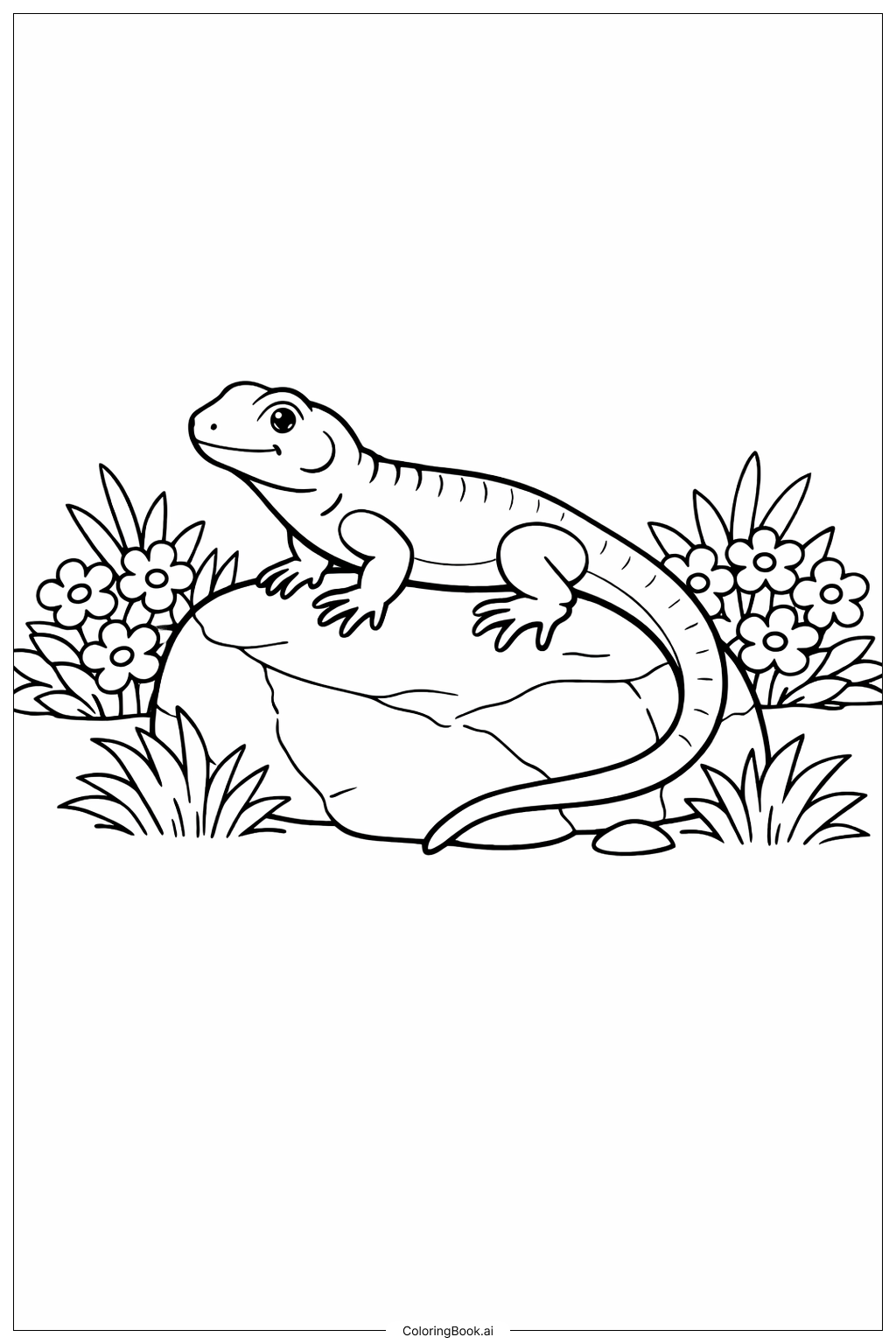
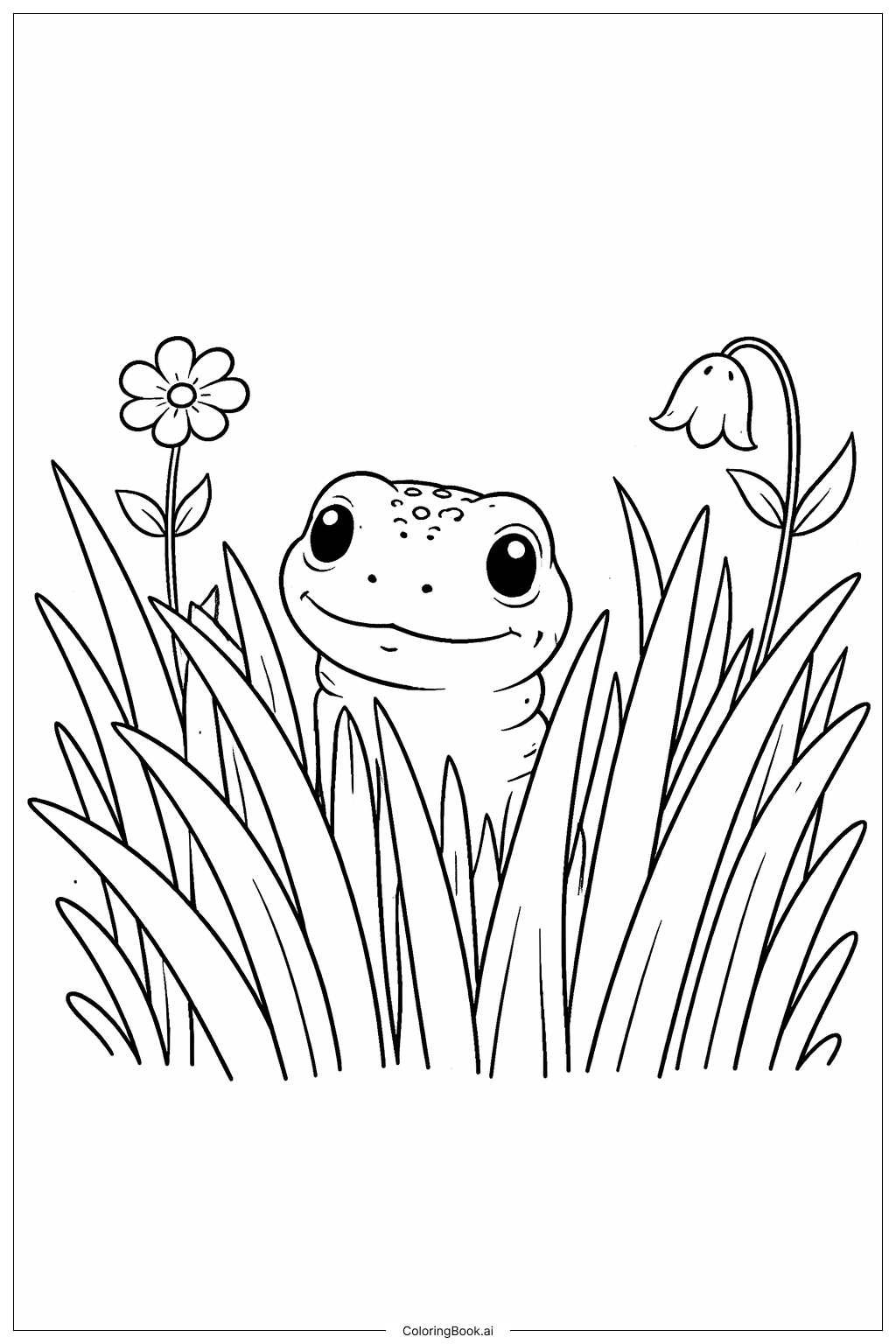
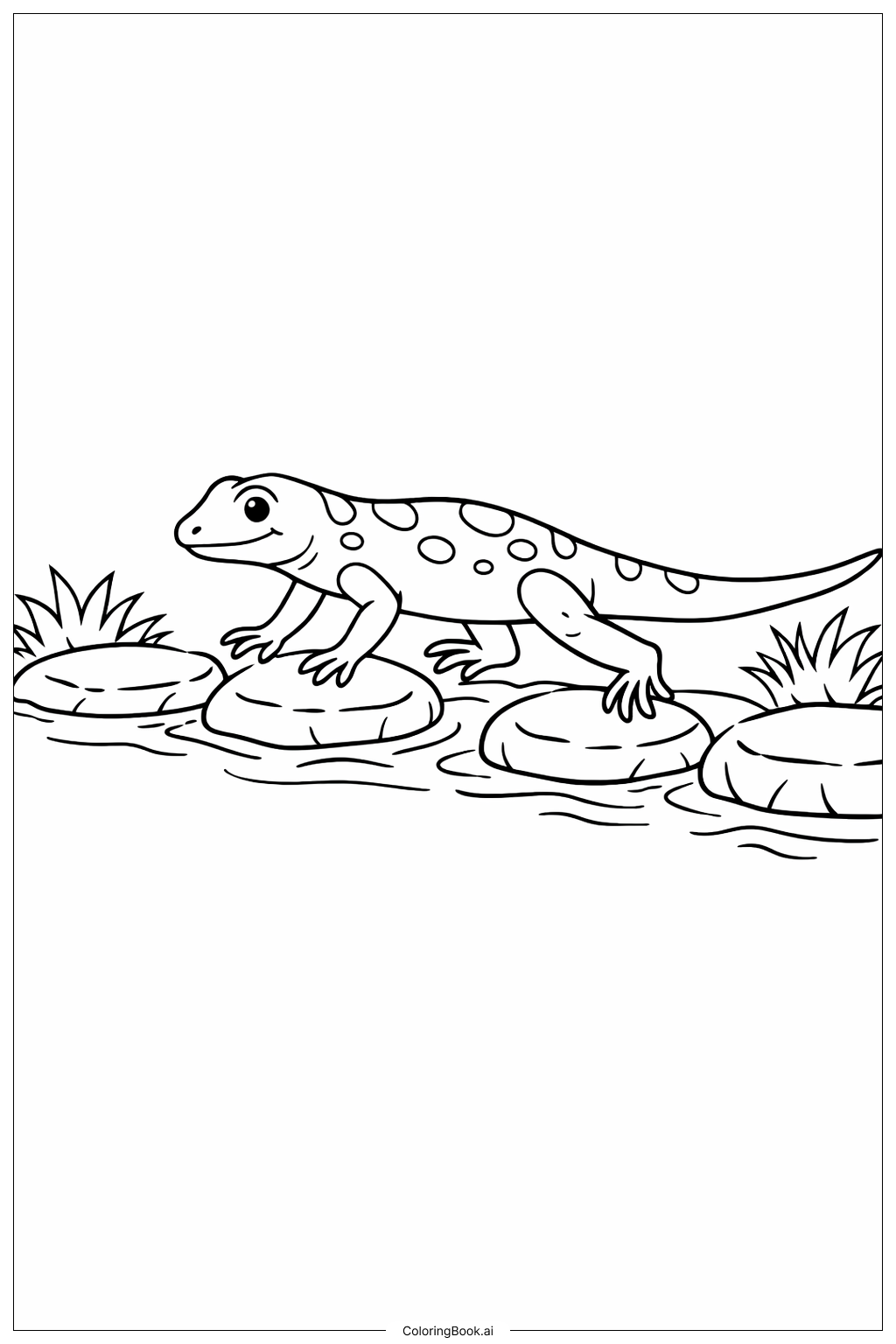
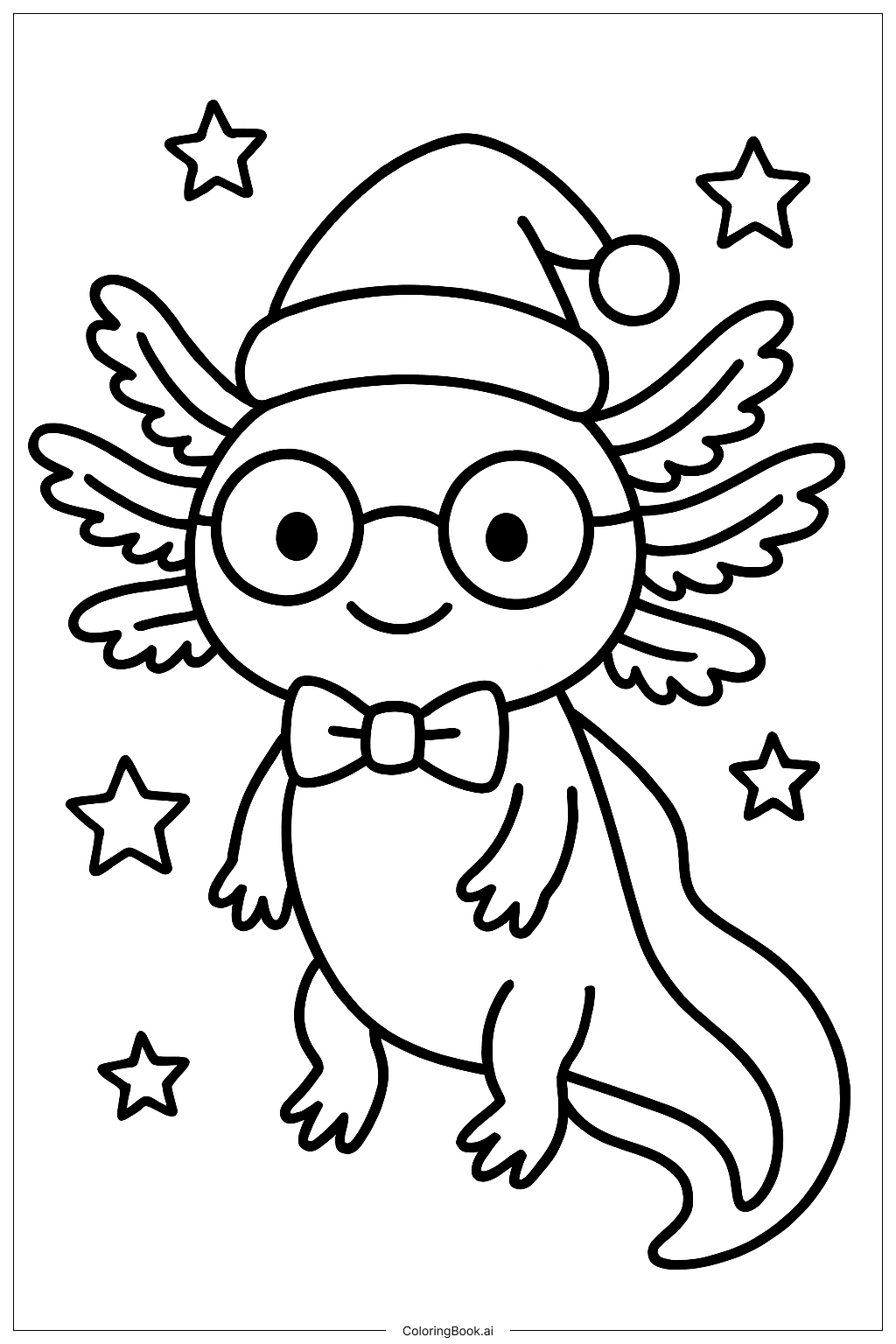
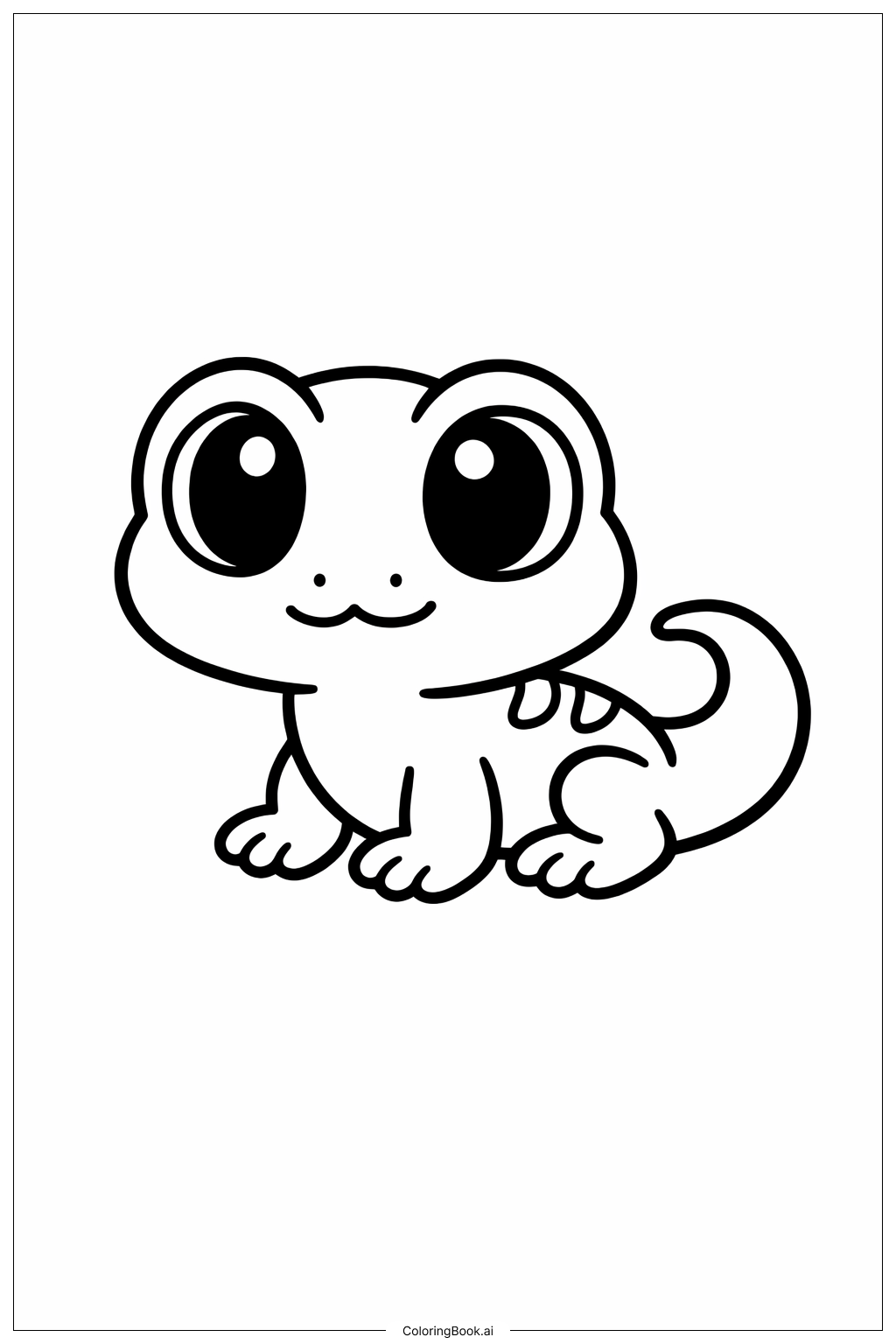
When coloring this baby lizard, you can use bright and cheerful colors like green, yellow, or light brown for the body. Try using different shades of green to make the scales and tail stand out. The big eyes can be colored black with white highlights to give them a shiny look. You can also add some colorful patterns on the lizard’s back or tail to make it more interesting. Use soft colors for the tongue and inside of the mouth if you choose to color those areas. Don’t forget to experiment with blending colors to add depth and make the lizard look lively.
Coloring challenges: Which parts are difficult to color and need attention for Baby Lizard coloring page?
1. Small Details: The tiny scales on the back can be tricky to color carefully without going outside the lines. 2. Eyes: Coloring the large eyes evenly and keeping the white highlight clean may require patience. 3. Curved Tail: It can be challenging to follow the curve and add color smoothly. 4. Balance of Colors: Choosing colors that look good together while making the lizard’s parts stand out can be difficult. 5. Keeping Inside the Lines: Since the lines are thin, young children might find it hard to color without going outside the borders.
Benefits of coloring books: Advantages of drawing Baby Lizard coloring page
Coloring this baby lizard helps improve fine motor skills and hand-eye coordination in children. It encourages creativity by allowing kids to choose different colors and patterns. The simple design is perfect for building confidence in younger children as they practice staying within the lines. Coloring the lizard’s big eyes and tiny scales also promotes attention to detail. Overall, it is a fun way to learn about animals while developing artistic skills.